Skip to content
 The myth Duluth custom home builders believe: “Our work speaks for itself.”
The reality: nobody sees the work if Google doesn’t know you exist. The Sugarloaf Country Club lot inventory is finite — and the builder whose digital presence reaches international professional buyers first wins those lots before the competition knows they came available.
Architect referrals are the most fragile pipeline in luxury construction.
Real talk: a Duluth custom home builder came to us last quarter completing four to six Sugarloaf-area builds per year — every one architect-referred. He spent $0/month on digital marketing. His Google Business Profile was unverified. His website was a five-page brochure built in 2017. Two of his referring architecture firms downsized last year and his referral pipeline dropped 40% overnight.
Here’s the thing — the architect-referral model worked beautifully for the last 25 years because the international professional buyers moving into Sugarloaf, Chattahoochee Run, and the Berkeley Lake corridor used architects as a default trust filter. That generation of buyers is being replaced. The new buyers — younger tech executives, second-generation immigrant families, international buyers relocating from Asia — start the search themselves on Google. They reach out to architects after they’ve already shortlisted two builders.
That shift is the entire reason most established Duluth custom builders are quietly losing market share to a handful of digital-first competitors who weren’t even on the map five years ago. The Sugarloaf lot inventory is finite. When a new lot lists, the builder whose digital presence shows up first gets the conversation. The builder whose work “speaks for itself” never knows the lot existed.
Custom home buyers don’t research builders the way they did 10 years ago. They Google. They watch YouTube walkthroughs. They check Houzz and Instagram. The builder with no digital footprint isn’t “premium and discreet” anymore — they’re invisible. Different game.
The good news? The competition still mostly believes the myth. The window to lock category dominance in Duluth’s custom-build market is wide open — but it won’t be for long. The rest of this guide breaks down what real investment looks like.
Architect-referral-only vs. real-budget Duluth builder
Same craftsmanship. Same crew. Wildly different lot-acquisition math.
| What you’re tracking | Referral-only ($0–$800/mo) | Real budget ($18K–$32K/mo) |
|---|---|---|
| Marketing as % of revenue | 0.1% (rounding error) | 5–6.5% of gross |
| Builds completed annually | 4–6 architect-referred | 9–14 mixed-source builds |
| Average build value | $1.1M (architect-priced) | $1.6M (premium positioning) |
| What happens if a referrer leaves | 40% pipeline drop overnight | Barely move the needle |
| Sugarloaf lot capture | Find out after it’s sold | In conversation week one |
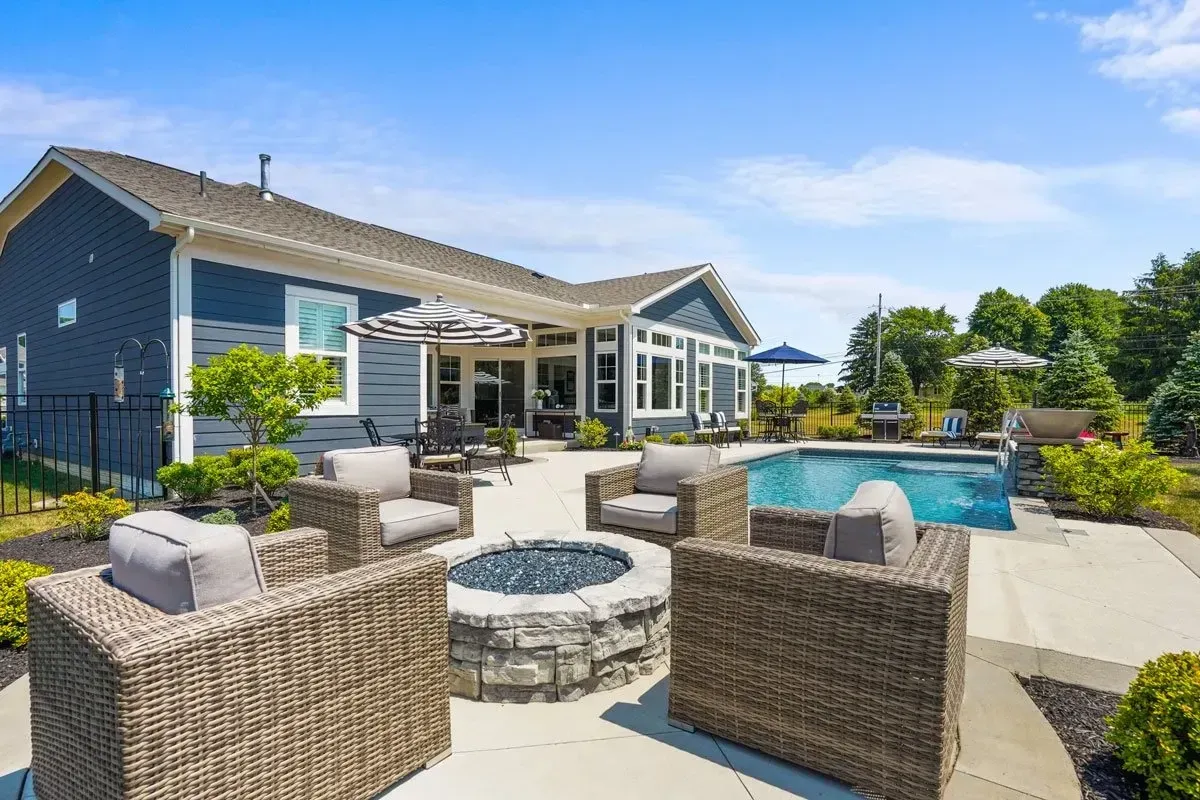
A finished Sugarloaf-area custom home — content like this is the digital signal that captures international professional lot buyers.
The next generation of Sugarloaf and Chattahoochee Run buyers Google their builder before they call their architect. The builder whose Google footprint shows up first doesn’t compete on price — they set it.— What 15+ luxury builder sales calls in Metro Atlanta have taught us
You’ve probably noticed this if you’ve watched Duluth’s lot turnover the last three years. The buyers writing $1.4M–$2.8M build checks aren’t the same buyers from 2015. They’re younger, more digital-native, more international. They expect to see your work on YouTube before they ever request an in-person tour. They expect a website that loads in under two seconds on their iPhone. They expect a portfolio with 100+ images — not 12.
The builders meeting those expectations are stealing the lot inventory. The builders who insist their work “speaks for itself” are watching it happen and wondering why the phone isn’t ringing.
What a real Duluth custom builder marketing budget looks like.
No theory. These are the working ranges we see for Duluth custom builders at $4M, $9M, and $18M revenue tiers — and the channel mix that captures the international professional lot-buyer market.
Three working budgets. One non-negotiable: cinematic content.
The rule across all tiers: at least 25% of marketing budget funds high-production content — drone reels, twilight photography, video walkthroughs. Custom home buyers buy on emotion first. The content is the emotion.
The category-defining Duluth builder budget.
Working range: $60,000–$135,000/month, or 5–7% of gross. Allocation: 30% cinematic content (drone, twilight, video walkthroughs), 25% local + national luxury SEO, 15% Google + Meta + YouTube paid, 10% PR and architectural press, 10% reputation systems, 10% architect/realtor partnership infrastructure. At this tier, you’re competing with the small handful of Atlanta luxury builders who also chase Sugarloaf-tier lots. Real lead-gen infrastructure at this tier means you’re in conversation on every premium lot listing within 48 hours.
The foundation budget.
Working range: $15,500–$28,000/month, or 5–6.5% of gross. Heavy lean into cinematic content of existing builds, GBP rebuild, premium-positioned site, light Google Ads. First investment must be content production — without it, the rest of the spend converts at a fraction.
The growth-tier budget.
Working range: $32,000–$65,000/month, or 5.5–6.5% of gross. Now you can run cinematic content production, real local SEO, paid ads, and architect-partnership infrastructure in parallel. The compound starts here.
One additional $1.4M build pays back the entire annual marketing budget 7x.
The math on luxury custom-build marketing isn’t subtle. At $22,500/month — $270K/year — capturing one additional $1.4M build with a 22% gross margin returns $308K against a $270K spend. Capture two additional builds and the ROI is north of 7.2x. That’s why the percentage-of-revenue framing under-prices what custom builders should actually invest. The denominator is wrong. Think in absolute build adds, not percentages.
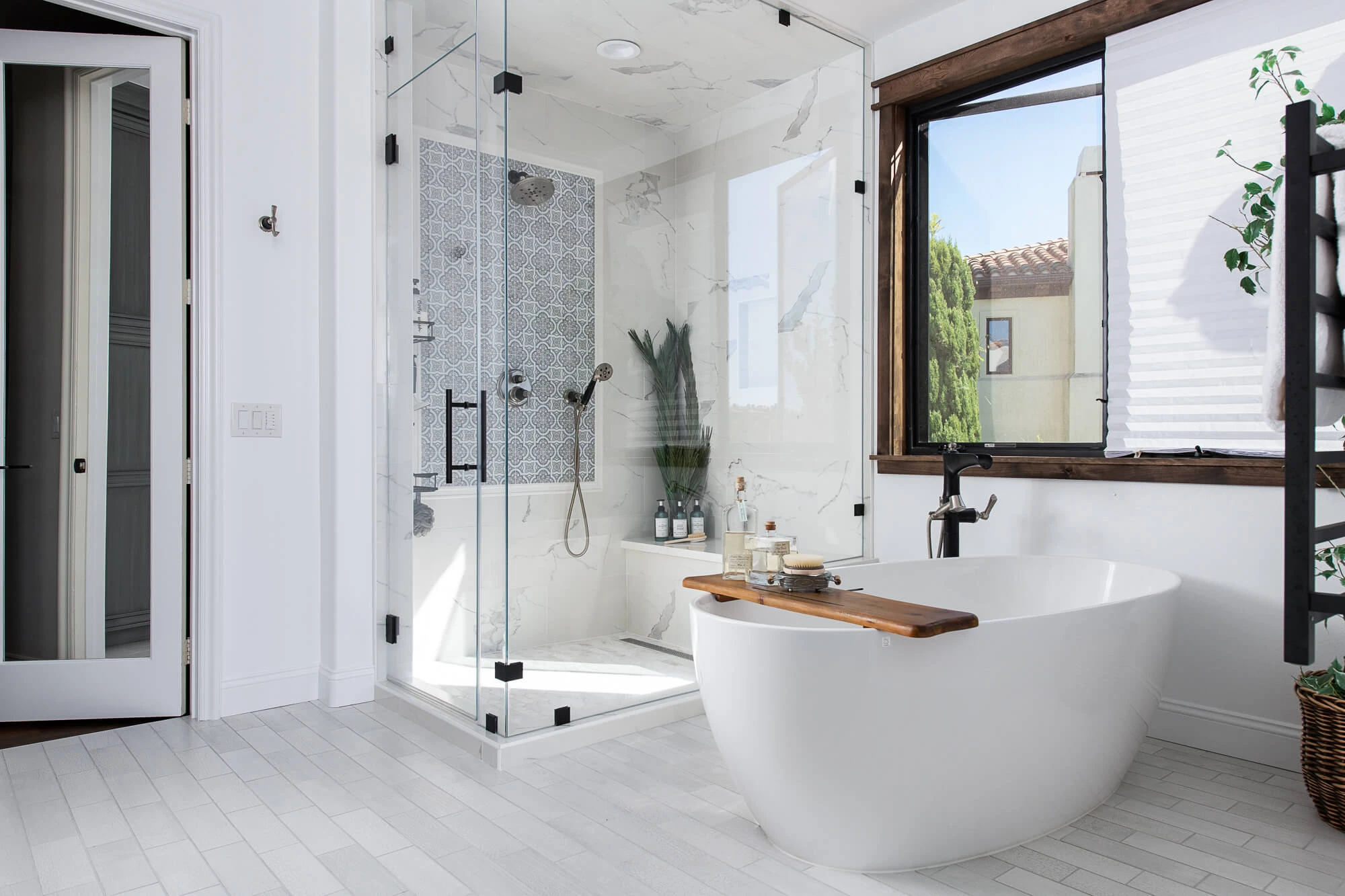
A finished interior in a Duluth custom build — twilight and drone content like this is the visual signal Sugarloaf-tier buyers expect.
How we deploy a Duluth custom builder budget.
Cinematic catalog rebuild
Reshoot 6–10 of your strongest completed builds — twilight exteriors, drone aerials, full video walkthroughs. Audit GBP, site, current rankings. Map every premium-tier keyword the international buyer market actually uses.
Build + launch + lot intelligence
Premium site rebuild, neighborhood pages for Sugarloaf / Chattahoochee Run / Berkeley Lake / Club Drive, Google + YouTube paid launched, Sugarloaf lot-listing alert system live, architect-partnership infrastructure built out, review-velocity workflow active.
Compound + lot dominance
By month 12 you’re ranking for “Duluth custom home builder” and 25+ premium-tier neighborhood keywords. Lot-listing alerts surface premium opportunities within 24 hours. Two-build adds annually become standard. The 7.2x ROI compounds year over year.
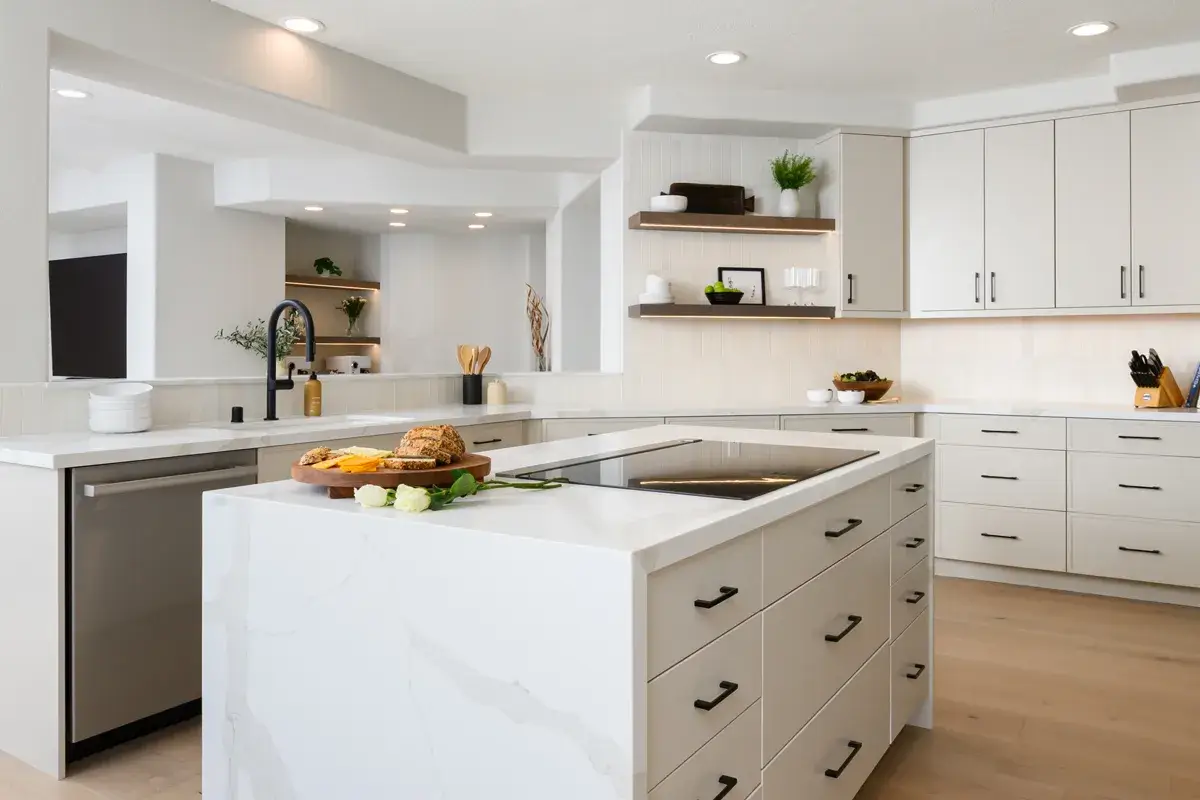
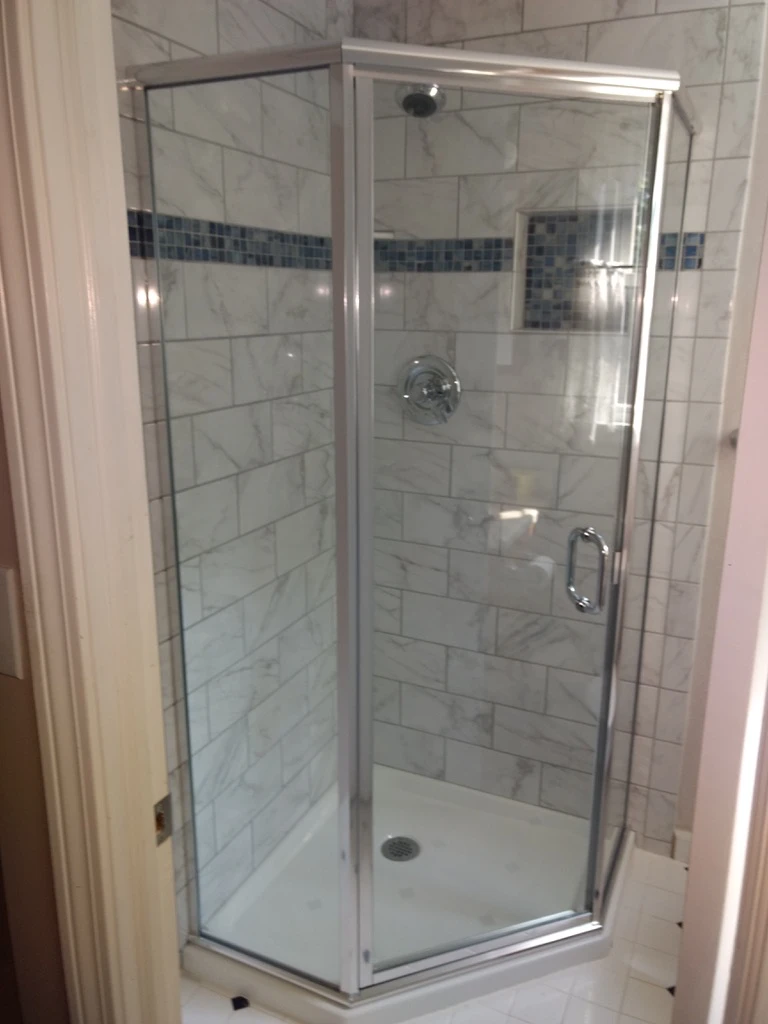
An interior detail shot from a Duluth custom build — the kind of visual asset that converts international professional lot inquiries.
The Sugarloaf builder who went from 4 builds to 11 in 18 months.
A Duluth custom home builder completing 4–6 Sugarloaf-area builds annually came to us with $0 marketing spend, an unverified GBP, and a 5-page brochure site. Two architect referrers had downsized and his pipeline was visibly cracking. We rebuilt his program at $24,000/month — 35% to cinematic content (full reshoot of 8 completed builds), 25% to premium SEO and site rebuild, 25% to paid + lot alerts, 15% to reputation and architect partnerships. By month 14, his organic traffic was up 2,140%, three of his new builds came from direct international-buyer outreach with no architect involvement, and his average build value rose from $1.1M to $1.6M. By month 18, he completed 11 builds — almost triple his prior baseline.
Builds completed per quarter, Duluth custom builder.
The compound is brutal in the second year. Year one is the catalog rebuild. Year two is when the lots start coming.
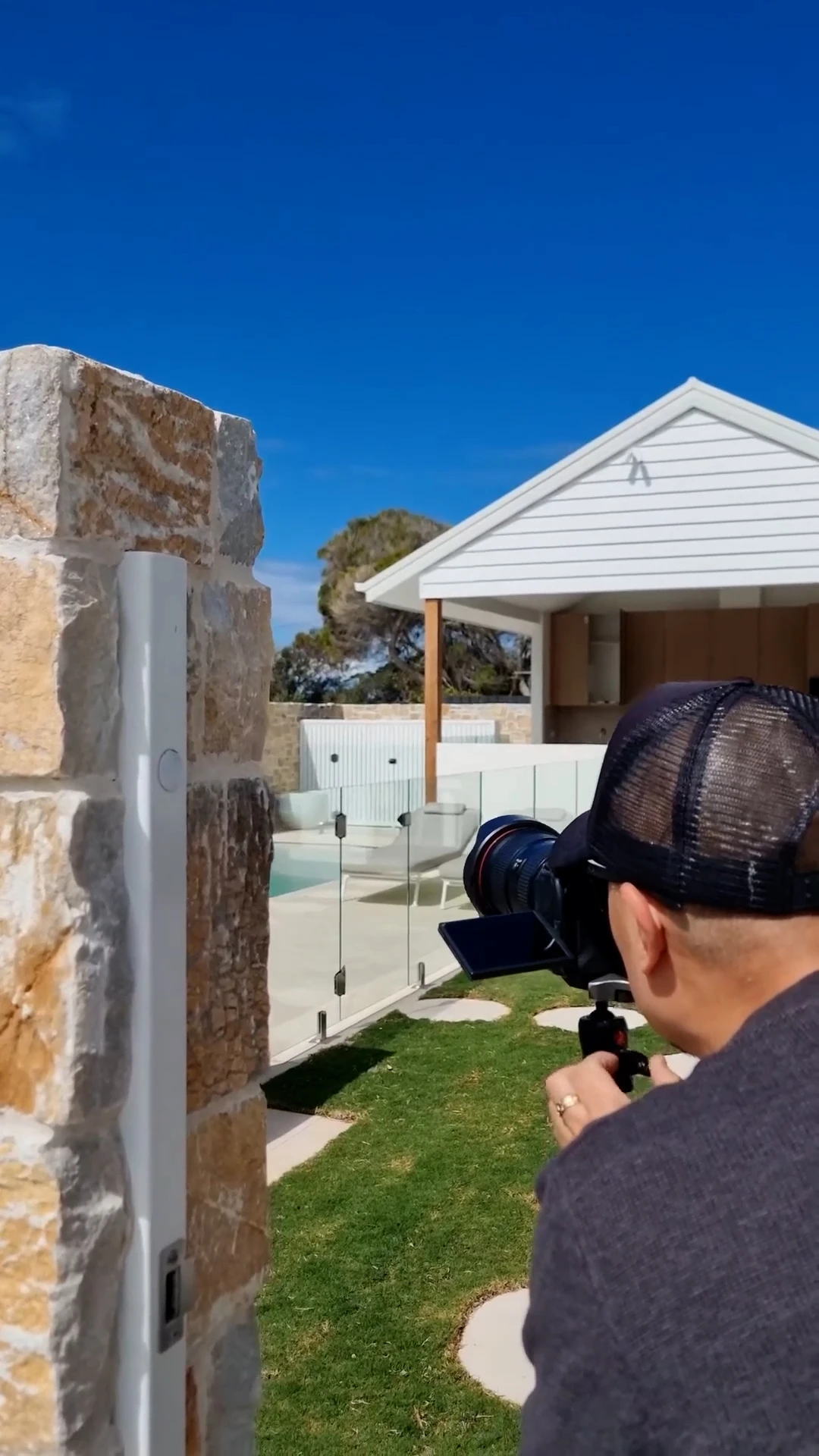
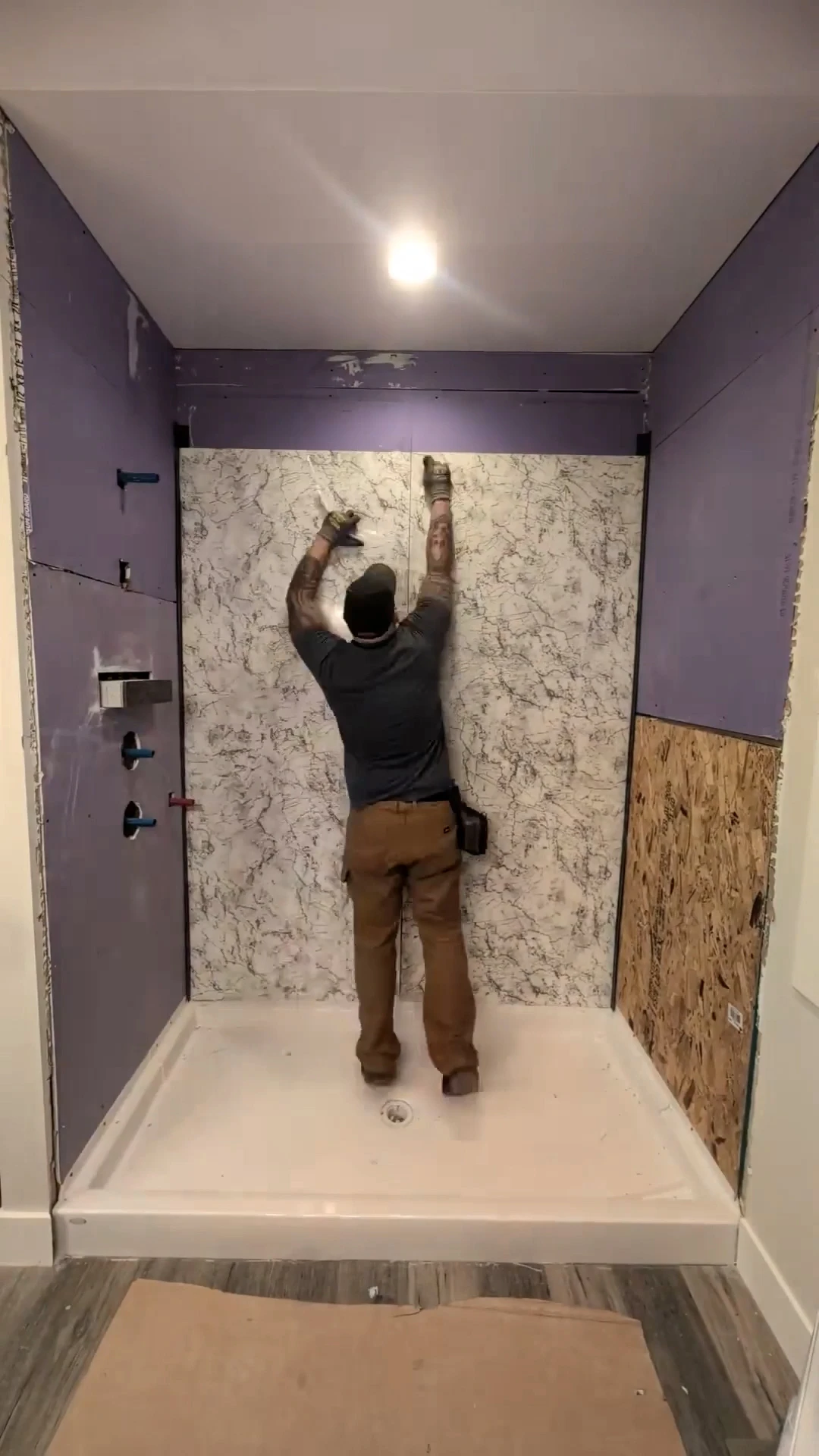
Behind the scenes of a Viral Spark cinematic shoot in Duluth — every custom build becomes 30+ indexed organic assets.
Six line items every Duluth custom builder budget should include.
The cinematic content line is the one that separates premium positioning from generic builder positioning. Underfund it and the rest of the spend converts on price, not story.
Cinematic content production
30% of budget. Drone, twilight, video walkthroughs. The emotional engine behind premium positioning.
Premium SEO + neighborhood pages
20% of budget. Owns “custom home builder Sugarloaf,” “luxury home builder Duluth,” and 25+ premium-tier keywords.
Site + premium positioning
15% of budget. Fast, cinematic site that loads on a phone in under 2 seconds. The first signal premium buyers test.
Paid + lot-listing intelligence
15% of budget. Google + YouTube paid, Sugarloaf lot-listing alert system, architect-partnership pipeline.
PR + press + architect partnerships
10% of budget. Architectural press placements, podcast appearances, formal architect referral program.
Reputation + reporting
10% of budget. Premium-tier review velocity, real-time dashboard, monthly review call. Track every lot opportunity.
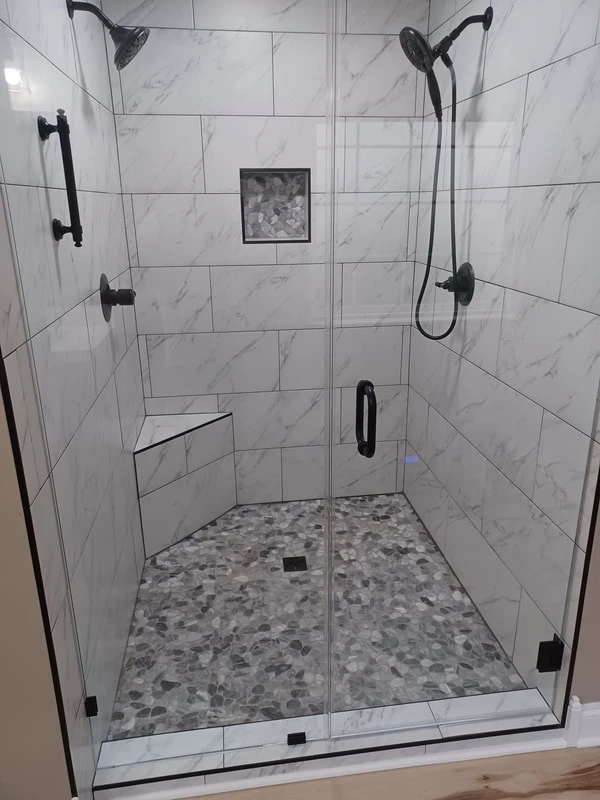
A twilight exterior of a Duluth custom build — the asset that turns Sugarloaf lot listings into builder shortlist conversations.
What Duluth custom builders keep asking about budget.
For builders actively trying to grow into the international professional lot-buyer market, yes. Established $15M+ builders with mature digital and partnership infrastructure can drift down to 4.5–5.5%. Smaller builders trying to break out of architect-referral dependency need to push toward 6.5–7% for the first 18 months. Better framing: think in absolute build adds, not percentages.
Because custom home buyers don’t buy on spec sheets — they buy on emotion. A drone reel of a finished Sugarloaf build at twilight does the selling work that a 5-page brochure site never can. Underfunding content turns the rest of the budget into low-conversion ad spend. It’s the leverage point in luxury construction marketing.
Custom-build sales cycles are 6–18 months. First inbound inquiries from new digital infrastructure typically arrive between months 4 and 7. First signed contracts between months 9 and 14. The 7.2x ROI shows up in years 2 and 3 as the digital catalog mature and lot-listing intelligence compounds.
Realistically, $15,500/month is the floor — and even that requires real photo and video production capacity inside the number. Below $15,500, the cinematic content line collapses and premium positioning falls apart. Better to do less, with cinematic content, than more, with a generic catalog.
No. One custom home builder per geo, full stop. We will not run marketing for two Duluth custom builders at the same time, and we will not run marketing against a Sugarloaf-area builder for any other premium-tier builder. That conflict-of-interest line is non-negotiable — it’s the entire reason we can promise lot-acquisition dominance.
Stop letting Sugarloaf lots get bought before you know they listed.
30-minute strategy call. We’ll audit your current digital footprint, map your top three Duluth custom builder competitors, and tell you exactly what budget you need to capture two additional builds annually. We do a few of these a week with builders across the broader North Atlanta market.