The average Duluth roofer spends 2.1% of revenue on marketing. The winners spend 6.8%.
That gap isn’t a rounding error. It’s the entire reason some Duluth roofers book 60+ jobs a year while their competitors live and die on storm season alone. Here’s the math behind the difference.
Door-knocking and a Yellow Pages listing is not a marketing strategy.
Real talk: most Duluth roofers we talk to are running on a marketing diet straight out of 1998. Door-knock the neighborhoods that got hit. Pay $400/month for a Yellow Pages listing nobody under 60 ever opens. Wait for the next storm. When the storm comes, scramble. When it doesn’t come, panic.
Here’s the thing — that worked when there were 30 roofers in Gwinnett. There are now over 200. Storm-chasers swarm in from out of state within 12 hours of any hail event. By the time you knock on a Sugarloaf-area door, three Texas crews already left a card. The door-knock model is dying because the math no longer adds up.
Meanwhile, Duluth has aging 1980s–2000s housing stock that needs roughly 40,000 roof replacements over the next decade. Two-thirds of those won’t be storm-driven. They’ll be planned upgrades, real estate transactions, leak triage. Those jobs go to whoever Google trusts when the homeowner searches “Duluth roofing contractor.” If you’re invisible the other six months of the year, those jobs are being booked by someone else.
The 3.8x revenue gap between year-round Duluth roofers and storm-only roofers isn’t about skill. It’s about who shows up on Google in October when a Berkeley Lake homeowner notices a leak — not just May after the hail.
The good news? You don’t have to outspend the national franchises to win. You just have to stop being invisible the eight months a year there’s no storm. The rest of this guide breaks down what that costs.
Storm-only marketing vs. year-round marketing
Same skill. Same warranty. Wildly different revenue.
| What you’re tracking | Storm-only ($400–$900/mo) | Year-round ($8K–$14K/mo) |
|---|---|---|
| Marketing as % of revenue | 2.1% average | 6.4–7.2% of gross |
| Jobs booked annually | 22–34 (storm-dependent) | 62–98 year-round |
| Cost per booked roof | $840 (door-knock labor cost) | $310 by month 9 |
| Off-season pipeline | Zero, panic mode | Steady leak/upgrade calls |
| What happens when a storm misses | 3 brutal months | Barely notice |
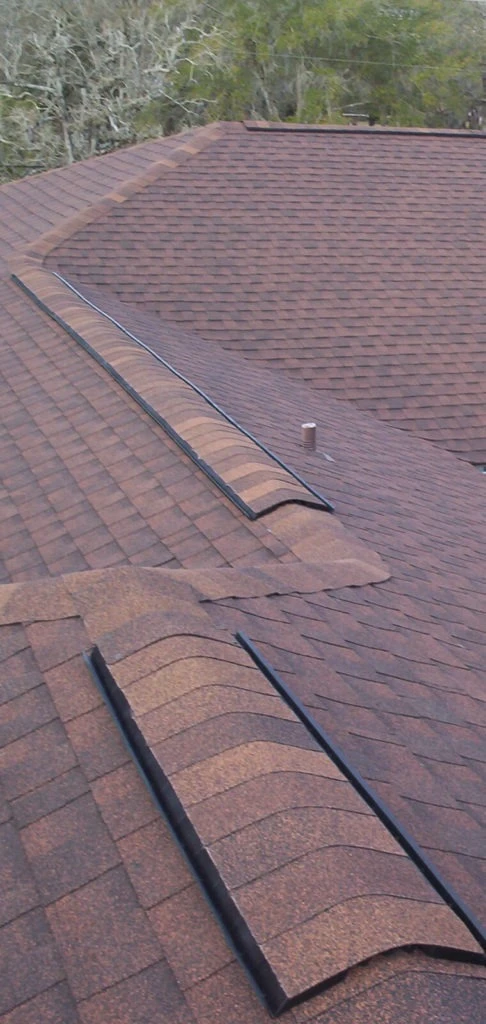
Mid-job shingle replacement in Duluth — content like this builds the year-round Google footprint that captures planned-upgrade jobs.
The Duluth roofers booking 80+ jobs a year aren’t better at door-knocking. They built a year-round Google presence so they show up when the storm-chasers go home.— What 35+ roofer sales calls in Metro Atlanta have taught us
You’ve probably noticed this if you’ve worked the Gwinnett market for a while. The storm crews disappear by July. The franchise ads quiet down by August. That’s exactly when the planned-replacement market opens up — homeowners who were going to do it anyway, real estate transactions, insurance follow-ups, slow leaks. Whoever owns Google in those months captures the entire August-through-March pipeline.
That’s where the 3.8x revenue multiplier comes from. Not from working harder. From being the only roofer Duluth homeowners can find when the storm chasers have moved on.
What a real Duluth roofer marketing budget looks like.
No fluff. These are the working ranges we see for Duluth roofers at $800K, $2.5M, and $6M revenue tiers — and the channel mix that captures both storm-season and year-round demand.
Three working budgets for three real Duluth roofers.
The non-negotiable across all three tiers: at least 50% of budget runs year-round, not just March–June. Storm spending without year-round infrastructure is the most expensive way to grow a roofing business.
The Gwinnett-dominant roofer budget.
Working range: $18,500–$32,000/month, or 5–7% of gross. Allocation: 35% local SEO and content production, 25% Google Ads + LSA, 15% Meta + YouTube remarketing, 15% storm-season surge campaigns, 10% reputation systems. At this tier, you’re holding off three other established Duluth shops and the national franchise that just opened on Pleasant Hill. The year-round lead-generation infrastructure here means storm seasons become surge revenue, not survival revenue. Most of our $4M+ Duluth roofer clients run a 6–9 week backlog through the entire year at this budget.
The starter-real budget.
Working range: $3,800–$7,500/month, or 6–8% of gross. Heavy lean into Google Business Profile, basic local SEO, light Google Ads. Drop the Yellow Pages, drop the door-knocker payroll for two months and put it here. Compounds within 9 months.
The growth-tier budget.
Working range: $9,000–$15,500/month, or 6–7% of gross. Now you can run paid ads, real local SEO, monthly drone job shoots, and a storm-surge campaign system in parallel. Year-round compounding starts here.
Spending only when the storm hits is the most expensive marketing strategy on this list.
Storm-season ad spend is brutally competitive — every roofer in five counties is bidding the same keywords during the same six weeks. CPCs jump 4x. Conversion rates drop. Year-round contractors who already rank organically capture the same leads at a fraction of the cost. Building year-round visibility is how you stop overpaying for storm-season scraps. The 3.8x multiplier lives here.
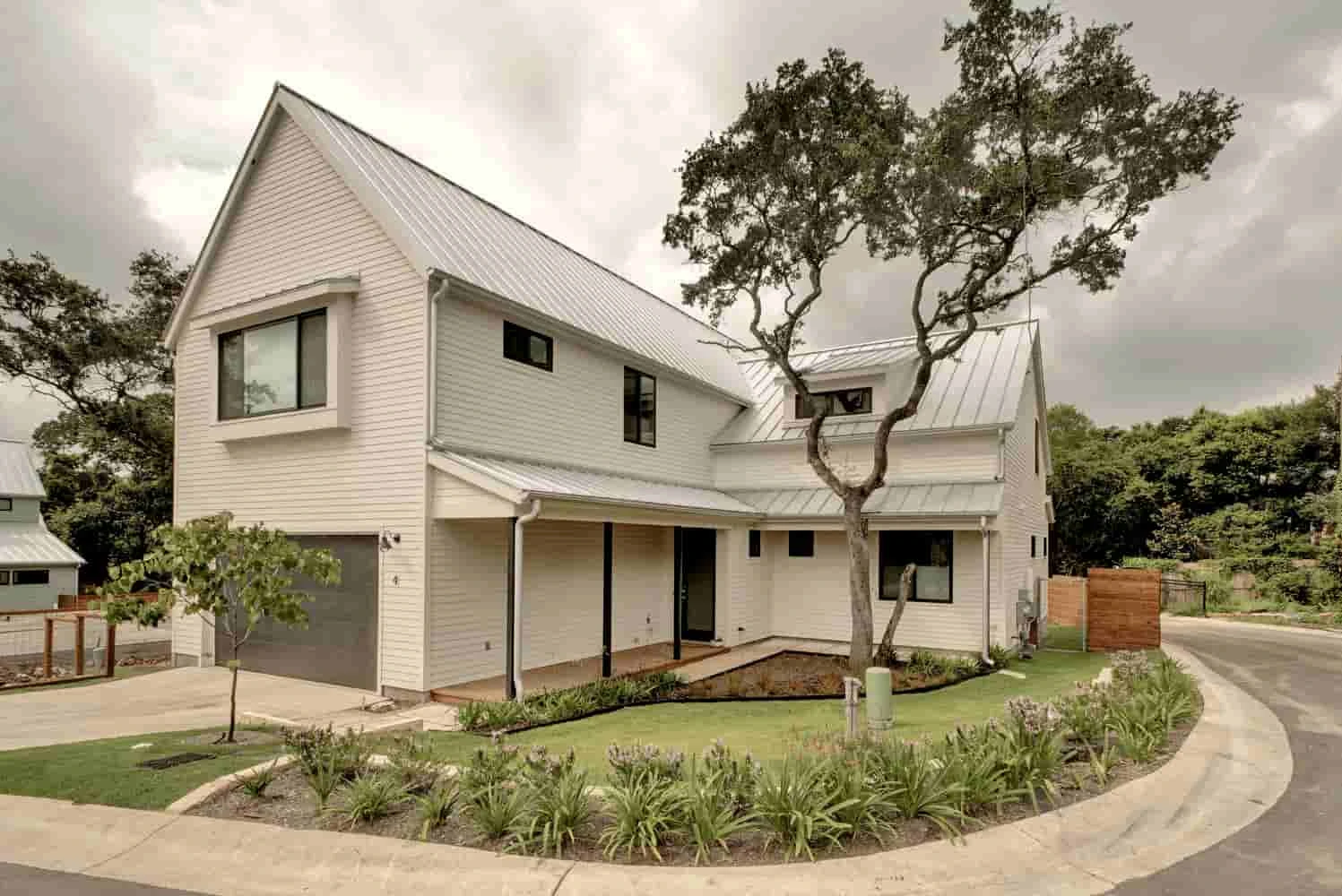
A full tear-off and replacement in Duluth — exactly the kind of job that becomes 4–6 indexed assets on a real marketing program.
How we deploy a Duluth roofer budget.
Year-round foundation
Audit GBP, site, and current Google rankings. Map storm-season spikes vs. year-round baseline. Identify the 50+ Duluth-area roofing keywords nobody is winning year-round. Build the foundation pages: roof replacement, leak repair, insurance claims.
Build + launch + storm-prep
Site rebuild, neighborhood pages for Sugarloaf / Berkeley Lake / Pleasant Hill / Medlock Bridge, Google Ads + LSA launched, monthly job-site drone shoots, review-velocity workflow live. Storm-surge campaign system built and parked, ready to deploy.
Compound + capture both seasons
By month 7 you’re ranking for “Duluth roofer” and 30+ neighborhood variations. Off-season inbound replaces door-knock revenue. When the next hail event hits, your storm-surge campaign deploys against an already-warm pipeline. Cost per booked roof drops to under $310.
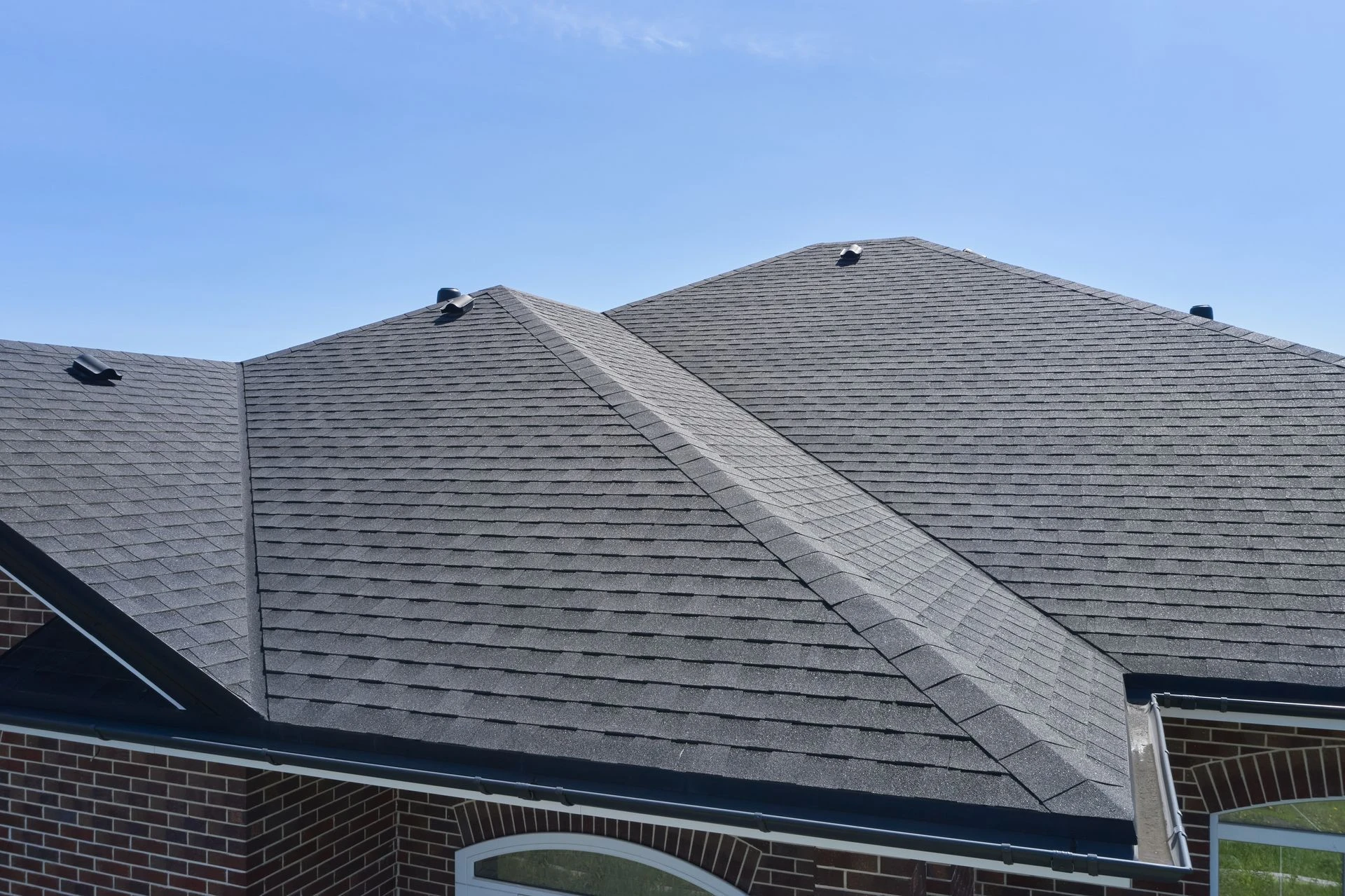
A finished architectural shingle install in Duluth — the kind of asset that pulls planned-replacement jobs the other eight months.
The Pleasant Hill roofer who quit door-knocking and added 47 jobs a year.
A Duluth roofer doing $1.4M annually came to us spending $400/month on Yellow Pages plus two door-knockers running storm-season routes. Booking 31 jobs a year, all storm-driven. We rebuilt his budget at $7,200/month year-round, killed the Yellow Pages, kept one door-knocker for storm response only. By month 11, his organic traffic was up 1,070%, he was answering 22 inbound exclusive calls per month off-season, and his cost per booked roof had dropped from $840 to $295. That year he booked 78 roofs — and only 26 were storm-related. The other 52 were pure year-round revenue he’d never seen before.
Inbound Duluth roofing leads, off-season vs. storm-season.
Year-round investment compounds. Storm-only spending peaks once a year and disappears. The math is not close.
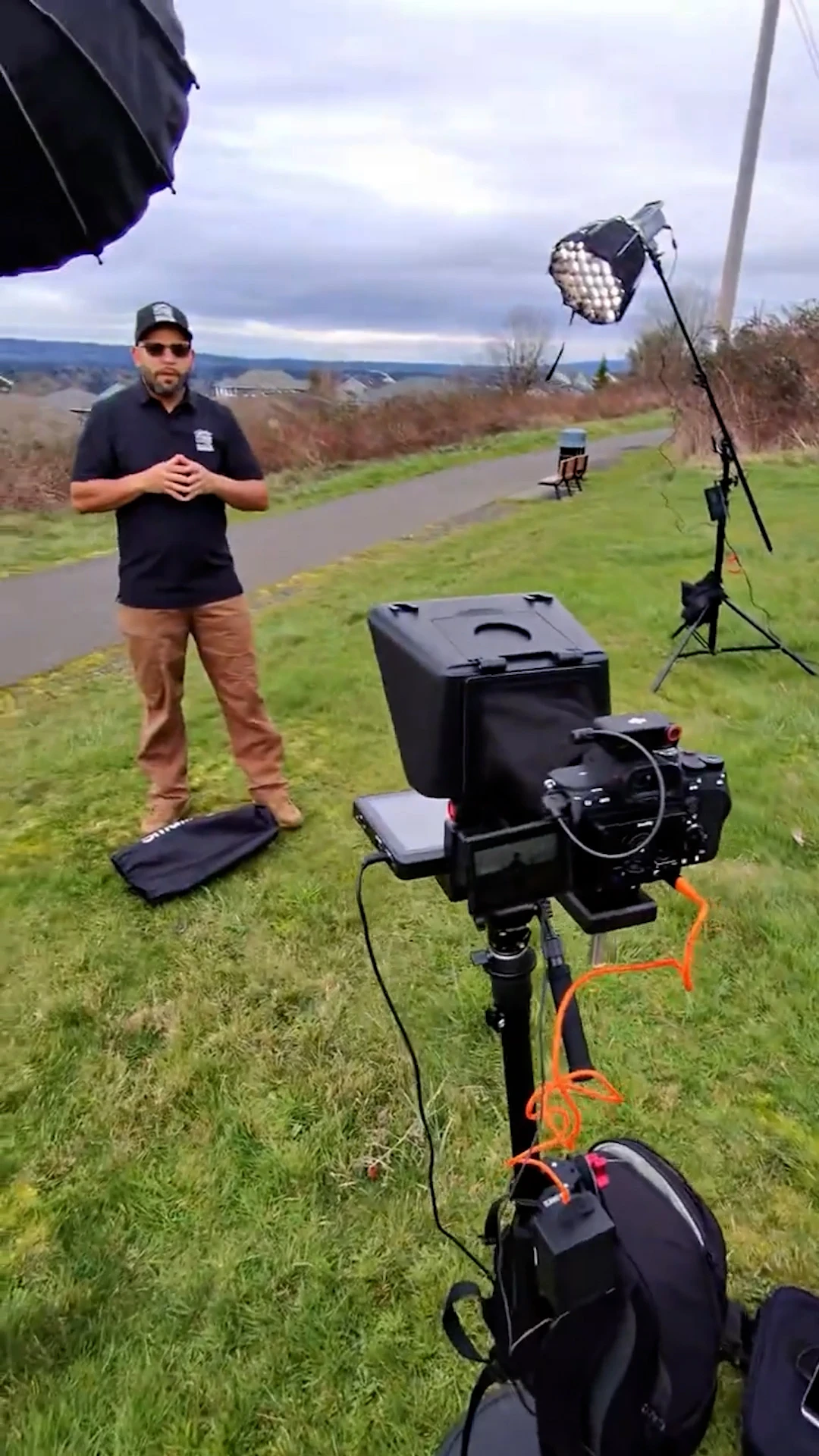
Behind the scenes of a Viral Spark content shoot in Duluth — every roofing job becomes 4–6 indexed organic assets.
Six line items every Duluth roofer budget should include.
If you’re missing more than two of these, you’re a storm-only operation pretending to have a marketing program. The percentages shift seasonally, but every line item belongs in the budget.
Local SEO + GBP optimization
30% of budget. Owns the Duluth roofer map pack year-round. Highest long-term leverage on the sheet.
Google Ads + LSA (year-round)
20% of budget. Steady inbound off-season, surges 3x during storm windows. Direct-to-form, no shared platforms.
Storm-surge campaign system
15% of budget. Pre-built ads, neighborhood targeting, ready to deploy within 6 hours of any hail event.
Site + neighborhood pages
15% of budget. A converting site, neighborhood landing pages, insurance-claim content. Fixes the conversion leak.
Reviews + reputation
10% of budget. Automated post-job review requests, response workflows. Compounds GBP rankings month over month.
Monthly content + reporting
10% of budget. Drone job shoots, real-time dashboard, monthly review call. Without it, you’re guessing again.
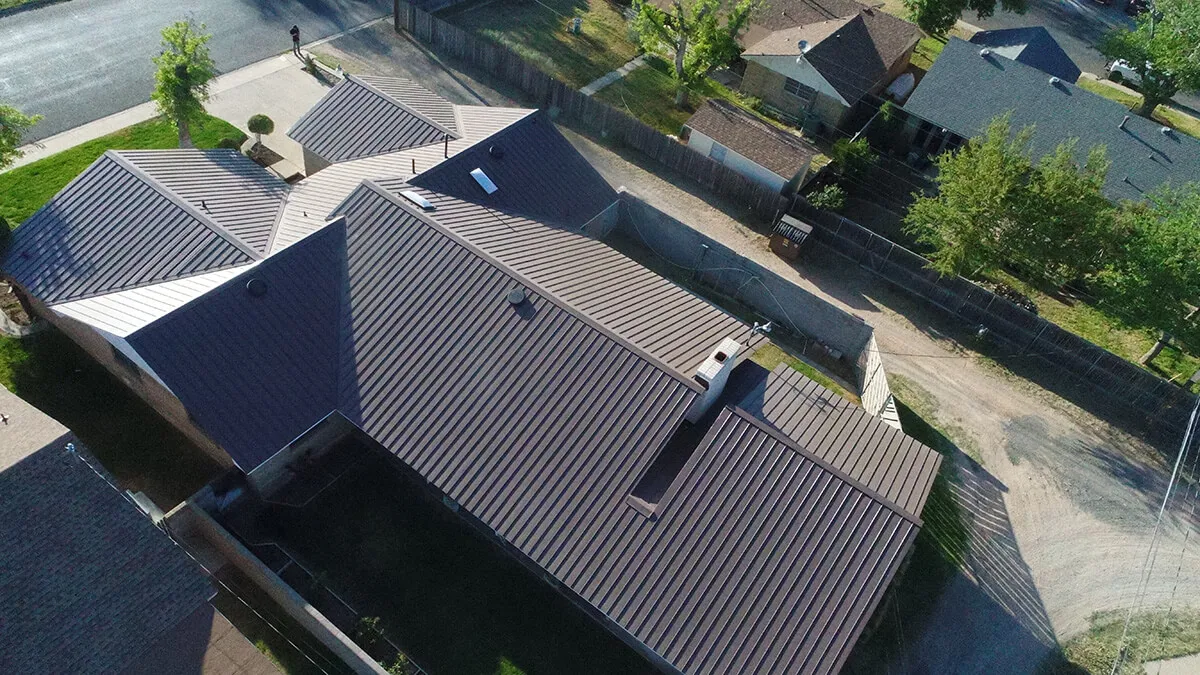
A Duluth crew mid-installation — the kind of content that converts both storm-season and year-round inbound.
What Duluth roofers keep asking us about budget.
For shops actively trying to grow past storm-only revenue, yes. Established $5M+ shops with strong year-round pipelines can drift down to 4.5–5.5%. Smaller shops trying to break out of storm dependency need to push toward 7–8% for the first 12 months. The percentage is a proxy for how seriously you’re committing to year-round visibility.
Google Ads can produce inbound calls within 3 weeks. Local SEO and content take 90–180 days for first traction and 6–9 months to dominate Duluth-area off-season searches. Most of our roofer clients see their off-season inbound pipeline replace door-knock revenue between months 7 and 11.
Not entirely. Storm-event door-knocking still works — it’s profitable for the 6–14 days after a major hail event. What doesn’t work is full-time year-round door-knocker payroll. Cut the year-round door-knock budget, keep a flexible team you can deploy for storm response only, and put the rest into year-round digital. Math improves dramatically.
Realistically, $3,800/month is the floor. Below that, you can’t fund GBP work + basic SEO + light Google Ads simultaneously, and that combination is the minimum that compounds year-round. Spending $1,200/month across three channels is worse than spending $3,800 on two channels done correctly.
No. One roofer per geo, full stop. We will not run marketing for two Duluth roofers at the same time. That conflict-of-interest line is non-negotiable — it’s the entire reason we can promise category dominance to the client we work with.
Stop being invisible the eight months a year there’s no storm.
30-minute strategy call. We’ll look at your current spend, your top three Duluth roofing competitors’ Google footprint, and tell you exactly what year-round budget you need at your revenue tier. We do a few of these a week with roofers across the broader North Atlanta market.