Skip to content
 Atlanta contractor website design that actually converts.
A Crooked Creek remodeler called us last fall after a $24,000 redesign delivered exactly two phone calls in six months. Here’s what we found, what we changed, and why most contractor sites in Atlanta look great and sell nothing.
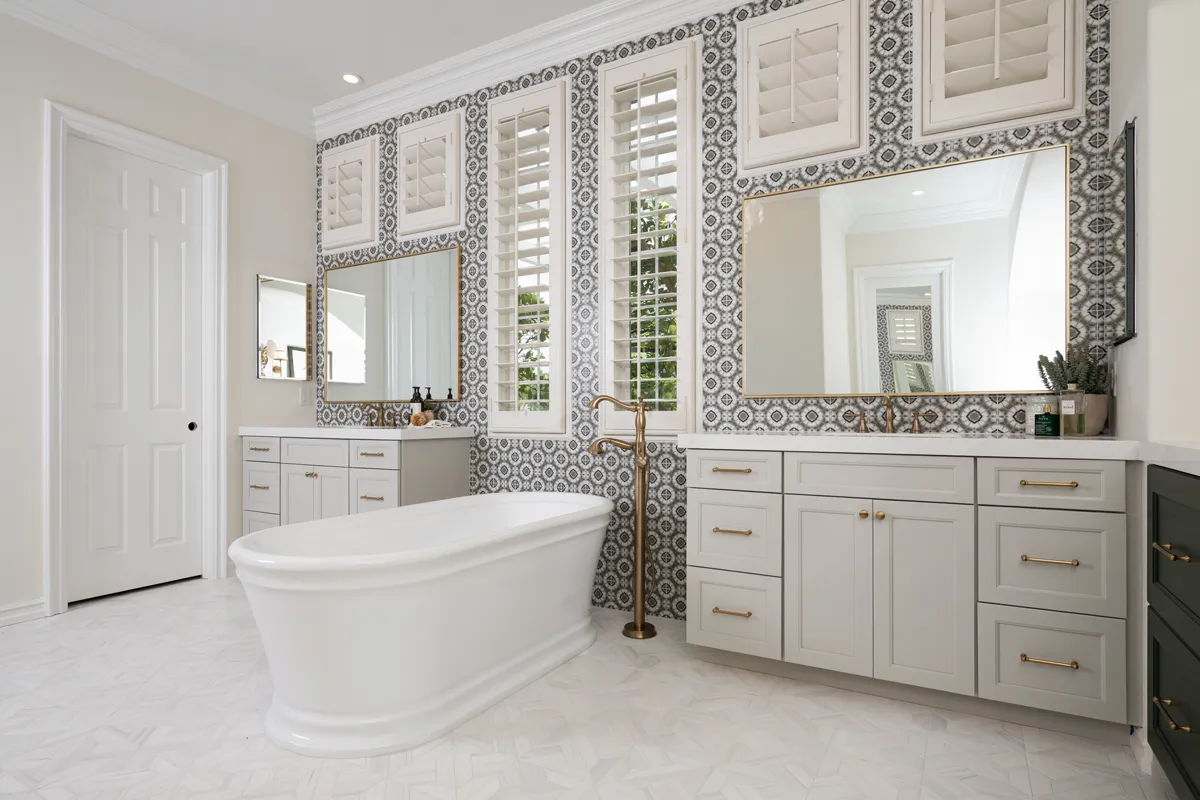
The Crooked Creek remodeler who paid $24K for a website that didn’t ring.
Here’s the thing. The remodeler — eight years in business, $3.2M in revenue, a portfolio in Crooked Creek, Avalon, and the Roswell Historic District that would make you weep — hired a Buckhead agency in March of last year. Big rebrand. New logo. New site with parallax scrolling and hero video. Cost $24,000 plus a $1,400 monthly retainer.
Six months in, he had two phone calls from the site. Not two consultations. Two calls total. One was a vendor pitching gutter inserts. He showed me his analytics, his GA4 dashboard, his fancy heatmap tool. The data was loud. People were landing, scrolling for 11 seconds, and bouncing. The site was beautiful. It just didn’t sell anything.
Real talk: this happens constantly in Atlanta. Especially in Atlanta, where the design talent is real and the agency rates are high enough that contractors assume they’re getting conversion expertise baked in. They’re not. They’re getting design. The conversion math is a separate skill, and most agencies don’t have anyone who actually knows it.
A contractor website isn’t a portfolio site. It’s a sales asset. The minute you start treating it like an Instagram-grid showcase instead of a qualified-lead machine, the design wins and the business loses.
The good news? The fix isn’t another redesign. The fix is a conversion overlay on top of the design — five specific things that turn a pretty site into one that books consultations. The rest of this guide breaks them down, with the receipts.
The Buckhead agency rebuild vs. the conversion-first build
Same budget range. Two different jobs. Only one of them rings the phone.
| What you’re getting | Typical Atlanta agency rebuild | Conversion-first build (what we do) |
|---|---|---|
| Primary goal | Look good in the agency portfolio | Book a qualified consultation |
| Mobile load time | 3.8–5.2 seconds | Under 2.0 seconds, every page |
| Hero section | Brand video, no clear next step | Outcome headline + one obvious CTA |
| Trust stack on the homepage | Logo wall, generic testimonials | Named neighborhoods, project budgets, photo proof |
| Service pages | One generic “Services” page | Individual page per service per geo |
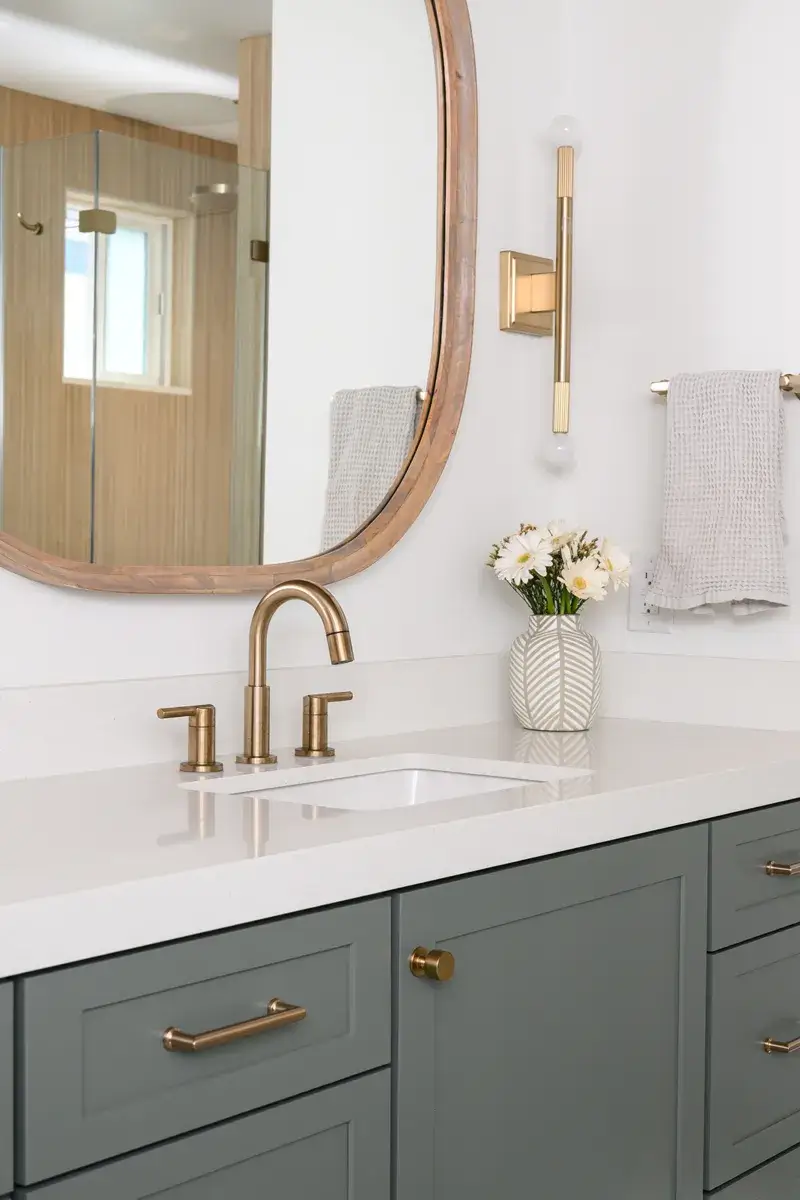
A finished bathroom remodel like this is the kind of asset a contractor site should be built around — outcome first, photo second, copy third.
Your homepage is not the hardest-working page on your site.
You’ve probably noticed that every agency pitch starts with “let’s redesign the homepage.” That’s because the homepage is the easiest deliverable to show off in a portfolio screenshot. It’s the slide that closes the proposal.
The homepage is not where contractor sites in Atlanta lose money, though. Service pages and individual project pages are where the money lives. Homepage traffic is largely brand traffic — people who already know your name. The cold organic traffic from a homeowner Googling “kitchen remodeler Marietta” is landing on a service or project page, not the homepage.
Here’s what the contractor sites converting in Atlanta, Marietta, and Johns Creek right now look like under the hood. A clean homepage, sure — but 12 to 24 service pages, each targeting a single service plus a single geo, each with their own trust stack, their own gallery, their own form. Most of the traffic, and almost all of the booked consultations, come from those pages — not from the homepage hero video the agency was so proud of.
The contractor sites that ring the phone in Atlanta look almost boring at first glance. Then you check the site map and find 38 high-intent service pages quietly indexing on Google.— After auditing 60+ Metro Atlanta contractor sites in 2025
That doesn’t mean the homepage doesn’t matter. It does. But the leverage isn’t there. The leverage is in the long tail of service pages most contractor sites in East Cobb and the Big Creek Greenway corridor never bothered to build. That’s where the booked consultations actually come from.
Five things every contractor site in Atlanta needs.
After auditing dozens of contractor sites across Atlanta, Marietta, Roswell, and Smyrna, the same five fixes show up every time. Get all five right and a redesign starts pulling its weight inside 60 days.
The conversion stack that turns Atlanta contractor sites into lead machines.
None of these are flashy. None of them require a rebuild. They’re the boring infrastructure most agencies skip because it doesn’t show up in a portfolio screenshot.
An outcome headline, a real number, and one obvious next step.
Your hero section has about 1.4 seconds to communicate three things: who you serve, what outcome you deliver, and what to do next. Skip the brand video. Skip the parallax. Write the outcome the homeowner actually wants — “Award-winning kitchen remodels in East Cobb, on time and on budget” beats “Welcome to our family-owned business” every single time. Pair it with one specific stat (“$3.4M in finished projects since 2019”) and a single CTA button. We dig into this in our contractor web design service overview, but the principle applies to every home remodeling shop across the corridor.
Mobile speed under 2 seconds.
Most Atlanta contractor sites we audit load on mobile in 3.8 to 5.2 seconds. Strip the bloated theme, compress every image, and serve modern formats. Every second over 2.0 costs roughly 7% of conversions.
Geo-specific service pages.
Don’t lump everything into “Services.” Build a page per service per geo — Marietta, Johns Creek, Roswell. Each gets its own gallery, its own neighborhood references, its own form.
The trust stack and the form that doesn’t suck.
Trust stack: real photos, real names, real neighborhoods, real project budgets. No stock images. No “John in Atlanta said great service.” Specific, verifiable proof. Form: short. Three to four fields max — name, phone, ZIP, project type. The 12-field discovery form is a conversion-killer in every audit we run. Long forms feel professional to the contractor and look like a tax return to the homeowner.
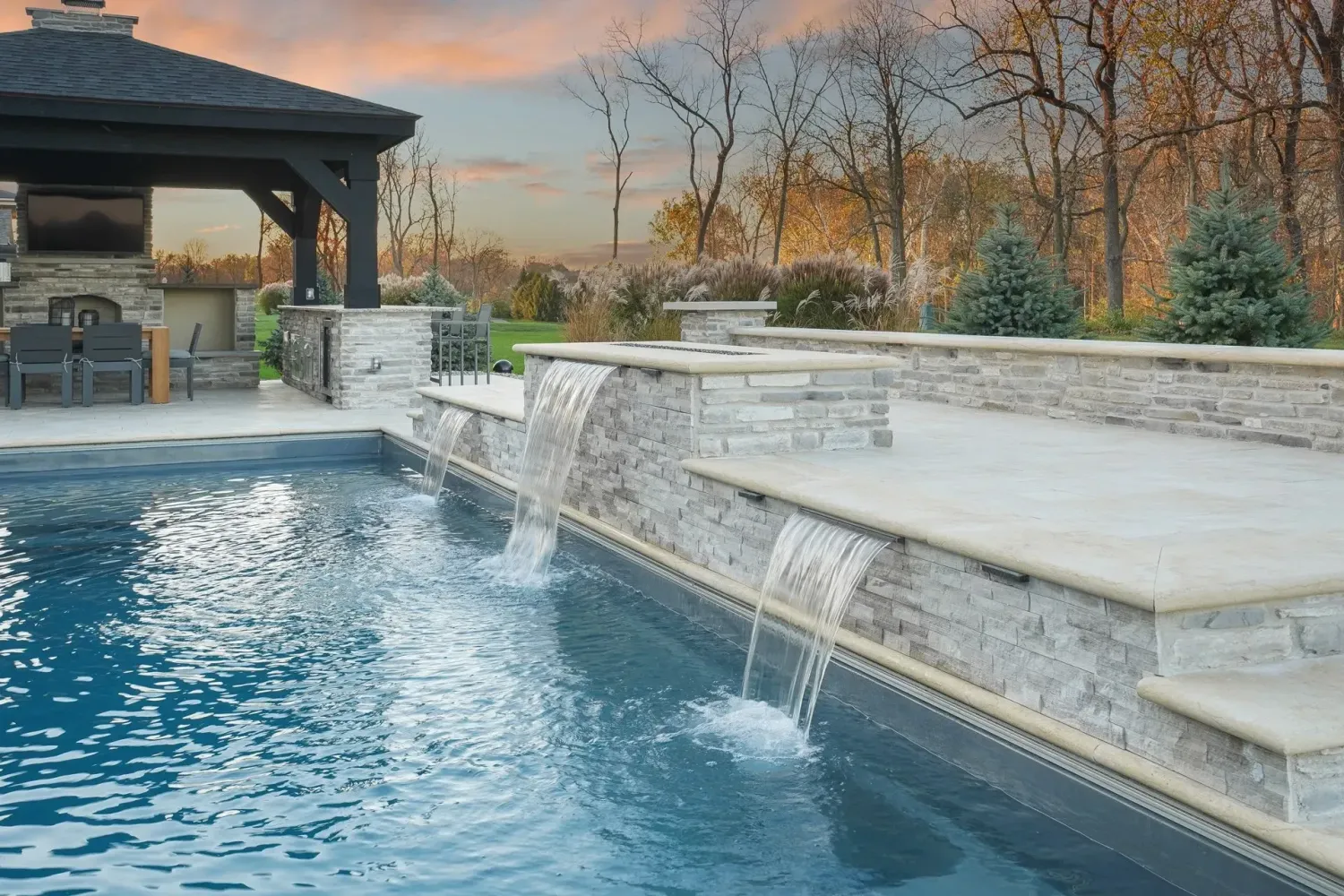
Photography this clean is the kind of asset a contractor’s site should be built around. Without it, no design fix carries weight.
How we run an Atlanta contractor site engagement.
Audit the conversion floor
We map every page on your current site, score it against the five-fix conversion stack, and flag the leaks. Hero section, mobile speed, service-page depth, trust stack, form length. Most Atlanta contractor sites fail on three or four of the five.
Rebuild the high-leverage pages
Homepage gets a clean conversion overlay. Service pages get split by geo and rebuilt one at a time — Marietta, Roswell, Smyrna, Johns Creek. Photo system, review feed, and short form all wired in. Boring infrastructure, but it’s where the inbound calls live.
Wire the rest of the funnel
Google Business Profile, organic content, paid ads, retargeting. The site is the conversion floor — the funnel above it has to feed it qualified traffic. By month 4 most clients are off Angi entirely and answering the phone whenever they want.
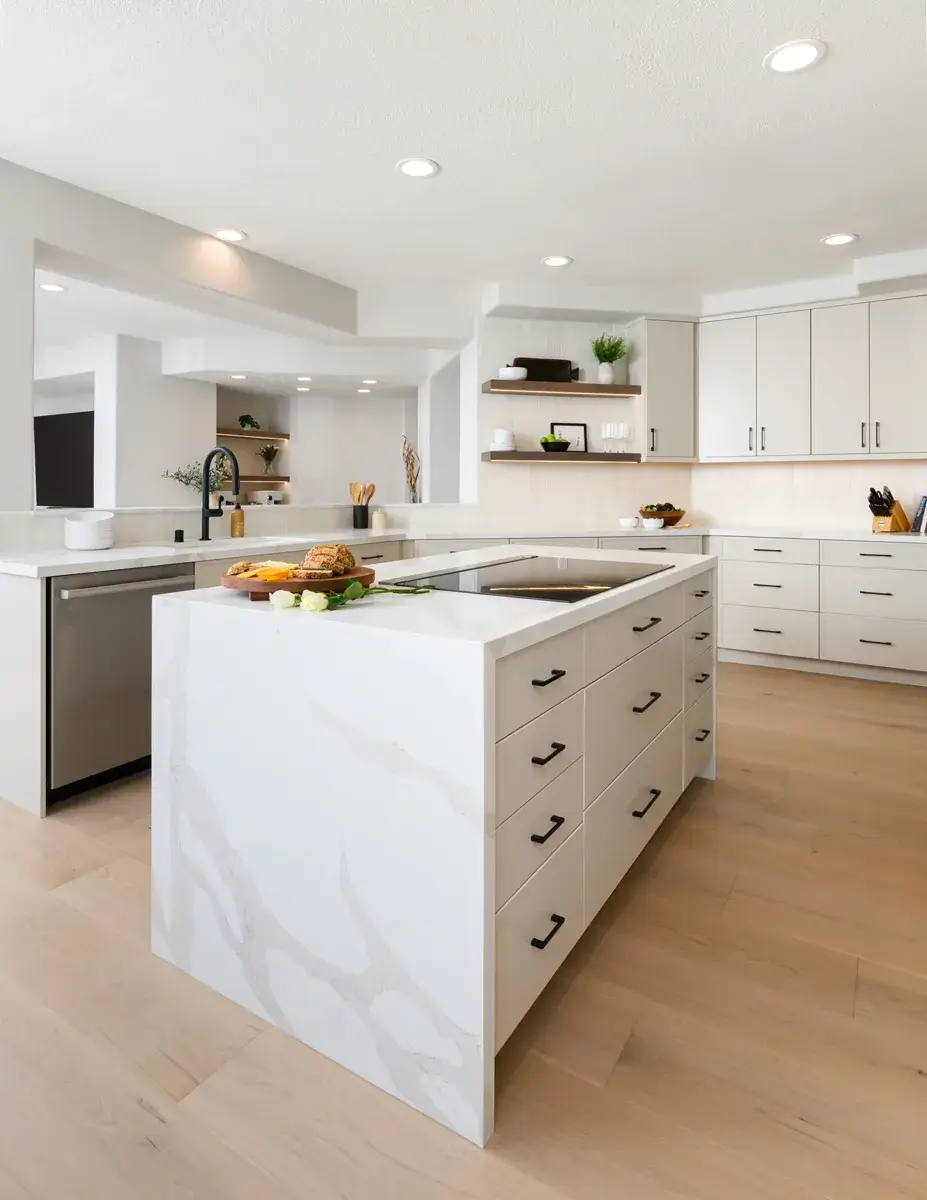
Open-concept builds like this — when documented mid-build and at handover — become the highest-converting service-page assets a contractor site can carry.
What changed for the Crooked Creek remodeler.
Back to where this started. We didn’t redesign the site. We added the conversion overlay — rewrote the hero, cut the homepage video, stripped 1.8 seconds of mobile load, broke “Services” into 17 individual service-and-geo pages, and replaced the 14-field intake form with a 4-field one. Eleven weeks later he was answering 22 inbound consultation requests per month from his own site, his cost per booked $80K-plus remodel had dropped from $2,930 to $640, and his website was finally pulling its weight against the $24K he’d already paid for it.
Inbound consultation requests, week by week post-overlay.
The site already had the traffic. All five fixes did was let the traffic actually convert. Every contractor site in Atlanta we touch follows roughly this curve.
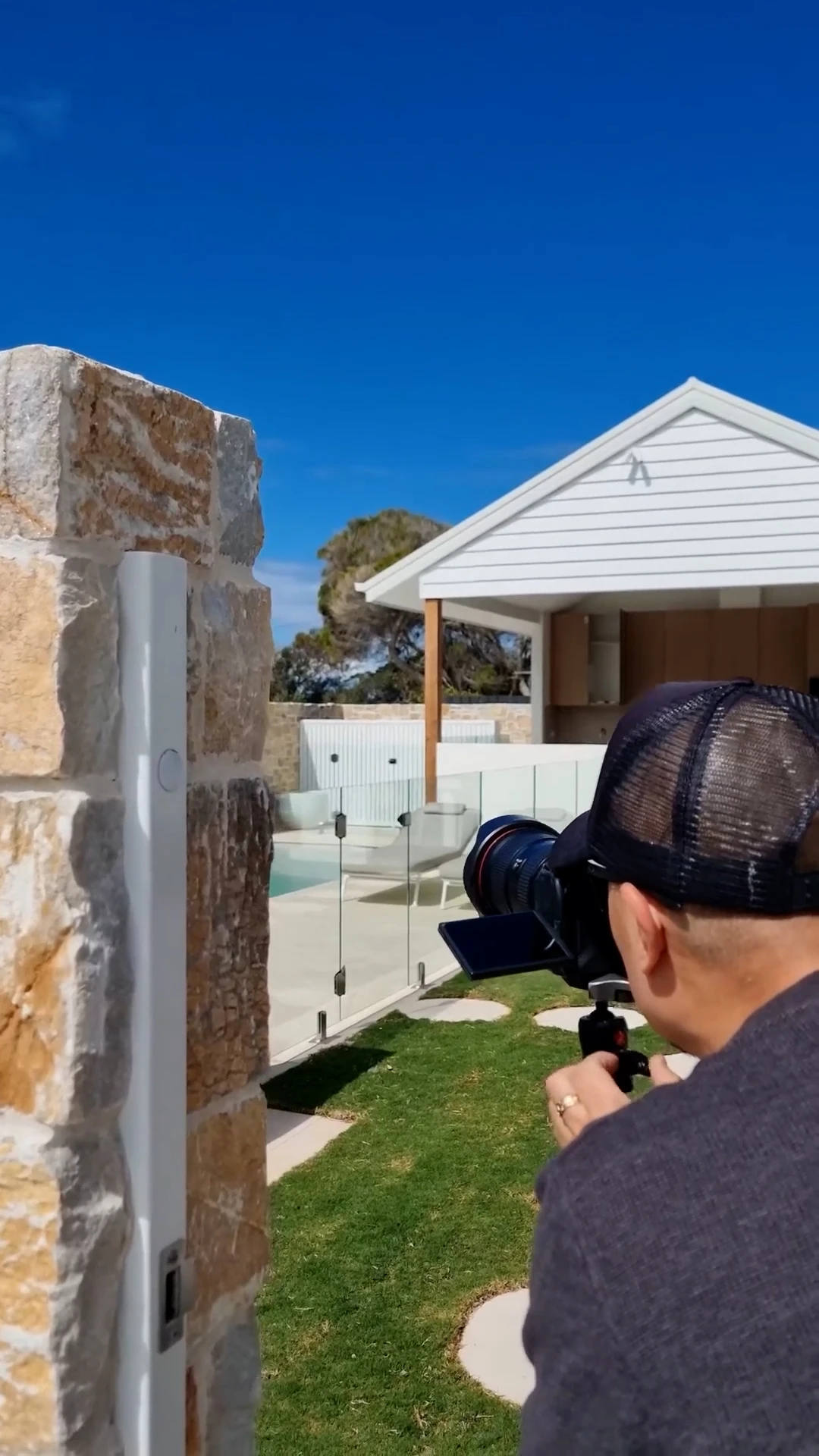
Behind the scenes on an Atlanta-area shoot — every project we shoot becomes 6–10 organic assets the redesigned site can plug into.
Six questions before you hire any Atlanta agency to rebuild your site.
Whether you’re talking to us, a Buckhead shop, or a national white-label outfit pitching you on Zoom — these six questions sort the design-only agencies from the conversion-first ones in about ten minutes.
“How many service pages will my site have at launch?”
If the answer is “one, with sections” — walk. Real contractor sites need 12 to 24 service-and-geo pages. Anything less is a brochure.
“What’s the mobile load time guarantee?”
Under 2.0 seconds is the bar. If they hedge or talk about “best practices” instead of a number, they don’t actually measure it.
“Show me a contractor site you redesigned with before-and-after lead numbers.”
Not before-and-after screenshots. Lead numbers. Real bookings. Real revenue. If they only have visual examples, that’s a red flag for a portfolio shop, not a conversion shop.
“Who writes the copy?”
If the answer is “we’ll work from your brief” — they don’t write copy. Copy is 70% of conversion. Don’t pay $20K for a designer to drop in your homepage paragraph from 2018.
“What do I own at the end?”
Site, code, hosting access, domain control, content, photos. If they “host it for you” with no export option, you’re renting a site forever.
“How do you handle service-area cities?”
Atlanta isn’t one geo. Marietta, Smyrna, Roswell, Johns Creek, East Cobb all have separate intent. The right answer is “individual page per city.” Anything else is leaving money on the table.
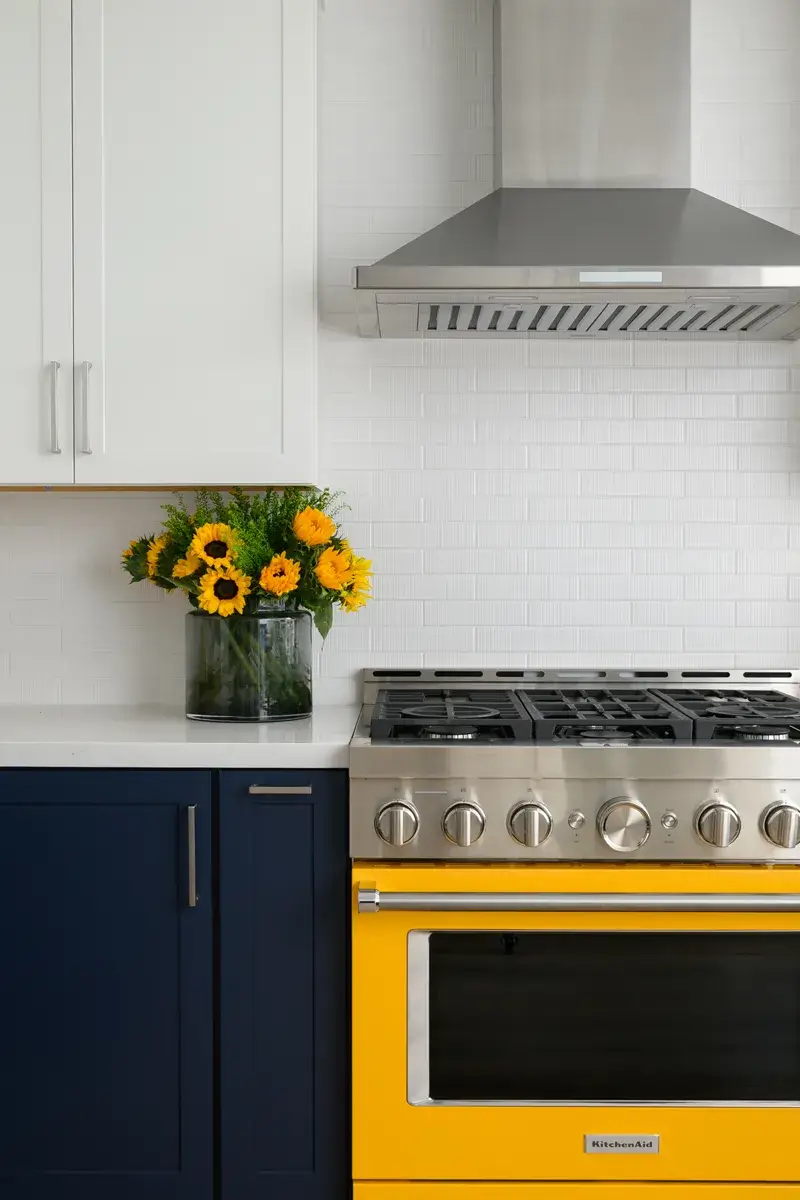
A finished basement build like this is the kind of project page that drives 60% of the inbound traffic on a well-built contractor site.
What Atlanta contractors keep asking us about web design.
Most of the time the existing site can be saved with a conversion overlay — about 40% of the cost of a full rebuild. The exceptions are sites built on dead platforms (Wix, ancient WordPress themes) or sites with a domain authority too low to be worth keeping. We tell you in the audit which path makes sense, with the math.
Conversion overlay on an existing site: 4 to 6 weeks. Full rebuild: 8 to 12 weeks depending on how much new copy and photography we have to produce. We never push a contractor into a faster timeline than that — anything quicker means we’re cutting copy or service-page depth, and that’s where the conversion lives.
Range we charge for a full rebuild is $14K–$28K depending on scope, photography, and how many service-and-geo pages you need. Conversion overlay on an existing site is $6K–$11K. We’re not the cheapest in Atlanta and we’re not the most expensive. We’re the ones whose deliverable is “the phone rings more” instead of “the site looks pretty.”
WordPress 95% of the time. We build on a clean, fast theme stack with Elementor when contractors want to edit pages themselves, or with custom blocks when they don’t. We don’t push Webflow because most contractor teams can’t maintain it without paying us forever — and we’d rather you own the site than rent it back from us.
We handle both. The site is the conversion floor — without traffic feeding it, it’s a beautiful empty room. Most of our contractor clients book us for the full funnel: site, SEO, paid, content. About a quarter book just the build and run their own funnel after, which works fine if they have an in-house marketer.
Stop wondering why your $24K Atlanta website doesn’t ring.
If you want a 30-minute call where we audit your current contractor site against the five-fix conversion stack — and tell you exactly which pages are leaking — that’s free. We do a few of these a week with contractors across the broader North Atlanta corridor.