Lead generation for custom home builders in Milton, decoded.
The hidden cost of buying “luxury home builder” leads in Milton isn’t the per-click price. It’s the $4.2M estate inquiry you never see because it never made it to a paid funnel in the first place. Here’s where Manor and Birmingham corridor work actually originates — and what it costs to be the firm it routes to.
You’re optimizing the wrong funnel for the wrong buyer.
Here’s the thing. Most custom home builders we talk to in Milton are running a lead generation playbook copied from upper-middle custom builders in Roswell, Cumming, or Suwanee. Google Ads on “custom home builder near me.” Houzz Pro listing. A few thousand a month on Facebook lookalikes. A Houzz directory bid for “luxury home builders Milton.” Maybe a Yelp Spotlight ad they forgot to cancel.
The cost-per-click numbers are brutal — $260 to $420 for a single click on a Milton-targeted term. But that’s not the hidden cost. The hidden cost is that the $4M-and-up Manor estate buyer you actually want is not in this funnel at all. She is not Googling “custom home builder Milton.” She is asking her interior designer who built the Anthony Catalfano house in Crooked Creek. She is asking her architect who he respects in this market. She is asking her neighbor at White Columns who built their pool house addition.
Real talk: paid lead generation in Milton acquires builder-curious upper-middle buyers. The $1.8M to $2.6M custom build, mostly from Cherokee or south Forsyth families relocating in. That’s a fine business. It is not the Milton estate market. The estate market lives in a referral graph that paid spend cannot enter. Most agencies do not understand this distinction and waste $90K a year proving it.
The custom builders booked through 2027 in Milton are not running better Google Ads. They built a referral engine across architects, interior designers, landscape architects, and current clients in The Manor and White Columns. Paid spend is the smallest line in their marketing budget — it’s just there to catch the relocating buyer who hasn’t built a network yet.
The good news? The referral engine isn’t a mystery and it isn’t reserved for legacy builders. It’s a 12-month build that compounds for a decade. The rest of this guide breaks it down channel by channel.
Paid lead funnel vs. an architect-led referral engine
Same monthly investment. Wildly different inquiry profile by year two.
| What you’re buying | Paid lead funnel (Houzz / Google / Meta) | Architect-led referral engine (what we build) |
|---|---|---|
| Cost per click / outreach | $260–$420 per Milton-geo click | $0 per referral; ~$2K–$4K per architect relationship/year |
| Average inquiry build budget | $1.6M–$2.6M | $3.8M–$9M+ |
| Close rate | 4–7% on a strong quarter | 32–48% once warm |
| Decision cycle from first touch | 9–14 months | 4–7 months (referrer pre-sells) |
| What happens if you stop spending | Inquiries drop to zero in 30 days | Referrals continue 18–36 months on momentum |
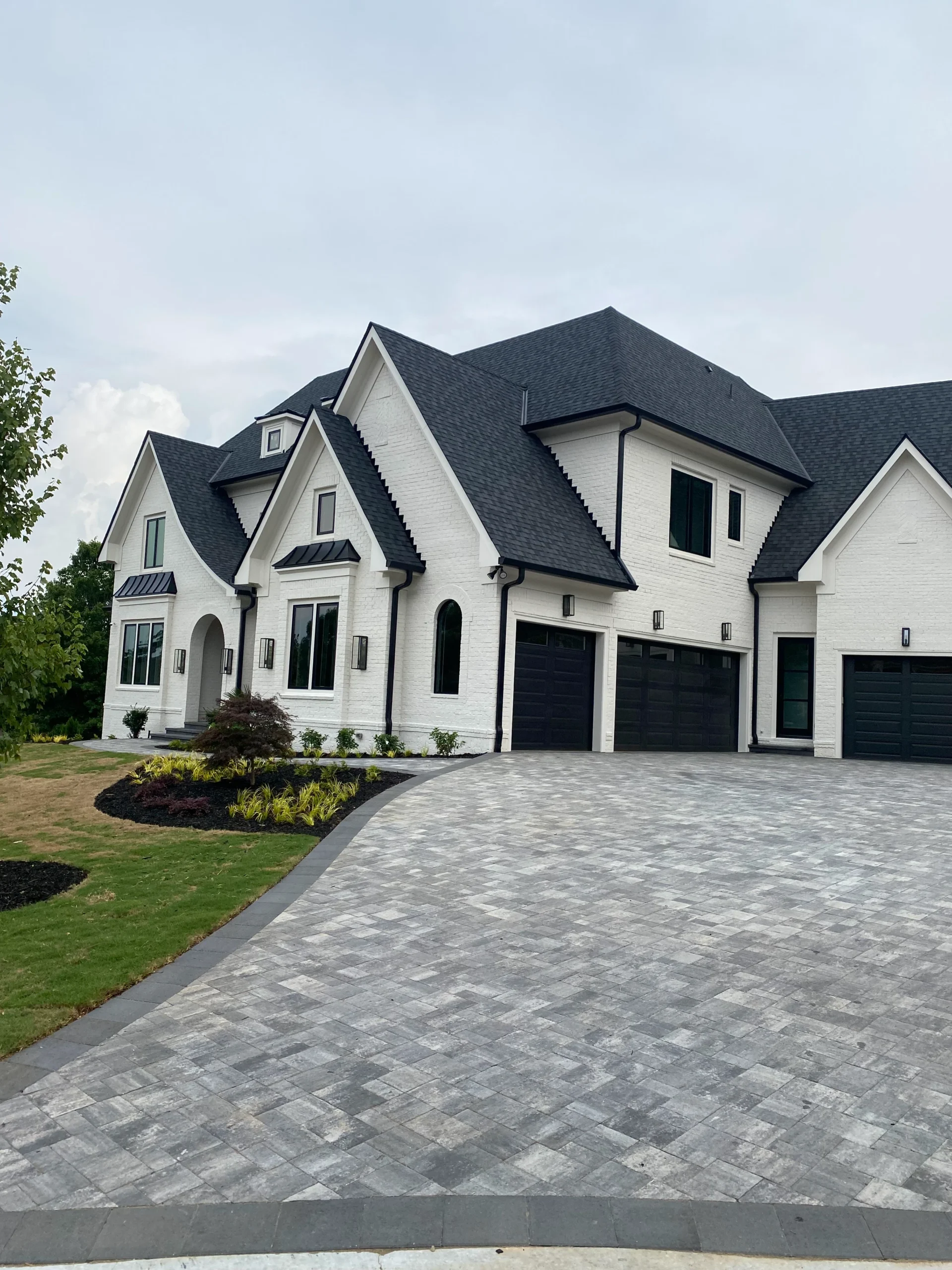
A completed Manor build — every signed Milton estate becomes a 5-year referral source if the marketing is structured correctly.
Stop counting leads. Start counting peer relationships.
You’ve probably been told the answer is “more leads at a lower CPL.” More targeting precision on Meta. Better landing pages. A retargeting drip campaign. The pitch is always the same — funnel optimization, on a paid funnel, for a market that does not buy through paid funnels.
That entire framing is wrong for Milton. The right framing is peer relationships. Specifically — how many architects of record on completed estate-scale projects in The Manor, White Columns, Crooked Creek, and the Birmingham/Hopewell corridor know your firm well enough to put you on their three-builder shortlist when a client asks. That number — let’s call it your peer count — is the only Milton lead generation metric that compounds.
Here’s what the firms winning The Manor and the Birmingham Highway equestrian corridor do differently. They invest in 30 to 60 named architect, designer, and landscape-architect relationships. Quarterly reviews. Joint site visits. Co-branded portfolio pieces. Reciprocal referrals. Each relationship is worth roughly one referred inquiry per year at $4M-plus average build budget. Forty active relationships becomes forty pre-sold inquiries — none of which appear in any analytics dashboard.
The Milton custom builders who never advertise are not magic. They have a relationship graph of 50 architects and designers that took ten years to build — and now produces every project they sign.— A North Fulton architect describing how Milton estate work actually moves
That doesn’t mean digital is dead in Milton. The site still has to exist for due diligence. Local SEO still has to capture the architect Googling your firm name after a client mentions you. Paid spend can still catch a relocating Cambridge-zone buyer who hasn’t built a network. But those are support systems for the referral engine — not replacements for it. Treat them as primary and you stay stuck in $1.8M-build land while the firm down the road quietly closes the $7M Manor work.
Four channels. Wired together. That’s the whole engine.
Every custom builder we’ve worked with in the Milton corridor wins or loses on the same four channels. Three of them are relationship-led. One is digital infrastructure. Skip any one and the engine stalls.
The full lead generation engine for a Milton custom builder.
None work alone. The architect channel without site infrastructure dies on due diligence. SEO without referral feed never sees the $5M inquiries. The whole thing has to fire together to compound.
Architect & interior designer relationship graph.
30–60 named relationships. Quarterly check-ins. Joint site walks on completed projects. Co-branded portfolio pieces. Reciprocal-only referrals — never one-way. We map the firms with the most Milton estate work, build a 12-month outreach calendar, and treat each relationship like a sales account, not a network contact. Most builders treat this as casual — the firms who systematize it own the Milton estate lead generation conversation for a generation.
Past-client advocacy program.
Every signed Manor or White Columns build becomes a 5-year referral source. Quarterly home walk-throughs, anniversary follow-ups, a private homeowner-only annual dinner. One Milton client introduces 1.4 peer-level inquiries per year on average.
Hyperlocal search infrastructure.
Ranking for “custom home builder Milton,” “estate builder The Manor,” “Birmingham Highway custom build.” Not for the click — for the due-diligence search after an architect mentions your name.
Editorial PR & magazine placement.
One feature in Atlanta Magazine HOME, Veranda, or Southern Living per year. Two to three placements in regional architecture publications. Not for the immediate lead — for the credibility a Manor buyer’s interior designer feels when she Googles your firm and sees the byline. This is the channel paid spend cannot replicate at any budget.
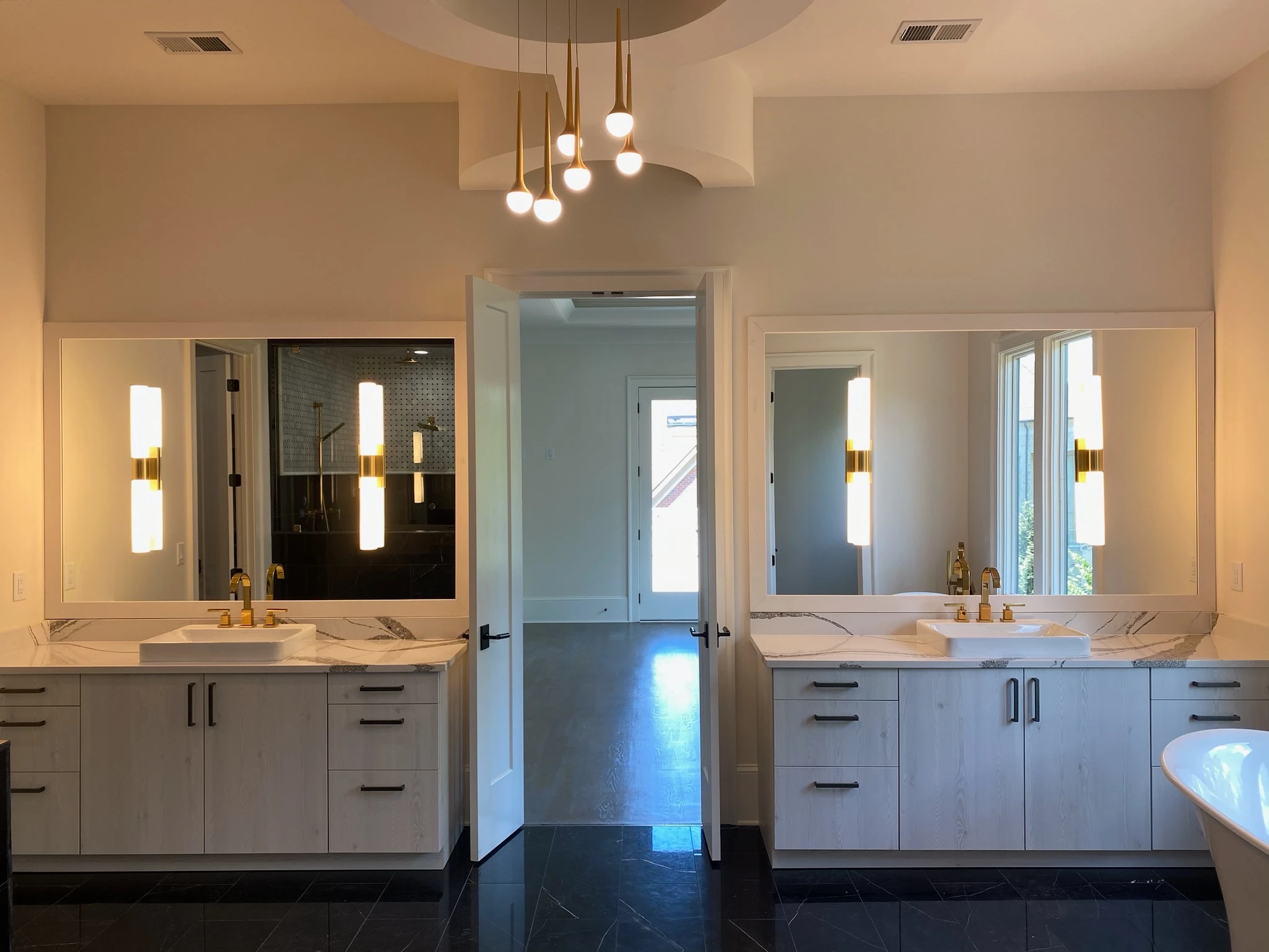
An estate facade off Hopewell Road — the project that becomes year 1 of an architect’s referral memory.
How we run a Milton custom builder lead engagement.
Map the relationship graph
We pull the architect and interior designer of record on every completed Manor, White Columns, and Birmingham corridor project from the last 5 years. Build a target list of 60 firms. Identify which 30 are realistically reachable and which 30 are stretch.
Build the outreach engine
Architect-grade portfolio pieces, joint site walk calendar, quarterly check-in cadence, reciprocal referral protocol. Plus the digital infrastructure — site, local SEO, Google Business Profile — that survives the due-diligence Google search.
Compound
By month 9, you’re seeing your first warm architect referrals. By month 18, your editorial placements have started routing inbound press inquiries. By month 30, paid spend is optional — referrals carry the pipeline and you can be selective about which estate projects you take.
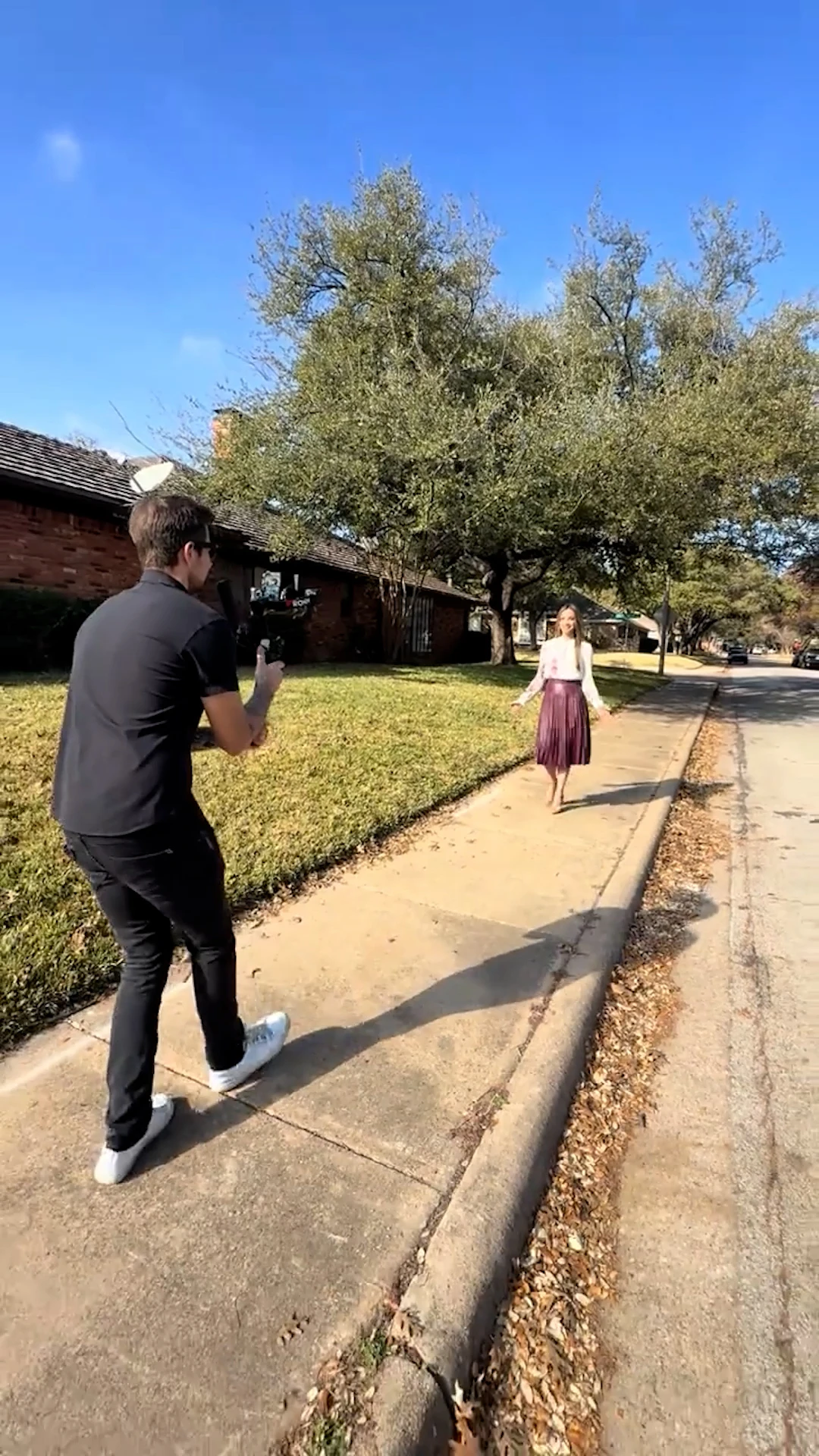
Behind the scenes of a content shoot at a Milton estate — the assets that feed both editorial PR and the architect portfolio piece.
The White Columns builder who turned off Houzz Pro.
A 12-year custom builder with a strong portfolio across White Columns, Crooked Creek, and the Cogburn Road equestrian corridor was spending $11,400 a month — Houzz Pro at $2,800, Google Ads at $6,200, and Meta at $2,400 — and closing about 1.2 estate builds per year averaging $2.4M. We killed Houzz Pro entirely on day one. Built a 38-architect outreach calendar across Atlanta, Roswell, and Buckhead. Placed two editorial features in regional architecture press. By month 17 he’d signed a $9.2M Manor build referred by an Atlanta architect, three additional $4M-and-up estate builds were in design, and his cost-per-acquired estate had dropped from $94K to $11,200.
Architect-referred Milton estate inquiries, month over month.
Architect referrals don’t decay. A relationship built in year 1 still routes inquiries in year 6. Paid spend produces zero leads the day you stop. That’s the entire compounding asymmetry.
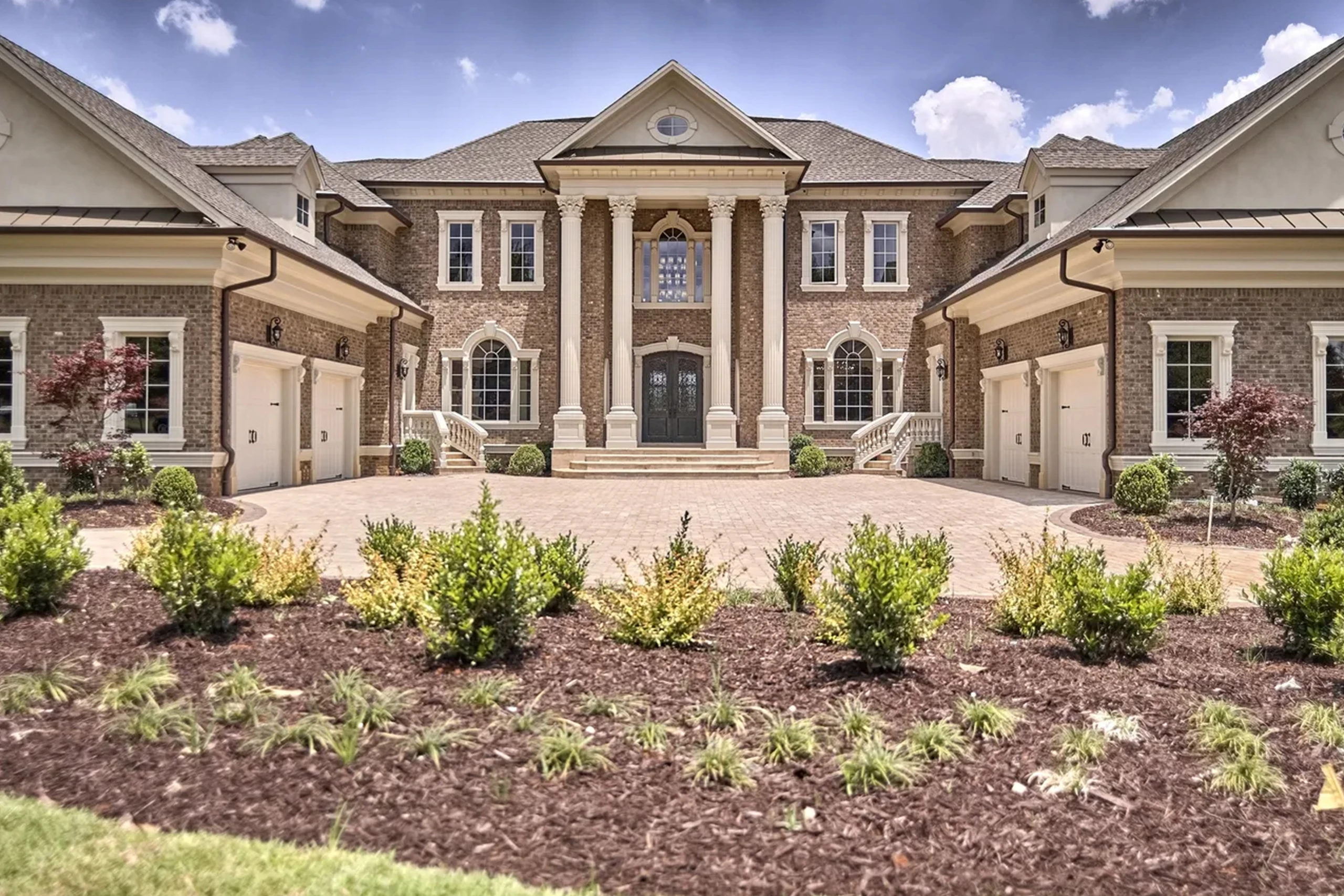
Detail work that takes months — the kind of craftsmanship an interior designer remembers when her next client asks who built the house off Bethany Bend.
Six questions every Milton builder should ask a lead-gen agency.
Whether you’re talking to us, a national luxury agency, or a North Atlanta generalist — these six surface 90% of what matters at the Milton estate price point.
“How many architect relationships have you built for a builder client?”
If the answer is “we don’t, that’s not what agencies do” — they’re not equipped for this market. Walk.
“Can you show me a builder you took from $2M to $5M average build?”
Not “more leads.” Average build value. The whole point of the Milton playbook is moving up-market, not adding lead volume.
“What’s your approach to editorial PR for builders?”
If they say “we don’t do PR” or “we’ll outsource that” — they don’t understand the channel. Editorial credibility is half of why architects refer.
“How do you handle exclusivity in this geo?”
Right answer: one custom builder per geo, signed exclusivity. Anything else means they’re competing with themselves on every Manor inquiry.
“What’s the realistic ramp on architect-referred inquiries?”
Anything under 9 months is a fantasy. Real ramp is 9–18 months for first warm referrals, 24+ months for the engine to be self-sustaining.
“How do you measure success that isn’t ‘leads’?”
Architect meetings booked, editorial features placed, peer-builder mentions, average inquiry budget. If their dashboard only shows lead count, they’re optimizing the wrong number for this market.
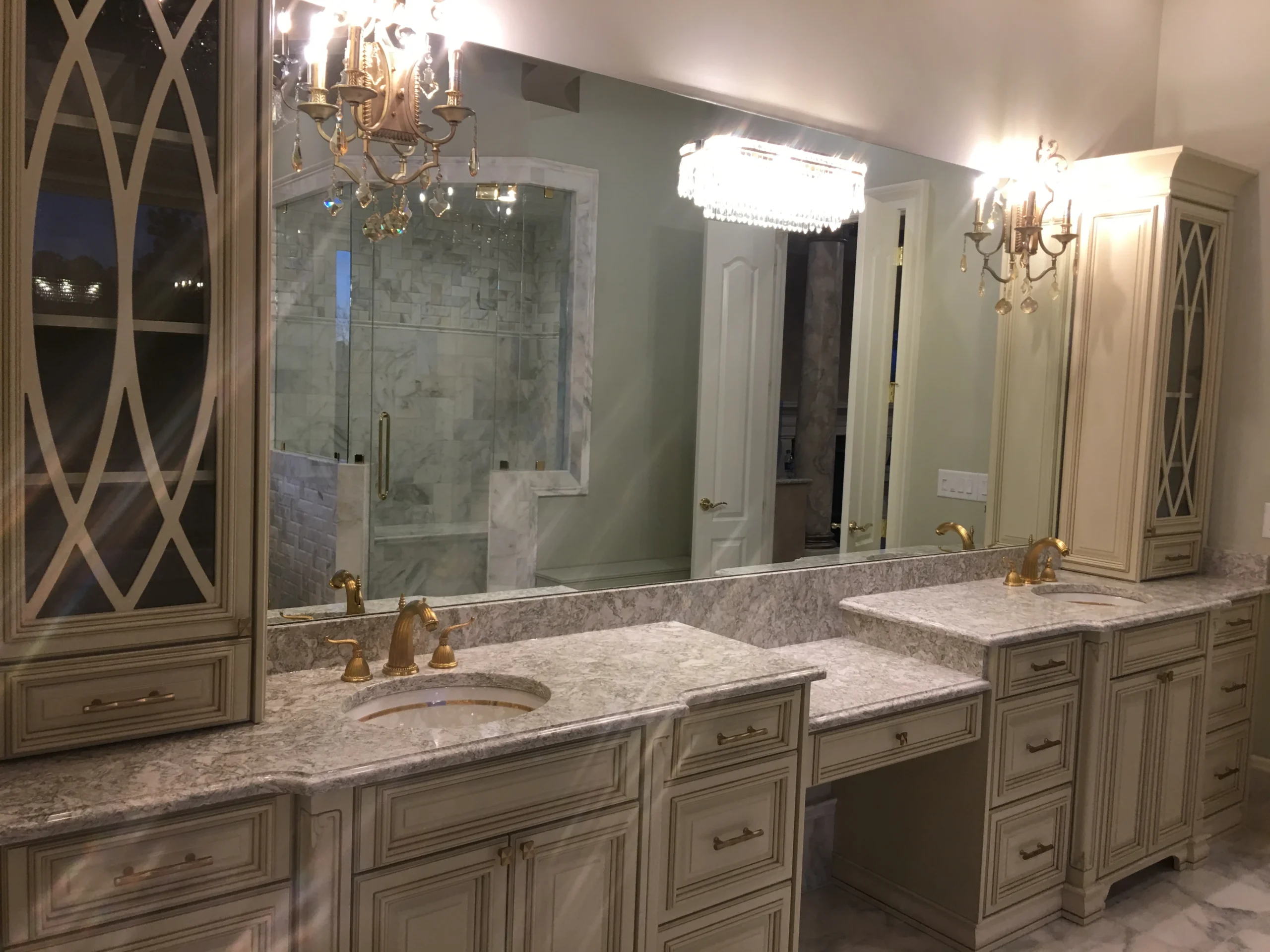
An estate completion in The Manor — the kind of project that produces 4–6 architect referrals over the next 5 years if marketing is structured around it.
What Milton custom builders keep asking us.
Honest range is 6–11 months from program start. We see warm introductions inside the first 90 days, but those tend to be exploratory — the first signed estate from a new architect relationship typically lands in month 9–14. Anyone promising your first referred estate inside the first 60 days has not actually built one of these engines.
The math at this price point is different from upper-middle custom. Working range we see is 1.4–2.6% of revenue for established Milton estate firms doing $20M–$80M annual volume. That covers agency fees, editorial PR retainer, architect outreach budget, content commissioning, and digital infrastructure. The percentages look small because the deals are large — one $7M signed estate funds the entire year of marketing.
Eventually yes, but not on day one. Keep them on a small budget for the first 90 days to catch the relocating buyer who hasn’t built a network. By month 9 most of our Milton clients have cut paid spend by 70% because architect referrals are filling the pipeline, and by month 18 they’ve often killed Houzz Pro entirely.
No. One custom builder per city, per geo, hard rule. We will not run lead generation for two builders in Milton at the same time. That conflict-of-interest line is non-negotiable — it’s the whole reason we can promise architect-graph dominance to the firms targeting the Milton estate market.
The strategy still works but the ramp is longer. We anchor the architect outreach on whatever Milton work you’ve completed plus your strongest peer-level work in Johns Creek, Alpharetta, and Cumming. Architects evaluate craftsmanship, not zip code, but they want to see direction. Two completed Manor or White Columns projects is enough to start; three to four makes the case much faster.
Imagine three architects of record sending Manor work to you next year — without ever buying another Houzz click.
If you want a 30-minute call where we map your current architect graph, audit the top three Milton custom builder sites, and tell you which 12 firms you should be courting first — that’s free. We do a few of these a week with builders across our regional guide on home services marketing in North Atlanta.
Ready to turn searches into booked jobs?
Viral Spark is a custom builder lead generation partner built for North Atlanta contractors. We pair websites built to book jobs with SEO that books jobs so the right customers find you first — no lead-buying. Get a free game plan →