New Year reset — January is the right month to rebuild your site.
Every January in Atlanta, the phone is quiet, the crew is slow, and the website is the same one from three springs ago. The window won’t get cleaner. This is when the rebuild has to happen.
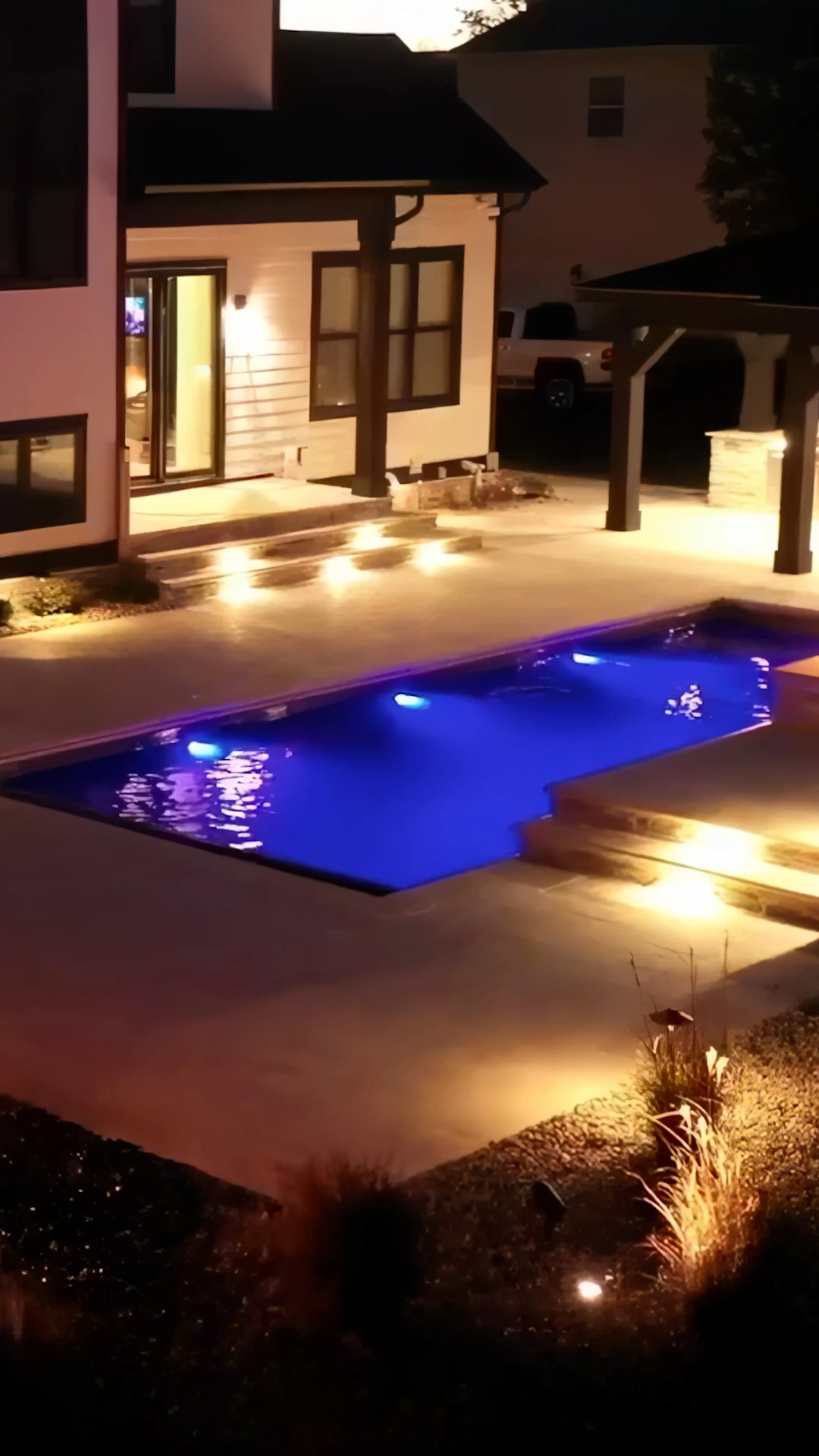
Every January in Atlanta, contractors realize the same thing.
Here’s the thing. Every January in this town plays out the same way for contractor owners. The holidays are over. The new-year energy is real. You’re sitting in your office on January 6 looking at the year ahead — and you load up your own website on your phone for the first time in months. It looks tired. Slow. The phone number is still wrong on one page. The portfolio hasn’t been updated since 2024. The contact form went to a Gmail account that now bounces.
You’ve probably had that exact moment. Every January, the same realization. “This website doesn’t represent the business anymore.” And every January, the same delay — “I’ll rebuild it after Q1, once the busy season is over.” Then April hits, the crew is slammed, and the rebuild gets pushed to “after summer.” Then fall hits and you’re back in October pre-launch mode for HVAC or pool wind-down.
Real talk: the perfect month to rebuild a contractor website is January. The phone is quiet enough that you can actually review and respond. The crew is slow enough that you can pull two team members for content interviews. The 42-day build window fits cleanly between January 6 and mid-February — done before the spring buying intent ramps up.
A website rebuild that launches mid-February captures the entire Q1+Q2 buying ramp. A rebuild that launches in May misses the front half of the spring season entirely. The math difference, for most contractors: $60K–$180K in revenue lift across the buying season.
The good news? January is the only month all year when the build window, the team availability, and the buying-season timing all align. Skip it and the rebuild slides another full year. Let me tell you what actually works.
January rebuild vs. “after summer” rebuild
Same scope. Same cost. Wildly different ROI.
| What the rebuild looks like | “After summer” rebuild | January rebuild |
|---|---|---|
| Build start | September, after season ends | First week of January |
| Launch date | October–November | Mid-February |
| Owner availability for content | Zero — booked through October | High — January is quiet |
| Captures spring ramp | No — misses peak buyer intent | Yes — entire Q2 buying season |
| Revenue impact, Year 1 | $0–$25K (post-season launch) | $80K–$240K (full season) |

January is the only month an owner can actually engage with a website rebuild — and the only month the timing lines up with the buying ramp.
Stop waiting for the slow season. The slow season is January.
You’ve probably been told to wait for the “slow season” to rebuild — late fall, after the busy months. That’s wrong for two reasons.
First, late fall isn’t actually slow for most contractors. October is HVAC peak. November is hardscape wrap-up. December is consultation season for spring builds. You aren’t slow until January.
Second, even if you did rebuild in October or November, the launch lands during the lowest buyer-intent period of the entire year. A site that launches in November sits dormant for four months before spring intent ramps up. That’s four months of zero ROI plus the missing four months of the previous site’s residual traffic. Net effect: you paid for the rebuild and got zero return until April.
The wrong month to rebuild a contractor site is the month you have free time. The right month is the month that lines up with your buyer ramp. For Atlanta contractors, that’s January, every year, forever.— What 38+ contractor site-rebuild engagements have taught us
This is the same logic that says home remodelers shouldn’t push their marketing in November-December for spring projects — the buyer attention isn’t there yet. The website rebuild has to be done before the attention shows up. January build, February launch, March-through-September lift. Clean math.
Three reasons January is non-negotiable for the rebuild.
If you’ve been pushing the rebuild for two years, here’s why January is the year you actually do it.
The January contractor rebuild stack.
This is exactly how we structure January web design rebuilds for the contractors we work with. Six weeks, three phases, launched by mid-February.
Owner time exists in January, nowhere else.
A real rebuild needs 5–8 hours of owner time across the project — content review, brand voice approval, copy edits, image selection, final sign-off. The only month an owner actually has those hours is January. February gets busier. March is the spring ramp. By April, the owner is unreachable. Rebuilds that try to happen in non-January months stall on owner-approval bottlenecks 70% of the time. We won’t even start a contractor rebuild between April and September anymore — because we’ve watched too many of them die at the approval stage.
The buying ramp is right behind the launch.
February 15 launch + March buyer intent = the new site captures 100% of the spring buying season. Any later launch leaves money on the table.
The crew is available for content shoots.
January is the only month techs and crew can sit for portrait shoots, on-camera interviews, and project storytelling. By April they’re booked, distracted, and resistant.
Owner time + buying ramp + crew availability = once-a-year alignment.
All three windows only line up in January. The owner has hours. The crew has bandwidth. The buying season is right around the corner. Miss January and you push the rebuild a full year. The 2.7x conversion lift on a properly built site means a $25K rebuild in January often returns $150K+ in directly attributable Year 1 revenue.
January crew portraits — the same content that’s impossible to shoot in May.
How we run a January-to-February contractor rebuild.
Week 1–2: Discovery + brand
Owner interview, brand voice work, competitive audit of the top 5 ranking contractors in the city. Crew portraits and project shoots scheduled and completed in week 2. Sitemap and content outline approved by end of week 2.
Week 3–4: Design + copy
Homepage and key service-page designs delivered. Copy written and reviewed. Brand-voice copy revisions completed. Owner approves the design direction on Friday of week 4 — single approval gate.
Week 5–6: Build, QA, launch
Full build of all pages. Mobile QA, speed testing, SEO migration mapping. Launch lands the second week of February. Spring traffic ramps starting first week of March on a site built for conversion.

The 6-week build cycle that fits cleanly between January 6 and mid-February.
The Alpharetta hardscape shop that rebuilt in January and unlocked a 3x spring.
A six-year hardscape company serving Alpharetta and Milton had a website built in 2022 that was steadily losing conversion rate every quarter. They started the rebuild conversation in October but pushed it three times — “we’ll do it after season ends.” January 6th they finally committed. Brand work week one, crew portraits week two, design week three, build through week five, launch on February 14. By April 1, inbound form submissions up 214% over the same period the prior year. By June, signed-project revenue was running at $4,200/day of incremental lift versus the prior year. Total Year 1 attributable revenue from the rebuild: $487,000. Build cost: $28,500.
Weekly form submissions, post-launch vs. prior year baseline.
The post-launch ramp aligns perfectly with the spring buying ramp. That’s the whole point of January-February timing.

Behind the scenes — January build cycle for an Alpharetta contractor.
Six things to nail before you start a January contractor rebuild.
Get these locked before week one and the 6-week timeline holds. Skip any and the launch slips into March — which kills the whole point.
Contract by December 22
Signed scope before the holidays so week one of January is actual production, not discovery delay.
Owner reserves 6 hours, total
Block the calendar. The rebuild only works if the owner can actually be available for content, approvals, and brand-voice reviews.
Crew portrait shoot in week 2
The crew is around in January. By April they’re not. Get the portraits in the bag while you can.
Single approval gate, end of week 4
One sign-off on design direction. Don’t death-march design through 11 revision rounds — the timeline can’t absorb it.
Map SEO migration ahead of launch
301 redirects for every existing URL. Don’t lose 6 years of rankings to a sloppy migration on launch day.
Launch by Valentine’s Day, no exceptions
Mid-February or you’ve missed the point. Hold the deadline. Skip non-critical features that would push the date.

A mid-February launch catches the entire spring ramp — the whole reason the timing matters.
What North Atlanta contractor owners keep asking about January rebuilds.
“Functional” and “converting” are two different things. If your site is 3+ years old, the design language has aged out, mobile speeds have fallen behind the new Core Web Vitals standards, and conversion rate has steadily eroded as buyer expectations have raised. The honest test: pull up your site on your phone in front of a friend and ask “would you book a $30K project from this?” Their face tells you everything.
Working range for a properly built North Atlanta contractor site is $15K–$45K, depending on page count, content production needs, and feature complexity. Hardscape and pool builders typically land in the $25K–$40K range. HVAC and home services in the $15K–$28K range. Anything under $10K is a template flip, not a real rebuild.
Only if it’s done sloppily. A clean rebuild includes a full URL migration map with 301 redirects from every old URL to the new equivalent, plus a sitemap submission to Google the day of launch. Done right, rankings hold within 7–14 days. Done wrong, you can lose 6 years of authority. This is the part you don’t cut corners on.
Yes — paid ads should stay active during the rebuild. We point them at temporary landing pages in January, then redirect to the new site after launch. Organic traffic flows to the old site until launch day. There’s no marketing pause — the old site keeps running until the new one replaces it.
One contractor per city per niche, full stop. We will not rebuild two pool-builder sites in Alpharetta or two hardscape sites in Milton at the same time. That conflict-of-interest line is non-negotiable — it’s the whole reason we can promise category dominance.
Want a contractor site rebuilt and launched by Valentine’s Day?
If your site is 3+ years old and you’ve been pushing the rebuild for two years, this is the window. We do 6-week contractor rebuilds starting the first week of January, launched mid-February, in time for the spring ramp. Free 30-minute scoping call with contractors across North Atlanta.