Year-end tax moves — a marketing spend refresher.
Every December in Atlanta, contractor owners realize the tax bill is bigger than they planned for. Marketing spend is one of the cleanest deductions left — if you actually deploy it, not just talk about it.

Every December, the same scramble — and the same missed lever.
Here’s the thing. Every December in Atlanta, the same conversation plays out between contractor owners and their CPAs. “Profit is up. Tax bill is up. We need to spend something deductible before December 31 or we hand it all to the government.” The default move is usually new trucks or equipment. Sometimes a bonus to the team. Occasionally a flashy purchase that “feels” like a business deduction.
You’ve probably had that same call. Maybe two weeks ago. And the marketing-spend lever almost never comes up — even though it’s one of the cleanest, most flexible, most ROI-driven deductions a contractor has access to.
Real talk: I’m not a CPA. None of this is tax advice. But marketing spend is fully deductible as an ordinary business expense in the year it’s incurred. If your shop is going to net $250K+ in profit and you’re staring down a six-figure tax bill, deploying $20K–$50K of pre-paid marketing into 2026 campaigns shifts that cash from “taxed at 37%” to “compounding into next year’s pipeline.” That’s a real choice — not just a tax trick.
The contractors winning this play in Roswell, Alpharetta, Marietta, and Suwanee aren’t waiting until December 28 to figure it out. They have a deploy-by-Dec-31 plan built by mid-November — typically pre-paid annual ad commitments, content production, video shoots, or website rebuilds that hit the books in the current year but produce in the new one. The cash flows out at 63 cents on the dollar after the tax shield.
The good news? You don’t need to invent the spend. You need to surface the marketing investments you were already going to make in Q1 and pull them into the current year. Let me tell you what actually works.
Last-minute panic vs. planned marketing acceleration
Same tax bill. Completely different return on the spend.
| What you deduct with | Last-minute panic spend | Planned marketing acceleration |
|---|---|---|
| Common move | New truck nobody needs yet | Pre-paid Q1 ad spend + content production |
| Cash impact | Asset depreciates immediately | Marketing compounds into Q1 revenue |
| Tax shield | Section 179 (capped, conditional) | Ordinary deduction, fully expensed |
| Effective cost after tax | ~63% of sticker | ~63% of sticker — but also drives revenue |
| Q1 ROI | None — equipment sits | 3–6x return on marketing investment |

December marketing deployment is a year-end deduction that doubles as a Q1 revenue engine.
Stop buying trucks to dodge taxes. Pre-pay your 2026 pipeline.
You’ve probably been told (by every dealership in town) that the year-end Section 179 truck purchase is the classic small-business tax move. It can be — for shops that actually need another truck. For shops that don’t, it’s depreciating cash sitting in the parking lot.
The contractors I’ve seen run this best take a different angle. They look at their 2026 marketing plan in mid-November, identify the major Q1 investments — annual ad commitments, a full website rebuild, video production for the next year of content, an SEO content sprint — and pre-pay or contract them before December 31.
The result is the same tax deduction. But the cash also produces Q1 revenue at a 3–6x return on top of the tax shield. Net effect: the deduction costs you 63 cents on the dollar, and that 63 cents returns $1.89–$3.78 in booked revenue over the next 90 days. Hard to find a cleaner play.
The best year-end deduction isn’t the one that sits in your parking lot. It’s the one that’s already booked in next year’s pipeline before the new year starts.— What contractor CFOs and operators in North Atlanta keep telling us
This is exactly why the marketing-deploy-by-Dec-31 conversation has to happen in November, not late December. The work has to be contracted, invoiced, and reasonably “incurred” in the calendar year. A handshake on December 30 doesn’t count. A signed scope of work and a paid invoice on December 22 does.
Three year-end marketing deductions that double as Q1 revenue.
If you’re going to spend the money anyway in February or March, here are the three places to front-load it that produce the cleanest tax shield + Q1 return combo.
The year-end contractor marketing deduction stack.
This is exactly how we structure December deploys for clients who are profitable enough to need the deduction. Talk to your CPA before any of this — but here’s the structure.
Lock 6 months of ad spend at current rates.
Contract and pre-pay 4–6 months of 2026 paid-media spend in December. CPCs typically rise 12–18% between January and April every year — pre-paying at December rates locks in the lower cost. The full pre-paid amount is deductible in the current year, the campaigns deploy across Q1 and Q2, and the math works on both the tax side and the revenue side. We structure these annual commitments into every lead generation engagement we run for contractors over $1.5M in revenue.
Website rebuild contracted in December.
If your site is 3+ years old and you know you’re rebuilding in Q1 anyway, contract and invoice it in December. Site work scopes between $15K and $45K — perfect range for a year-end tax shield with real Q1 production return. The web design build happens in January and February.
Annual content + video production scope.
One scope of work for 12 months of video and photo production, contracted and invoiced in December. The shoots happen monthly through 2026. Deduction lands this year, content production lands next year.
Tax-deductible cash deployed once. Revenue compounded through 2026.
Pre-paid ads compound CPC savings + Q1 lead volume. The website rebuild compounds conversion rate on every visitor for the next 3 years. The video production scope compounds organic reach and trust through 12 months of content. Roughly $35K–$80K of total December deployment across these three categories, depending on shop size — and every dollar produces both a tax shield and a revenue return.

A December-contracted Q1 marketing scope is deductible this year and revenue-producing next year.
How we structure a year-end deploy with North Atlanta contractor clients.
November planning call
We sit down with the owner and the CPA. Map out what 2026 marketing investments are already planned. Identify which can move from Q1 into the current December for clean tax treatment.
Scope, contract, invoice (by Dec 15)
All scopes of work signed and invoiced by mid-December. Owner pays the invoices by December 31 from the business account. CPA confirms the deductions land in the current tax year.
Deploy across Q1 (Jan onward)
Pre-paid ads activate in early January. Website rebuild kicks off mid-January. Content production schedule begins second week of January. By end of Q1, the December deploy is producing the revenue that funds the rest of the year.

The November planning call with the CPA is the move that makes the December deploy work.
The Marietta remodeler who turned a tax bill into a 5x Q1 revenue lift.
A residential remodeler running about $3.4M in revenue out of Marietta was staring down a $147,000 federal tax bill in mid-November. CPA recommended either a new truck or “spending something.” We ran the planning call together. They contracted and invoiced $42,000 worth of 2026 marketing scope in December — pre-paid 5 months of paid media, full website rebuild, and an annual video production retainer. Tax shield: roughly $15,540 saved at the 37% marginal rate. Q1 deployment results, tracked clean: $214,000 in new signed remodel projects directly traceable to the campaigns. Net effect: $26,460 of “spent” cash returned $214,000 in booked revenue plus the tax shield.
Cumulative Q1 revenue from a December-contracted marketing scope.
The deploy compounds across Q1. The tax shield was just the entry ticket.
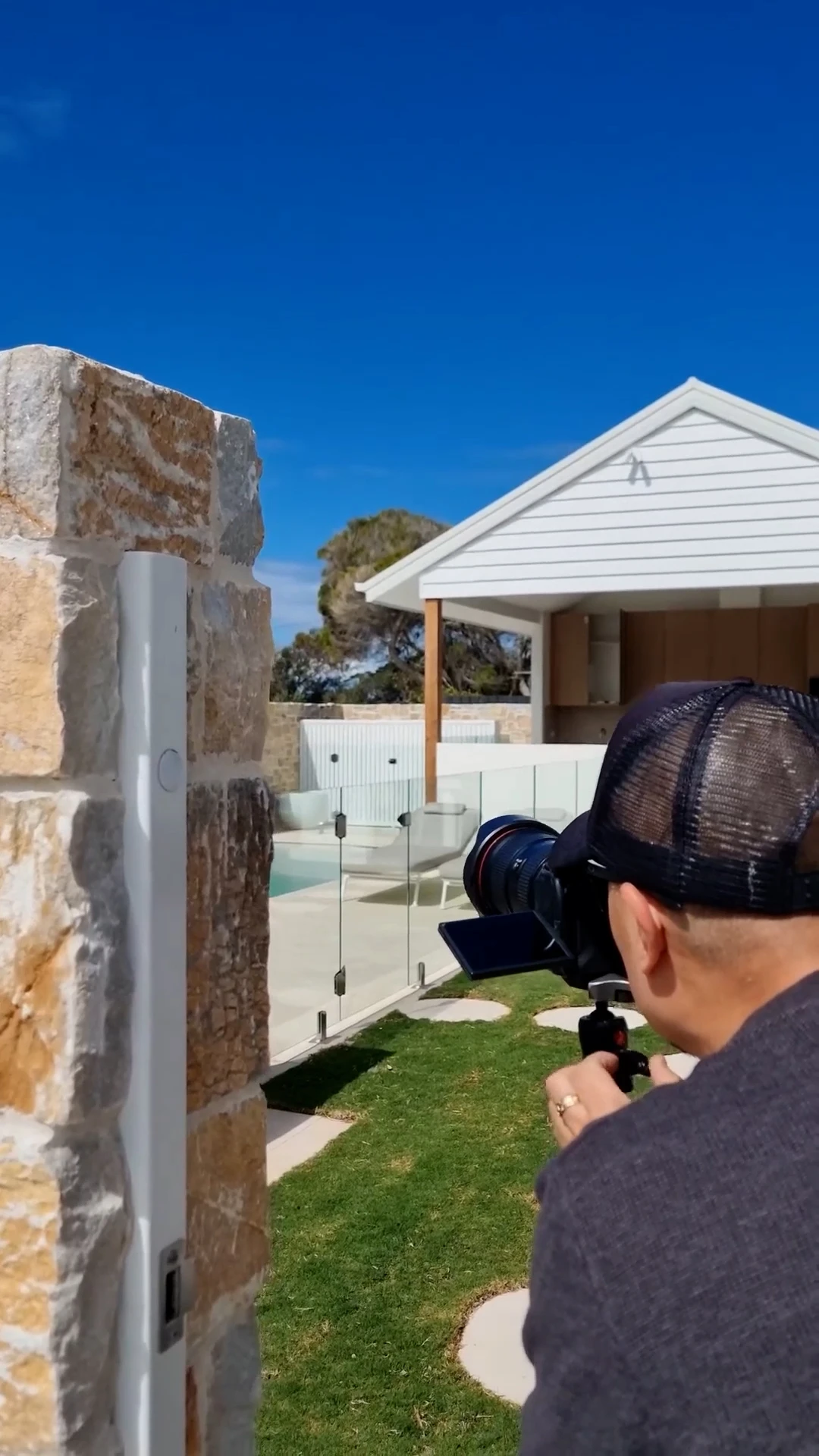
Behind the scenes — Q1 content production scoped and contracted in December.
Six rules for a year-end marketing deploy that actually shields tax.
Get any of these wrong and the deduction either doesn’t land cleanly or the spend doesn’t return Q1 revenue.
Loop in your CPA in November
Not December 28. Your CPA needs to confirm what counts as incurred-in-year for your specific entity structure before money moves.
Contract, invoice, and pay by December 31
Signed scope, dated invoice, paid from business account before year-end. A verbal yes on December 30 doesn’t satisfy the audit standard.
Tie spend to real 2026 plans
Don’t spend just to spend. Pre-pay the marketing you were already going to spend in Q1 anyway. The IRS scrutinizes shell deployments.
Document the scope clearly
Scope of work needs to detail what’s being delivered, by when, and at what unit cost. Vague invoices invite scrutiny.
Don’t over-deploy
Deploy enough to neutralize the tax pain without locking cash that you’ll actually need in February for payroll or material runs.
Plan the Q1 deployment calendar
The cash is committed. Make sure the campaigns, the rebuild, the content production all have real start dates locked before December closes.

Year-end is the only month a contractor owner can deploy cash that pays double — taxes and pipeline.
What North Atlanta contractor owners keep asking about year-end marketing spend.
No. None of this is tax advice. We’re a marketing agency, not a CPA. The decision to pre-pay marketing for tax purposes needs to be made with your CPA — they know your entity structure, your accounting method, and your specific tax situation. Our job is to make sure that if you do deploy, the campaigns actually produce Q1 revenue instead of sitting as a parked deduction.
Pre-paid marketing is treated like any other pre-paid business expense — there are rules around when it counts as “incurred” depending on your accounting method (cash vs. accrual). For most small contractor S-corps on a cash-basis method, paying the invoice in the current year for services to be rendered within the next 12 months is straightforward. Confirm with your CPA.
Different math for different shops. The deployment only makes sense if (a) you’d genuinely be spending the marketing money in Q1 anyway, and (b) the cash flow can absorb it now without breaking February operations. Don’t deploy purely to dodge tax if you’d be eating into operational cash. The tax shield is 37 cents on every dollar — if the dollar would have produced no revenue anyway, you’re better off paying the tax.
Yes — for existing clients on a retainer, we structure annual or semi-annual pre-pays in December if it makes tax sense for the owner. We don’t push it — it’s the owner’s call with their CPA. For new clients trying to onboard in late December specifically to capture the deduction, we’d want a clear Q1 deployment plan before signing.
For contractors with $1M–$3M in revenue, $15K–$25K of December marketing deployment is the typical sweet spot. Below that, the tax shield is small enough that simpler deductions probably cover it. Above $5M in revenue, the deploy often runs $40K–$100K depending on profit numbers and what major investments are planned for the new year.
Want a year-end deploy that doubles as your Q1 marketing engine?
If you’re profitable enough this year to need a real deduction and you’re already planning Q1 marketing spend, that’s the cleanest deploy we know. Want to walk through what it could look like for your shop? We do free 30-minute scoping calls for contractors across North Atlanta’s home services market.