How Atlanta landscapers should market during fall leaf-drop season.
As October hits in metro Atlanta and the leaves start coming down, the 6-week leaf-drop window becomes the highest-margin service window of the year for any landscaper. Recurring service contracts, cleanup-to-prep upsells, and the seeds of next-spring’s design pipeline — all in 42 days.
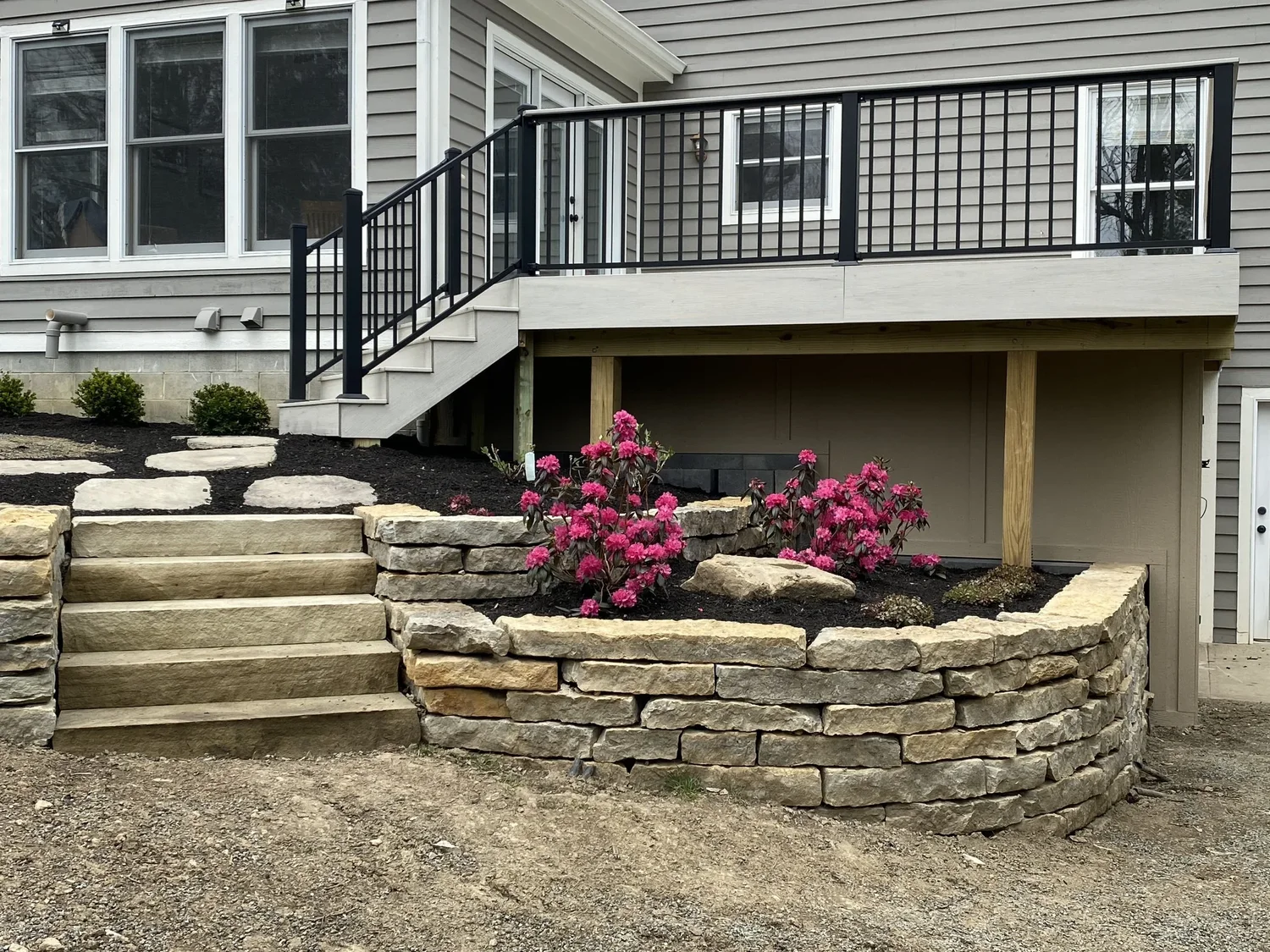
6 weeks of leaves are 6 weeks of recurring revenue most landscapers leave on the lawn.
Here’s the thing. Every fall in metro Atlanta, the same cascade kicks in. Second week of October, the first heavy drop hits in the older neighborhoods around Decatur and Sandy Springs. By mid-October it’s hit Roswell, Marietta, Alpharetta. By Halloween it’s everywhere from Cumming to Stockbridge. And homeowners go from tolerant of leaves to actively hating leaves in about 7 days flat.
And what most Atlanta landscapers do? They run their last mow-and-blow cycles, treat leaf cleanup as a one-and-done $300 charge, and let mid-November go quiet while waiting for spring quote requests. They never convert the cleanup customer into a recurring fall service. They never use the warm fall conversation to seed a spring design consult. They leave the highest-margin 42 days of the calendar half-used.
Real talk: the landscapers winning fall don’t see leaf cleanup as a service. They see it as the wedge into a 4-visit recurring fall package, a spring landscape design conversation, and a winter pre-emergent contract. One cleanup call becomes three recurring revenue lines if you run the conversation correctly. Most landscapers don’t.
The leaf-cleanup customer is the warmest residential prospect a landscaper sees all year. They called you. They handed you a credit card. They watched you work. Treating that as a one-time transaction is leaving $1,400–$3,200 of annual recurring revenue per customer on the table.
The good news? Three plays, one in-person script, one email sequence, one Meta ad layer. The whole upgrade ships in a single planning week. We’ll walk through it below.
One-and-done cleanup vs. recurring-package wedge.
Same Atlanta landscaping company, same cleanup volume. Different annual customer value by Memorial Day.
| Metric | One-and-done | Recurring wedge |
|---|---|---|
| Avg cleanup ticket | $427 | $487 |
| % who upgrade to 4-visit fall package | 0% | 34% |
| % who book spring design consult | 3% | 22% |
| Avg annual revenue per cleanup customer | $427 | $2,180 |
| Revenue uplift across 180 cleanups | baseline | +$314K annual |
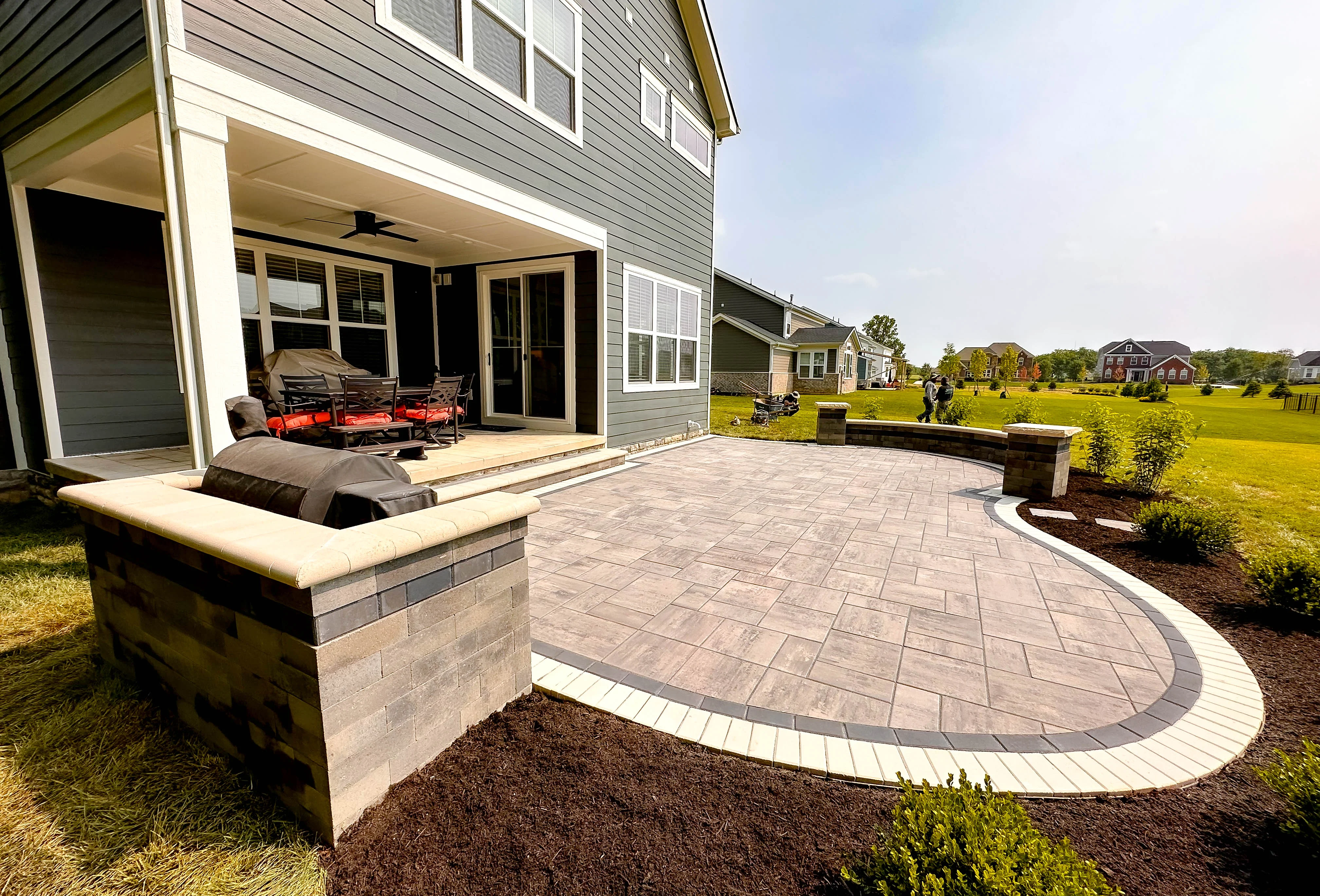
A mature Atlanta yard during fall — every cleanup visit here is a 3-year customer conversation, if you treat it that way.
Stop selling leaf cleanup. Sell the “fall yard package” the cleanup unlocks.
You’ve probably noticed the default fall landscaping ad in Atlanta — “Leaf cleanup, $349.” The homeowner clicks, books, the crew shows up, leaves a yard sign, drives away. Done. Margin is fine. Lifetime value is wasted.
The landscapers winning leaf-drop run a different offer. “4-visit fall yard package — leaves cleared every other week through Thanksgiving, plus a final winter prep.” Same crew, same trucks, same neighborhood routes. But instead of one $349 ticket, you’ve got a $1,180 package, the homeowner is locked in for 6 weeks, and the conversation about spring landscape design happens during visit #3 when they’re already part of the family.
Selling a one-time cleanup at full margin is fine. Selling the package that turns that cleanup into 3 visits, a winter contract, and a spring design consult is the actual job.— Pattern from 8 Atlanta landscaping accounts
The other play: route-density advertising. Run Meta ads geo-fenced to the specific zip codes where your existing customers already live. The crews are already going there. Adding one more cleanup on a route you’re running anyway carries near-zero marginal cost and 3x the margin of a one-off cleanup across town. Density compounds. Most landscapers never run their advertising this tight.
Three plays. 42 days. The highest-margin window of the landscaping year.
Built specifically for the metro Atlanta landscaping company that wants to stop running fall as a cleanup month and start running it as the recurring-revenue month.
Your leaf-drop revenue engine.
Each one runs across the same 42 days. None require new equipment. All compound through Q4.
The 4-visit fall yard package.
Reframe the cleanup as a package the first time anyone calls. “We don’t sell single cleanups in October — what we sell is the 4-visit fall yard package: 4 cleanup visits every other week, last one includes winter prep and bed mulch. $1,180 total, locked in.” 34% of homeowners who would have bought a single cleanup say yes to the package on the first call. Crew time per visit drops on routes 2–4 because the leaves are lighter. Margin per route hour climbs by 41%. The package also pre-warms the spring landscape design conversation that will become a $14K install. Lead generation that builds recurring revenue beats one-and-done margin all day long.
The route-density Meta ad.
Geo-fenced to the specific zip codes your crews already work. Costs you nothing extra to service a one-more-house route stop, and the cost-per-cleanup-booked drops by 60–70%.
The visit-3 design conversation.
Train every crew lead to ask one question during the third visit. “Would you ever want us to look at the front bed in spring?” That single question seeds 22% of fall packages into spring design consults.
The compounding effect of one fall.
The package converts the single-cleanup buyer into a 4-visit customer. The route-density ad fills the routes you’re already driving. The visit-3 design question seeds the spring design pipeline. Together they turn a typical 180-cleanup season into $314K of additional annual revenue across packages, spring designs, and the winter pre-emergent contracts that follow. That’s how Atlanta landscapers compound past $3M.
Aerial of a route mid-fall — route density is the secret weapon of every $3M+ Atlanta landscaping company.
How we run a leaf-drop revenue engine for an Atlanta landscaper.
Plan & train (late September)
Package pricing built. Phone scripts written. Route-density ad geo-fenced. Crew leads trained on the visit-3 question in a single 30-minute meeting.
Window launch (Oct 8)
Route-density Meta ad lights up. Inbound calls get the package script. Booking software shows the 4-visit calendar, not a one-off form.
Convert and seed (Oct 22 – Dec 1)
Packages run on schedule. Visit-3 conversations get logged in the CRM. Spring design consults get pre-booked for January and February. Winter pre-emergent contracts get added at visit 4.
The Alpharetta landscaper who turned 180 cleanups into $314K of new annual revenue.
A 7-year landscaping company serving Alpharetta, Milton, and Roswell was running fall as 180 one-off cleanups at $427 each — a $77K window, fine margin, zero compounding. We installed the 4-visit package script, the route-density Meta ad, and the visit-3 design conversation. Same fall, same crews, same neighborhoods. 61 customers upgraded to the package. 39 booked spring design consults by December. 14 signed winter pre-emergent contracts. Total uplift tied to the same 180 calls: $314,000 of additional annual recurring revenue. He’s run the exact same stack every fall since.
Daily inbound “leaf cleanup” call volume across the 42-day window.
The peak is sharper than most owners think. Late October is the loudest single week. Miss the package conversation on those calls and the rest of the window won’t recover the gap.
Behind the scenes — the visit-3 conversation is the entire spring design pipeline, hiding inside a 4-visit cleanup package.
Six rules every Atlanta landscaper’s leaf-drop play should follow.
Operationally light. Revenue-line heavy. Every one of these can be in place by October 7.
Price the 4-visit package as the default offer.
Single cleanups still allowed, but the package is what gets pitched first. Default framing changes 30%+ of close-rate math.
Geo-fence Meta ads to existing route zip codes.
You’re already driving there. New customers on that route carry margin a cross-town cleanup never will.
Train every crew lead the visit-3 question.
One sentence. One ask. CRM logs the response. Drives 22%+ of customers into spring design consults.
Build the winter pre-emergent contract as a visit-4 upsell.
Last cleanup of the package is the conversation. “Want us to add the winter pre-emergent so spring weeds don’t win?” 14%+ conversion.
Send a route-density referral email at end of season.
“Refer your neighbor, we’ll add a free visit.” Increases route density next fall without spending another Meta dollar.
Track package conversion rate weekly.
If single-cleanup conversion is climbing instead of package conversion, your phone team is defaulting to the easier sell. Fix it immediately.
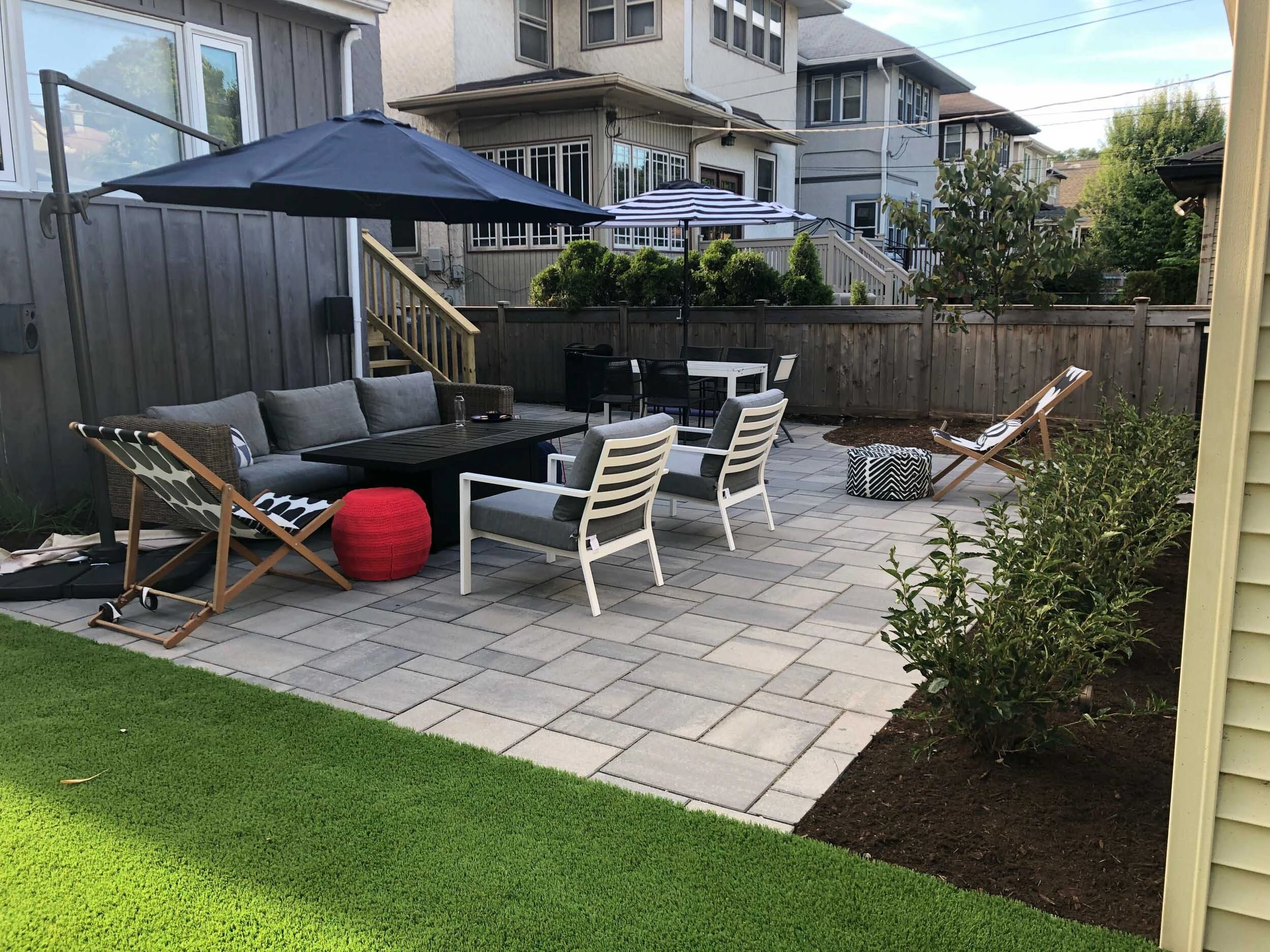
A finished fall bed prep — the visible signal that turns the cleanup customer into a spring design lead.
What Atlanta landscapers ask about the leaf-drop window.
Many will — and that’s fine. The phone script offers the package first; if the homeowner doesn’t bite, the single cleanup is still available. Even a 25% conversion to the package across your fall calls produces meaningful revenue uplift versus a 0% conversion rate today.
The opposite. Crew time per visit drops on visits 2–4 because the leaf volume is lighter — so margin per route hour climbs. You’re not selling less for more, you’re selling more for proportionally more, on routes that are already running. The unit economics get better, not worse.
The package builds visit cadence in advance, so route planning becomes easier, not harder. You’re slotting 4 known visits across 6 weeks instead of reacting to scrambled one-offs. Most owners report October stress goes down, not up, once the package launches.
Free. The whole point of the visit-3 question is to gauge interest, not sell on the spot. Schedule the consult for January or February — long enough out that the homeowner doesn’t feel cornered. The sales conversation happens at the consult, not in the leaves.
Then the route-density ad is the first move — it’s how you build density. Geo-fence to the smallest area you can profitably serve, run cleanup-package ads tight on that geo, and let the next 2 falls compound your routes. Density isn’t a starting condition; it’s an outcome of running the play.
Want us to build your leaf-drop revenue engine before October?
If you’re a metro Atlanta landscaping company and you want the package pricing, the route-density Meta ad, and the visit-3 training built by October 1, that’s our work. We’re a North Atlanta marketing agency running this play for landscapers across the corridor.
Ready to turn searches into booked jobs?
Viral Spark is a landscaper lead generation partner built for North Atlanta contractors. We pair contractor website design with contractor SEO so the right customers find you first — no lead-buying. Get a free game plan →