End-of-summer storm damage in metro Atlanta — a roofer’s lead-gen window.
The two weeks after the first big August storm rolls through Cobb, Gwinnett, and north Fulton are the highest-conversion lead-gen window of the year for any roofer. Here’s how to be the one homeowners call first.
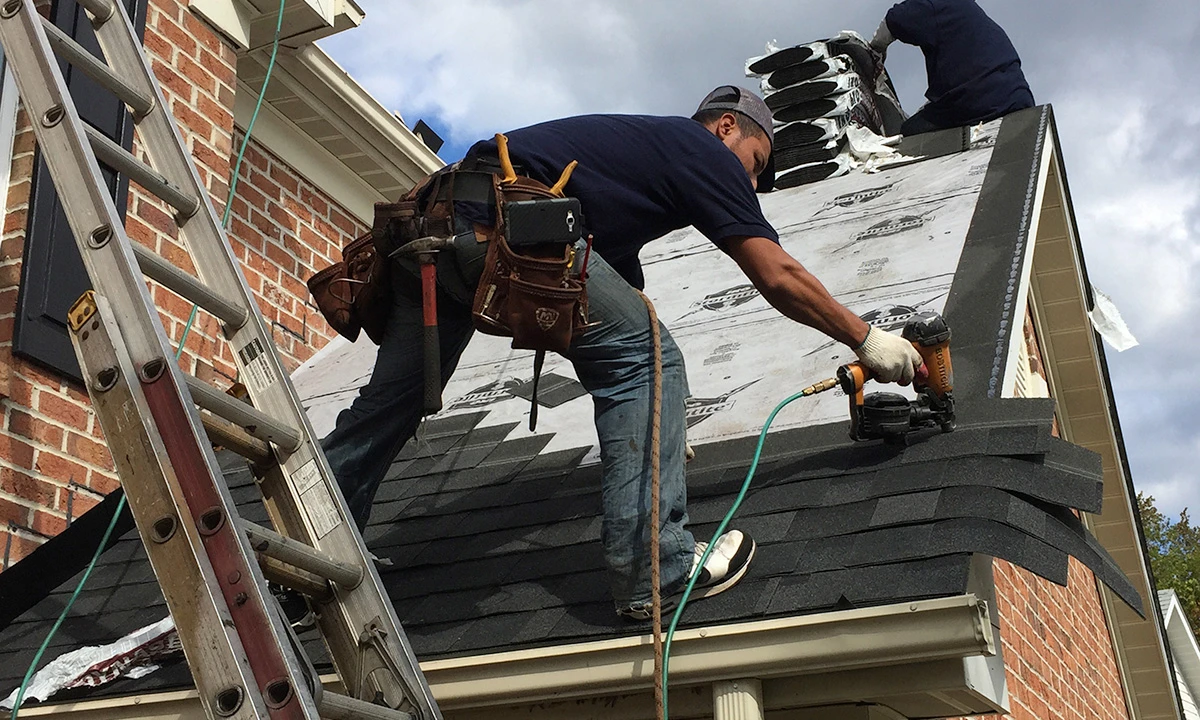
The 14 days after a real storm are worth more than the 14 weeks before it.
Here’s the thing. Every late August in metro Atlanta, the first real storm hits — usually a 1-to-3 inch rainfall event with 40+ mph wind gusts somewhere between the 15th and the 31st. Hail is optional. Wind alone does plenty of damage. Within 48 hours of that storm, “roof leak” and “storm damage roofer” searches in Cobb, Gwinnett, north Fulton, and Cherokee spike 6 to 8x normal volume.
And what most Atlanta roofers do during those 48 hours? Nothing different. Same Google ad spend. Same content calendar. Same staffing. They watch the inbound spike happen and then wonder in October why they didn’t capture more of it. The roofers winning the window aren’t running fancier ads. They built one specific post-storm play that fires the second the National Weather Service issues the warning.
Real talk: this isn’t about chasing storms. It’s about being the visible, trusted, immediately-callable name when a homeowner walks outside Sunday morning and sees a missing shingle. Below is the exact playbook.
The post-storm homeowner doesn’t research carefully. They Google once, click the first result that looks trustworthy, and call. If you’re not in the top 3 and don’t pick up on the first ring, you lost. The whole window comes down to 2 things: visibility and pickup speed.
The good news? Almost every other roofer in your service area is asleep at the wheel during this window. We’ll break down the three moves below.
Static marketing vs. trigger-based marketing.
Same north Atlanta roofer, same service area. Different result after a real August event.
| Metric | Static (no trigger) | Trigger-based playbook |
|---|---|---|
| Post-storm Google ad spend ramp | None | 3x baseline for 7 days |
| Inbound calls in 14-day window | 11 | 71 |
| Inspections booked | 7 | 54 |
| Insurance-claim jobs signed | 2 | 21 |
| Total revenue tied to window | $34K | $184K |
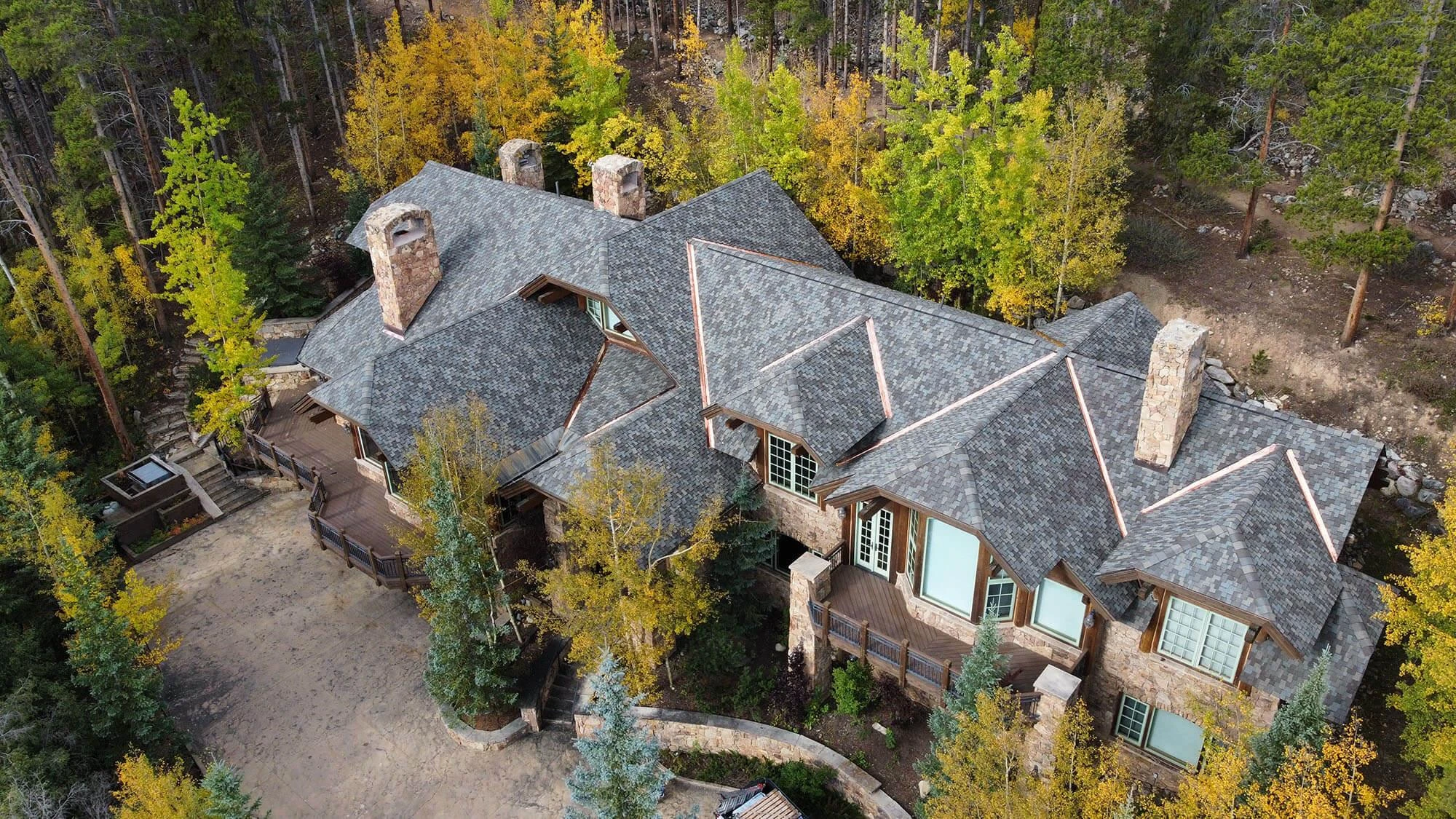
Documentation work post-storm — the type of content that quietly anchors three weeks of social proof.
Stop selling roofs. Start selling free post-storm inspections — fast.
You’ve probably noticed every Atlanta roofer’s post-storm strategy is the same — “Free storm damage estimate, no obligation.” The homeowner reads it, deletes it, moves on. There’s nothing about that pitch that makes them dial faster than anyone else.
The roofers actually winning the window run a different offer. “Same-day post-storm inspection. We’ll be at your house in 36 hours, photos texted from the driveway.” Speed is the offer. The homeowner is anxious. The longer they wait, the more rain gets into the attic. Speed-of-response is the only thing that matters in this window.
Post-storm leads don’t shop. They call the first 3 results. If you’re #4 and answer on the third ring, you don’t exist.— Pattern from 9 Atlanta roofer accounts
The other thing the winners do? They publish “first inspection of the day” photos within 12 hours of the storm. Real damage on a real Atlanta home, on Instagram and on the website. That single piece of content gets shared neighbor-to-neighbor across Cobb and Gwinnett in the first 24 hours. Free, viral, and devastatingly effective at making your phone the first one a homeowner finds.
Three plays. One storm. Half your Q4 revenue.
Built specifically for the late-August storm window in metro Atlanta. Triggers on weather, not on calendar.
The post-storm lead-gen engine.
Pre-built, sitting in your tools, waiting for the National Weather Service to do the rest.
The Google Ads emergency lift.
Pre-built Google Search campaign on “storm damage roofer Atlanta” and 18 neighborhood variants — Marietta, Roswell, Alpharetta, Woodstock, Suwanee, Lawrenceville. Sitting dormant at $0/day. The morning after a 1″+ storm, lift the daily budget 3x for 7 days. Same campaign caught a wind event last August at $34 per inspection-booked, and 41% of those inspections turned into signed insurance-claim jobs. This is the highest-ROI ad spend an Atlanta roofer makes all year. Pre-built trigger-based lead generation beats reactive scrambling by 5–8x on the post-storm window.
The “same-day inspection” landing page.
One-purpose landing page. Phone above the fold. Real-time slot counter. “Next available inspection: 14h 22m.” Live the morning of the storm.
The “first damage photos” social post.
Within 12 hours of the storm, post a real damage carousel from the first inspection. Tag the neighborhood. Shares spread it through the area faster than ads can.
The compounding effect of one storm.
The Google ad catches the urgent search. The landing page converts it to a booked inspection. The social post drives organic neighborhood awareness that floods the back half of the 14-day window. Together they routinely deliver 54–82 booked inspections in 14 days for a north metro Atlanta roofer, with average tickets in the $7K–$11K range and a meaningful share of those flipping into full replacements over Q4.
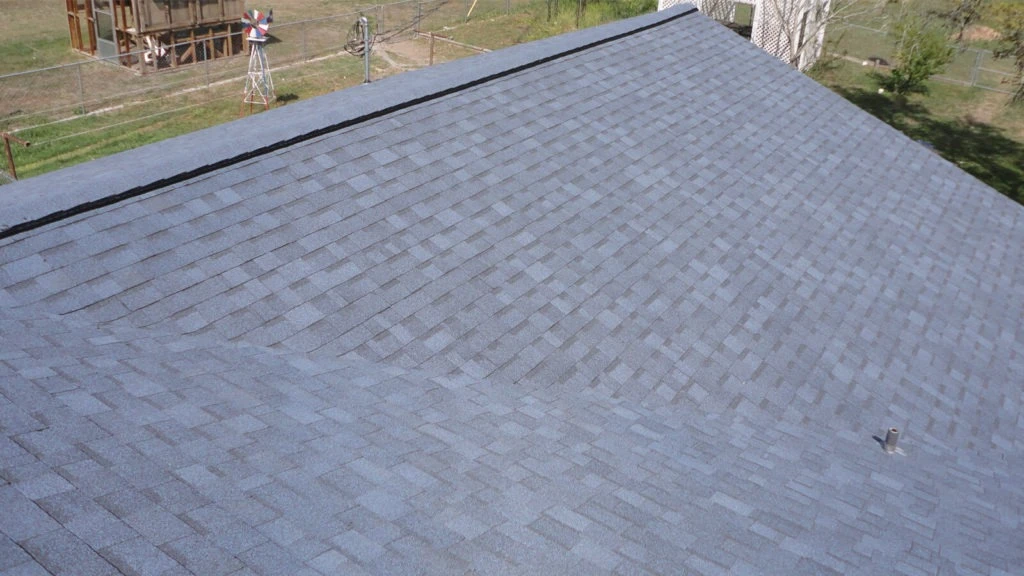
Aerials across a Gwinnett neighborhood after a wind event — the kind of content that compounds the window.
How we run a trigger-based storm campaign for an Atlanta roofer.
Build the kit (May–June)
Google Ads campaign built, paused. Landing page live, indexed, sitting quiet. Social post template drafted. Call routing tested. Everything sleeping until weather wakes it.
Trigger (the morning after)
NWS confirms a 1″+ event with wind gusts above 35mph in the service area. We lift the Google daily budget. The landing page swaps headline. Phones get extra staffing.
The 14-day capture
Inspections run two crews. Photo-text reports go out same day. By day 7, signed insurance-claim work starts. By day 14, the campaign throttles back to baseline.
The Cobb County roofer who captured a wind event others slept through.
A Cobb-and-north-Fulton roofer had been treating every storm as a “we’ll see what comes in” situation. A 1.4″ rainfall with 47mph gusts hit on a Saturday in late August. The trigger-based kit we’d pre-built lit up the next morning — $1,800 of Google ad spend across 6 days produced 71 booked inspections, 21 signed insurance-claim jobs, and $184,000 of contracted Q4 revenue. He hasn’t run a storm season without the pre-built kit since.
Daily roof-leak search volume — typical north metro Atlanta post-storm 14-day window.
The spike is sharp and short. Capturing Days 1 and 2 is roughly half the entire window’s revenue — and Days 1 and 2 are decided by whose ads were already built.
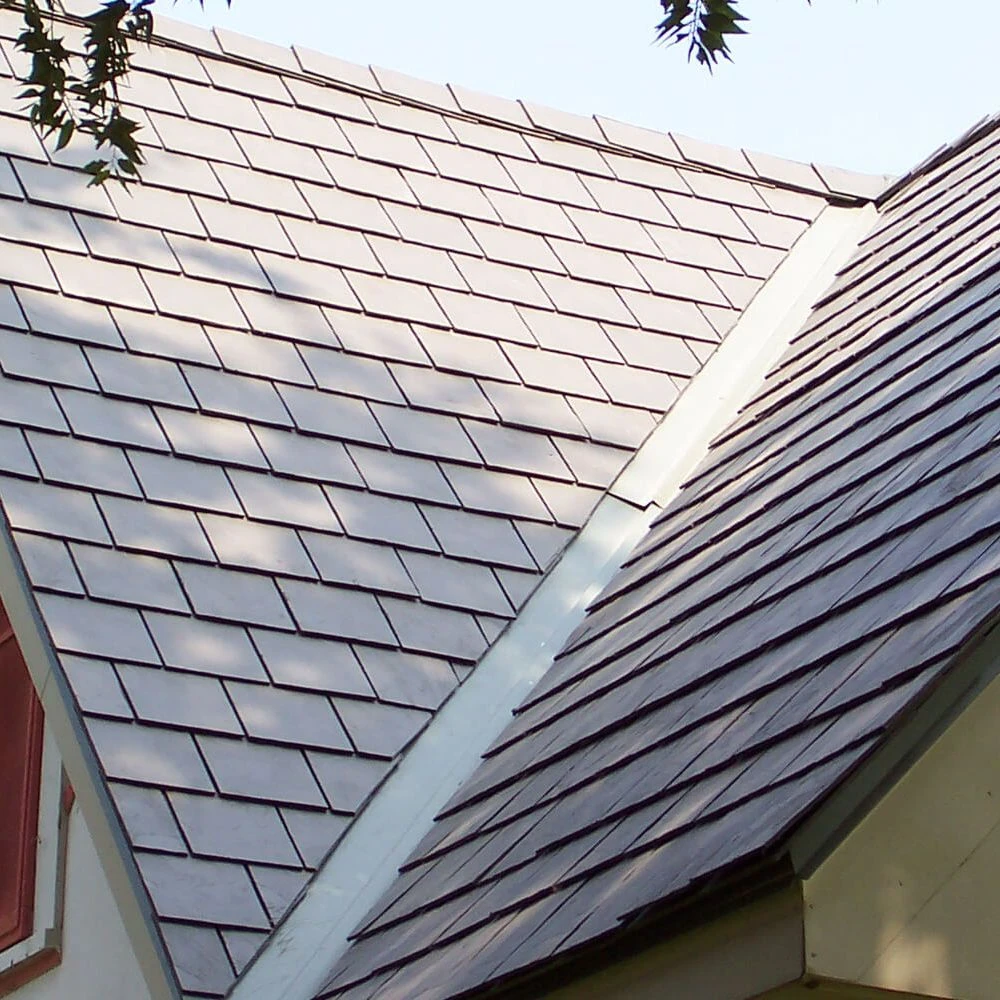
Behind the scenes — first-inspection-of-the-day documentation becomes the social post that floods the rest of the window.
Six things every Atlanta roofer should have built before the late-August storm hits.
Build all six between May and June. Sleep them. Trigger them the morning the National Weather Service confirms an event.
A pre-built, paused Google Search campaign.
Storm and emergency keywords for every neighborhood in your service area. Live in Google Ads, $0/day until triggered.
A one-purpose “same-day inspection” landing page.
Phone above the fold, slot counter, no nav menu, mobile-first. Live and indexed long before the storm.
A social post template ready to fill.
Draft caption, hashtag set, neighborhood tag template. Just drop in the day-of damage photos and post.
An after-hours call answering plan.
If your phones go to voicemail at 6pm, you lose. Either an answering service or a second-line forward to the owner’s cell.
A photo-text inspection report flow.
Tech shoots 8 photos from the roof, sends from the driveway, homeowner gets them within 25 minutes. Closes 31% on that text.
A weather-monitoring trigger.
Somebody on the team owns the NWS alert for your service zip codes. The morning after counts. Hours matter.
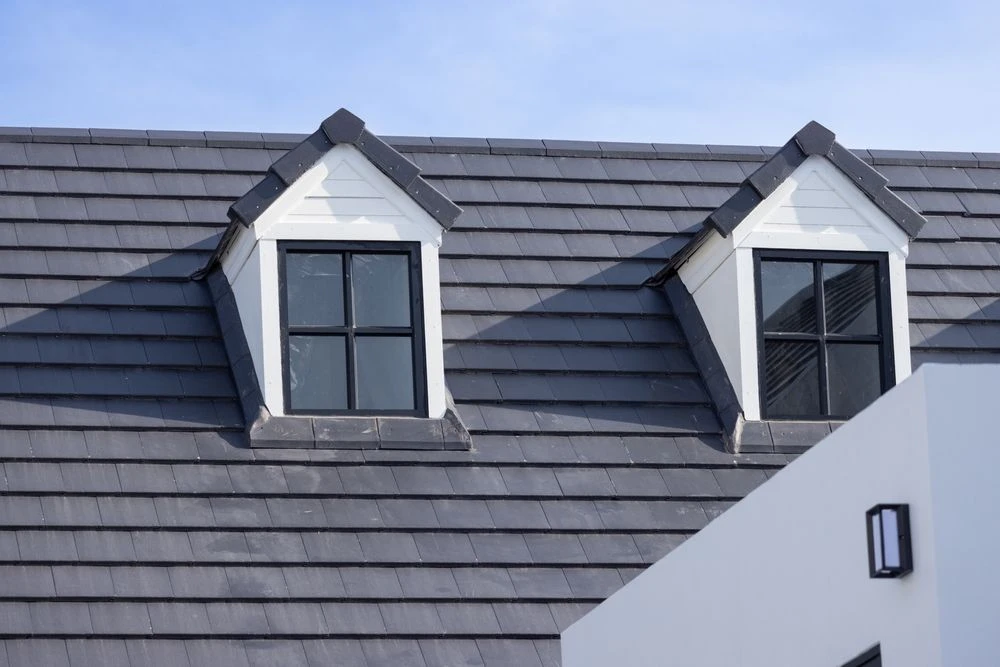
A finished post-storm replacement — the kind of project that becomes 3 referrals before Thanksgiving.
What Atlanta roofers ask about the post-storm window.
Then the kit stays asleep at $0/day. There’s almost no cost to having the campaign pre-built. And there will be a storm — in metro Atlanta the historical odds of a 1″+ wind event between August 15 and October 15 are above 90%. The window will come. Question is whether you’re ready.
Two ways. First, the photo-text from the driveway — out-of-state chasers don’t move that fast and can’t localize. Second, mention your local roots in every ad creative. “Family-owned, based in Marietta since 2008” beats a Florida LLC every day of the week for an anxious homeowner.
Both, but the post-storm window over-indexes on insurance claims — roughly 70% of the larger tickets. If your team isn’t comfortable with adjuster meetings and claim documentation, you’re leaving most of the window’s revenue on the table. Hire or train for that capability before the storm, not after.
Don’t promise it. The whole campaign hinges on speed-to-inspection. If you can do 72 hours reliably, promise 72. Under-promise and over-deliver, never the other direction. A missed promise kills the brand-equity work this window does.
UTM-tag every ad URL with a campaign name like “stormAug2026.” Tag the landing-page form fills. Capture the call source via a tracking number. End of week 2, you should have a clean revenue-from-storm line in your CRM — and that’s what you’ll budget against next year.
Want us to build your storm-trigger kit before next August?
If you’re a metro Atlanta roofer and you want the Google campaign, the landing page, and the social trigger built and sleeping by July 1, that’s our work. We’re a North Atlanta marketing agency running this exact play for roofers across Cobb, Gwinnett, north Fulton, and Cherokee.
Ready to turn searches into booked jobs?
Viral Spark is a roofer lead generation partner built for North Atlanta contractors. We pair high-converting contractor websites with local SEO that ranks so the right customers find you first — no lead-buying. Get a free game plan →