Service business SEO Atlanta: the complete guide — and the lies you’ve been told.
The biggest lie in contractor SEO is that “ranking for your city term is the goal.” It isn’t. It hasn’t been for three years. The right Atlanta service-business SEO strategy in 2026 looks completely different from what most agencies are still selling.
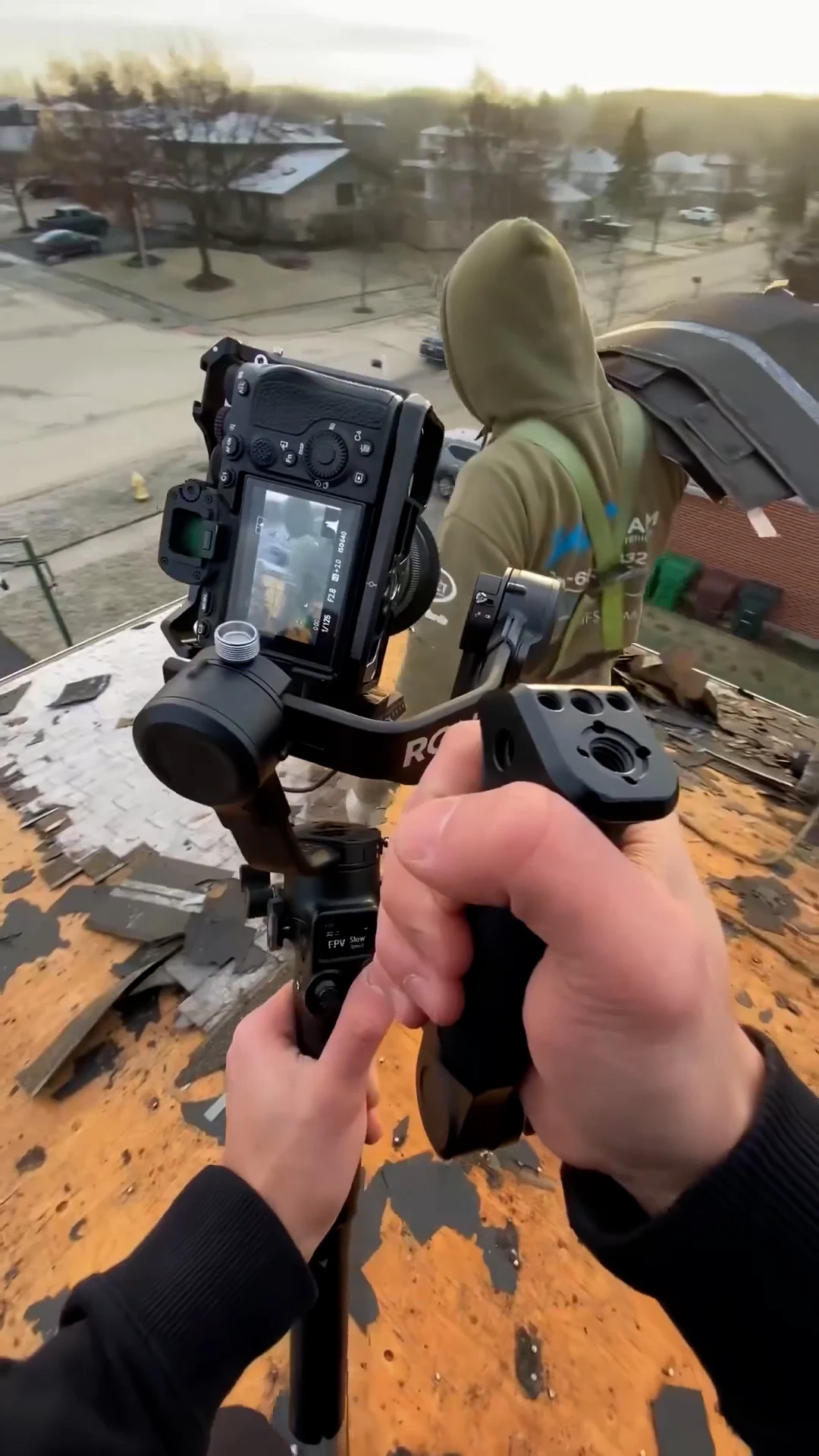
The biggest lie in service-business SEO is “rank for your city term.”
Here’s the thing. Most service businesses we audit in Atlanta, Roswell, Marietta, and Johns Creek have been sold the same SEO story for a decade: “we’ll get you to page one for [your service] [your city].” The pitch works because it’s intuitive. The problem is it stopped reflecting how Atlanta homeowners actually search around 2022.
Real talk: the modern Atlanta service buyer doesn’t search “pool builder Atlanta” anymore. She searches “pool builder near me,” and Google fills in her exact neighborhood — Johns Creek, Sky Hawk, Crooked Creek, East Cobb — based on her location at the moment of the search. The result? The map pack dominates the click traffic. The classic “city term” position-3 ranking that agencies still brag about gets almost no clicks.
If your SEO retainer is $3,500/month and the agency is still reporting on “kitchen remodeler Atlanta — moved from #11 to #4,” they’re optimizing for a metric that no longer drives leads. You’re paying for last-decade SEO. Meanwhile, the contractors winning Atlanta service searches in 2026 are stacking 25+ neighborhood-specific pages, dozens of project case studies, and a Google Business Profile so dialed in that Google itself starts treating them as the local default.
“Page one for the city term” was the right goal in 2014. In 2026, the right goal is map-pack dominance + neighborhood long-tail coverage + project-page proof. Same retainer, completely different deliverables. Most agencies haven’t updated their playbook.
The good news? Once you understand which game you’re actually playing, the SEO budget becomes the highest-leverage marketing dollar a service business in Atlanta can spend.
What an Atlanta agency should actually be doing in 2026
Same retainer. Two completely different deliverable lists. The first one is what you’re probably paying for.
| Deliverable | Old-school city-term SEO | Modern Atlanta SEO (what we run) |
|---|---|---|
| Primary ranking target | “Service + Atlanta” | Map pack + 25+ neighborhood long-tails |
| Pages built per quarter | 4–6 generic blog posts | 12–18 neighborhood + project + question pages |
| Google Business Profile work | Set up once and forgotten | Weekly posts, photos, Q&A, geo-tagged uploads |
| Reporting metric | Keyword position movements | Booked jobs from organic + map pack |
| Months to first booked job from organic | 6–9 if the pages are decent | 2–4 thanks to map-pack quick-wins |
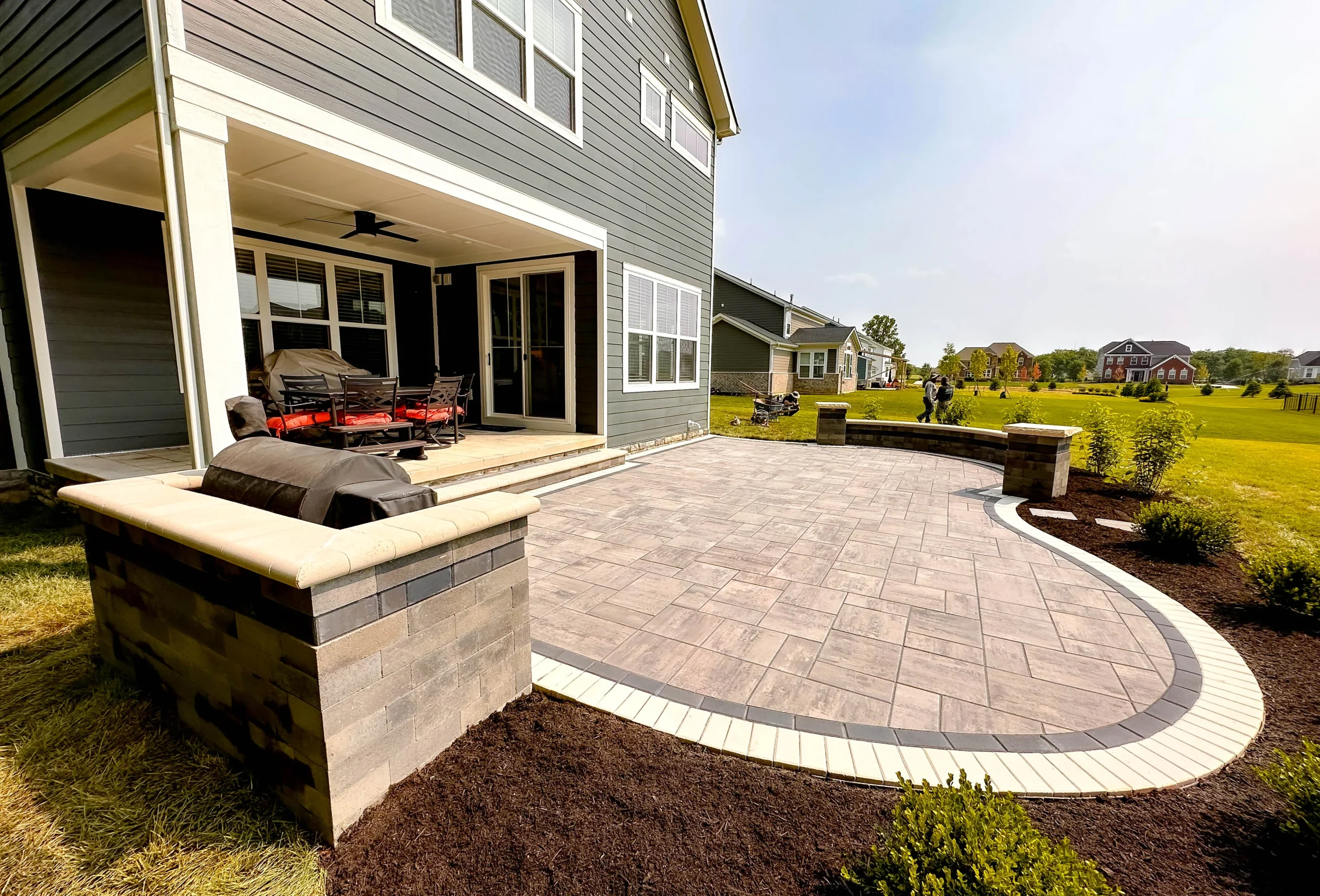
A Johns Creek hardscape build — every finished project becomes a neighborhood-level SEO asset that ranks for terms competitors don’t even target.
Stop chasing “Atlanta” rankings. Start owning the neighborhoods Google already knows.
You’ve probably been told the answer to weak SEO is “more backlinks” or “more keyword-stuffed blog posts.” Maybe a $1,200/month “SEO package” that produces three thin posts a month and a quarterly link-building report nobody reads.
Here’s the move that actually works for service businesses in Atlanta, Roswell, Marietta, and Cumming. Build a separate, deep page for every neighborhood you serve. Not a thin city-tag page. A real 1,800-word page with neighborhood-specific photos, neighborhood-specific testimonials, and answers to neighborhood-specific questions. By month 9, you have 25–40 of these pages indexed and ranking. Each one produces 1–4 booked jobs a year. The math compounds savagely.
Add to that: a Google Business Profile that gets weekly attention, project case study pages that double as local-SEO assets, and a question-and-answer content engine pointed at the questions your customers actually search. That’s the 2026 playbook. The contractors winning Atlanta organic search aren’t running smarter ads. They’re stacking hyperlocal proof faster than competitors.
The Atlanta service business that owns 30 neighborhood pages by month 12 cannot be unseated by a competitor running better Google Ads. Organic compounds. Ads don’t.— What 80+ contractor SEO audits have taught us
That doesn’t mean ads are dead. Google Ads, LSAs, and Meta retargeting are useful while organic ramps. But if ads are the entire strategy, you’re renting customer attention forever. Owned organic search is the only marketing asset on a service business balance sheet that appreciates instead of depreciating.
Three engines. The 2026 Atlanta SEO stack.
Every service business we’ve taken from “page two for our city term” to “owns the entire local map pack” has used the same three engines. They’re not new — they’re just the right combination, run with discipline.
The SEO stack a serious Atlanta service business needs.
Each engine targets a different type of search intent. Run all three and you own the entire local funnel. Run one or two and your competitors who run all three eat your lunch.
Google Business Profile dominance + map pack lockdown.
The local 3-pack — those three businesses that show on the map at the top of “near me” searches — eats 68% of clicks for service businesses in Atlanta. We optimize your profile weekly: real photos uploaded with neighborhood geotags, weekly posts, real Q&A answered by humans, review-collection workflow that doesn’t make your CSRs work harder. After 4–6 months, you’re in the 3-pack across Avalon, Crooked Creek, East Cobb, Johns Creek, and Sky Hawk. That’s the highest-conversion organic surface in service-business marketing — period.
Neighborhood long-tail pages.
25–40 neighborhood-specific service pages. Each one a real, useful, 1,800-word answer to “[service] in [neighborhood].” By month 9, you’re ranking page one for terms competitors don’t even know exist.
Project + question content library.
Project case study pages double as local-SEO assets. Question-and-answer pages catch buyers in research mode. Cost per organic booked job drops to $58–$94 by month 12 once these compound.
The compounding effect over 18 months.
Map-pack rankings produce inquiries fast (months 2–4). Neighborhood long-tail pages take longer to rank but each one becomes a permanent asset. Project + question content adds depth that lifts the whole site’s authority. Run all three engines for 18 months across Atlanta, Roswell, Marietta, Johns Creek, and Cumming and your cost per booked job drops to a fraction of what most service businesses pay for paid ads. That’s the 2026 math.
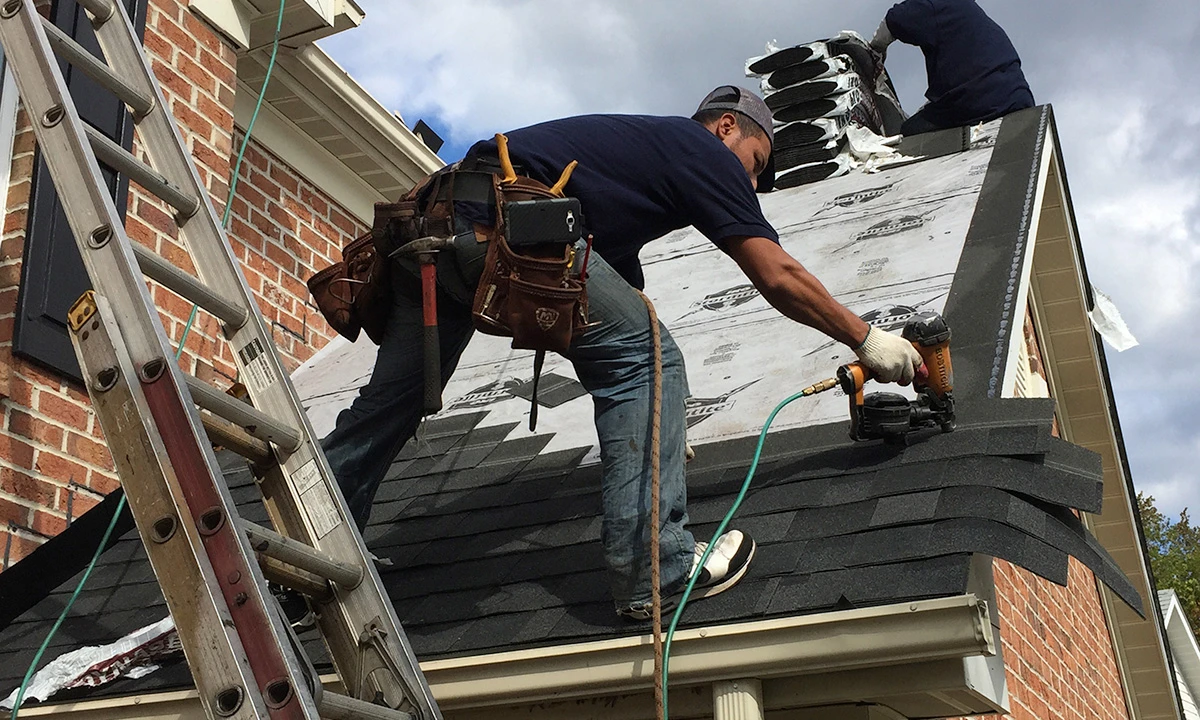
A finished Johns Creek roofing project — documented as a project page, neighborhood asset, and Google Business Profile post all at once.
How we run an Atlanta service-business SEO engagement.
Audit + map
We pull every competitor ranking in Atlanta, Roswell, Marietta, and Johns Creek for your service. Reverse-engineer what’s working. Identify the 50+ neighborhood phrases nobody is competing for. Audit your Google Business Profile against the top 5 in your market.
Build the SEO assets
Site rebuild for speed and Core Web Vitals. Google Business Profile overhaul. 25–40 neighborhood pages built in priority order. Project case study system. Question content library. Review-collection workflow with geo-tagged photo uploads.
Compound
By month 6, you’re in the 3-pack across most priority neighborhoods. By month 12, you’re ranking 30+ neighborhood long-tails. By month 18, organic is producing more booked jobs than you can fulfill — and the funnel keeps appreciating without additional spend.
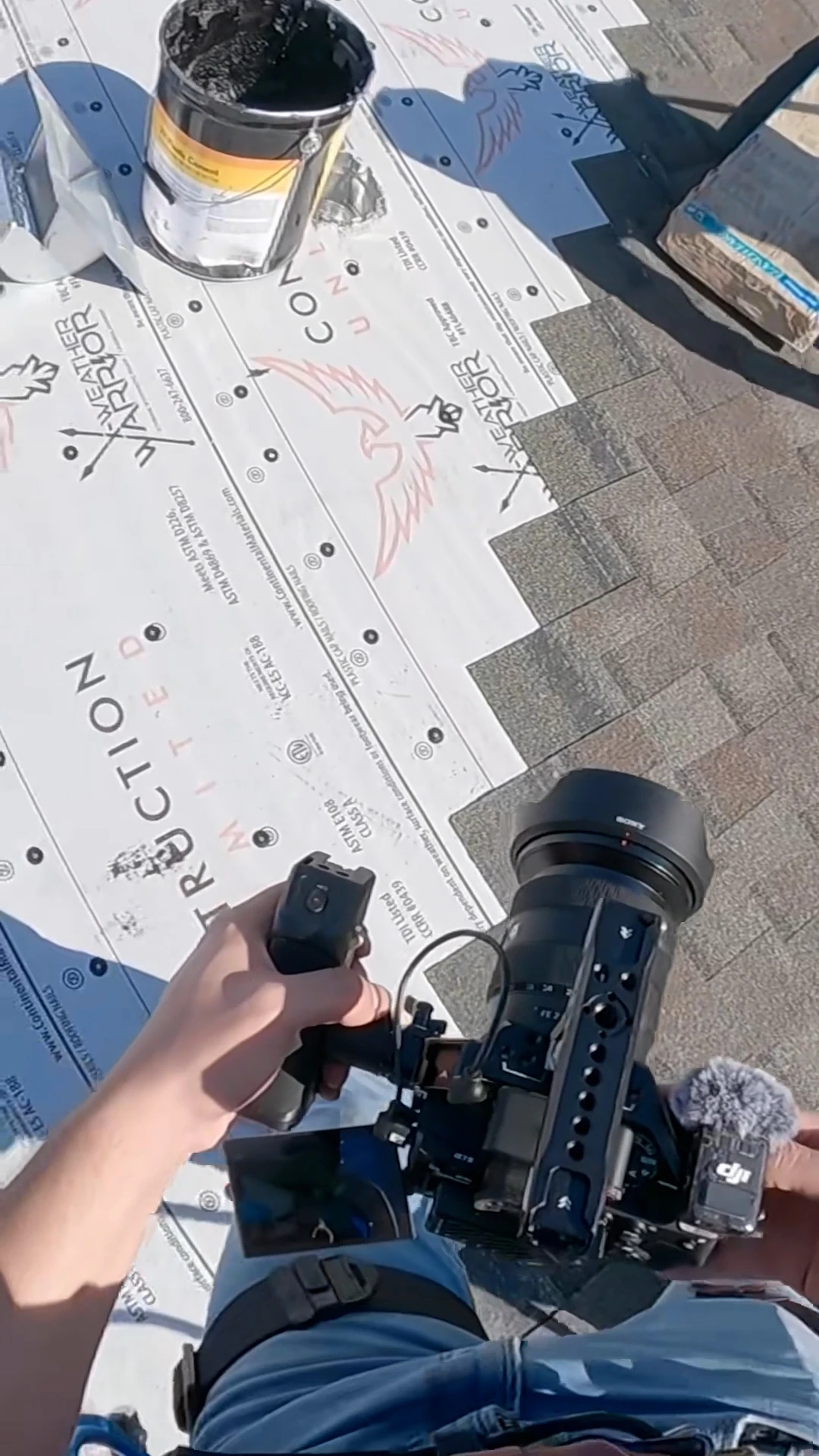
Behind the scenes — a single shoot day produces neighborhood photo + video assets for 4–6 SEO pages.
The Johns Creek service business that owned its entire local map pack.
A nine-year service business covering hardscape and pool work across Johns Creek, Cumming, and Suwanee was paying $2,800 a month to a generic SEO agency. Ranking position 8 for the city term, almost no map-pack visibility. By month 11 with us, organic traffic was up 1,267%, the business held the 3-pack across 18 different neighborhood searches, and cost per booked job from organic had dropped from $487 to $68. He cut his Google Ads budget by 60% in March because organic was producing more booked work than the crew could schedule.
Booked jobs from organic search, month over month.
SEO assets appreciate. Ad accounts don’t. A neighborhood page built in month 4 is still producing booked jobs in month 36 — without additional spend.
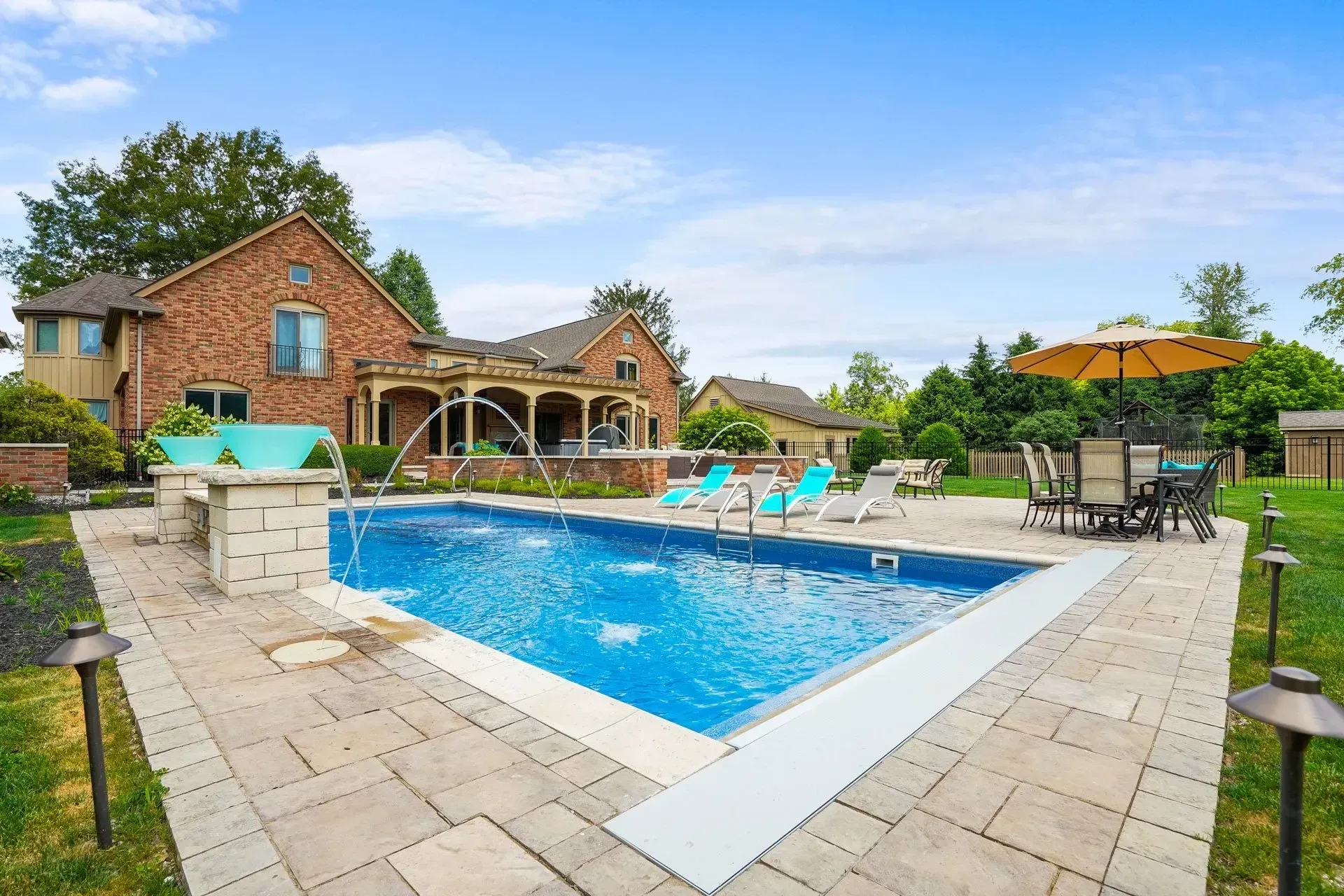
A finished Cumming pool build — documented across the neighborhood page, the project library, and the Google Business Profile in one shoot.
Six questions every Atlanta service business should ask before hiring an SEO agency.
Whether you talk to us, our competitors, or a national agency pitching you over Zoom — these six surface 90% of what matters in 2026 service-business SEO. If they pitch you on city-term rankings as the primary metric, walk.
“Show me a service business you took from $X to $Y.”
Not “traffic up.” Real booked jobs from organic. Real revenue. Real timeline. Anonymous case studies are a giant flag.
“What’s the deliverable on Google Business Profile?”
If “we set it up and it’s done,” walk. GBP is a weekly job in 2026. Posts, photos, Q&A, geo-tagged uploads — minimum.
“How many neighborhood pages will you build?”
Anyone offering “10 pages” total is undershooting. Right answer for a serious Atlanta service business is 25–40 neighborhood pages over 12 months.
“What’s the realistic SEO ramp for a service business?”
“Page one in 30 days” is a lie. Realistic: map-pack visibility in 2–4 months, neighborhood long-tail rankings in 6–9, full dominance in 12–18.
“What does my reporting look like?”
If reporting is a 14-page PDF showing keyword position changes, walk. The right reporting shows booked jobs from organic + map-pack visibility + neighborhood ranking coverage.
“How do you handle the conflict-of-interest line?”
Will they take a second business in your category in your geo? The right answer is no. Anything else and you’re paying to feed a direct competitor.

An in-progress build — content like this lives on the neighborhood page, the project page, and the GBP for 36 months.
What Atlanta service businesses keep asking us.
Map-pack visibility can produce booked jobs within 60–90 days if your Google Business Profile and review base are strong. Neighborhood long-tail pages take 4–6 months to rank, then compound. Full local dominance is a 12–18 month build. Anyone promising faster is either pointing at paid ads while calling it SEO or telling you what you want to hear.
Working range we see is $3K–$6K/month for established service businesses ($1M–$5M revenue), and $6K–$12K/month for businesses scaling into $8M+ that need 30+ neighborhood pages built and ongoing content. Below $3K and you’re getting a thin SEO package that doesn’t move the needle. Above $12K with no booked-job lift to show, the deliverables aren’t right.
Not necessarily. LSAs especially are useful even when organic is dominant — they catch the “I need this right now” intent. But broad PPC keyword bidding usually gets cut by 60–80% by month 12 once organic is producing booked jobs at $58–$94 vs. $260–$420 from paid. Most of our clients keep LSAs and kill broad PPC.
One business per category per geo, full stop. We will not run SEO for two pool builders in Atlanta or two PI firms in Marietta. That conflict-of-interest line is non-negotiable — it’s the entire reason we can promise category dominance to clients.
No. One site with 11 well-built city-level service pages plus 30+ neighborhood-level pages underneath the priority cities. Multiple sites for one business hurts SEO more than it helps in 2026. Single site, deep architecture, real content is the modern playbook for service businesses across North Atlanta.
Imagine owning the local map pack across every Atlanta neighborhood you serve.
If you want a 30-minute call where we look at your current site, your Google Business Profile, and the top three competitors ranking against you across Atlanta — and tell you exactly what’s leaking — that’s free. We do a few of these a week with service businesses across the broader North Atlanta corridor.
Ready to turn searches into booked jobs?
Viral Spark helps North Atlanta contractors get found and get booked. We pair high-converting contractor websites with local SEO that ranks so the right customers find you first — no lead-buying. Get a free game plan →