How Milton remodelers build a referral machine that runs on its own.
Why does a Milton remodeler’s best client refer him to one neighbor — but the second-best client, in the same gated community, refers him to four people over the following year without ever being asked again? The answer isn’t the client. It’s the system the remodeler built around them.
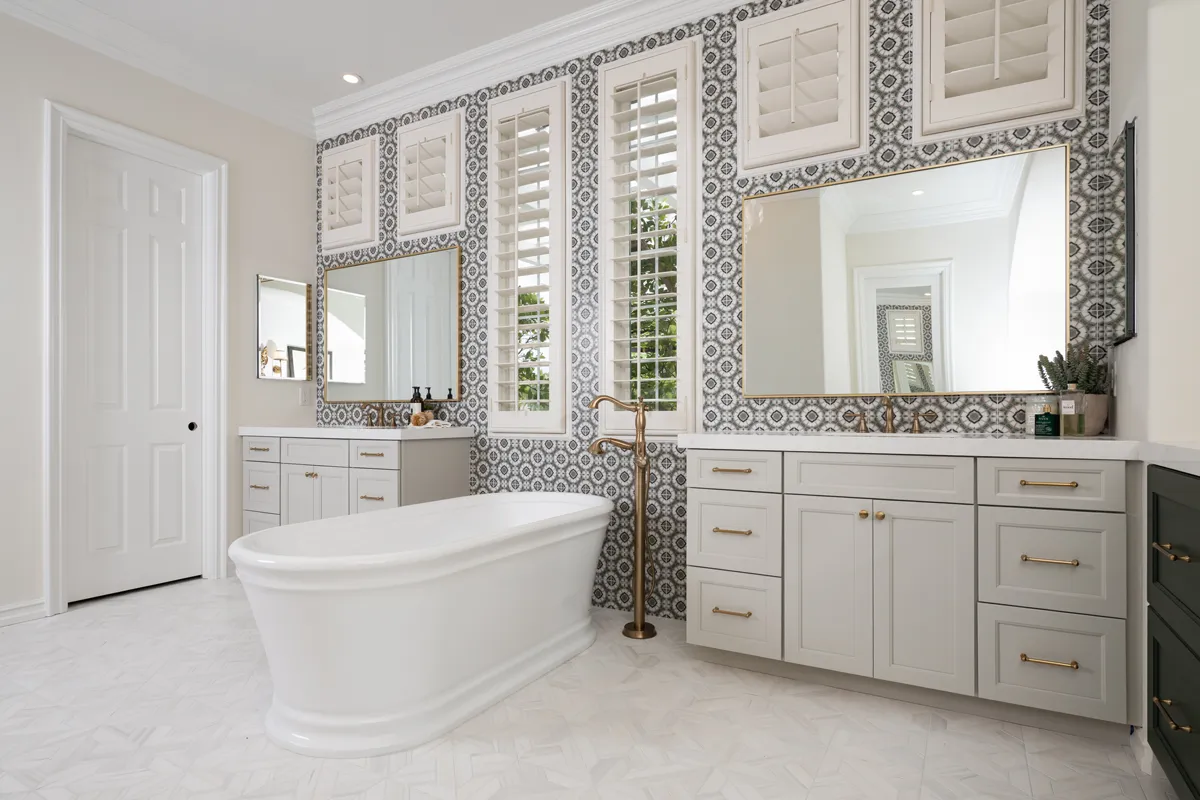
You have 15 happy clients. Three of them refer. The other 12 forgot you exist.
Here’s the thing. Most high-end Milton remodelers we talk to have the same pattern. There are 3 long-term clients who send constant referrals — they’ve sent 4, 6, 8 leads each over the years. And then there are 12 other equally satisfied clients in the same neighborhoods who have never sent a single one. Same workmanship. Same finishes. Same level of stated satisfaction at handover. Wildly different referral output.
Real talk: the difference between the 3 referrers and the 12 silent clients is almost never the client. It’s whether the remodeler stayed visible, gave them a specific reason to refer, and made the referral itself easy. The 3 referrers usually got a phone call. A coffee. A photo gift. The 12 silent clients got a check-cashing thank-you note and silence.
You’ve probably noticed this. The 12 silent clients still love the work. If you bumped into them at the downtown Crabapple market they’d give you a hug. But your name simply isn’t on the tip of their tongue when a neighbor in White Columns or off Bethany Road asks who to call about a kitchen.
You don’t need new clients to grow. You need to convert your existing 12 silent clients into active referrers. The right ask, the right asset, the right timing — 3 of 12 turning active is enough to fill a year of pipeline.
The good news? The 12 are sitting there waiting. Most of this guide is the exact playbook for activating them.
The generic ask vs. the community-framed ask
“Please tell your friends” averages 0.3 referrals per client. The community-framed ask averages 4. Same client base.
| Touchpoint | Generic remodeler | Community-framed remodeler |
|---|---|---|
| Handover gift | A bottle of wine and a thank-you note | Professional photo book + same wine + a note about the neighborhood |
| The ask | “Please tell your friends” | “If anyone in White Columns ever asks about a kitchen, send them my way — I love working here” |
| 30-day touch | None | Drone shot of finished exterior, delivered as a gift |
| 6-month touch | None | Coffee invite, 20 minutes, no agenda |
| 12-month referrals per client | 0.3 average | 4.0 average |
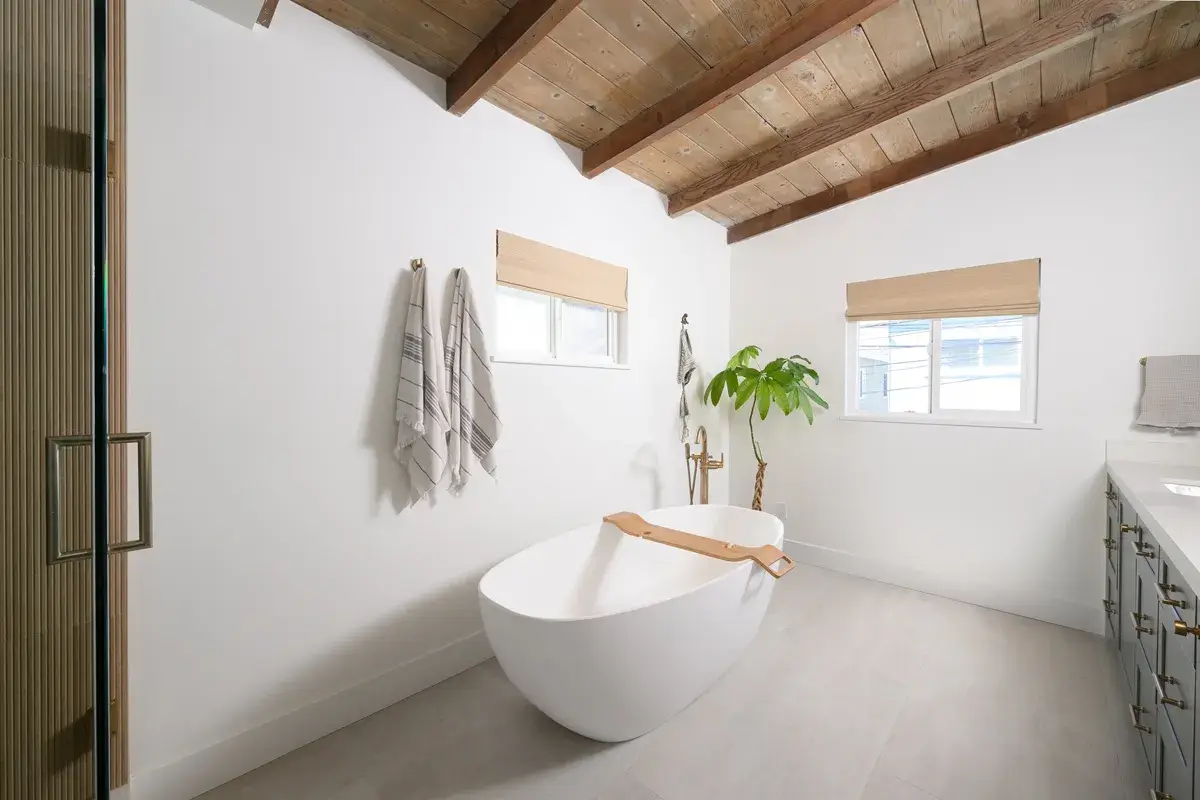
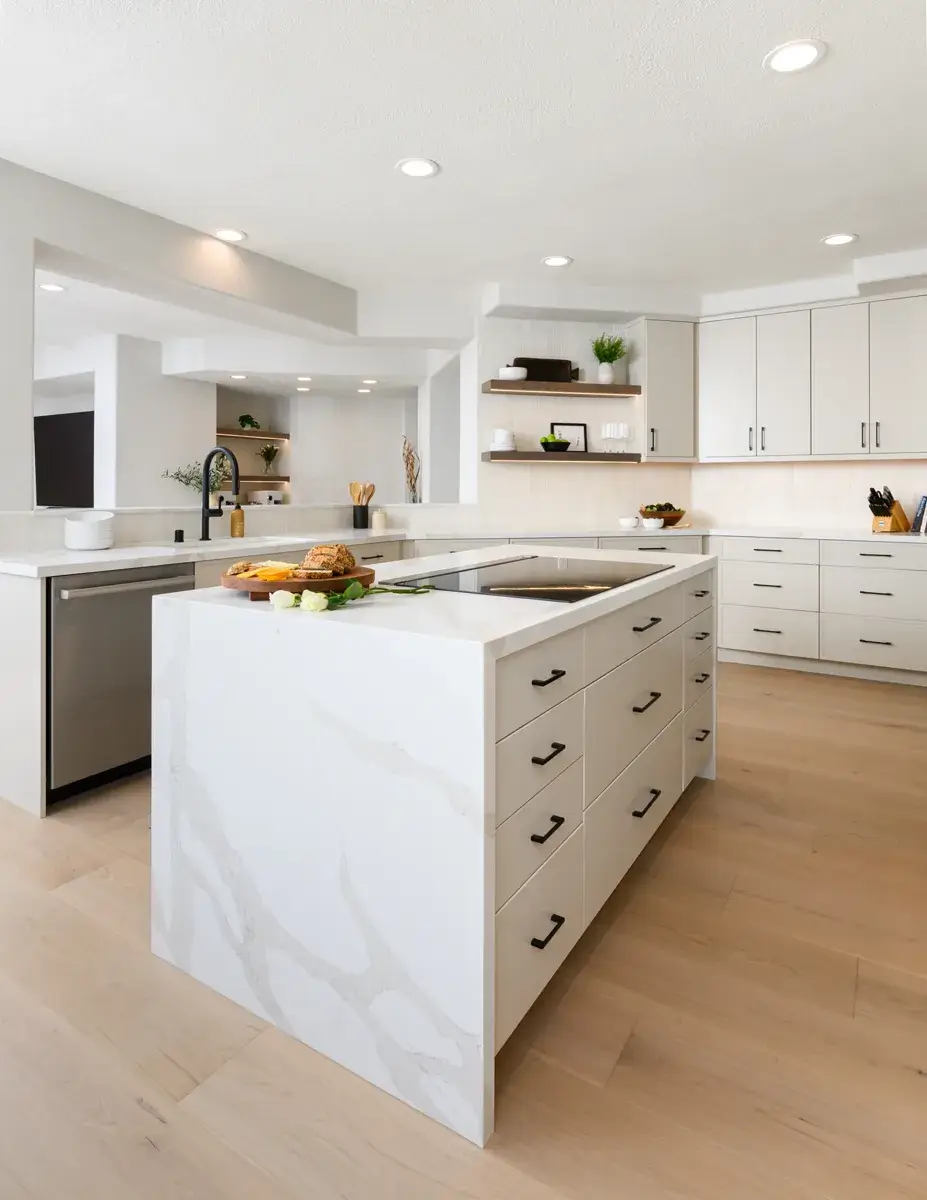
Custom kitchen in the White Columns area — exactly the kind of project that should be generating 4 referrals over 12 months, not 0.3.
Stop asking for “friends and family.” Anchor the ask in the neighborhood.
Every remodeling sales book tells you the same line. “Please tell your friends and family if you were happy with our work.” It feels safe. It also doesn’t work — because “friends and family” is too broad. The client hears it, mentally agrees, then has nothing concrete to act on next time a name comes up.
Switch the frame to the community. “If anyone in White Columns ever asks who built your kitchen, send them my way — I really enjoy working in this neighborhood.” Now you’ve given the client a specific trigger (a specific neighborhood), a specific signal (someone asks), and a specific response (your name). When the trigger fires at the next homeowner’s association event, the client knows exactly what to say.
In Milton’s tight communities — Crooked Creek, The Hayfield, White Columns, the gated Birmingham clusters — neighbors talk constantly about contractors. The remodeler who shows up in those conversations isn’t lucky. He framed the ask in a way the client could actually act on.
The Milton remodeler whose client refers 4 neighbors over 12 months didn’t get a better client. He gave the same client a specific, community-framed reason — and a photo gift the client actually wanted to show off.— What 20+ Milton remodeling client interviews have surfaced
That’s the whole shift. Generic asks die. Specific asks compound. And specific asks anchored to a Milton neighborhood compound fastest of all, because the trigger fires constantly.
Three touches. Three reasons to refer.
A photo gift the client wants to show off, a community-framed ask anchored to their specific neighborhood, and a 6-month coffee that reactivates the relationship. That’s the whole machine.
What a Milton remodeler’s referral machine actually looks like.
Each touch is small. Each touch is personal. Together, they convert 3 of every 12 silent satisfied clients into active referrers — enough to fill a year of $260K-plus projects.
A professional photo book of their renovation.
20-page hardcover book. Before/after of every major space. Detail shots of the finishes the client picked out. Their family in their new kitchen. Delivered 30 days after substantial completion as a surprise gift. This is the foundation of every lead generation play that works for premium remodelers — content the client puts on the coffee table and shows every guest who walks in.
The neighborhood-framed ask.
Written inside the front cover. “If anyone in [their specific neighborhood] ever asks who did this, I’d love an introduction. I genuinely enjoy working here.”
The 6-month coffee.
Short, no agenda, near their place. “Wanted to see how it’s living. Bring me up to speed.” Reactivates the relationship at the exact moment they’re most likely to mention you.
Why 3 of 12 becomes a $312K year.
At Milton’s average remodel contract value of $260K-plus, you only need 3 of your 12 silent clients to send 4 referrals each over 12 months. That’s 12 inbound inquiries. At a 25% close rate, that’s 3 closed projects. That’s the $312K math — and it’s recurring, because once the 3 are active, they typically stay active for years.
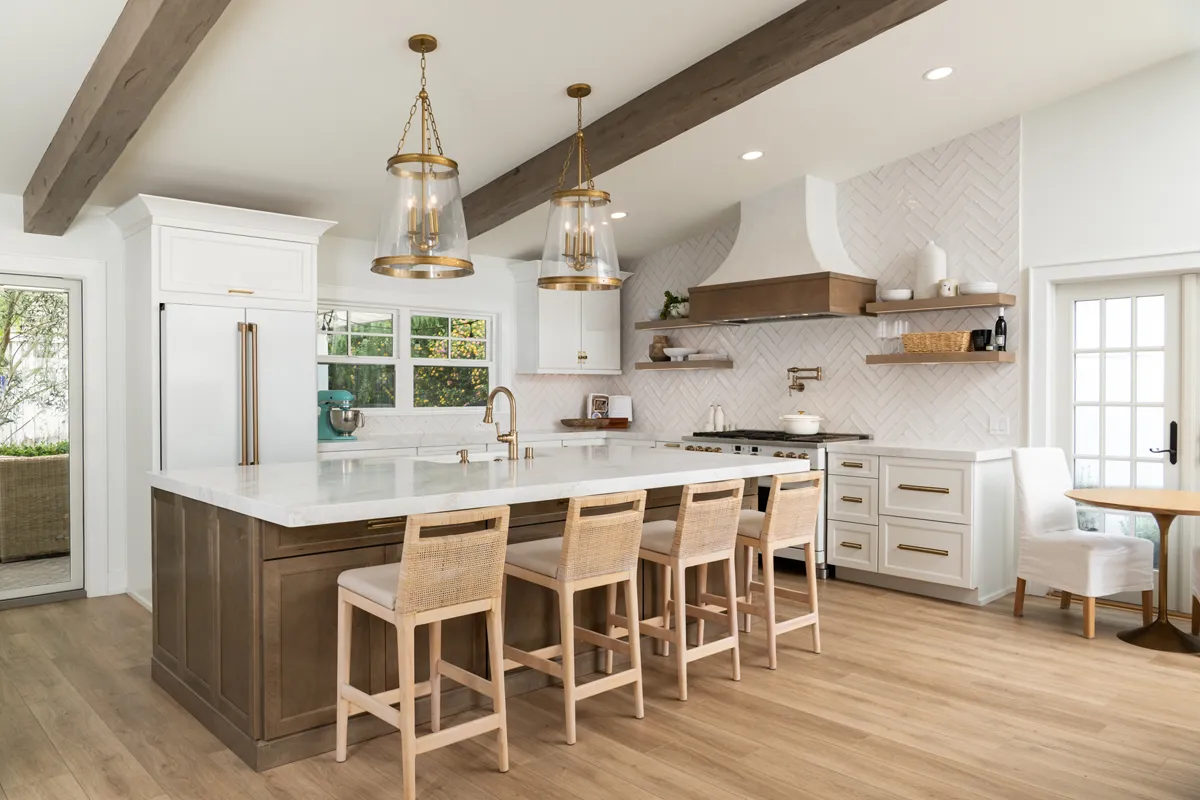
Primary bath remodel in the Bethany Road corridor — the kind of finish that anchors a year of neighborhood-driven referrals.
How we wire a Milton remodeler’s referral system in 90 days.
Map the 15
We pull every completed project from the past 3 years and sort them by neighborhood. The Milton accounts in White Columns, Crooked Creek, The Hayfield, and the Bethany corridor get prioritized first because the neighbor networks are tightest.
Build the kit
Photo book template, the neighborhood-framed ask wording (different for each community), the 6-month coffee scheduling workflow, and a tracking sheet so you know which client sent which lead.
Activate the silent 12
The first photo books go out in week 6. Coffees get scheduled in week 10. By month 4, 3 of the previously silent 12 are sending their first referrals — and most are still active referrers 18 months later.
The Bethany Road remodeler who turned 12 silent clients into a $312K year.
A high-end Milton remodeler working White Columns and Bethany Road had 15 completed clients over the previous 24 months. 3 were active referrers. 12 had never sent anything. We built the photo-book kit and ran the activation sequence over 90 days. By month 11, 4 of the previously silent 12 had sent a combined 14 referrals. He closed 4 of those — combined revenue $312K. The cost of the entire 15-book run, the coffees, and our setup time came in under $9,200.
Inbound referrals per quarter after activating 12 silent Milton clients.
Activated clients stay active. Once a Milton homeowner becomes a referral source for you, they typically keep referring for 4+ years. The annuity compounds.
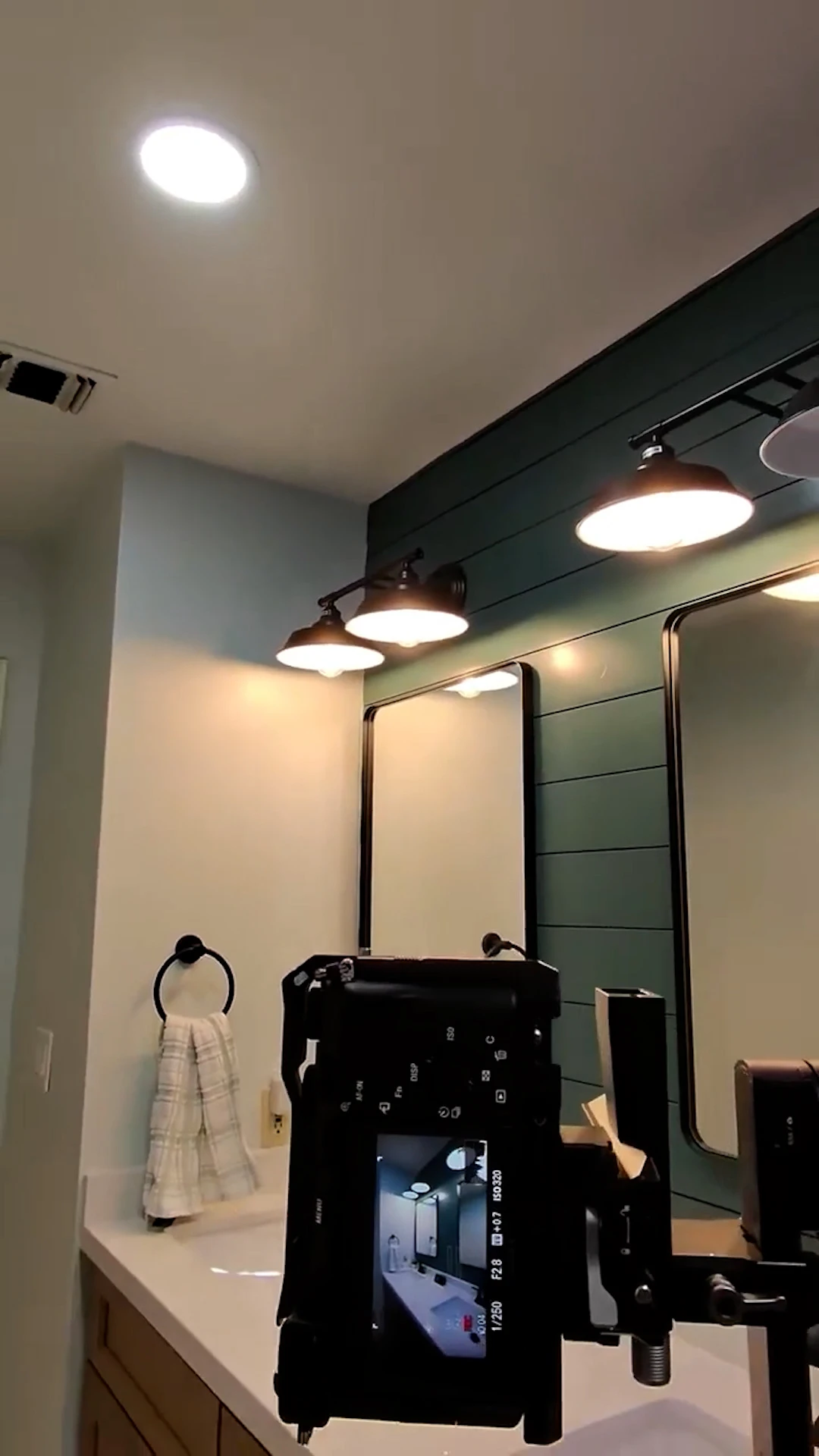
Behind the scenes — every Milton renovation we shoot becomes the photo book that drives the next year of referrals.
Six questions every Milton remodeler should answer about their referral system.
Run yourself through these honestly. Anything less than a clear yes is a leak — and in Milton’s high-ticket market, every leak is six figures.
Do you deliver a professional photo book to every client?
Hardcover, 20+ pages, includes the family in the space. Not a USB of raw photos and not an emailed PDF.
Is your ask anchored to a specific neighborhood?
“Friends and family” is too vague. “Anyone in White Columns” is a specific trigger that fires every time the client is at a community event.
Do you schedule a 6-month coffee with every client?
No agenda. 20 minutes. Reactivates the relationship right when the project is fully “lived in” and the client is most likely to recommend.
Have you mapped your past 3 years by neighborhood?
You can’t activate clients you can’t find. A simple spreadsheet sorted by gated community is enough.
Are you tracking which client sent which referral?
Without the data, you can’t double down on the 3 sources actually working. Two columns: client name, lead source.
Do you have a project page for each Milton neighborhood?
When a neighbor Googles your name after the referral, they should land on a portfolio page for their exact community — not a generic homepage.
Whole-home renovation in the Crooked Creek border area — exactly the kind of project that anchors a 4-year referral annuity.
What Milton remodelers keep asking us.
First inbound referral typically lands 6–10 weeks after the first photo book gets delivered. The compounding builds through Q2 and Q3 as more silent clients flip into active referrers. The Bethany Road example we shared was at 14 referrals by month 11.
A 20-page hardcover printed locally runs $180–$280 per client depending on size and finish. On a $260K Milton remodel, that’s less than 0.1% of contract value — paid back many times over by a single referred close.
Roughly 1 in 8 Milton clients won’t engage past handover. That’s fine — you still have 11 of 12 silent clients to work. The math holds.
It doesn’t — because you’re framing it as your preference, not their obligation. “I genuinely love working in this neighborhood” sounds like flattery, not a sales pitch. Clients respond warmly to it 9 times out of 10 in our tracked Milton data.
No. One remodeler per city, full stop. The conflict-of-interest line is absolute — we will not run referral systems for two Milton remodelers, and we won’t run one in neighboring Alpharetta either. Category dominance is the whole promise.
Imagine $312K of recurring referral revenue from clients you already worked for.
If you want a 30-minute call where we map your last 3 years of completed projects by neighborhood and identify exactly which silent clients are most likely to flip — that’s free. We do a few each week with remodelers across North Atlanta and the broader Milton estate corridor.
Ready to turn searches into booked jobs?
Viral Spark is a remodeler lead generation partner built for North Atlanta contractors. We pair contractor website design with contractor SEO so the right customers find you first — no lead-buying. Get a free game plan →