The hidden cost of skipping a referral system isn’t $5K. It’s $2.4M in unsigned contracts.
A Cumberland custom builder closes 4 luxury homes a year. If each client referred just one new buyer and half of those signed, that’s $2.4M in additional annual revenue — from a system that costs almost nothing to run and most builders never bother to install.

$2.4M a year, sitting in a system you never installed.
Here’s the thing. Most Smyrna custom builders we talk to are running at 3–6 luxury home completions per year — solid, stable, profitable books of business. They’re not actively trying to scale beyond that, because new client acquisition feels like a grind. Paid leads are expensive. Referrals trickle in unpredictably. The Cumberland corridor is competitive enough that everyone is fighting for the same buyer.
Real talk: every one of those builders is sitting on a $2.4M-per-year opportunity they don’t see. If each of their 4 completed clients referred just one serious buyer per year, and half of those referred buyers signed, that’s 2 additional $1.2M contracts annually — at near-zero marginal cost. The math is straightforward. The execution isn’t. Because installing the system feels like extra work nobody has time for, so nobody does it, so the $2.4M stays invisible.
87.3% of luxury custom-home buyers say they would actively refer their builder if they had a specific prompt and an easy way to do so. Most builders in the Cumberland / Vinings / Belmont Hills corridor never set up the prompt or the easy way. So the 87% stays silent. The handful of accidental referrals that do come through (1 or 2 a year) feel like proof that “referrals just happen sometimes” — when in reality 12+ more were sitting there waiting for the system that was never built.
The Smyrna custom builders quietly running 24-month backlogs aren’t outspending the competition. They installed a 4-touch close-out engine 3 years ago and now collect $2.4M+ in inbound referred contracts a year without paying for it.
The good news? At 4 builds a year, the engine takes 6 weeks to install, one PM 2 hours per close-out to run, and ROI hits inside 6 months from back-catalog activation alone.
No system vs. 4-touch close-out
Same 4 homes per year. Same Cumberland / Vinings clientele. Wildly different referral pipeline by year three.
| What you’re running | No system | 4-touch close-out |
|---|---|---|
| Post-handoff touchpoints | 1 (thank-you) | 4 (photos, page, social, walk) |
| Referrals per client / year | 0.2 | 1.0–1.4 |
| Time to first referral | 14 months | 3.4 months |
| Annual referred contract value | ~$700K (if lucky) | $2.4M–$3.6M |
| Cost per client / year | $0 | ~$500 |

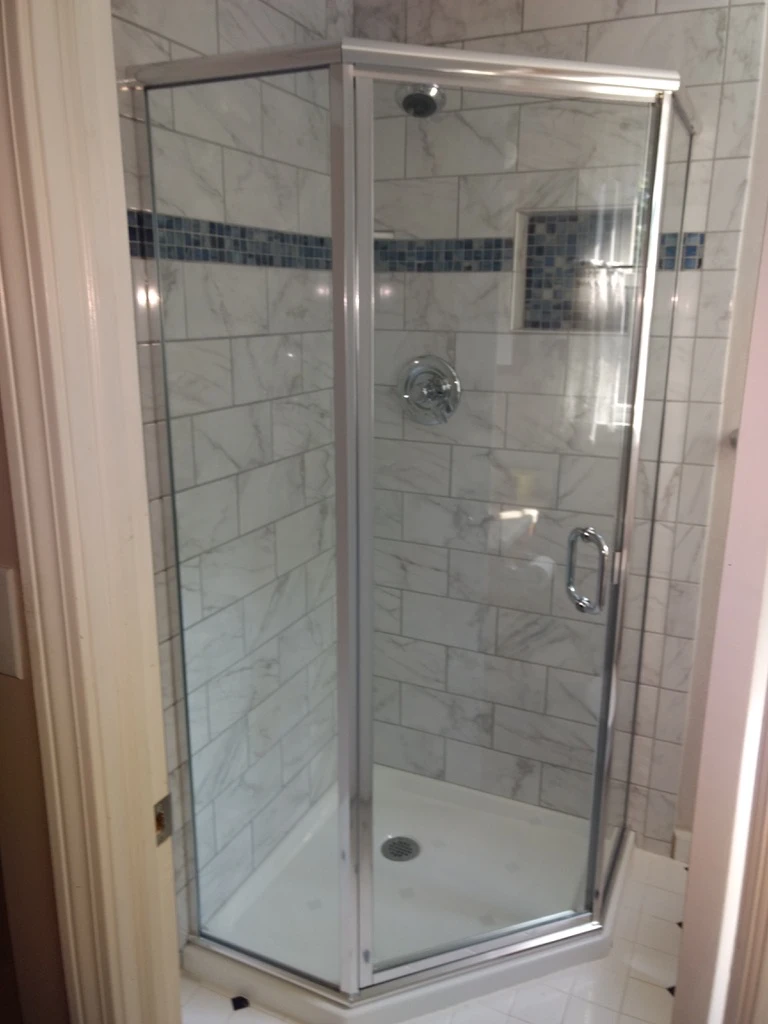
A finished Cumberland luxury build — also the seed of a 3-year referral pipeline if the close-out is done right.
Stop treating close-out as the end. It’s actually the start of your next two contracts.
You’ve probably been told the close-out is operational paperwork — final walkthrough, punch list, warranty handoff, done. That’s the conventional view. It’s also why most Smyrna custom builders leave $2.4M a year on the table.
Here’s the math the winners run. Each Cumberland or Vinings or Belmont Hills client knows roughly 15–25 other families at the same income and home-investment stage, through neighborhood events, school networks, and professional circles. Over the 5 years post-move-in, 4–6 of those families will seriously consider a custom build. Of those 4–6, your past client will recommend a builder to about half — but only if remembering and recommending you is frictionless.
That’s where the 4-touch engine earns its keep. Day 1: professional photos delivered as a gift. Day 14: a dedicated project page the client can text in one tap. Day 30: a community-tag social post the client almost always reshares. Day 180: a personal 6-month warranty walk plus a thoughtful gift. Four touches. Six months. Friction removed. Referrals enabled.
The Smyrna custom builders running multi-year backlogs didn’t run more ads. They built a 4-touch close-out engine that turns every Cumberland client into a 2-contract referral asset over three years.— What 40+ custom-builder sales calls have taught us
The economics aren’t subtle. $500 in marginal cost per client. $1.2M in average referred contract value. The ratio isn’t close. The only barrier is discipline.
Four touches. Six months. Two-million in inbound contracts.
Every Smyrna custom builder we’ve worked with who turned their close-out into a referral asset did it with the same 4-touch sequence — installed once, repeated identically on every Cumberland and Vinings handoff.
The 6-month engine, end to end.
Each touch has a specific job. Skip one and conversion collapses. Run all four with discipline and a single $1.2M Cumberland build produces 1–2 additional contracted projects over the next three years.
Professional photos delivered as a gift.
Move-in day, you deliver 30–40 magazine-quality photos of the home via a private gallery. No watermark. No “feel free to tag us” ask. Just a gift. The client uses them for personal social, holiday cards, family texts. The photos travel through their Cumberland network for years. The cheapest, highest-leverage touch in the engine — and the foundation of any serious custom-builder lead generation strategy at the Smyrna luxury level.
The dedicated project page link.
A beautiful page on your site featuring this build — copy, photos, drone reel, brief story. You send the link with one line: “easy to share if someone asks.” Becomes their default reply at every dinner party.
The community-tag social post.
A well-shot social post tagging the Cumberland / Vinings / Belmont Hills community. The client almost always reshares to their personal network of 200–600 connections inside that exact community. Cheap. Effective.
The 6-month warranty walk + thoughtful gift.
You — not your PM, you — visit the home, walk the warranty list, tighten anything that’s settled, and bring a thoughtful gift (custom-framed front-elevation rendering, a bottle of something the client mentioned during the build, a charitable donation in their name). That single visit is the most-mentioned reason past clients give when we interview them about why they referred a builder.
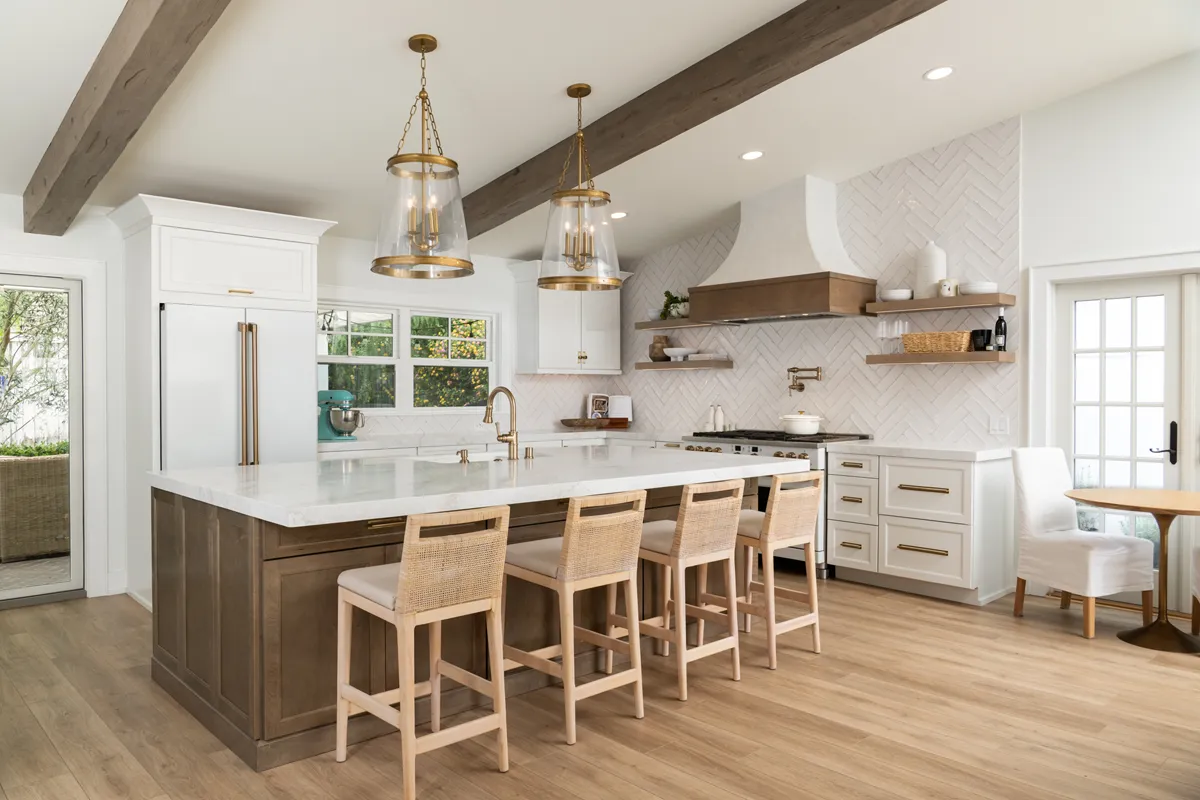
A finished Cumberland kitchen — also the lead spread on the dedicated project page guests get texted.
How we install the 4-touch engine in a Smyrna custom-builder firm.
Audit the last 36 months
We pull every completed Smyrna build. Score by community (Cumberland, Vinings, Belmont Hills, Smyrna proper), photography quality, and current client relationship temperature. Identify the 4–8 highest-leverage past clients to retro-activate.
Templatize the touches
Photography workflow, project-page CMS template, social-post system, gift framework, warranty-walk checklist. All four touches templated and assigned to one PM as a non-negotiable close-out checklist.
Backfill + roll forward
Past clients from the last 24 months get a retroactive sequence (project page + community post + 1-year warranty walk). Typical result: 2–3 booked consults inside 90 days, paying for the engagement before the new-project engine even matures.
A finished primary suite — every spread is a future referral conversation when the engine is live.
The Cumberland builder who added $2.4M in inbound contracts in year one.
A Smyrna custom builder doing 4 luxury homes a year along the Cumberland corridor was getting roughly 1 referred consult every 14 months. After installing the 4-touch engine and running a back-catalog activation on his last 6 completed homes, his inbound referral consults grew to 11 in the following 12 months. He closed 3 of them — $3.6M in contracted pipeline. Total marginal cost of the engine: roughly $3,200 a year across all clients in printing, framing, and gifts. ROI per dollar spent: not comparable to any other channel.
Inbound referred custom-home consults, month over month.
Each new build enters the engine on day 1. By year 3, you have 12+ activated past clients each producing 0.4–0.7 consults a year. That’s a pipeline.
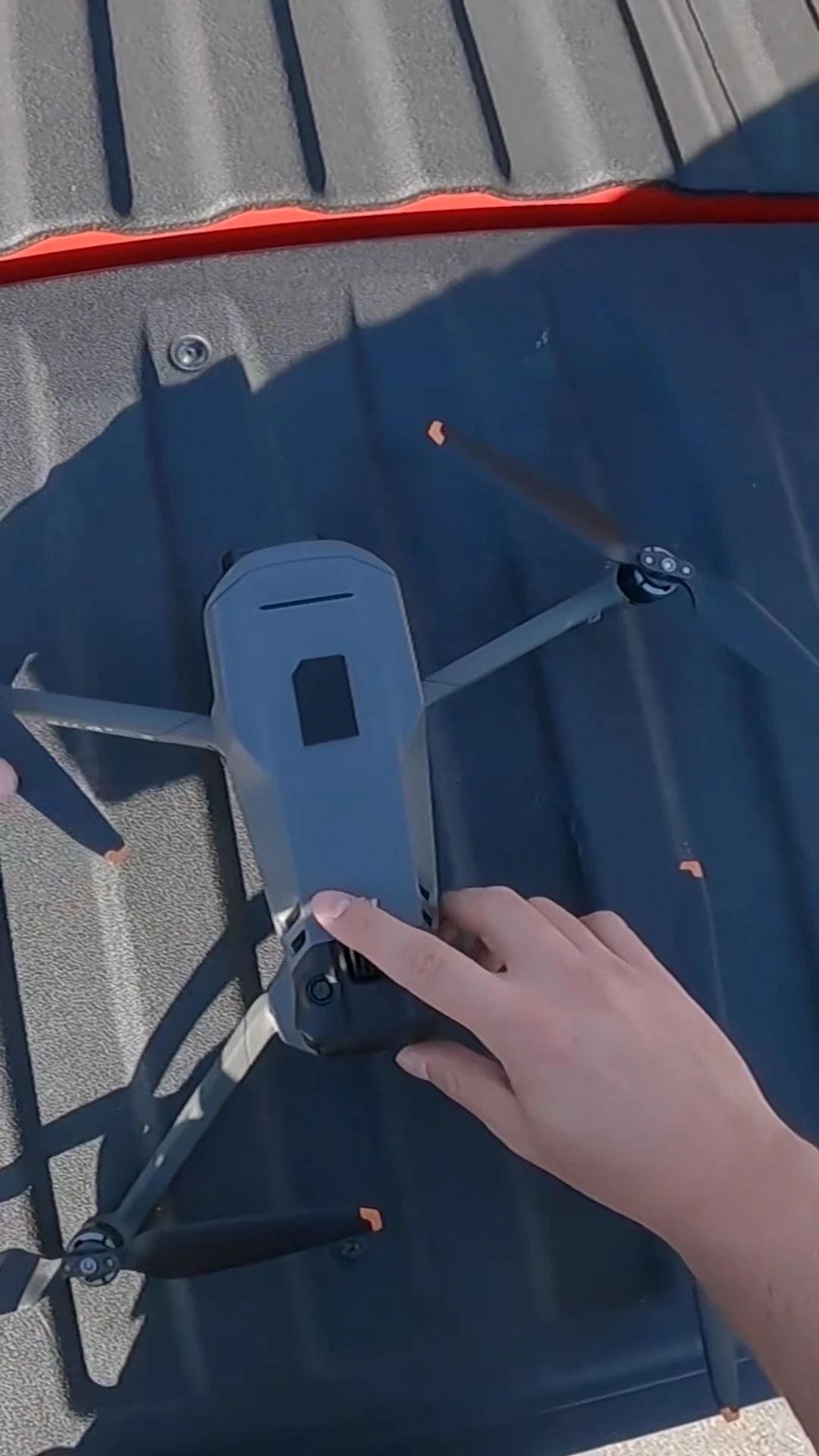
Behind the scenes — every Smyrna luxury build produces 30+ photo assets that double as the client’s gift on day 1.
Self-audit before you build the engine.
Walk these honestly. They surface the gaps that quietly kill luxury-builder referral systems before they start producing.
“Do I have professional photography on every Smyrna build I’ve completed?”
If half your past projects only have iPhone shots, step one is a back-catalog shoot. The engine can’t run without high-end imagery.
“Who owns the 6-month close-out calendar?”
The PM, in writing, with the four touches as a checklist. ‘We’ll remember’ becomes ‘we forgot’ on every project.
“Does my site support a dedicated indexed project page per build?”
One ‘portfolio’ page is a missed opportunity. Each home deserves its own URL — both for SEO and for the day-14 share artifact.
“Am I personally doing the 6-month warranty walk?”
The PM is fine for the punch list. The founder is what the client tells the Cumberland neighbor about. Don’t delegate.
“Am I tracking which past clients drive consults?”
By year 2, three or four clients will be driving 60% of your referred pipeline. Knowing who they are tells you who to invest deeper in.
“Have I defined the gift?”
A framed rendering. A bottle they mentioned during the build. A charitable donation in their name. Decide once. The gift becomes the dinner-party story.
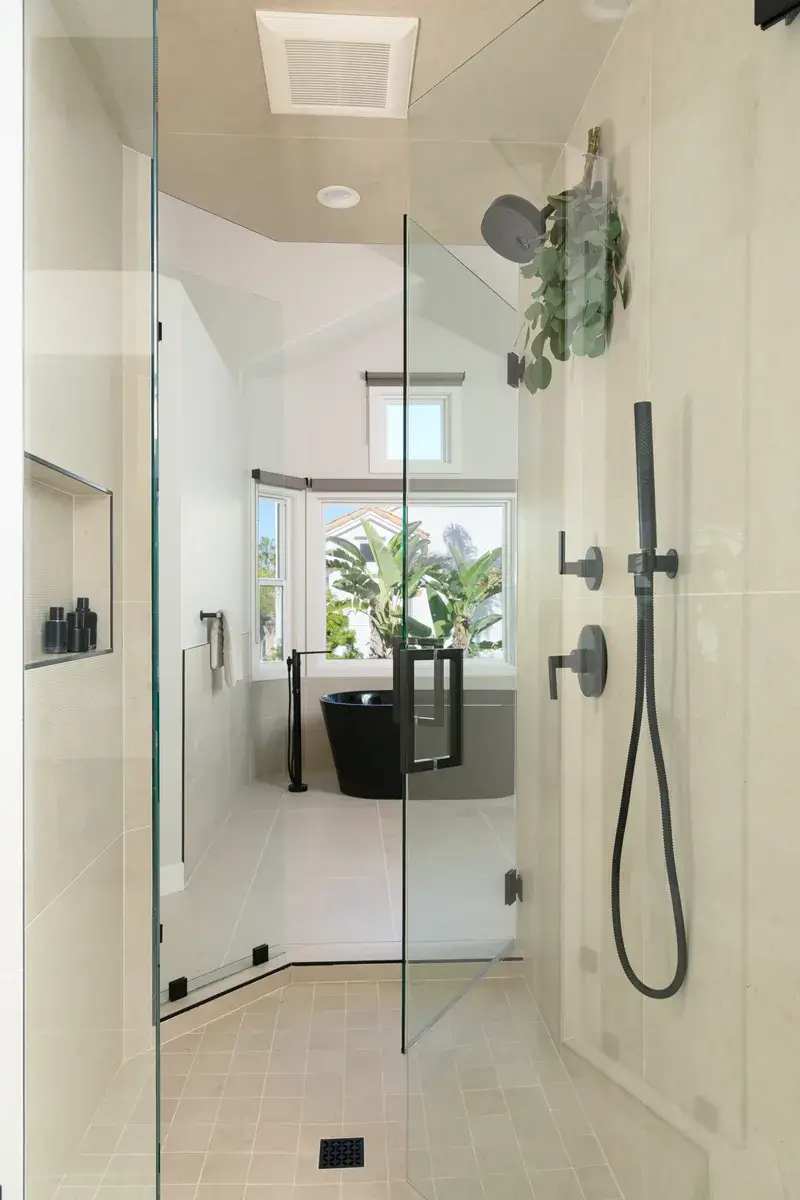
A Cumberland great room — the kind of photo the client texts to family on move-in day.
What Smyrna custom builders keep asking us.
The four touches are photography (you already have it), a project page (one hour of work per home), a community-tag social post (15 minutes), and a 6-month warranty visit (you should be doing this anyway). Total marginal cost per client is roughly $400–$700 in printing, framing, and gifts. ROI vs. paid acquisition isn’t comparable.
Cumberland clients tend to skew younger, more professional, and more socially networked than typical Smyrna buyers. They’re heavier social-media users — which means the day-30 community-tag post amplifies further. The 4-touch engine works for both segments but produces faster compounding in the Cumberland cohort.
Four. By six activated past clients across 2–3 Smyrna communities, the engine produces 3–6 inbound consults a year on its own. Below four, the system still works — it just compounds slower because the network density isn’t there yet.
Don’t run the engine on unresolved clients. Repair first. Sometimes that’s an extra warranty visit, sometimes it’s a frank conversation. Once the underlying issue is settled, even a recovered client can become a strong referrer — but only after the trust has been rebuilt.
No. It complements it. Even referred clients Google you before they call. The website, GBP, and authority content have to be strong enough to reinforce the referral. Think of the engine as the primary pipeline and digital as the trust layer that closes referred consults faster.
Imagine $2.4M in additional inbound Cumberland contracts a year — for $3,200 in marginal cost.
If you want a 30-minute call where we audit your last 36 months of Smyrna custom builds, score the referral pipeline sitting in your back catalog, and map the 4-touch engine to your Cumberland / Vinings / Belmont Hills client base — that’s free. We only work with one custom home builder per Smyrna zip.
Ready to turn searches into booked jobs?
Viral Spark is a home builder SEO agency built for North Atlanta contractors. We pair contractor website design with contractor SEO so the right customers find you first — no lead-buying. Get a free game plan →