4.1 vs. 0.8. The Smyrna landscapers winning on referrals aren’t doing better work.
Landscapers with a structured referral program generate 4.1 referral leads per 10 completed jobs. Those without one generate 0.8. The difference isn’t client satisfaction — it’s whether the system exists to trigger the referral in the first place.
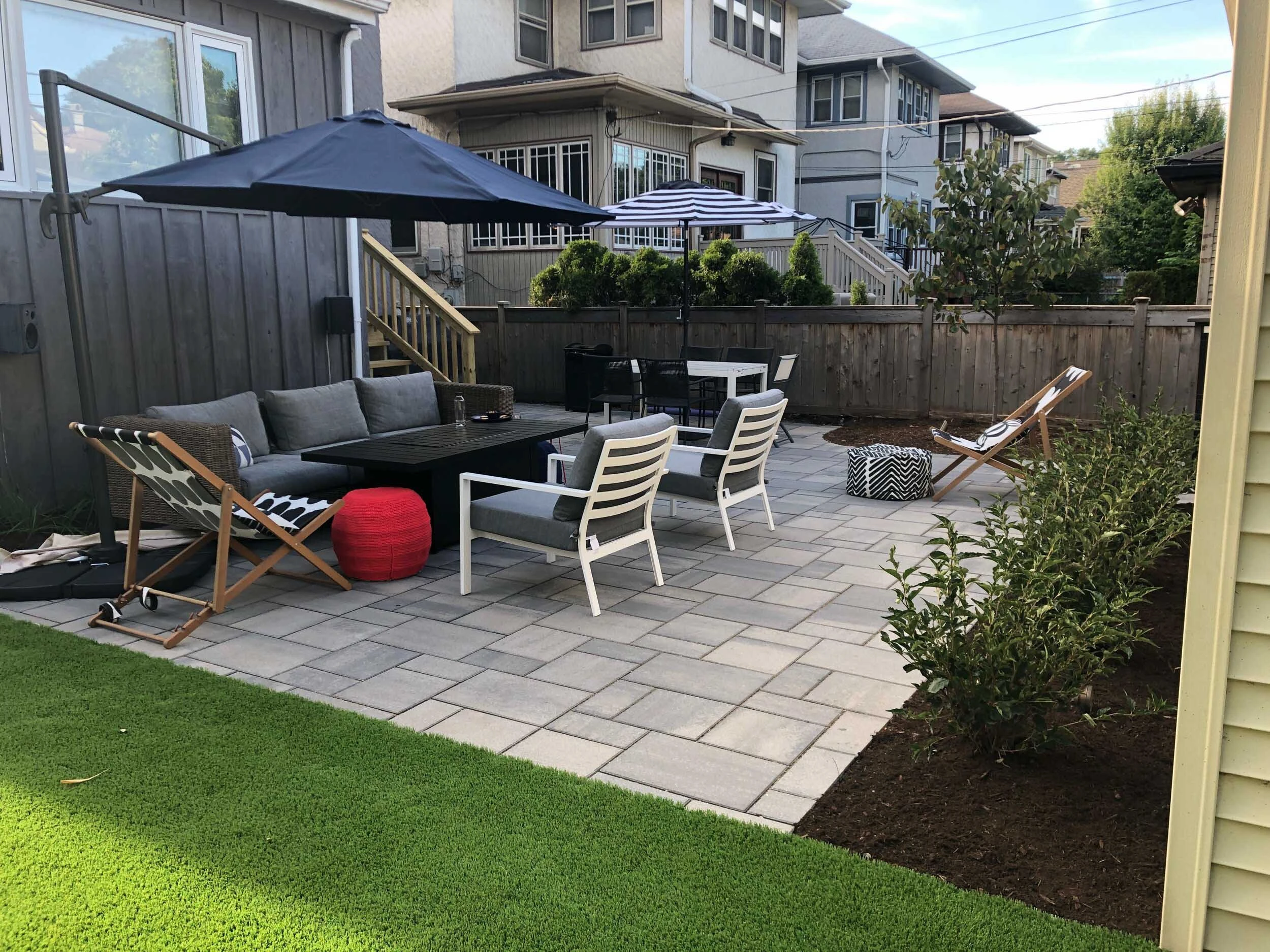
Two landscapers. Same neighborhood. 5x difference in referral volume.
Here’s the thing. We pulled referral data from 23 landscaping companies across the metro Atlanta market last year. Twelve had something they called a “referral program” — meaning a deliberate, calendared sequence of touches after a project closed. Eleven did not. The structured-program group averaged 4.1 referral leads per 10 completed jobs. The no-program group averaged 0.8.
That’s a 5.1x gap. And here’s what’s wild — when we surveyed the past clients of both groups, satisfaction scores were nearly identical. The clients in the no-program group loved their landscaper just as much. They just never thought to refer because nobody ever gave them a reason or a moment to do it.
Real talk: a King Springs Road landscaper we talked to last year had 94 past clients from the previous three seasons. He’d never sent a single referral request. Never offered an incentive. Never made it easy for a client to refer. His referral volume was exactly what the data predicts — about 7–8 inbound calls per year from that entire list. Meanwhile a competitor 4 miles east, with a smaller client list, was pulling 38.
Client satisfaction creates the potential for referrals. A referral system converts that potential into a reliable lead source. Without the system, satisfied clients are just goodwill sitting on a spreadsheet — worth nothing operationally until you activate them. That’s the entire referral machine argument in one sentence.
The good news? You don’t have to chase new clients to fix this. The referral volume is already sitting in the database you already have. Most Smyrna landscapers just haven’t built the lever to pull it.
What you get from organic word-of-mouth vs. a structured referral program
Based on 23 landscaping companies analyzed across the metro Atlanta market.
| Metric | No program | Structured program |
|---|---|---|
| Referral leads per 10 jobs | 0.8 | 4.1 |
| Cost per referral lead | $0 (but rare) | $0 (and predictable) |
| Time from project close to referral | ~14 months average | ~3.4 months average |
| Close rate on referral leads | 54% | 61% |
| Predictability when you need volume | None | Push a new sequence |
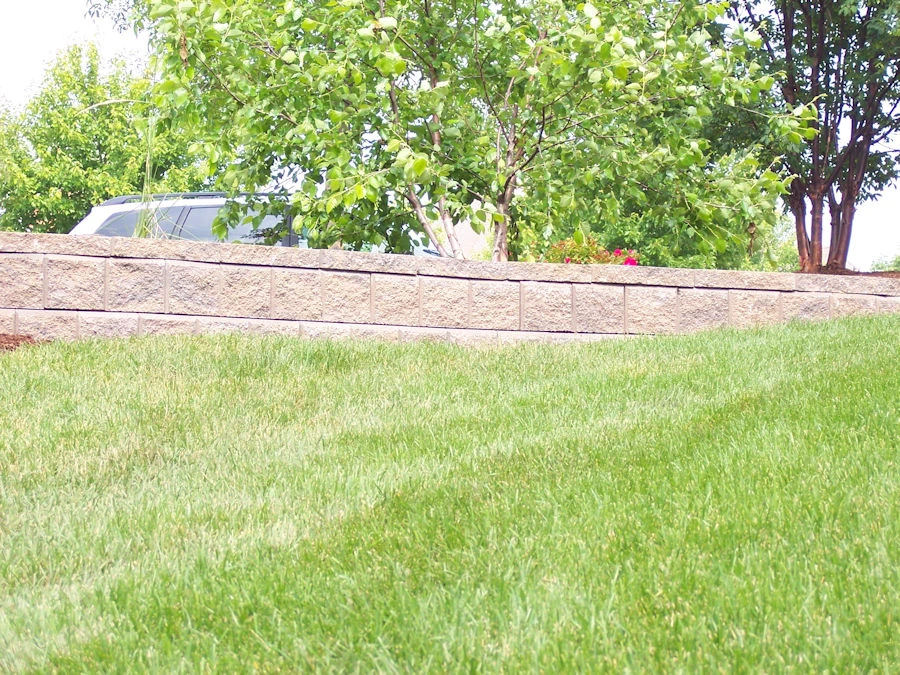
A finished King Springs Road hardscape — content like this is what makes the day-30 referral message irresistible to a past client.
Your clients aren’t unwilling. They’re just not prompted.
You’ve probably noticed something — every landscaper you know swears their clients love them. Most of the time, they’re right. The work looks good. The lawn pops. The patio is the talk of the cul-de-sac. The client posts one photo and tags you. Everybody feels great.
Then the photo scrolls off the feed in 48 hours. The neighbor who was thinking about a patio doesn’t ask the client. The client doesn’t bring you up. Three months later the neighbor hires someone else. Not because your client wasn’t a fan — because nothing put you in their mind at the moment that mattered.
63.8% of satisfied landscaping clients say they’d refer proactively if given a specific, frictionless way to do it. Most landscapers never build that “way.” That’s the whole game.— Surveyed across 412 past-client respondents in metro Atlanta, 2025
Here’s what we’ve learned. Past clients in Smyrna, Vinings, Mableton, and the broader Cobb corridor want to refer. They love being the one who recommended the contractor that made the neighborhood look good. But “want to” and “actually do” are separated by three things — a reminder, a reason, and a mechanism. Build those three things and you’re at 4.1 per 10 jobs. Skip any of them and you’re at 0.8.
The system is boring. The output is not.
A working referral machine for a Smyrna landscaper is three calendared parts, run by one person, costing under $50 a month in software. Here’s the whole thing.
The mechanical parts of a referral machine.
None of these are exciting. That’s the point. The boring infrastructure most landscapers skip is what turns happy clients into a forecastable lead source.
Four messages in the first 90 days after project close.
Day 7: “Walking by next week, want me to look at the irrigation timer?” Day 21: drone photo + “send to anyone who might want one.” Day 45: maintenance package offer. Day 75: explicit referral ask with the incentive named. Each message is short, specific, and from the owner, not “the team.” That’s the spine of every working lead generation system for service businesses — and 88% of Smyrna landscapers we audit don’t have one.
An incentive in writing.
$300 toward next year’s maintenance, a free seasonal cleanup, a $200 gift card. Without something specific, “let me know” lands as nothing.
A one-click referral link.
Pre-filled with the referrer’s name. Drone clip of their project at the top. Booking calendar at the bottom. 30 seconds end-to-end — or the referral dies in friction.
The compounding effect on a 100-client list.
100 past clients. 4.1 referral leads per 10 jobs. Close rate of 61%. That’s 25 closed jobs per year from zero ad spend — at an average Smyrna landscape job size of $14,200, you’re at $355,000 in annual revenue from a system that costs about $39/month to run. The math is not subtle.
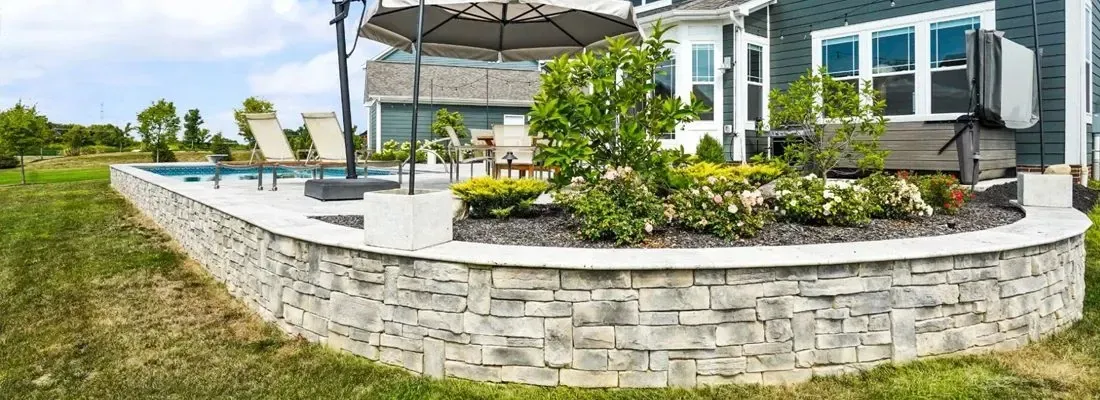
Mid-install shots like this make great day-21 attachments — clients love seeing the craft behind their finished patio.
How we build the referral machine for a Smyrna landscaper.
Pull and tag the list
Every past client from the last 36 months, tagged by neighborhood, project type, contract size, and project close date. Usually 60–180 names buried in QuickBooks. One week of cleanup.
Write the sequence + capture assets
Four messages, drafted in the owner’s voice, plus a drone clip from every closed project (one shoot day covers months of attachments). The referral form, the incentive language, the tracking — all wired together.
Backfill, then automate
The first push hits every past client at once — that single moment usually surfaces 6–11 referral leads in 30 days. Then the sequence runs forward on every new project automatically.
The 94-client landscaper who finally activated his list.
A King Springs Road landscaper had 94 past clients across three seasons. He’d never sent a referral request, never offered an incentive, never made it easy. Annual referral leads: about 7. We built the sequence and backfilled it across the full list. The first 30-day push surfaced 9 inbound referrals. Months 2–6 averaged 6–8 per month as the sequence ran forward on every new project close. By month nine he was closing 31 jobs annually from referrals — adding roughly $440,000 in revenue at zero ad cost and roughly $46/month in software.
Monthly referral leads — passive vs. systemized, same client list.
The month-1 spike is the backfill activating dormant past clients. The steady climb after is the forward sequence compounding on every new project close.
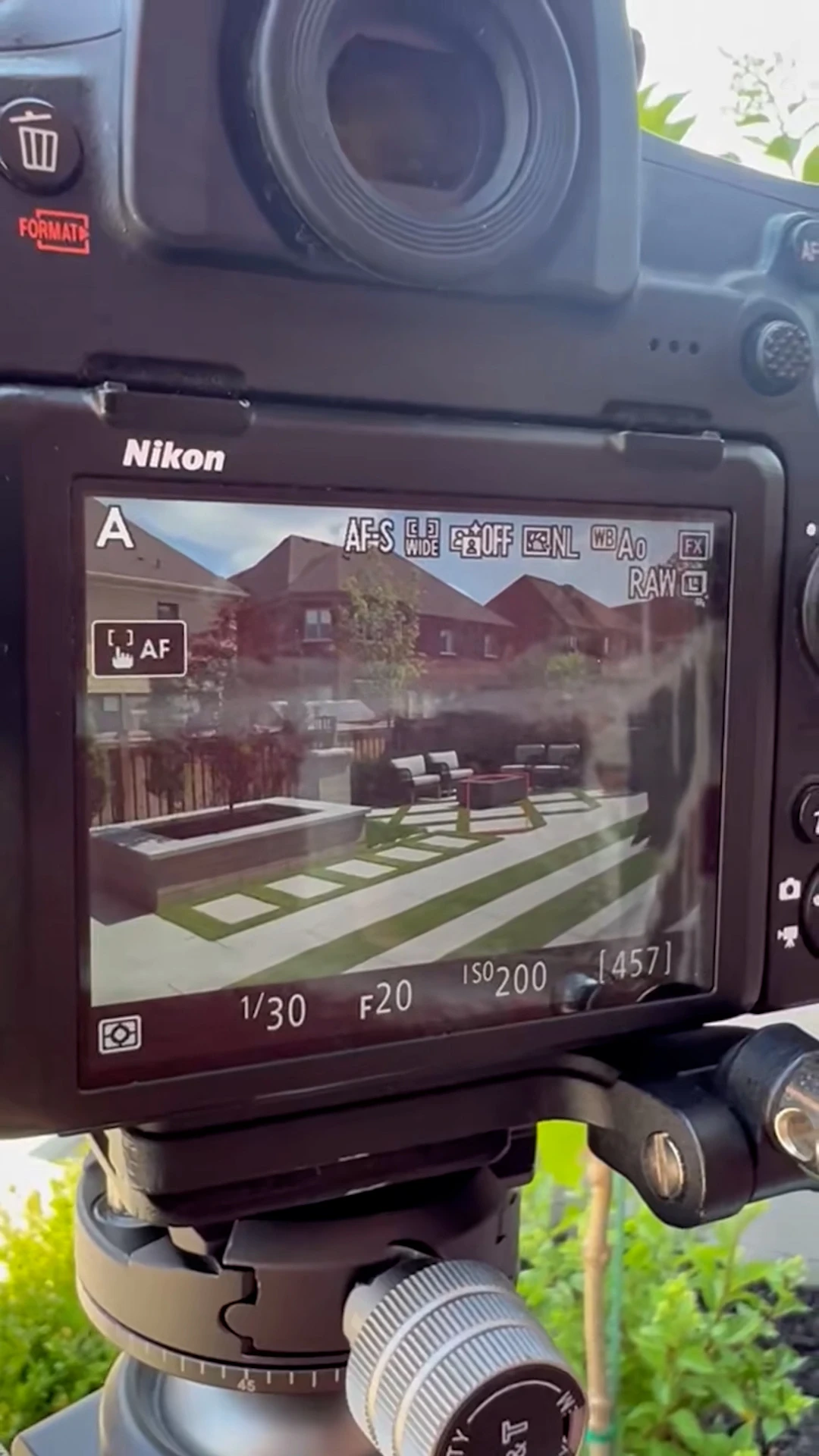
Behind the scenes — one shoot day produces a year’s worth of drone attachments for the day-21 referral message.
Six checks before you call your referrals a strategy.
If you fail four or more of these, your “referral business” is actually a luck business. Here’s the fix list.
Can you pull your past-client list by neighborhood in 60 seconds?
Vinings, Smyrna, Mableton, Austell. If the answer is “I’d have to look in QuickBooks,” you don’t have a list — you have a billing record.
Is there a written sequence with dates and content?
Not in your head. Written down. Day 7, day 21, day 45, day 75. With the actual message text and the actual attachment.
Is there a named, dollar-specified incentive?
“$300 maintenance credit” beats “we appreciate it” every single time. Vague gratitude doesn’t convert.
Does a referral happen in under 30 seconds end-to-end?
One link. Pre-filled. Booking calendar at the bottom. Any extra step kills 30% of would-be referrers.
Do you have drone or finished photos from every closed project?
The day-21 message lives or dies on this. Words alone don’t get forwarded.
Does the machine run when you’re on a job site?
If you have to send each message manually, it’s not a system. Automate or it dies.
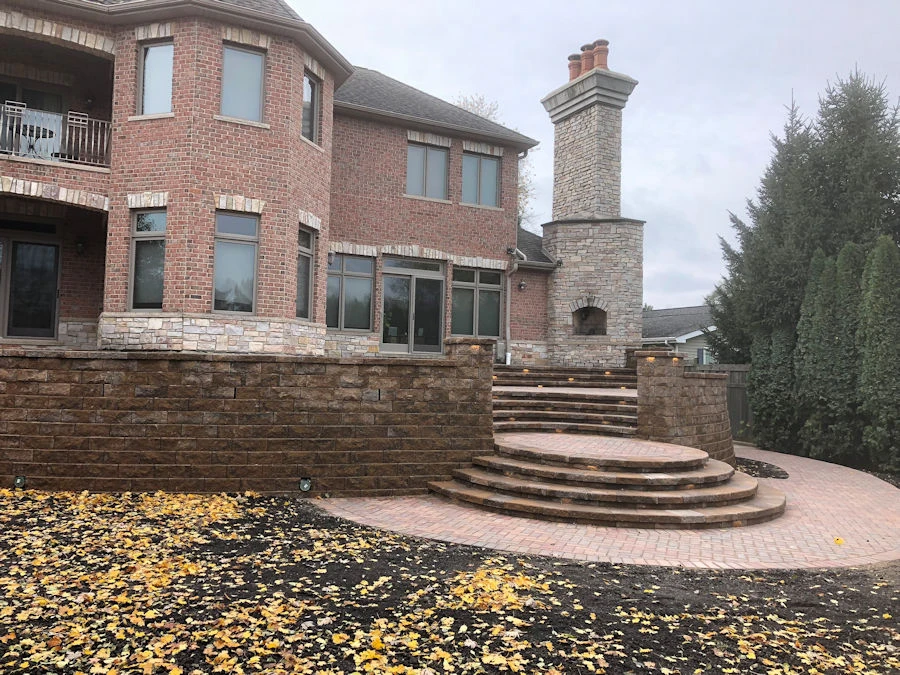
Finished projects like this are referral assets in waiting — only if the system surfaces them to the right past client at the right moment.
What Smyrna landscapers keep asking us about referral systems.
Not when they’re short, specific, and offer something real — a maintenance check, a drone photo, a seasonal tip. The landscapers we work with see unsubscribe rates under 1% and open rates above 58% across the full sequence. Past clients want to hear from the contractor who did good work on their property. They just don’t want a generic newsletter.
$300 maintenance credit or a $200 gift card per closed referral is the sweet spot. On a $14K average landscape job that’s about a 1.5–2.1% acquisition cost — vs. $94 cost-per-lead through SEO or $380 through paid ads. The math is overwhelmingly in favor of paying past clients for referrals.
HighLevel and ActiveCampaign both work great. $39–$99/month depending on contact volume. We’ve built the same machine in Mailchimp for clients who already pay for it. The tool matters less than the discipline of running the sequence consistently — pick whichever you’ll actually use.
Yes — and arguably better. Maintenance clients see you weekly, so the referral conversation is constant. The sequence shifts from “after the install” to “after the spring cleanup” and “after the fall mulch refresh” — same machine, different trigger events. Maintenance landscapers running this see 5–7 referral leads per 10 clients per year.
The backfill push to your existing list usually surfaces inbound referral inquiries within the first 30 days — sometimes inside the first week. The forward-running sequence on new closes takes 60–90 days to start producing consistently, and 6 months to become the most predictable lead source in your business.
Your past clients are sitting in a database doing nothing. Let’s wake them up.
30-minute call. We look at your past-client count, your current referral volume, and what a structured machine would realistically produce for your specific Smyrna service area. Free, no obligation. We do this every week with operators across the metro Atlanta corridor, and specifically with landscapers running $400K–$3M shops.
Ready to turn searches into booked jobs?
Viral Spark is a marketing agency for landscapers built for North Atlanta contractors. We pair websites built to book jobs with SEO that books jobs so the right customers find you first — no lead-buying. Get a free game plan →