Two Duluth roofers. Same subdivision. Only one phone rings after the storm.
Two Duluth roofers finish an Abbotts Way subdivision job on the same street, same week. One drives away. The other leaves three door hangers on adjacent neighbors’ doors. Storm season — guess which phone rings more.
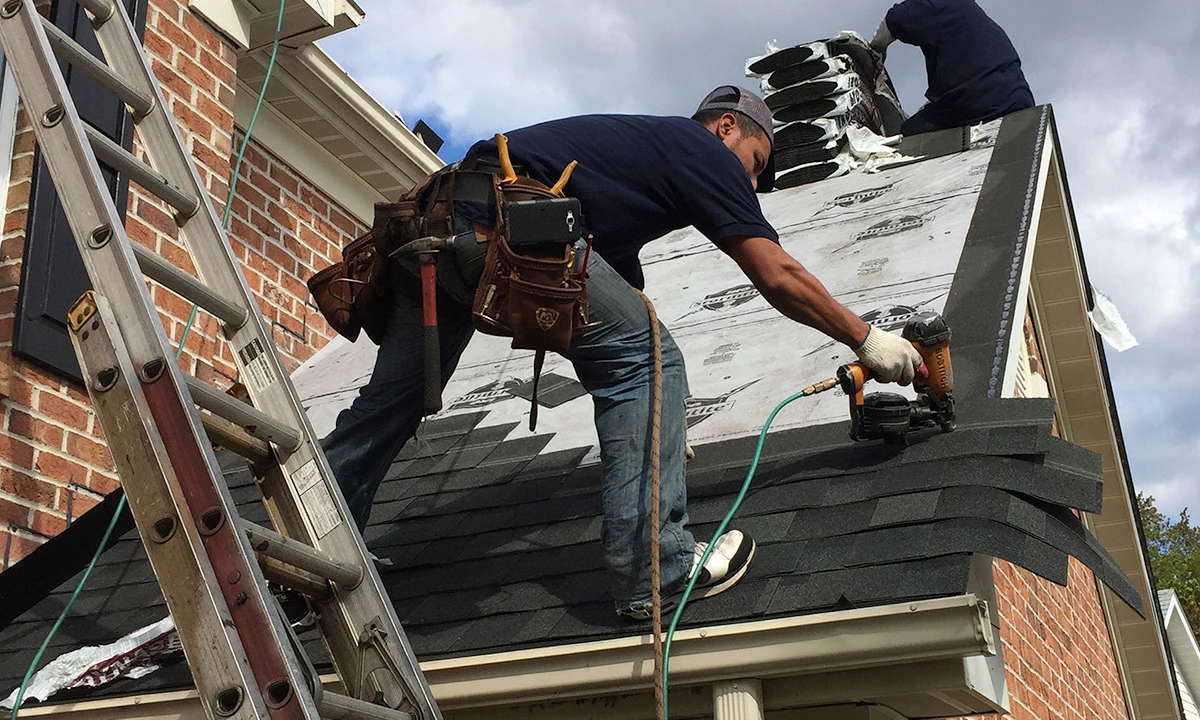
You’re leaving 2.8 quotes per job on the curb.
Here’s the thing. Every Duluth roof replacement is a marketing event whether you treat it like one or not. The crew is visible. The dumpster is visible. The trucks are visible for two to three days. 71% of Duluth homeowners say they called a roofer specifically because they saw his crew working on a neighbor’s house — making the active job site the highest-ROI referral trigger in the entire roofing category.
And yet most Duluth roofers working the Abbotts Way, Parkway Crossing, and Peachtree Industrial corridor subdivisions finish a job, load the trailer, drive away, and erase themselves from the street. Same crew that just gave you a 32-square install for $21,000 leaves zero physical evidence of the work behind. Not a hanger. Not a card. Not a yard sign. The two to three neighbors who watched the whole project happen never get contacted.
Real talk: those neighbors are the warmest leads you’ll ever get. They saw your crew show up at 7am. They saw the dumpster delivered. They watched the tear-off. They noticed the cleanup. They drove past for three days. By the time you pull out, they’ve already decided whether they trust you. The only question is whether you give them an easy way to call.
You’ve probably noticed the second and third roof on the same street tend to cost less to acquire than the first. There’s a reason — and most Duluth roofers are accidentally leaving that compounding effect on the table. A $9 door hanger fixes it. The agencies selling you $87/lead from Angi don’t want you to know that.
The good news? The fix takes 15 minutes per job, costs less than $40 in printed materials, and produces 2 to 3 additional inbound quotes per completed install in any dense Duluth subdivision. Let me tell you what actually works.
The pack-up-and-leave vs. the neighborhood cluster protocol
Same crew. Same finished roof. Completely different March pipeline.
| What you get | Pack up and leave | Cluster protocol |
|---|---|---|
| Adjacent neighbor inquiries | 0.4 average | 2.8 average |
| Cost to deploy per job | $0 | ~$40 |
| Close rate on cluster leads | N/A | 52% (they already trust you) |
| Time from sign to phone call | Never | 4–11 days average |
| Annual revenue lift (1 crew) | $0 | $58,000–$72,000 |
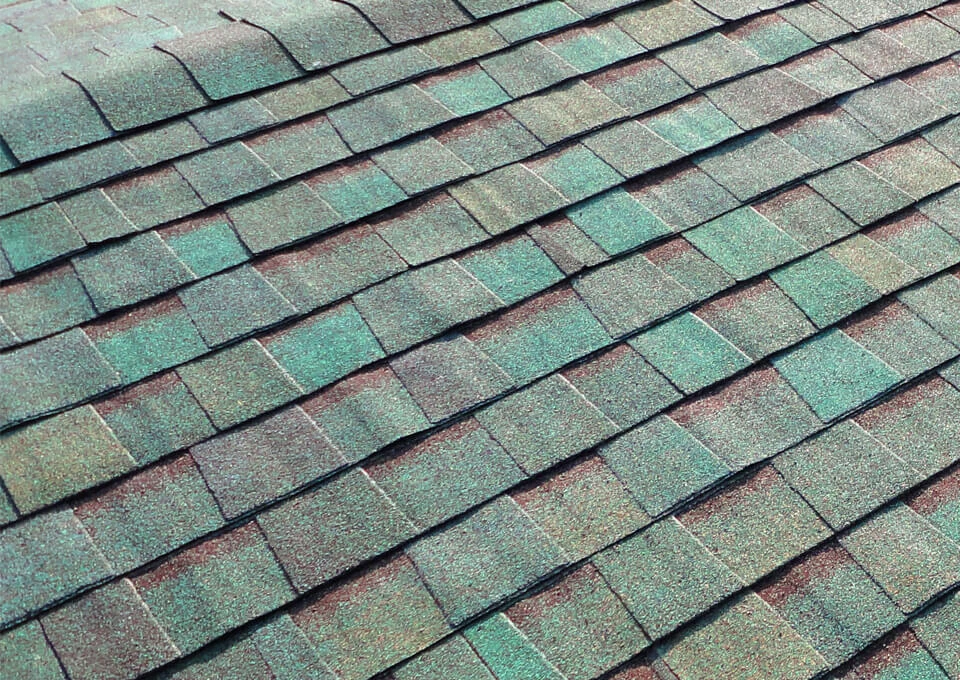
A typical Abbotts Way install — three trucks, a dumpster, and a six-person crew. Every adjacent neighbor is watching. Every one is a potential $19K quote.
Stop chasing storm leads. Start owning the eight houses around the one you just roofed.
The roofing industry has trained Duluth contractors to chase storms — race to the hardest-hit subdivision after every spring system, knock doors, push insurance claims, hope for volume. That works, but it puts you in direct competition with every storm chaser from Macon to Chattanooga who shows up the same week.
The contrarian play: stop focusing on finding new subdivisions and start systematically extracting every adjacent quote from the subdivisions you’re already in. Your competition does not run a cluster protocol. Almost nobody does. Which means the eight houses around your last Parkway Crossing install are uncontested — until you contact them.
This works in any season — but it absolutely dominates in storm season. After a hail event, Duluth subdivisions have a 60 to 90 day window where 30 to 70% of roofs need replacement. The roofer who is already known and trusted on that street (because his crew worked on it 6 weeks ago) becomes the default call. You’re not selling. The trust is already there. You’re just being the easiest one to find.
The cheapest roofing lead in Duluth isn’t a storm chaser knocking doors. It’s the neighbor of your last install who saw your crew clean up better than the prior owner’s grandkids.— What 40+ Duluth roofing conversations have told us
This isn’t a substitute for an inbound lead generation system — it’s the offline multiplier that makes the digital side compound faster. Pair the cluster protocol with a real Google profile and you’ll see ad spend drop 30 to 50% within six months.
The Duluth neighborhood cluster protocol.
Three small moves your crew can run on every completed Abbotts Way, Parkway Crossing, or Peachtree Industrial corridor job. Each costs almost nothing. Together they generate 2 to 3 additional quotes per install.
The cluster protocol, broken into parts.
Each part is something one crew member can do in under ten minutes. The compounding only happens when all three run on every install, in every subdivision, every time.
Eight door hangers, hung the day the dumpster lands.
Not at the end of the job — at the beginning. Hung on the four houses on each side and the four directly across. Simple message: “We’re replacing the roof at [address] this week. If you have any concerns about noise, debris, or our crew, here’s the owner’s cell.” That message disarms every objection a neighbor would otherwise have and makes the owner look professional. By day three, two to four of those neighbors are already asking the crew foreman if you can take a look at their roof too. Our Duluth roofing clients see this hit hardest in Abbotts Way and Parkway Crossing where homes are 18 to 25 years old and every third roof is at end-of-life.
The “we’re still here this week” check-in.
Day 2 of the install, foreman walks the same 8 doors. Knocks if a car is in the driveway, drops a card if not. “We’re wrapping up Thursday. Want a free inspection while we’re already on the street?”
The 7-day post-install postcard.
Sent to the 16 closest homes the week after the job. Photo of the finished roof. “We just replaced this roof on your street. Free inspection if you want one.” That’s it.
One subdivision job seeds the next two on the same street.
Door hangers warm up 8 houses. Day-2 check-in books 1–2 free inspections. The 7-day postcard adds 0.6–1 more. Combined, you’re looking at 2.8 average new quotes per completed Duluth subdivision job — and storm season triples that math because trust has already been established before the hail hits.
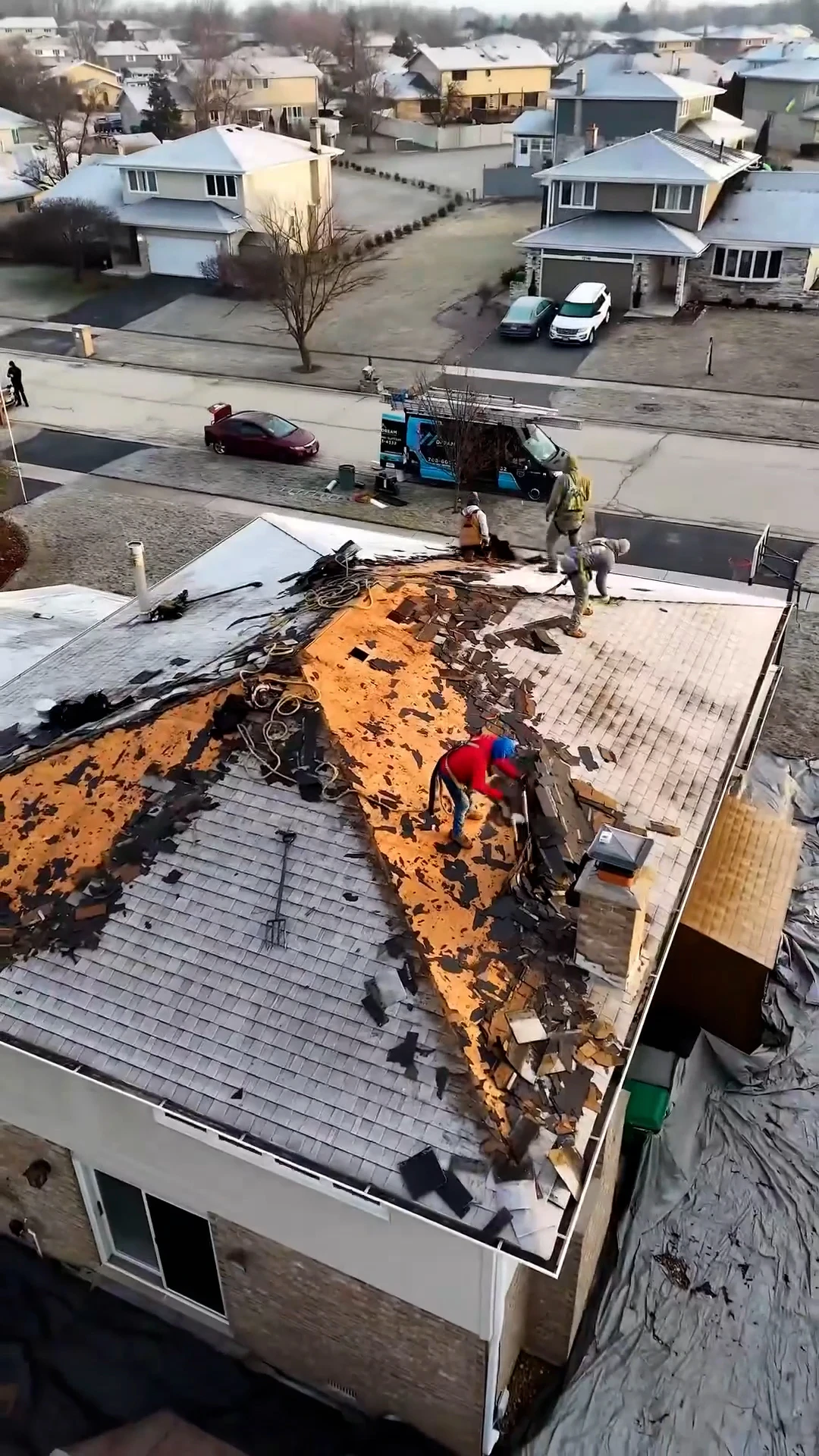
A finished Parkway Crossing roof — visible from every house on the cul-de-sac. The cluster protocol turns that visibility into quotes.
How we install the cluster protocol on a Duluth roofer.
Subdivision mapping
We map your last 50 completed jobs by subdivision, score each one for cluster density (number of neighboring homes 18+ years old), and rank them for retroactive postcard outreach. The top 30% become Wave 1.
Asset suite + crew training
Door hanger design, check-in card, postcard template, plus a 20-minute foreman training on the script and the cadence. Everything baked into the existing crew workflow — no new hires required.
Storm-season activation
When the next spring hail event hits, you already own the trust in the subdivisions where you’ve worked. We layer in geofenced ads to the same zip codes the day after the event — and the phone rings.
The Abbotts Way roofer who tripled storm-season volume.
A Duluth roofer working the Abbotts Way and Parkway Crossing corridor had built a solid 46-roof year on door-knocking and Angi. Average new quotes per completed job: 0.5. He launched the cluster protocol in April. By the next March storm event, he’d already roofed 12 homes in Abbotts Way and 9 in Parkway Crossing — every adjacent neighbor in those subdivisions had already been touched by his door hangers and postcards. When the hail hit, he booked 27 inspections in the first week without buying a single lead. His cost per booked $21K roof dropped from $1,140 to $310. He hasn’t bought an Angi lead since.
Cumulative inbound quotes from a single Abbotts Way install.
Storm season is when the cluster protocol pays off 3x. Trust is pre-built. Phones ring without ads. That’s the whole game.
Behind the scenes — every Duluth roof we shoot becomes the postcard image we mail to the 16 closest homes within seven days.
Six things every Duluth roofer needs before launching the protocol.
Skip any one and you’ll see modest lift. Lock all six in place and the cluster protocol becomes the highest-leverage marketing system your shop runs.
Door hanger design that doesn’t look like spam
Matte finish, two colors max, owner’s actual cell phone. The pre-job message disarms 90% of neighbor objections before they form.
Trained foreman with a tight script
The Day-2 check-in is a 30-second pitch, not a sales monologue. Train it once, run it every job.
Same-week postcard mailing
16 closest homes, sent within 7 days of completion. After Day 14 the trust window starts closing.
A real free-inspection offer
Not “we’ll come take a look.” A scheduled 20-minute visit with photos, a written summary, and zero high-pressure pitch.
Tracked QR or unique phone line
Every subdivision gets its own attribution code so you know which Duluth zip codes compound fastest.
2-hour callback promise
Neighbor inspection requests go cold fast. If you can’t return calls inside two hours, the system underperforms by 40%.
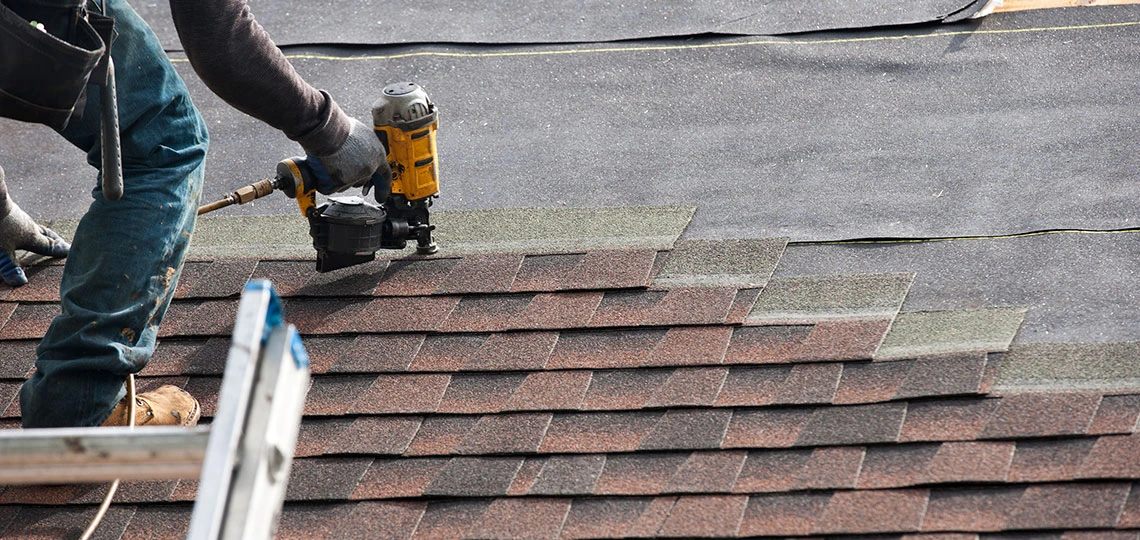
Three days of branded job-site visibility in a Duluth cul-de-sac. The neighbors are already 70% sold by Wednesday.
What Duluth roofers keep asking us about cluster outreach.
Opposite. They love it. The hanger makes them look like a thoughtful neighbor who warned everyone about the construction. A few will even text the owner thanking him for the consideration. It’s a professional signal that separates you from the storm-chaser crews dropping leaflets at random.
Every subdivision over 80 homes with average age 18+. Sparse rural roads don’t produce the geographic density needed. The Duluth corridors that perform best in our tracking: Abbotts Way, Parkway Crossing, the Peachtree Industrial Boulevard area, and the older sections of Sugarloaf. Avoid running it in HOAs that prohibit solicitation — check first.
More effective. Storm season is when the protocol pays off 3x — because you already have trust in the subdivision before the storm hits. The other 20 roofers are cold-calling. You’re the contractor whose crew the homeowner watched do clean, professional work six weeks ago.
Then a runner does it. Hire a part-time high school student at $18/hr to run the hangers on every job. The math still works at 5x that cost — the per-job lift is too big to leave to crew willingness.
No, but you should. The cluster protocol produces the warmest leads. Paid ads cover the gaps in subdivisions you haven’t touched yet. Run together they let most of our Duluth roofers cut paid spend 30–50% within six months while booking more jobs.
Imagine three free inspections from every install — without paying for a single lead.
If you want a 30-minute call where we map your last 50 completed Duluth jobs, identify the highest-density subdivisions still leaking, and design the door hanger + postcard system for your specific brand — that’s free. We do a few a week with roofers across North Atlanta’s home services market.
Ready to turn searches into booked jobs?
Viral Spark is a roofing SEO agency built for North Atlanta contractors. We pair websites built to book jobs with SEO that books jobs so the right customers find you first — no lead-buying. Get a free game plan →