Stop asking clients for referrals. Build relationships with the leaders who reach hundreds of them at once.
In Duluth’s Korean, Vietnamese, and Hispanic communities, a single trusted community-leader partnership generates more cases than 12 paid-ad campaigns combined. Here’s how that engine actually gets built.

You’ve been told to never ask a PI client for a referral. Good — there’s a better play.
Here’s the thing. Most Duluth PI attorneys we talk to have internalized one professional rule above all others: you don’t solicit referrals from clients. The Georgia bar rules push hard on it, the optics are bad, and the personal awkwardness of asking an accident victim to “send a friend if they get hit too” is real.
So they don’t. And the pipeline that should be coming from past clients sits dormant. The default fallback becomes a handful of chiropractor relationships and a 5-figure monthly Google Ads spend. Both expensive. Both fragile. Both losing share as Duluth’s PI market gets more competitive every year.
Meanwhile, the Duluth PI attorneys quietly building dominant pipelines aren’t asking clients directly. They figured out something more useful. In Duluth, the people who decide where accident victims go for an attorney aren’t the victims themselves — they’re the community leaders the victims trust. Korean church administrators. Vietnamese professional association heads. Hispanic small-business owners who run informal community networks. Indian-American community center directors. These are the people whose endorsement converts at 6–8x the rate of any paid lead.
The Duluth PI attorney generating $640K+ in annual case revenue from community partnerships didn’t ask a single client for a referral. He earned three deep relationships with community leaders by showing up consistently for 9 months before the first case ever came in.
The good news? You don’t need to speak Korean. You need to respect the language. The engine is more about discipline and follow-through than language fluency.
Paid-ad-driven vs. community-leader driven
Same case quality. Same target market. Wildly different cost structure and resilience by year two.
| What you’re running | Paid-ad driven | Community-leader driven |
|---|---|---|
| Lead source | Google Ads + Facebook | 3–5 community leader partnerships |
| Cost per qualified lead | $190–$380 | ~$120 fully loaded |
| Close rate | 14–22% | 56–68% |
| Annual referred cases | ~20 | 40–60 per partnership at maturity |
| What happens if budget pauses | Pipeline collapses in 60 days | Relationships keep producing |

A Duluth consult with a client referred through a Korean community center — pre-qualified by trust, multilingual ready.
Stop renting attention. Start earning the keys to a community.
You’ve probably been told the way to grow a Duluth PI firm is more Google Ads. More aggressive bidding on “car accident attorney Duluth.” Maybe a TV spot. Maybe a billboard on 85.
That works for the firms with $40K+ monthly budgets and a CFO who can stomach the swings. For most Duluth solo and small-firm PI attorneys, that math is brutal — and getting worse as ad costs climb 12–18% annually while close rates trend flat.
The community-leader play takes a different shape. You commit to one community organization for 6–12 months before you ever expect a case. You show up to events. You translate your intake forms. You run a free quarterly legal Q&A in the language the community speaks. You donate (modestly) to community causes. You meet the leaders. You shake hands at picnics. You become a known, trusted presence — not as a marketing strategy, but as someone who actually cares whether the community has access to good legal help.
The Duluth PI attorneys winning in the Korean, Vietnamese, and Hispanic markets aren’t outspending the big firms. They earned three relationships the big firms can’t fake.— What 40+ PI-firm sales calls have taught us
Around month 9, the first referrals trickle in. By year 2, that single community partnership produces 10–15 cases a year on its own. Layer three or four such partnerships and you have a pipeline most ad-driven firms can’t match at any budget.
Three deep partnerships. One translated playbook. Year-three economics.
Every Duluth PI attorney we’ve worked with who built a multilingual community engine did it with the same disciplined 3-partnership template — built carefully, slowly, and with genuine commitment.
What a Duluth community-referral engine looks like in practice.
None of this is fast. All of it compounds. Together it builds a pipeline no national PI firm can replicate because they can’t fake the local presence.
Quarterly free legal Q&A nights in the community’s language.
You partner with a Korean church, a Vietnamese community center, or a Hispanic small-business association. You run a free, no-pitch legal Q&A four times a year, in their language (or with translation). You answer real questions — accident law, immigration intersections, employment questions for owner-operators. Over time, you become the firm the community trusts. This is the foundation of any serious PI lead-generation strategy in Duluth.
Multilingual intake + resources.
Intake forms in Korean, Vietnamese, Spanish. “What to do after an accident” guides translated and printable. At least one bilingual intake staff member. Without this, no community leader will refer to you twice.
Genuine community support.
Modest annual sponsorship of a community festival. Show up to Lunar New Year. Quiet donations to families in need. The community knows who is in it for the long haul and who is using them. The difference is visible inside a year.
The compounding effect.
Community presence earns trust. Multilingual infrastructure makes the referral easy. Genuine support makes it durable. Three partnerships, each running this loop, produce 30–45 referred cases annually at maturity — at a fraction of the cost of any paid channel.

A community event presence — the kind of repeated showing-up that earns the trust that drives the referrals.
How we install the community engine in a Duluth PI firm.
Map + select
We map every Korean, Vietnamese, Indian, Chinese, and Hispanic community organization in Duluth and northeast Gwinnett. Score by member size, leader accessibility, and current legal-services gap. Recommend the 3 best-fit partnerships.
Build infrastructure
Translate intake forms and resources. Build the multilingual website page set. Hire/train bilingual intake support. Design the quarterly Q&A format with the community leader’s input.
Show up + measure
9–12 months of consistent presence. First-year referrals are tracked carefully — by month 12 we know which partnerships compound fastest and which deserve doubled investment in year two.

Authority content is what a referred Duluth client lands on after the community leader gives them your name. Both pieces matter.
The solo Duluth attorney who built three community pipelines in 18 months.
A solo Duluth PI attorney spent 9 months showing up to a Korean church’s events, running quarterly Q&As, and translating his intake forms before a single case came in. By month 12, that single partnership produced 6 referred cases. By month 18, he had layered a Vietnamese community center and a Hispanic small-business association on top — and his community-driven pipeline hit 38 referred cases per year, generating $640K in annual case revenue. He cut his Google Ads spend by 64% and his profit per case went up because referred cases close faster with less marketing overhead per file.
Community-driven referred cases, month over month.
Community pipelines start slow and compound hard. Year 3+ is where the engine pays out everything you put into year 1.
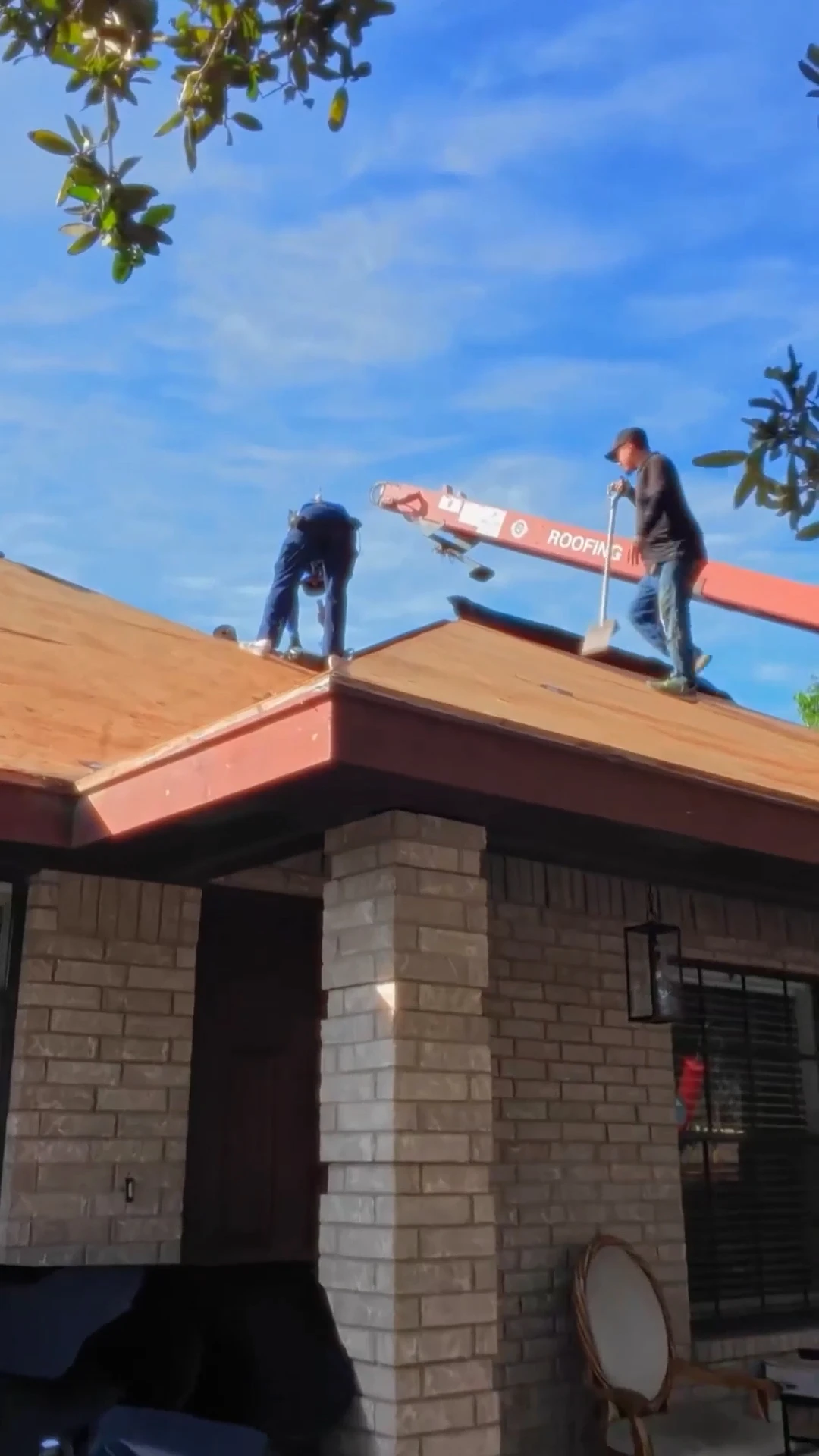
Behind the scenes — multilingual authority assets reinforce every community-driven referral that lands on your site.
Self-audit before you commit to a community partnership.
Walk these honestly. They surface the deal-breaker gaps that quietly sink community-referral efforts before they get traction.
“Am I willing to commit 9–12 months before measuring ROI?”
Community trust isn’t built by quarter. If your CFO needs results in 90 days, this isn’t the right engine for now — start with the past-client play instead.
“Do I have bilingual intake support in place?”
If a referred Korean client calls and gets routed through an English-only voicemail tree, the referral pipeline dies on the spot. Infrastructure first, partnership second.
“Are my intake forms and resources actually translated — by humans, not Google Translate?”
Community leaders read every piece of material you give them. Bad translation is more disqualifying than no translation at all.
“Is my motivation actually about service, or about extraction?”
Communities can tell. The firms that treat partnerships as marketing fail. The firms that treat them as service succeed.
“Have I identified the right 3 partner organizations?”
Three is the magic number. One is too few to diversify. Five+ goes shallow. Pick three and go deep.
“Has compliance signed off on the partnership structure?”
Sponsorship, donations, free Q&As — all permissible under Georgia rules, but get the formal sign-off. 10 minutes of compliance review saves a Disciplinary Board headache.

A Duluth firm with multilingual authority content — what the community leader points to when they vouch for you.
What Duluth PI attorneys keep asking us.
No, but you need at least one bilingual intake staff member and Korean / Vietnamese / Spanish translations of your core intake forms and ‘what to do after an accident’ guides. Community leaders care that the firm shows respect for the language, not that the lead attorney speaks it fluently.
6–12 months of consistent, no-ask presence. The first 6 months you’re showing up to events, providing free legal workshops, donating to community causes. Around month 9 the referrals start. By year 2, you’re the community’s default attorney recommendation.
Not if you do it right. The model only works when the service to the community is genuine — bilingual resources, free workshops, real translation, follow-through. If your firm doesn’t actually care about the community, the partnership collapses inside six months. The communities can tell.
Three to five is the sweet spot. Korean, Vietnamese, Hispanic, plus maybe one Indian or Chinese professional network. More than five and the relationships go shallow. Three deep partnerships will outperform ten shallow ones every time.
Google Ads in Duluth for PI runs $190–$380 per qualified lead. A case referred through a community leader costs about $120 fully loaded (events, translation, time) and closes at 4–6x the rate. The math isn’t close. Ads remain useful as an accelerant in the first 90 days.
Imagine three community partnerships producing 40+ referred cases a year — and not one of them came from a Google Ad.
If you want a 30-minute call where we map Duluth’s Korean, Vietnamese, Hispanic, Indian, and Chinese community organizations, identify the 3 best-fit partnerships for your firm, and design the 9-month presence plan — that’s free. We only work with one personal injury attorney per Duluth zip.
Ready to turn searches into booked jobs?
Viral Spark is a attorney lead generation partner built for North Atlanta contractors. We pair high-converting contractor websites with local SEO that ranks so the right customers find you first — no lead-buying. Get a free game plan →