Why does a Suwanee remodeler with 200 projects get 6 referrals — while a competitor with 80 gets 31?
It isn’t quality. It isn’t likability. It’s a system. Here’s the post-completion referral engine the busiest Suwanee home remodelers quietly run — without ever feeling like they’re “asking.”

200 happy clients, six referrals. The math is brutal.
Here’s the thing. Most Suwanee home remodelers we talk to have 5-star reviews stacked deep, 150–250 completed projects in the rearview, and a steady stream of glowing post-project texts from clients. And then they wonder why their phone only rings 6 times a year with a “my neighbor said you were great” call.
The answer is uncomfortable. It’s not that your clients don’t want to refer you. It’s that you never built the bridge between “I love my new kitchen” and “I just told three friends to call you.” Those are two completely different events. Most remodelers assume the first one causes the second one automatically. It doesn’t.
Real talk: 87% of homeowners who finished a remodel they were happy with told us they would have referred their contractor — if the contractor had asked at the right moment, in the right way. Only 19% ever do without that prompt. The other 68% sat on a fully loaded referral and never pulled the trigger because nobody loaded the chamber.
The Suwanee remodeler with 80 projects and 31 referrals isn’t doing better work. He’s running a post-completion sequence the 200-project remodeler never built. Same clients. Same kitchens. Wildly different revenue.
The good news? You don’t need to be a marketer to fix this. You need 5 touchpoints in the 90 days after handover, and the discipline to actually run them. That’s the whole game.
Passive word-of-mouth vs. a real referral machine
Same project quality. Same Edinburgh and River Club clientele. Completely different referral math by year two.
| What you’re running | Passive word-of-mouth | Post-completion machine |
|---|---|---|
| Post-handover contact | Thank-you text, then silence | 5 timed touchpoints over 90 days |
| Referral conversion | ~19% of happy clients | 52–61% of happy clients |
| Avg referrals / client | 0.2 | 1.4 |
| Cost per booked referral project | $0 (and one every 14 months) | ~$140 in time + gifts |
| What happens at 200 clients | 6 referrals/yr | 31+ referrals/yr, compounding |
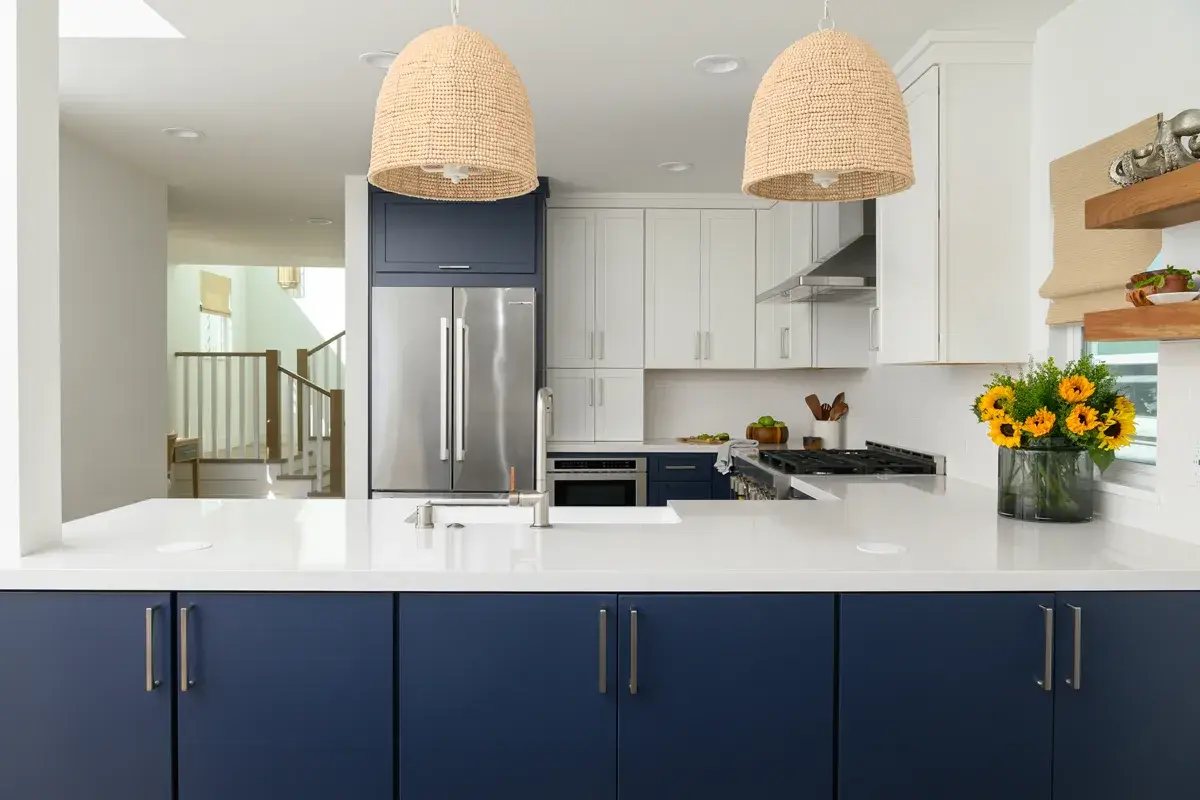
A finished Edinburgh-area kitchen — week one, every visitor gets the tour. That’s the referral window.
Stop hoping clients remember you. Build a system that reminds them.
You’ve probably been told “do great work and the referrals come.” That’s half-true. Great work is the price of admission. Without it, no system on earth will save you. But with great work alone, the average Suwanee remodeler is leaving 60–70% of his potential referral pipeline sitting in his client database, silently aging out.
Here’s why. The peak referral window for a remodel client is roughly weeks 3–8 after handover. Why? Because that’s when the kitchen is brand new, every dinner guest gets a tour, every Suwanee soccer-mom carpool stops by, every school friend comes over for the post-game pizza. The remodel is the conversation piece. Your client is, in that window, the most natural salesperson you’ll ever have.
Then week 9 hits. The newness wears off. The kitchen becomes “just the kitchen.” Visitors stop asking. Your client moves on. And every month after that, the probability of a referral drops. By month 6, you’re statistically invisible. By month 12, your client genuinely can’t remember the name of the company that did the work.
The Suwanee remodelers winning at referrals didn’t do better kitchens. They built a 90-day system that puts them back in their client’s mouth at exactly the moments visitors are asking “who did this?”— What 40+ home-remodeler sales calls have taught us
That’s it. That’s the whole insight. Referrals aren’t a personality trait of the contractor. They’re a function of the system that runs after the project ends. Build the system once, and a fleet of Suwanee neighborhoods between Edinburgh, The River Club, Brookwood Colony, and the Settles Bridge corridor becomes a pipeline that compounds.
Five touchpoints. Ninety days. That’s the engine.
Every Suwanee remodeler we’ve worked with who flipped from “6 referrals a year” to “31+” did it with the same five-touch sequence. It doesn’t require ad spend. It doesn’t require a CRM you don’t have. It requires discipline.
The 90-day machine, end to end.
Each touchpoint has a job. Skip one and the conversion rate halves. Run all five and you’re sitting on the kind of referral pipeline most Suwanee remodelers think only their favorite competitor has.
Professional photos delivered as a gift, not a sales asset.
Three days after handover, you deliver 12–20 magazine-quality photos of the finished space to the client — via a private link, beautifully presented, with a short note. No watermark. No “feel free to tag us” ask. Just a gift. The client immediately texts these to family, posts a few, and shares the link with friends. Half of your future referrals start here, in a moment that costs you $400 and feels nothing like marketing. That’s also exactly what proper contractor lead generation looks like when the funnel includes referral compounding.
Neighbor-notice cards.
Eight printed cards delivered to the 8 closest homes: “Your neighbors at [address] just finished their kitchen remodel — here’s who did the work.” Lead source you didn’t have to chase, on a street where someone is always next.
The “entertaining-yet” check-in.
A short text or quick call: “Have you hosted anyone in the new space yet?” That single question reopens the conversation, almost always produces a positive story, and is the most natural setup ever invented for a referral ask.
The referral activation + the anniversary loop.
Day 45 is a hand-written note with a small gift (think $200 to a local restaurant, or a charitable donation in their name) and one line: “If you ever hear a friend or neighbor talking about doing a similar project, we’d love an introduction.” Day 90 is a check-in text plus a quiet calendar entry to repeat the 45-day note at the 1-year anniversary. That last loop is what turns one project into 3–5 lifetime referral opportunities.
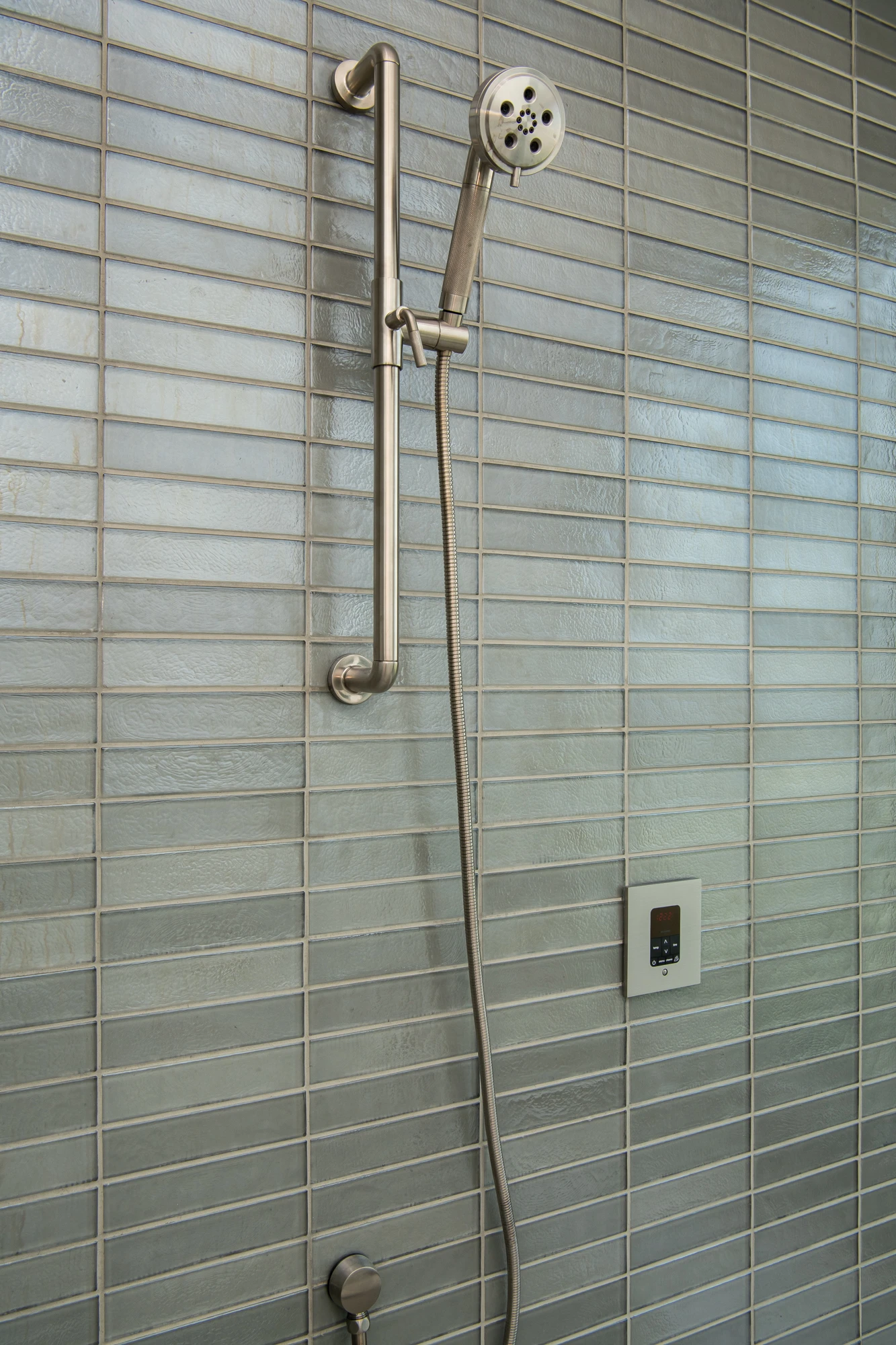
A finished primary bath — same engine, same window, same compounding effect.
How we install this engine for a Suwanee remodeler.
Audit the last 24 months
We pull every completed Suwanee project. Score them by neighborhood density, project size, and client relationship. Identify the 30–60 past clients sitting on un-activated referral potential right now.
Build the 90-day sequence
Templates, scripts, photo workflow, neighbor-notice cards, gift logistics, calendar automation. The five touches become a system anyone on your team can run without thinking about it.
Activate the back catalog
Before we even start on new clients, we run a “we missed this” sequence on past clients from the last 24 months. Typical result: 4–8 booked referral consults in the first 60 days, before the new-project engine even kicks in.
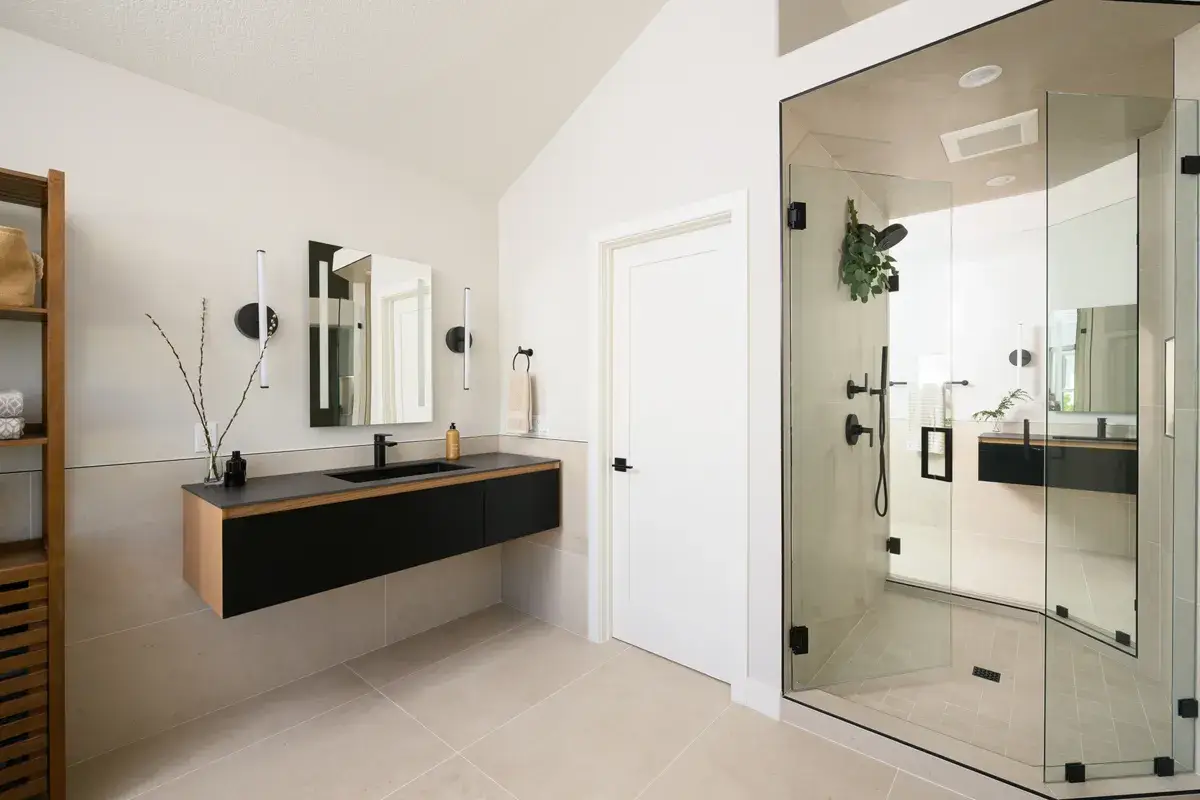
Mid-build shots like this also feed the post-completion sequence — clients love seeing their own project as a “before.”
The Edinburgh remodeler who flipped the math in 9 months.
A Suwanee remodeler with 11 years in business and 217 completed projects across Edinburgh, The River Club, and Brookwood Colony was averaging 6 referrals a year. Beautiful work. Stacked reviews. Nothing systematic after handover. Nine months into running the 5-touch engine — plus a back-catalog activation on his last 38 clients — he booked 14 inbound exclusive consults from the system, closed 9 of them, and added $94,200 in referral revenue on top of his normal book. Cost: about $4,800 in gifts, photo edits, and printing.
Inbound referral consults, month over month after the engine turns on.
Referral systems compound. Lead platforms reset every month. Year 3 of a real engine outperforms every paid channel you’ll ever buy.
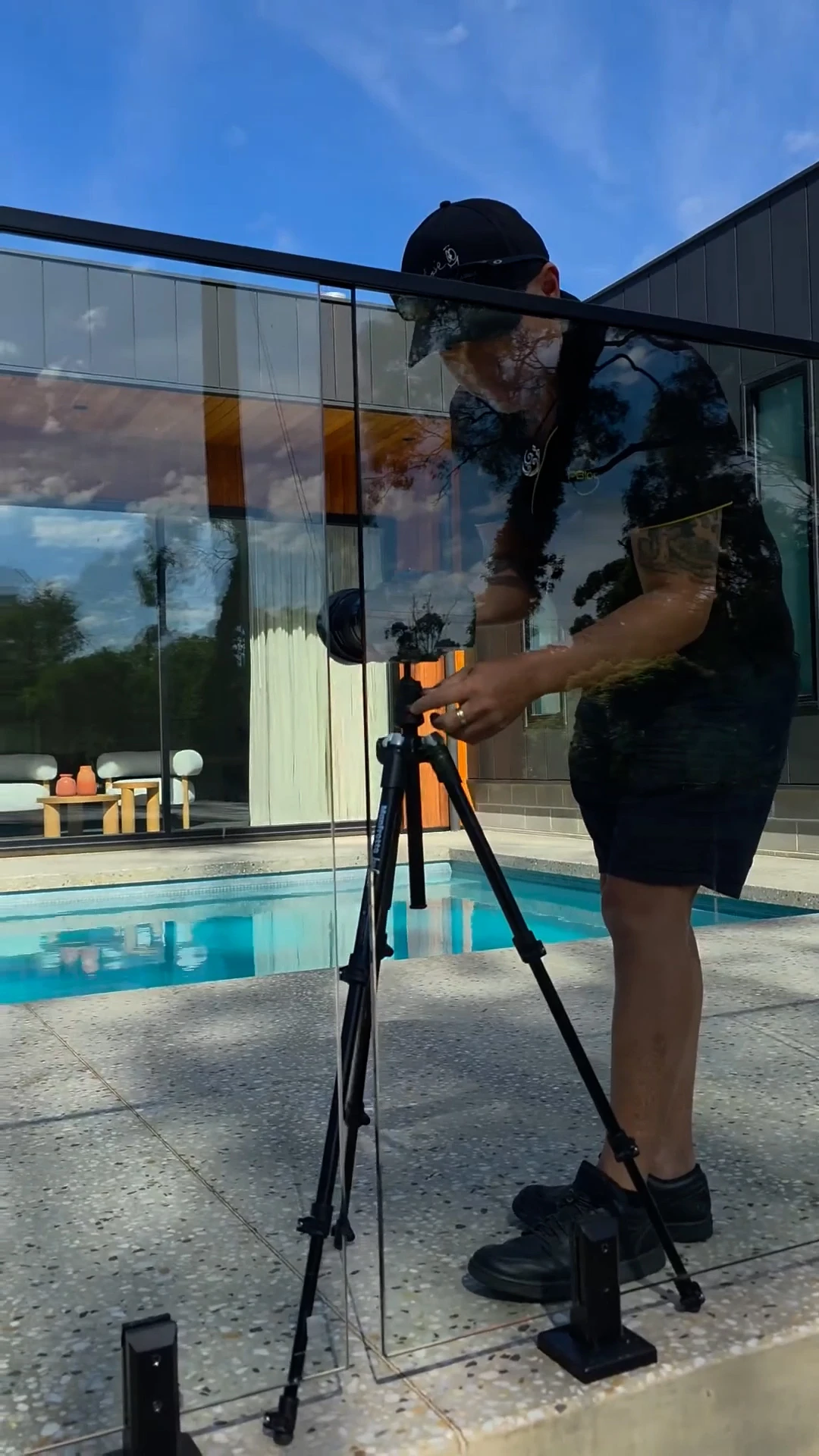
Behind the scenes — every Suwanee project becomes 12–20 photo assets that fuel the referral engine.
If you can’t answer these six honestly, the engine will leak.
Before you spend an hour building a single template, walk through these. They surface the gaps every Suwanee remodeler has and never sees.
“Do I have a clean list of the last 24 months of clients?”
Names, addresses, project type, photos, completion dates. If it lives in scattered email threads, the engine can’t run. Step one is consolidation.
“Am I shooting every finished project professionally?”
iPhone photos don’t get re-shared at Edinburgh dinner parties. Real photography does. This is the cheapest lever and the most-skipped one.
“Do I have a written 5-touch sequence?”
If “the referral system” lives in your head, it doesn’t exist. Documented sequence, owned by one person on the team, run on a calendar.
“Have I defined what a ‘gift’ looks like for my brand?”
$300 to a local restaurant beats a fruit basket every time. A donation in the client’s name beats both for a $200K+ remodel client. Decide once.
“Am I tracking referrals back to source?”
“My neighbor recommended you” is data. Log it. By month 12 you’ll know which neighborhoods, which project types, and which clients drive the most pipeline.
“Do I have a 1-year anniversary loop?”
The single highest-ROI touch in the entire engine. A note + a small gift on the project anniversary regenerates referrals from clients you haven’t talked to in 11 months.
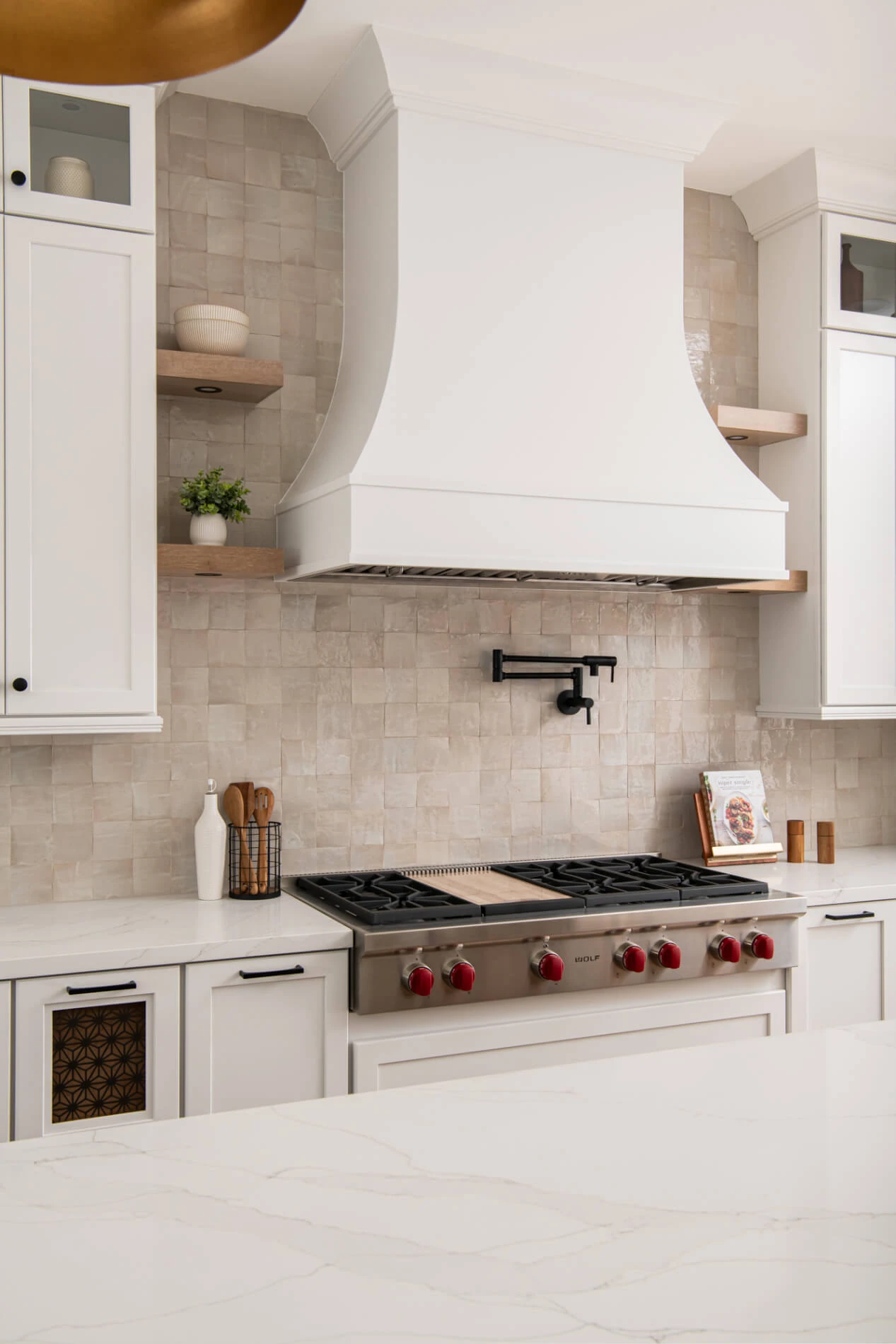
Every finished primary suite is a one-year referral asset. The engine is what makes it pay.
What Suwanee remodelers keep asking us.
If you activate the system on past clients from the last 24 months, the first 1–3 booked referral consults usually show up inside 30–60 days. The compounding kicks in around month 6, once each new project rolls into the same post-completion sequence and the network starts feeding itself.
It is — if the ask is awkward, transactional, or generic. The Suwanee remodelers winning at referrals don’t ask cold. They time the ask to the peak excitement window (weeks 3–8 after handover), they make it specific, and they make it easy to share. Done right, it doesn’t feel like an ask at all.
Cash kickbacks cheapen the brand. Thoughtful gestures (a $300 gift to the client’s favorite local restaurant, a charitable donation in their name, an annual maintenance check on the kitchen they remodeled) work beautifully. The bar is: does this feel like a thank you, or a bribe?
That’s actually the ideal scenario. Density compounds. Three referrals out of Edinburgh, two out of The River Club, and four out of Brookwood Colony in a single year will lock you into those communities for a decade. Concentrated past work is a feature, not a bug.
Helpful, not required. The core referral engine runs on the post-project touchpoint sequence (photos, follow-ups, neighbor-notice cards, anniversary check-ins). Social adds amplification — a client who tags you in a kitchen reveal post triples reach — but the system produces referrals without it.
Imagine getting 31 inbound Suwanee referral consults a year instead of six.
If you want a 30-minute call where we audit your last 24 months of completed projects, score the referral potential sitting in there right now, and map the 5-touch engine to your specific Suwanee neighborhoods — that’s free. We do a few of these a week with home remodelers across the North Atlanta corridor, and we’ll only take on one remodeler per Suwanee zip.
Ready to turn searches into booked jobs?
Viral Spark is a remodeling marketing agency built for North Atlanta contractors. We pair websites built to book jobs with SEO that books jobs so the right customers find you first — no lead-buying. Get a free game plan →