How Cumming roofers build a referral machine that runs without them asking for it.
Stop treating referrals as something that happens after great work. In Forsyth County, great work is the minimum — the referral machine is built in the 30 days after the job, not during it.
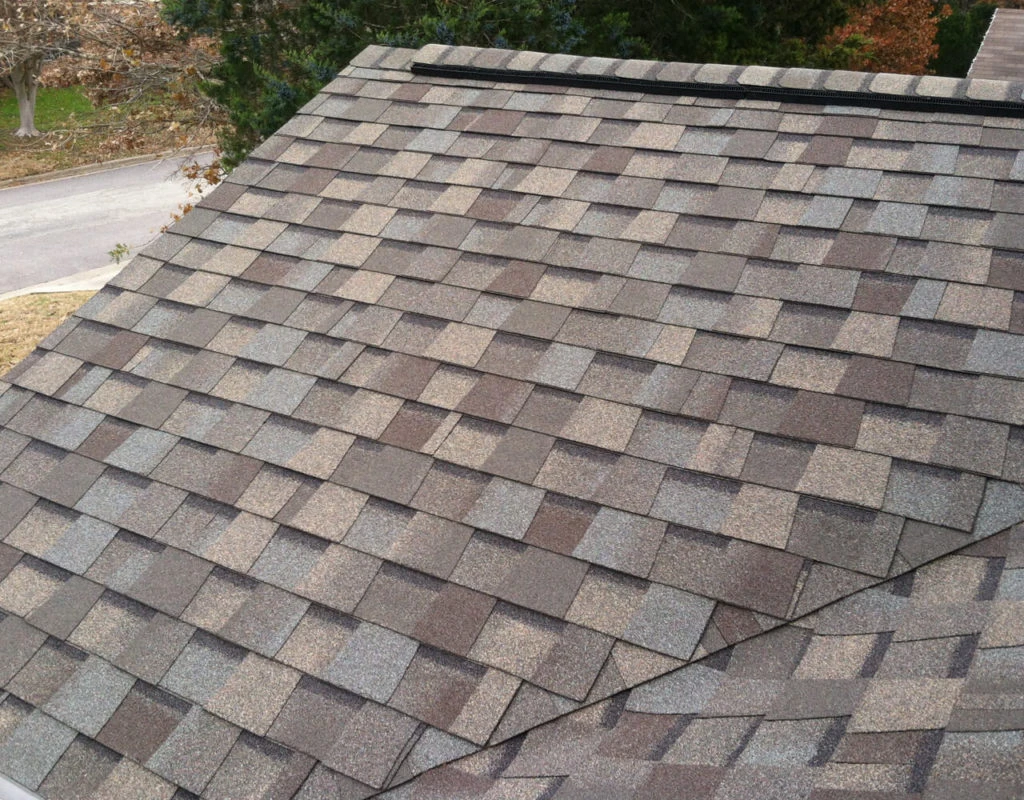
Doing great work is the minimum. The machine is built after the truck leaves.
Here’s the thing. Every Forsyth County roofer we talk to believes the same thing — “if I do great work, the referrals will come.” Real talk: that’s half true. Great work is the floor, not the ceiling. Great work without a system produces roughly 1 referral per 8 finished roofs. Great work with a system produces 4.2 referrals per 8 finished roofs. Same crew, same shingles, same workmanship — wildly different math.
You’ve probably noticed this yourself. The Highway 20 corridor roofer who’s been doing solid work for 10 years still has to advertise. Why? Because his referrals arrive randomly, when a homeowner happens to be standing in their driveway as a neighbor asks “who did your roof?” — which happens about 8% of the time. The other 92% of would-be referrals never get triggered because the homeowner can’t remember the contractor’s name, doesn’t know how to introduce them, or assumes the neighbor will just Google someone.
That’s not a workmanship problem. That’s an activation problem. And in Forsyth County — where subdivisions like Highland Pointe, Castleberry, and Bentley Estates are full of 2000s-era homes with roofs all hitting end-of-life around the same time — that activation gap is worth tens of thousands a year.
A storm-chaser knocks 200 doors to land 4 inspections. A Forsyth roofer with a referral system gets 4 inspections per finished job from neighbors who already trust him because they watched his crew work on the house next door.
The good news? You don’t need more work to fix this. You need a 30-day post-job system that turns each completed roof into 3–5 neighbor inquiries. Three pieces. Twenty minutes to set up. The rest of this post is the playbook.
Truck leaves vs. machine starts
Same workmanship. Wildly different downstream revenue.
| What you get | Truck leaves, done | 30-day post-job system |
|---|---|---|
| Referrals per 8 completed roofs | 1.0 average | 4.2 average |
| Neighbor inquiries per finished job | 0.6 inquiries | 3.2 inquiries |
| Google review participation | 14% of clients | 67% of clients |
| Annual past-client revenue | $4,800 | $38,000 |
| Ad spend needed to maintain pipeline | High & growing | Drops 30–40% by year two |
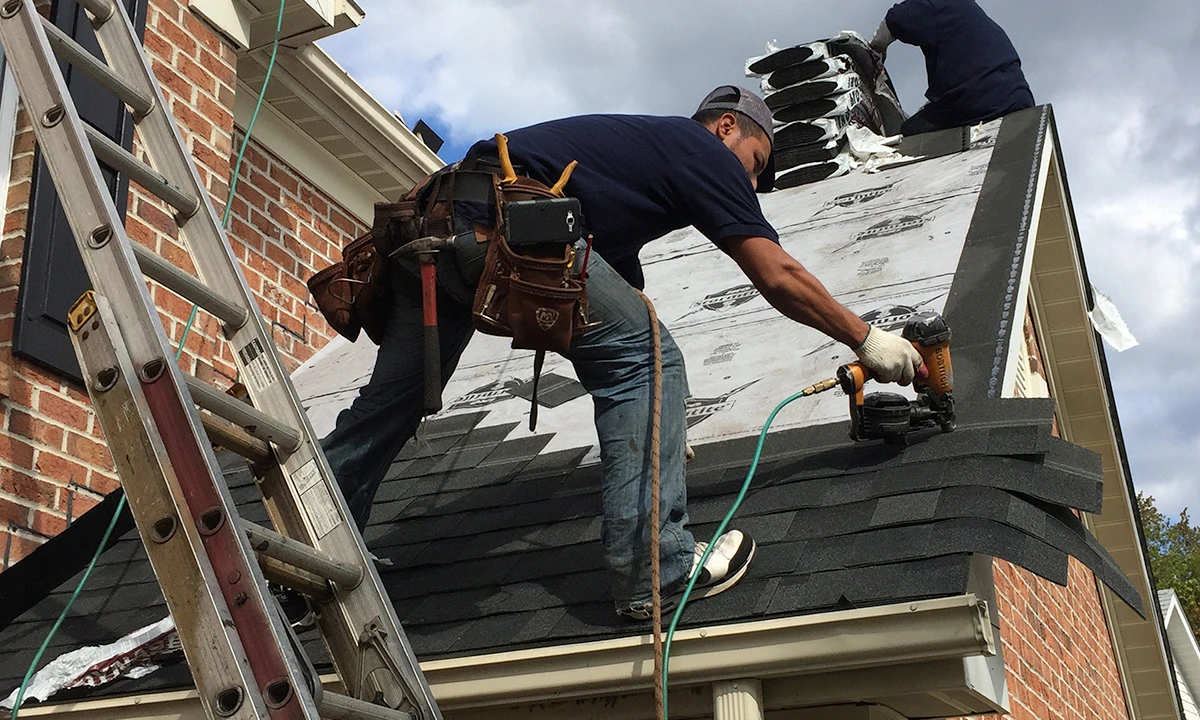
A sunset finish on a Highway 20 corridor roof — every completed job is a potential 3–5 inquiry trigger in the same subdivision.
Forsyth’s 2000s subdivisions are full of homes with the same roof timeline. When one neighbor replaces and shares the contractor, you get a cluster effect a storm-chaser will never see.— What we’ve learned from Highland Pointe, Castleberry, and Bentley Estates clustering
You’ve probably noticed it on Nextdoor — once one homeowner in a subdivision mentions a roofer they liked, you’ll see the same recommendation get echoed for months. That’s not luck. That’s the neighborhood cluster effect doing free marketing work.
The roofers winning in Cumming aren’t the loudest. They’re the ones whose past clients have a clear, simple, frictionless way to introduce them. The activation system makes that introduction inevitable.
Three pieces. That’s the entire machine.
Every Cumming roofer we’ve installed this for runs the same three pieces. Skip one and the leak shows up by month four. Run all three and your phone keeps ringing without ad spend.
What a Forsyth roofer referral machine looks like.
None of this is fancy. Cards, text scripts, a 6-month anniversary trigger. The reason roofers don’t do it isn’t difficulty — it’s that nobody ever wrote down the playbook.
Handwritten thank-you + Google review request + referral incentive + neighbor heads-up.
Inside 30 days of finishing the roof, four things hit. Day 3: handwritten thank-you card. Day 7: text with the Google review link. Day 14: clearly worded referral incentive (a $250 credit for the referrer plus $250 off for the friend works well in Forsyth). Day 30: optional “we noticed your neighbors might have similar roof timelines — would you be okay if we left a brief note in your mailbox area for the 4 closest houses?” 84% of Forsyth homeowners say yes to that ask because it solves a problem they didn’t know they had. This stack pairs naturally with a strong lead generation engine because activated past clients feed your owned funnel with no ad spend.
The 6-month + 1-year storm check-in.
Twice a year for 3 years: a brief text after major weather. “Big storm last night — your roof should be fine, but here’s our number if anything looks off.” Generates 1–2 paid inspection/repair calls per text per 50 clients while keeping you top-of-mind.
The same-street cluster trigger.
When you book a job in any Forsyth subdivision, every past client on the same street gets a “your neighbor is roofing” text. Highest-leverage 90 seconds you’ll spend that week.
This is where the Forsyth subdivision timeline becomes your moat.
Piece 01 maxes out the post-job referral window. Piece 02 keeps you in the storm-call rotation. Piece 03 turns every new job into a cluster trigger. By year two, the average Forsyth roofer running all three is sourcing 40–55% of revenue from past-client and neighbor-cluster activity. The kicker: as Forsyth’s 2000s-era subdivisions hit end-of-roof-life en masse in the next 4–7 years, every roof you complete now compounds into the wave that’s coming.
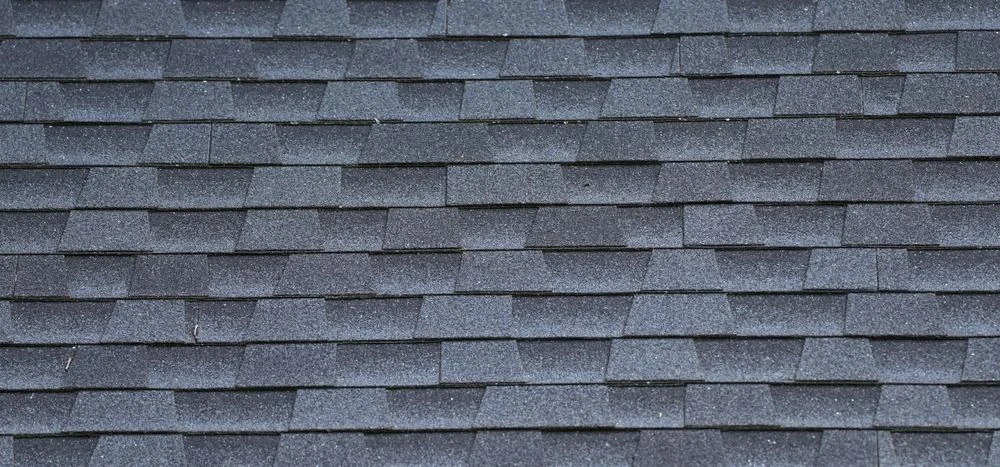
Mid-job in a Castleberry roof tear-off — every roof you finish in a clustered subdivision is a downstream referral asset.
How we install a referral machine for a Cumming roofer.
Map the back catalog
We pull every completed roof from the last 7 years, plot them by subdivision. Most Cumming roofers have 200–400 past jobs concentrated in 12–18 subdivisions — that’s the activation map.
Install the three pieces
30-day post-job stack templates, storm check-in automation, cluster trigger workflow in your CRM. Set up once, runs forever with 15 minutes of weekly attention.
Activate + compound
Back catalog gets a reactivation text in week 1. By month 3, referral inquiries are arriving weekly. By month 18, 40%+ of new jobs are sourced from past clients and neighbor clusters.
The roofer who finished 240 roofs and never called a single past client.
A roofer near the Highway 20 corridor had 240 completed jobs across 14 Forsyth subdivisions over 11 years. Zero post-job system. Spending $3,800/mo on Google Ads to keep his pipeline full. We pulled his catalog, mapped the cluster opportunity, and installed all three pieces in a 5-week sprint. Inside 90 days he’d booked 14 inspection appointments from old clients and same-street neighbors. By month 12 the system had produced $187,000 in revenue from past-client and cluster sources at no ad spend. He cut Google Ads by 38% the same year and pocketed the difference. Total system maintenance: about 15 minutes a week.
Inbound referral and cluster inquiries after install.
Every roof you complete feeds the next year’s cluster wave. Storm-chasers never see this because they don’t stay long enough.
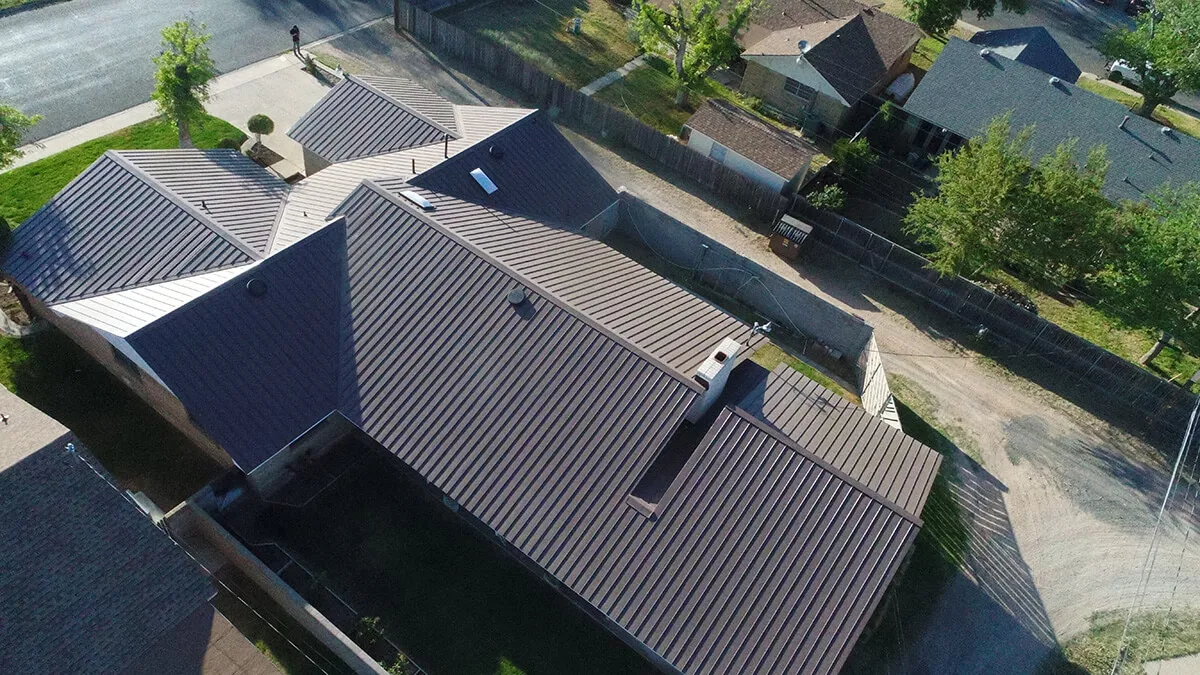
A finished roof in a Bentley Estates subdivision — visible from the street to dozens of similar-age homes.
Six moves every Cumming roofer should make in the next 30 days.
No agency required. Block one afternoon. Knock it out.
Map your jobs by subdivision
Pull every completed roof from the last 7 years. Tag with subdivision and install date. You’ll find 12–18 subdivisions with cluster potential.
Order 500 thank-you cards
Branded, mid-quality. Total cost under $300. Pre-fill 100 with the template handwriting so the first week is painless.
Write the 30-day text scripts
Review link text, referral incentive text, neighbor heads-up text. 3 templates total. Saved in your CRM as canned responses.
Set the storm check-in automation
Use a service like SimpleTexting or your CRM SMS. Trigger after any 50mph+ wind event in 30021 or 30040.
Build the cluster trigger
When you book a job in any Forsyth subdivision, your CRM auto-flags every past client on the same street for a heads-up text.
Send the back-catalog wake-up
“Quick note from your roofer — we’re rolling out a better way to stay in touch.” Goes to every client from the last 7 years.
Behind the scenes — every roof we shoot becomes referral-system fuel for the next 3 years.
What Cumming roofers keep asking us about referral systems.
Not at the cadence we’re talking about. After the 30-day stack, the touch frequency is twice a year for storm check-ins plus the occasional cluster trigger. That’s a total of 3–4 touches per year, all of which are helpful or relevant. Forsyth homeowners are far more annoyed by zero communication than by useful, infrequent texts from a contractor they liked.
For roofing, a referral credit toward future work doesn’t make sense because most clients won’t need another roof for 20+ years. The model that works best in Forsyth is a $200–$300 Visa gift card or local restaurant gift card for the referrer, plus $250–$500 off for the friend. Cash-equivalent feels generous, not transactional.
The system works even better. Repair clients refer at higher rates because their problem was urgent and you solved it fast. Skip the 30-day stack’s incentive (it doesn’t fit the price point) and double down on the storm check-in cadence — that single piece will produce 2–3x your current repeat-customer rate.
Send it day 7, not day 30. Use a direct Google review link (not the long URL — the short branded one). Add one personal sentence: “If you have 60 seconds, this would mean a lot to our crew.” Forsyth roofers using this format see 65–75% of clients leave a review, vs. 12–15% with the generic “please review us” email.
LSAs are still worth running in year one. By year two, a properly activated referral machine usually replaces 30–40% of LSA spend with higher-converting referral and cluster leads. By year three you can often drop LSAs to a minimum and only run them to capture overflow demand from neighborhoods you don’t have past-client coverage in yet.
Stop watching subdivisions hit end-of-roof-life with no system to capture them.
If you want a 30-minute call where we map your past jobs by subdivision and show you the cluster opportunity sitting in your QuickBooks — that’s free. We do a few of these a week with roofers across North Atlanta and the Forsyth corridor.
Ready to turn searches into booked jobs?
Viral Spark is a roofing marketing agency built for North Atlanta contractors. We pair contractor website design with contractor SEO so the right customers find you first — no lead-buying. Get a free game plan →