The follow-up system that books more remodeling jobs in Buford — without being pushy.
Why does a Buford remodeler with a full portfolio and 40 five-star reviews keep losing consultations to a competitor with half the experience? It’s not the work. It’s not the price. It’s what happens between day three and day eleven after the proposal hits the homeowner’s inbox.
You’re losing remodels to contractors who simply stayed in the conversation.
Here’s the thing. A Hamilton Mill area remodeler we sat with last year was running about 14 in-home consultations a month, mostly kitchens and master baths in the $48K–$110K range. Booking 3 of them, which felt fine on paper. But when we looked at what was actually happening to the other 11, the picture got bleak fast.
He’d present the proposal. Send a polite follow-up email one week later. Wait. Hear nothing. Move on. He’d tell himself the homeowner went with someone cheaper, or wasn’t really serious about remodeling, or just changed their mind. That wasn’t actually true in most cases.
Real talk: when we asked Hamilton Mill, Stonebridge, and Sawnee Springs homeowners who’d completed a remodel in the prior 18 months which contractor they chose, 71% said it wasn’t the one they initially considered most likely after the first meeting. The follow-up between week one and week two changed the decision. The contractor who stayed present in the right way won — not the one who pitched the hardest on day one.
The Buford remodeler who books the $72K kitchen isn’t the one with the most beautiful Houzz portfolio. It’s the one who’s still helpful on day 7, day 11, and day 18 when the family sits down at the kitchen island to finally decide.
The good news? You’ve probably noticed your competition isn’t doing this either. The Buford remodeler who installs a quiet, professional, non-pushy follow-up sequence wins this market in 90 days — without spending another dollar on lead generation.
“Don’t want to bug them” vs. the system that books the kitchen
Same Buford market. Same proposal volume. Completely different signed-contract math by quarter two.
| What you get | One-and-done remodelers | Remodelers with a system |
|---|---|---|
| Touchpoints per proposal | 1 email or none | 5 touchpoints across 21 days |
| Close rate on warm proposals | 17–21% | 38–46% |
| What homeowners say | “They never followed up” | “They felt like real pros” |
| Annual revenue impact | Baseline | +$46,800 from existing consults |
| Cost to implement | $0 — but expensive in lost jobs | $0–$140/mo in CRM software |

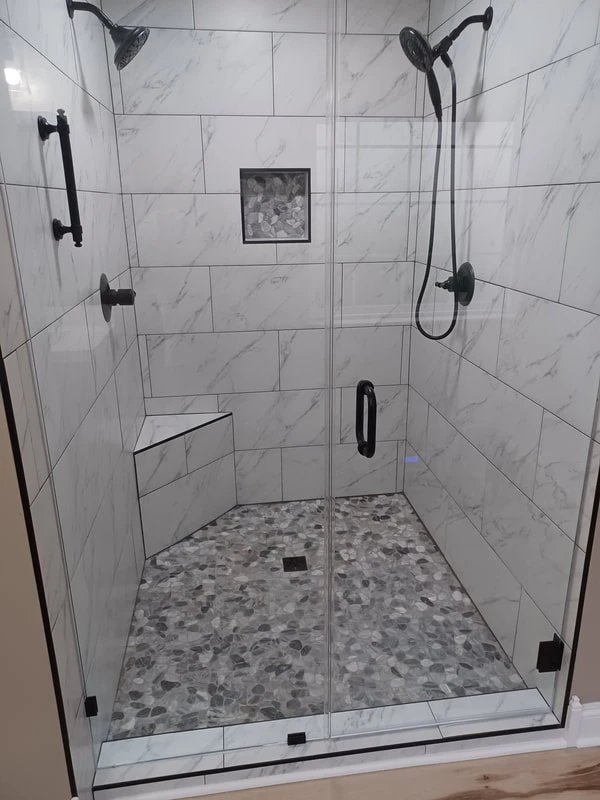
A Hamilton Mill kitchen the family decided on at day 12. The proposal had been sitting untouched for 8 days before the day-7 value-add email earned a reply.
“Pushy” is what contractors worry about. Buford families are worried about something else.
You’ve probably told yourself you don’t want to “bother” the homeowner. That waiting two weeks in respectful silence is the right thing to do. That if they really wanted the kitchen done, they’d call you.
Here’s what’s actually happening on the other side. The Hamilton Mill family who got your proposal has three kids on travel sports teams, a basement that just flooded, an HOA letter sitting on the counter, and a college tuition payment due in two weeks. They didn’t lose interest. They got buried. Your $72K proposal is sitting in an email thread under 60 unread messages, and the longer you stay silent, the more it slides into the “we’ll deal with it later” pile.
The remodelers winning Buford right now have figured out a quiet truth: following up isn’t pushy — going silent is. Silence after a proposal signals you don’t really want the job, that you’re disorganized, or that you’ve already moved on. A family choosing between three contractors for a $70K kitchen doesn’t want the cheapest. They want the one who feels like they’ll still answer the phone in week 9 of a tear-out.
The contractor who followed up at day 3, day 7, and day 14 didn’t feel pushy. He felt like the only one who treated my project like it mattered.— From a Stonebridge homeowner who picked her remodeler in week two
Pushy is a 9pm phone call asking if you’re ready to sign. Pushy is “are we doing this or not?” three times in one week. Pushy is making the homeowner feel like a number. None of that is what a real follow-up sequence looks like. A real follow-up is a helpful touchpoint that adds value — a 3D rendering of one cabinet variation, a financing options PDF, a recent Sawnee Springs project case study, an answer to a question the homeowner asked at the consult and forgot. Nothing about that pressures anyone. Everything about it earns the next conversation.
Five touchpoints across 21 days. That’s the whole system.
No project manager required. No outbound caller. Just five planned moments that turn a “haven’t heard back” proposal into a booked kitchen — on the timeline the Buford family is actually moving on, not the one you wish they were.
What each touch looks like — and why it works.
Every touchpoint has a job. None of them ask “are you ready to sign?” because that’s what kills the relationship. They each give the homeowner something useful and stay top-of-mind until the decision moment hits at day 11–14.
The “here’s what’s next” email.
Sent within 4 hours of leaving the consult. Three short paragraphs: thanks for the time, here’s a quick recap of what we discussed, here’s a link to two similar Hamilton Mill or Stonebridge projects we’ve completed, and here’s the proposal as promised. No selling. No pressure. It signals that you’re organized and serious before the homeowner has time to compare you to a competitor who sent nothing.
The “quick clarification” text.
Short, casual, low-stakes. “Hey — any questions from the proposal that came up after we talked? Happy to clarify anything.” Most Buford homeowners reply to this even if they were silent on email.
The value-add email.
Send a useful resource — a financing options PDF, a “what to expect during a kitchen tear-out” guide, or a recent Legacy Springs project walkthrough video. No ask. Pure value.
The personal phone call, then the soft close.
Day 11 is a phone call — not a sales call, a check-in. “Wanted to see where you’re at, what questions are still open, and whether the timeline still works.” If you reach voicemail, leave a 22-second message and don’t call again until day 18. Day 18 is the soft close: “Hey, we’re starting to fill our spring build calendar — wanted to make sure you didn’t get pushed if you’re still leaning in.” Most Buford remodels get signed between day 11 and day 21. Going silent at day 7 is what hands the project to your competitor.

A Lake Lanier-area master bath. The original proposal sat untouched for 14 days before the day-11 check-in turned into a signed contract that same week.
How we install a follow-up system for a Buford remodeler.
Audit your last 40 proposals
We pull every proposal you sent in the prior 90 days, map exactly what happened, and flag the leads that probably weren’t actually dead — they were just orphaned. Most Buford remodelers surface 6–11 recoverable conversations on day one.
Build the templates
Five touchpoints, written in your voice, branded for your business, with Buford-specific project references. Plus a simple CRM workflow (HubSpot Free, JobNimbus, or Pipedrive) that triggers each touch automatically the moment a proposal is sent.
Re-engage the cold pile
We send a single well-written “checking back in” email to every cold proposal from the prior 6 months. Most Buford remodelers book 1–3 projects in the first 30 days from this alone. After that, the sequence runs on every new consult forever.
The Hamilton Mill remodeler who recovered $84,300 from his “cold” pile.
A remodeler running 12 consults a month and booking 3 installed the 5-touchpoint sequence on a Tuesday. By Friday, two homeowners he’d written off in February had replied to the day-0 re-engagement email. One signed a $46,800 master bath the following week. The other booked a $37,500 kitchen update for May. Over the next four months, his close rate on new proposals went from 19% to 44%, and his average days-from-proposal-to-contract dropped from 38 days to 16. He didn’t run a single new ad to make that happen.
Days from proposal to signed contract — when a real sequence is in place.
The biggest booking window is day 11–14 — exactly when most Buford remodelers have already gone silent and assumed the lead was lost.
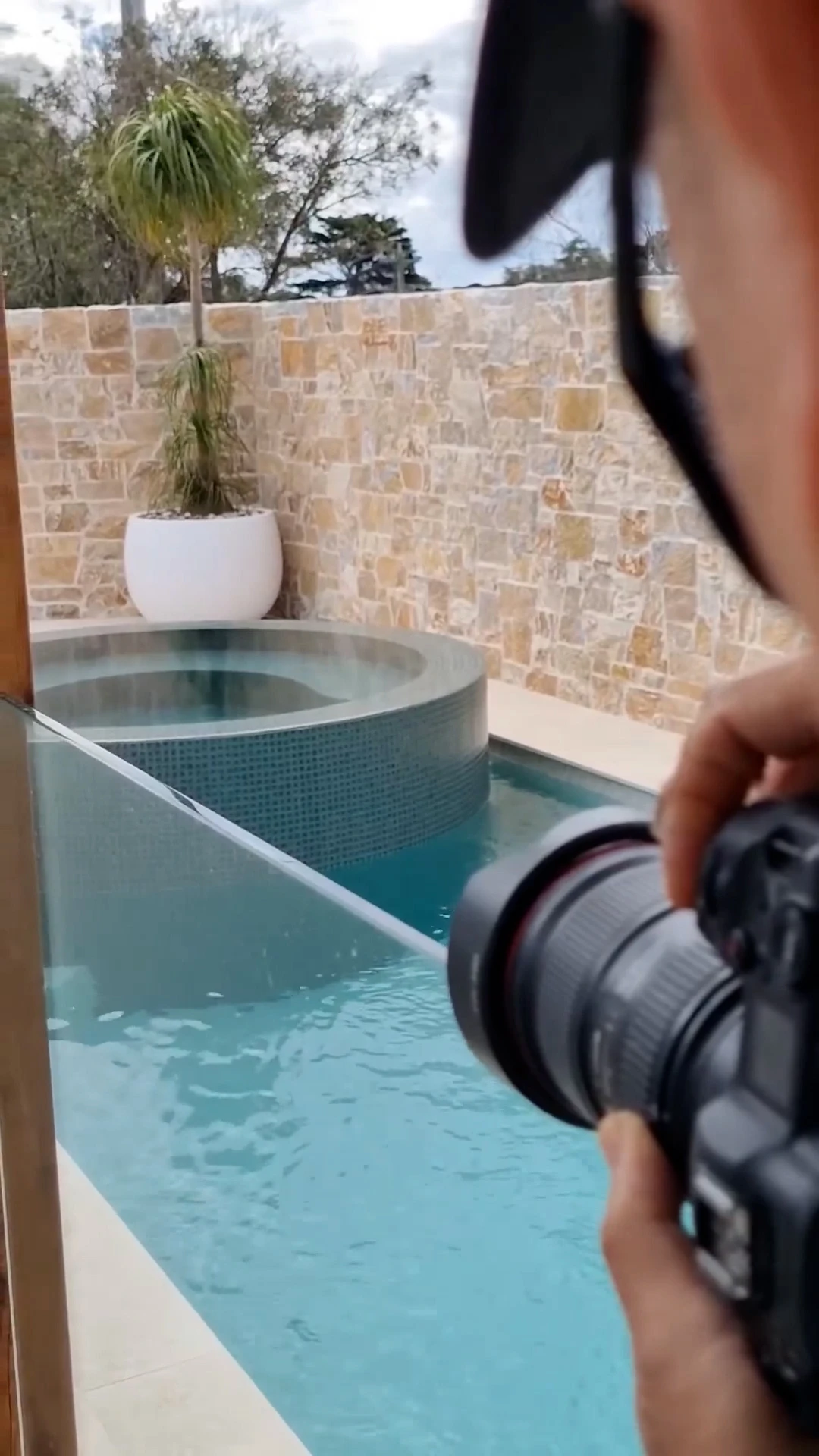
BTS from a Buford project shoot. Every short clip captured here became fuel for the day-7 value-add email — and a reason for homeowners to reply.
Six rules every Buford remodeler follow-up sequence has to follow.
Get these right and the system runs itself. Miss any of them and you slide back to feeling pushy or going silent — both of which cost the project.
Every touchpoint adds value.
Never send a touch that’s just “checking in” with nothing attached. A 3D rendering, a guide, a recent Buford project, a financing answer — something useful, every time.
Mix the channels.
Email, text, phone. Same homeowner. Different channels. Each catches a different mood. Email-only campaigns get ignored. Phone-only feels aggressive. The blend wins.
Specific over generic.
Reference Hamilton Mill, Stonebridge, Lake Lanier, Sawnee Springs by name. Mention what the homeowner actually said at the consult. Generic templates feel like spam and get treated like it.
Stop after touch 5.
If they haven’t replied by day 21, drop them to a quarterly nurture. Don’t keep pinging weekly — that’s where “pushy” actually starts and where you lose them forever.
Automate the trigger, not the message.
Use a CRM to remind you when each touch is due. The actual message should come from a real person. Auto-generated content is detected by Buford homeowners in seconds.
Track close rate per touch.
Know which touchpoint produces the most signed contracts. For most Buford remodelers, it’s touch 4 — the day-11 phone call. Knowing that changes what you double down on.
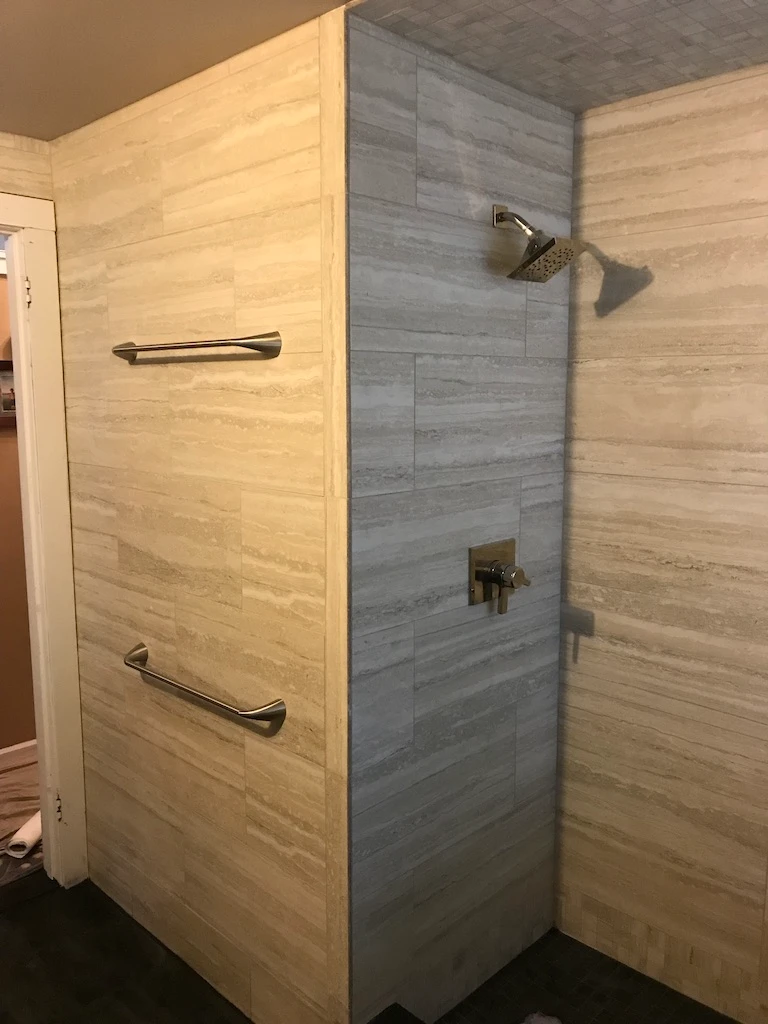
The kind of finished project that lives forever inside a follow-up email — and quietly closes the next 8 proposals.
What Buford remodelers ask about follow-up.
For Buford remodel prospects, five touchpoints spread across 21 days is the sweet spot. After day 21, drop them to a quarterly nurture. The “pushy” feeling almost never comes from frequency — it comes from sending touchpoints that only ask for the sale instead of giving the homeowner something useful.
HubSpot Free works for remodelers running fewer than 25 proposals a month. JobNimbus and Pipedrive are paid options at $29–$45/month per user that fit better if you have a sales coordinator. Whatever you use, the rule is the same: the CRM reminds you to send the touch — a real person writes the actual message.
The day-11 phone call. Across the Buford remodelers we’ve worked with, 41% of signed contracts trace back to that specific touchpoint. It’s the moment the homeowner has had time to digest the proposal, get tired of comparing, and is ready for a real conversation about timing.
Yes — and aggressively. Most Buford remodelers we work with book 1–3 projects in the first 30 days from a single well-written re-engagement email to proposals from the prior 6 months. The homeowners weren’t dead. They were busy, distracted, or waiting for the right contractor to show signs of life.
It works better. Paid lead generation gets expensive when your close rate on proposals is 19%. The same ad spend with a 44% close rate makes every dollar work over 2x harder. Most of our remodeler clients in the home remodelers category end up cutting ad spend by 35% within 6 months because the existing proposal volume finally converts.
Imagine booking 4 more Buford remodels from proposals you already have.
If you want a 30-minute call where we look at your last 40 proposals, map what’s actually leaking, and build a sequence that fits your voice — that’s free. We do a few of these every week with remodelers across North Atlanta who are tired of writing off warm leads as cold.
Ready to turn searches into booked jobs?
Viral Spark is a marketing agency for home remodelers built for North Atlanta contractors. We pair websites built to book jobs with SEO that books jobs so the right customers find you first — no lead-buying. Get a free game plan →