The follow-up system that books more landscaping jobs in Buford — without being pushy.
Stop worrying about being pushy. Start worrying about being forgettable. In Buford, the landscaper who follows up is the one who books the job — every single time.
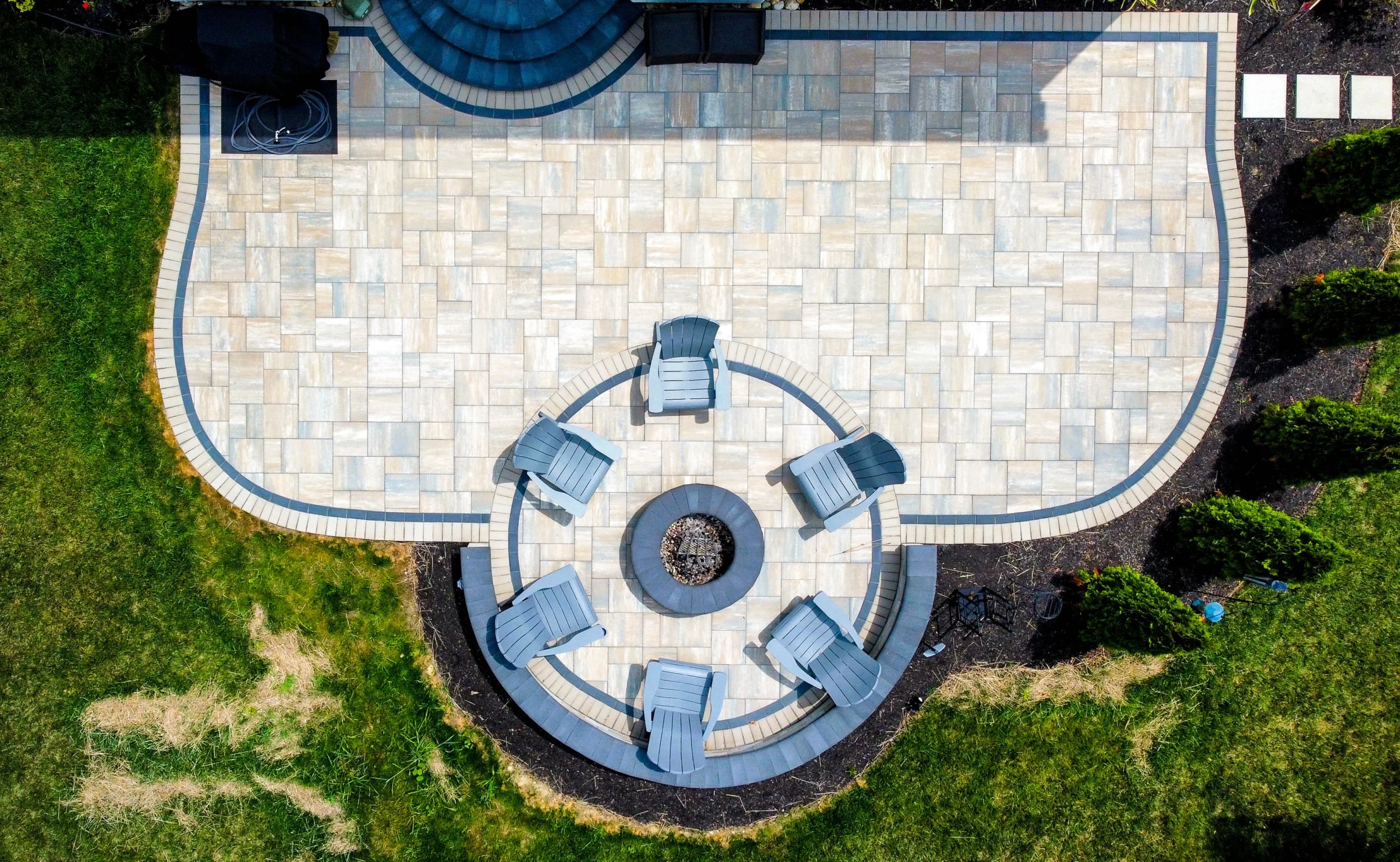
You’re losing the bid to the landscaper who simply followed up.
Here’s the thing. A landscaper we know who’s been working Hamilton Mill, Ivy Creek, and the Stonebridge corridor for 12 years told us last winter he couldn’t figure out why his close rate was falling. Same crew. Same quality. Better photos than he’d ever had. Yet he was watching jobs he’d quoted in March show up as completed Instagram posts from a competitor in June.
We ran the audit. His close rate hadn’t fallen. His follow-up rate had. He’d added a second crew, gotten busier, and stopped doing the thing he used to do without thinking — calling back two days after the estimate to answer any questions. That single phone call was the difference between booking the job and watching a competitor do it.
Real talk: 58% of Buford homeowners who get a landscaping estimate and end up hiring the other guy say the same thing in interviews. “The one I hired followed up. The other one didn’t.” That’s it. That’s the whole reason. Not price. Not portfolio. Not lead generation spend. Follow-up.
Most Buford landscapers think they’re losing on price. They’re losing on silence. The competitor who sent a friendly text three days later won the patio, the walkway, and the planting refresh — all without bidding lower.
The good news? Three touchpoints, properly written, takes about 11 minutes per estimate across three weeks. That’s it. Eleven minutes that adds $32,400 to the year. Most landscapers we show this to refuse to believe the math until they run the test themselves.
The one who “doesn’t want to pressure anyone” vs. the one who books the job
Same neighborhoods. Same crew quality. Same estimate volume. Wildly different revenue.
| What you get | Silent landscapers | Landscapers with a sequence |
|---|---|---|
| Touches per estimate | 0–1 | 3 across 14 days |
| Bid-to-book ratio | 22% | 48% |
| Average days to signed contract | 32 days | 11 days |
| Annual added revenue | Baseline | +$32,400 |
| Time investment per estimate | 0 minutes | 11 minutes |
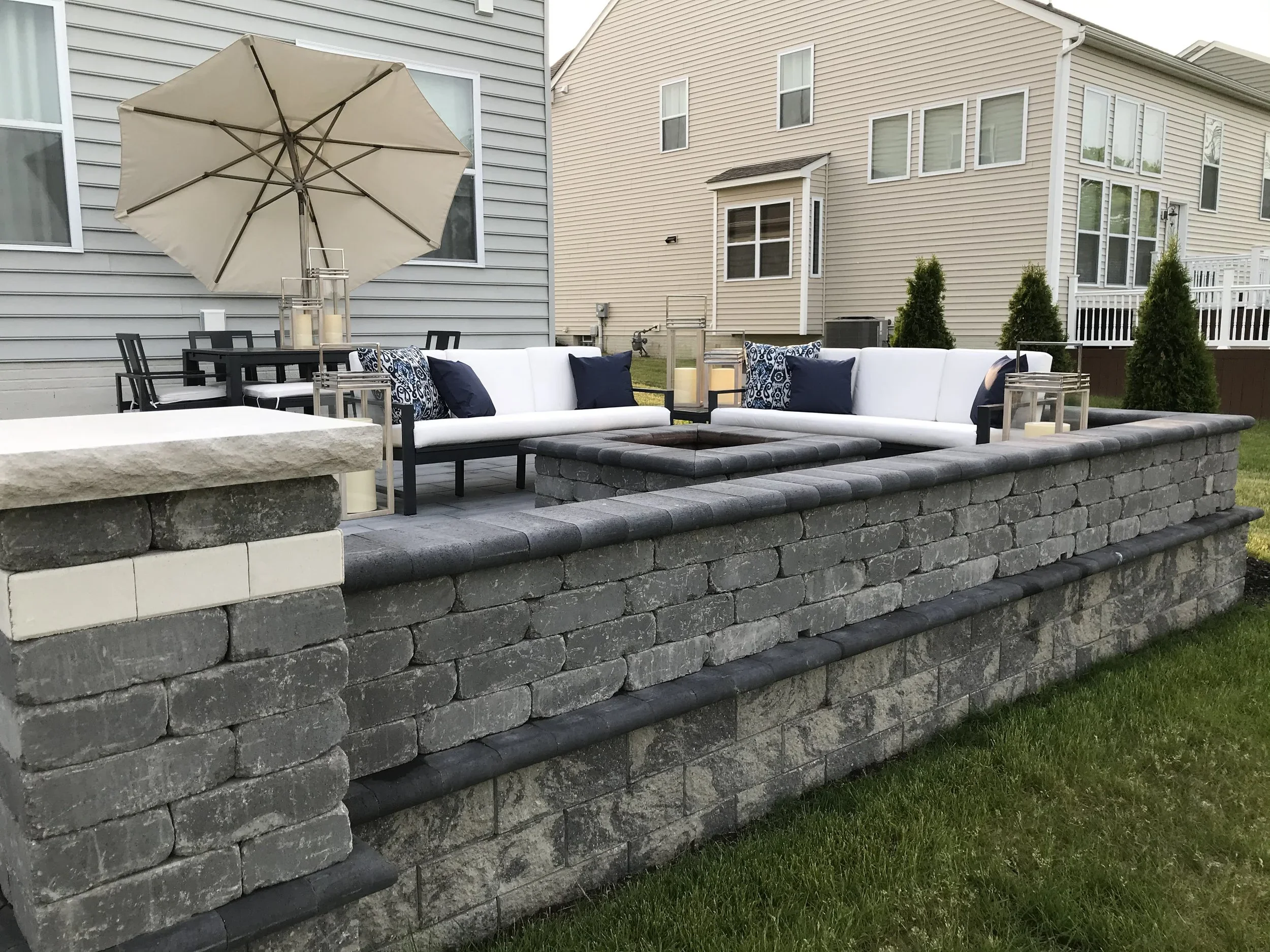
A Hamilton Mill backyard transformation — booked because the landscaper sent one short follow-up email three days after the walkthrough.
Pushy isn’t the problem. Forgettable is.
You’ve probably told yourself that following up “too much” makes Buford homeowners feel pressured. That’s a story that protects you from a phone call. It’s not true.
Here’s what’s actually happening on the homeowner’s side. A Stonebridge couple gets your estimate on a Tuesday. Their kids’ school events that week eat the evenings. They get two more estimates by Friday. By the following Monday, your estimate is one of three in a pile, and they remember the rough shape of your pitch but not the specifics. If nobody calls back, they pick whichever name they remember most clearly — and silence is not memorable.
The landscapers booking Buford’s Ivy Creek, Reunion golf community, and Hamilton Mill Road corridor right now all do the same simple thing. They send a short, non-salesy email at day 3. A casual text at day 7. And a friendly check-in call at day 14. That’s it. That’s the whole “system” that doubles their close rate.
The landscaper who followed up didn’t push us. He just kept being there. That’s how we knew he actually wanted the job.— A Hamilton Mill homeowner explaining why she hired a $48,000 hardscape project
Pushy is calling six times in a week. Pushy is making the conversation about you instead of the homeowner. Pushy is asking “are you ready to sign?” with no value behind it. A real follow-up sequence is never any of those things — it’s a series of helpful, low-stakes touches that earn the next conversation.
Three touches across 14 days. No software needed.
Day 3 email. Day 7 text. Day 14 phone call. Every touch adds value. Every touch is short. The whole thing takes 11 minutes per prospect and produces $32K+ in added revenue per year for the average Buford landscaper.
What to send, when, and why each one works.
Each touch has a specific job. None of them ask for the sale outright. Each one gives the Buford homeowner a small, helpful nudge and stays present until they’re ready to decide.
The “recap + relevant project” email.
A short email referencing exactly what you discussed at the walkthrough — the seat wall idea, the drainage concern, the planting palette. Attach 2 photos of a recently completed Hamilton Mill or Ivy Creek project that solves the same problem. No “have you decided yet” language. Just useful context that shows you listened and you’ve done it before.
The casual text.
“Hey — just wanted to make sure that proposal made sense. Any questions popped up since we talked?” Short. Casual. Friendly. Most Buford homeowners reply to a text within 4 hours.
The phone check-in.
Not a sales call. A two-minute “where are you at, what’s still open, do you need anything from me?” call. This single touch closes most Buford landscape projects.
What happens if they still haven’t decided.
Drop them to a low-touch quarterly nurture. Don’t keep weekly-pinging them — that’s where “pushy” actually begins. A seasonal email in spring (“thinking about your spring landscape goals?”) and one in fall keeps you front-of-mind for the next 12 months without ever feeling like pressure. Roughly 18% of Buford landscaping leads that don’t sign in the first 30 days do eventually sign within 9 months — but only if you’ve stayed lightly present the whole time.
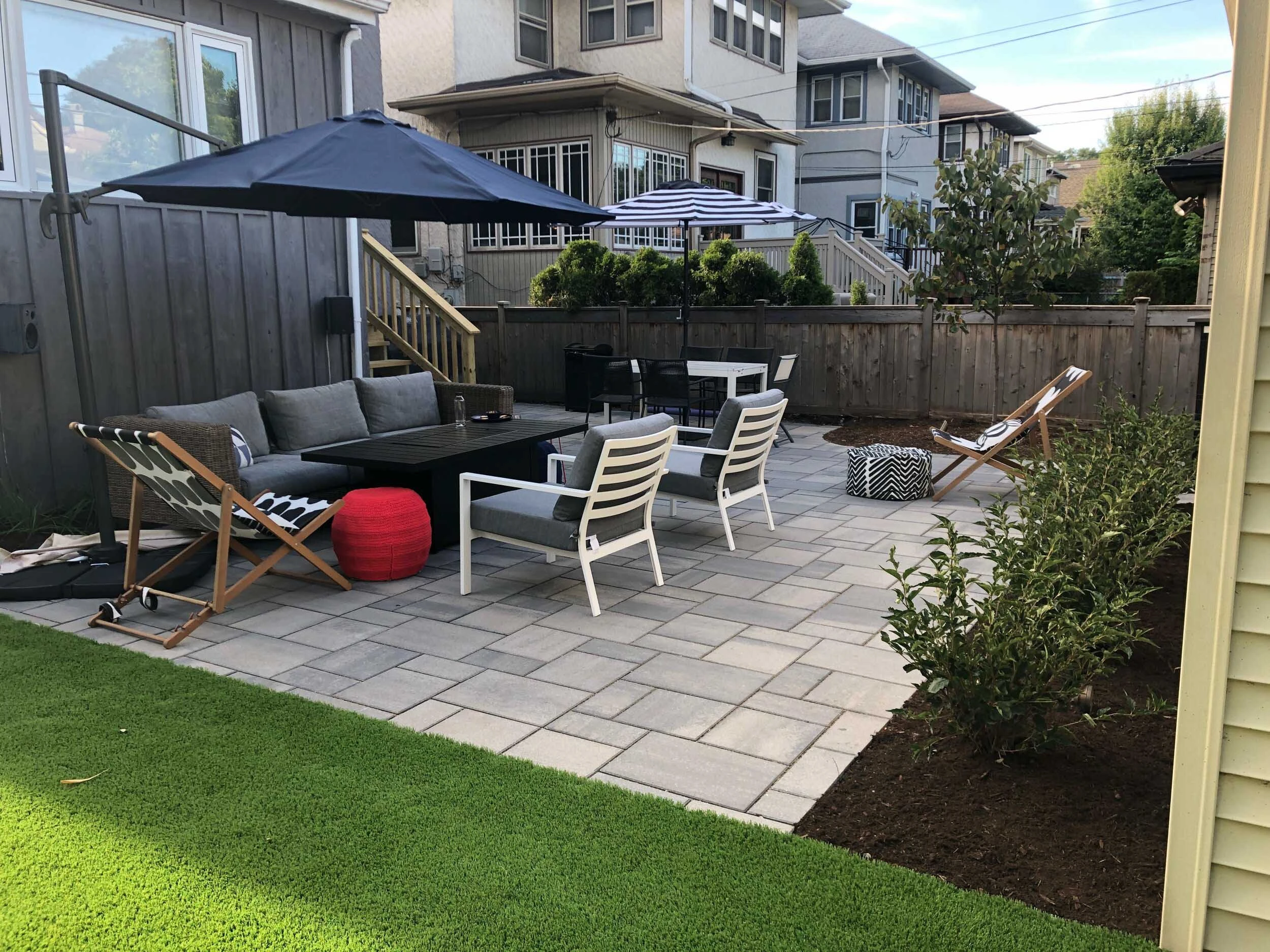
A Reunion-area project signed on day 11 — after the day-7 text turned into a phone call about lighting options.
How we install a follow-up system for a Buford landscaper.
Map the last 60 estimates
We pull every estimate you’ve sent in the last 90 days, tag which ones got a follow-up, and identify the orphaned warm leads. Most Buford landscapers find 8–14 recoverable conversations the first week.
Write the templates
Three touchpoints in your voice, branded for your business, with neighborhood-specific Buford references. Plus a basic CRM trigger so day 3, day 7, and day 14 reminders fire automatically from the day you log a new estimate.
Re-activate cold
One thoughtful “checking back in for spring” email to every cold estimate from the last 9 months. Most Buford landscapers book 1–3 projects in the first 21 days from that single send — without paying for one new lead.
The Ivy Creek landscaper who doubled his close rate in 60 days.
A landscaper running the Ivy Creek and Stonebridge corridor was sending 16 estimates a month and booking 4 of them — a 25% close rate that he’d gotten used to calling “fine.” We installed the 3-touch sequence on a Monday. Within 60 days his close rate moved from 25% to 49%, his average revenue per estimate climbed from $7,200 to $11,400 because warm prospects upgraded scope during the day-14 phone call, and his cold-pile re-engagement email pulled in $24,800 of work from two estimates he’d written off in November. None of it required a single new lead.
Signed-contract distribution after a 3-touch sequence is in place.
The day-12-to-16 window is where most Buford landscape projects get signed. Coincidentally, that’s exactly when the day-14 phone call lands.
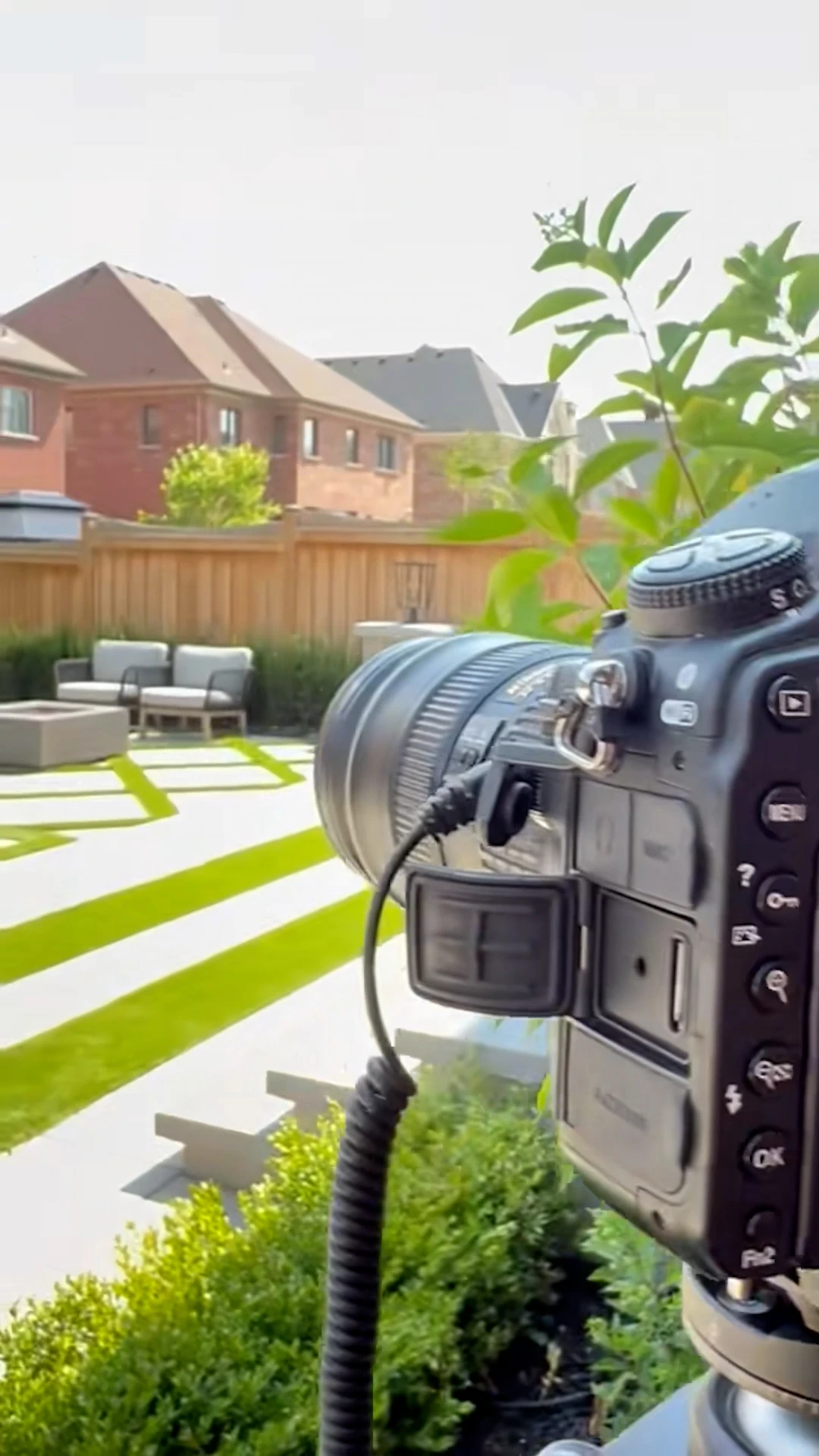
BTS from a Hamilton Mill build day. Every photo here became a follow-up email attachment — and a reason for prospects to reply.
Six rules every Buford landscaper follow-up needs to follow.
These keep your sequence helpful, professional, and never crossing into pushy territory.
Reference what they actually said.
“You mentioned the kids using the patio at dusk — that’s why the lighting plan matters here.” Specific beats generic by a mile.
Attach proof, not pitches.
Photos of completed Hamilton Mill, Stonebridge, or Reunion projects. Not company brochures. Proof closes. Brochures bore.
Use the right channel for the right touch.
Email for context. Text for casual check-ins. Phone for relationship moments. Mixing channels keeps it from feeling repetitive.
Never end a touch with “let me know.”
End with a specific micro-ask: “Want me to send a couple of paver color options?” Specific asks get responses. Vague ones get silence.
Stop the high-frequency sequence at touch 3.
After day 14, drop them to seasonal nurture. Weekly pinging past the 14-day mark is where pushy actually starts.
Track what’s working per neighborhood.
Hamilton Mill and Ivy Creek often respond differently to different touch sequences. Pay attention to which neighborhoods reply to email vs. text.
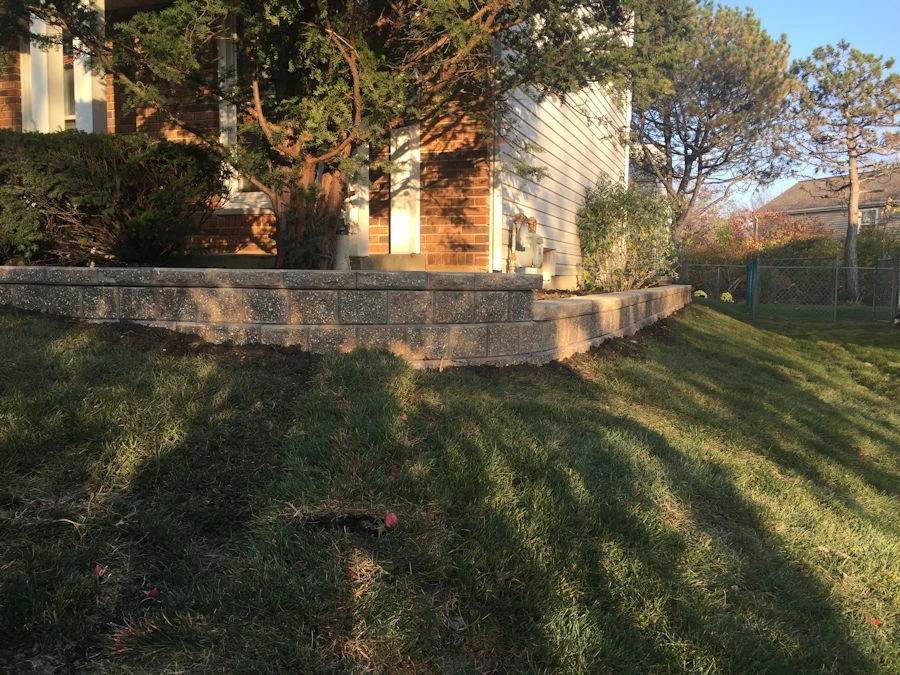
A Stonebridge install that closed during the day-7 text exchange. The homeowner had questions about drainage. The text answered them in 90 seconds.
What Buford landscapers ask about follow-up.
Three touches over 14 days isn’t pushy — it’s professional. The “pushy” feeling almost never comes from frequency at that volume. It comes from the content: if every touch is “ready to sign yet?” you’ll feel pushy at one touch. If every touch adds something useful, you can do five and still feel welcome.
The day-14 phone call. Across Buford landscapers we’ve worked with, that touch alone produces roughly 41% of signed contracts. It catches the homeowner exactly when they’ve digested the estimate, gotten tired of deliberating, and want a professional to make the next step easy.
Build templates as starting points, but always customize the first two sentences with what the homeowner actually told you at the walkthrough. Buford homeowners can smell a copy-paste email from three sentences in. The framework can be templated. The opening always has to be personal.
Every one. Your “warm” instinct is wrong more often than you think. Some of the most distracted-seeming Buford homeowners turn into the biggest projects when they finally focus. Run the sequence on everyone for 90 days, then look at the data — you’ll be surprised which ones converted.
It makes paid leads dramatically more profitable. A landscaper paying $80 per lead with a 22% close rate has a $364 cost per project. The same lead pool with a 48% close rate after the sequence drops that to $167 per project. Same ad spend. More than double the booked work. Most of our landscaper clients compound that into either lower ad spend or scaled growth, depending on which they need first.
Imagine doubling your close rate without sending one more estimate.
If you want a 30-minute call where we look at your recent estimates, identify the warm leads that fell through, and write the 3-touch sequence for your voice — that’s free. We run a few of these every week with landscapers across the North Atlanta corridor.
Ready to turn searches into booked jobs?
Viral Spark is a landscaping SEO agency built for North Atlanta contractors. We pair websites built to book jobs with SEO that books jobs so the right customers find you first — no lead-buying. Get a free game plan →