How Roswell custom builders charge more and win better clients.
Two custom home builders working the Roswell Chattahoochee corridor. One has a premium brand — detailed project narratives, Historic District expertise documented online, award-quality photography, 52 reviews. The other has a website with 6 photos and a phone number. The first averages $1.8M per project. The second averages $1.1M. Same market. Same neighborhoods.
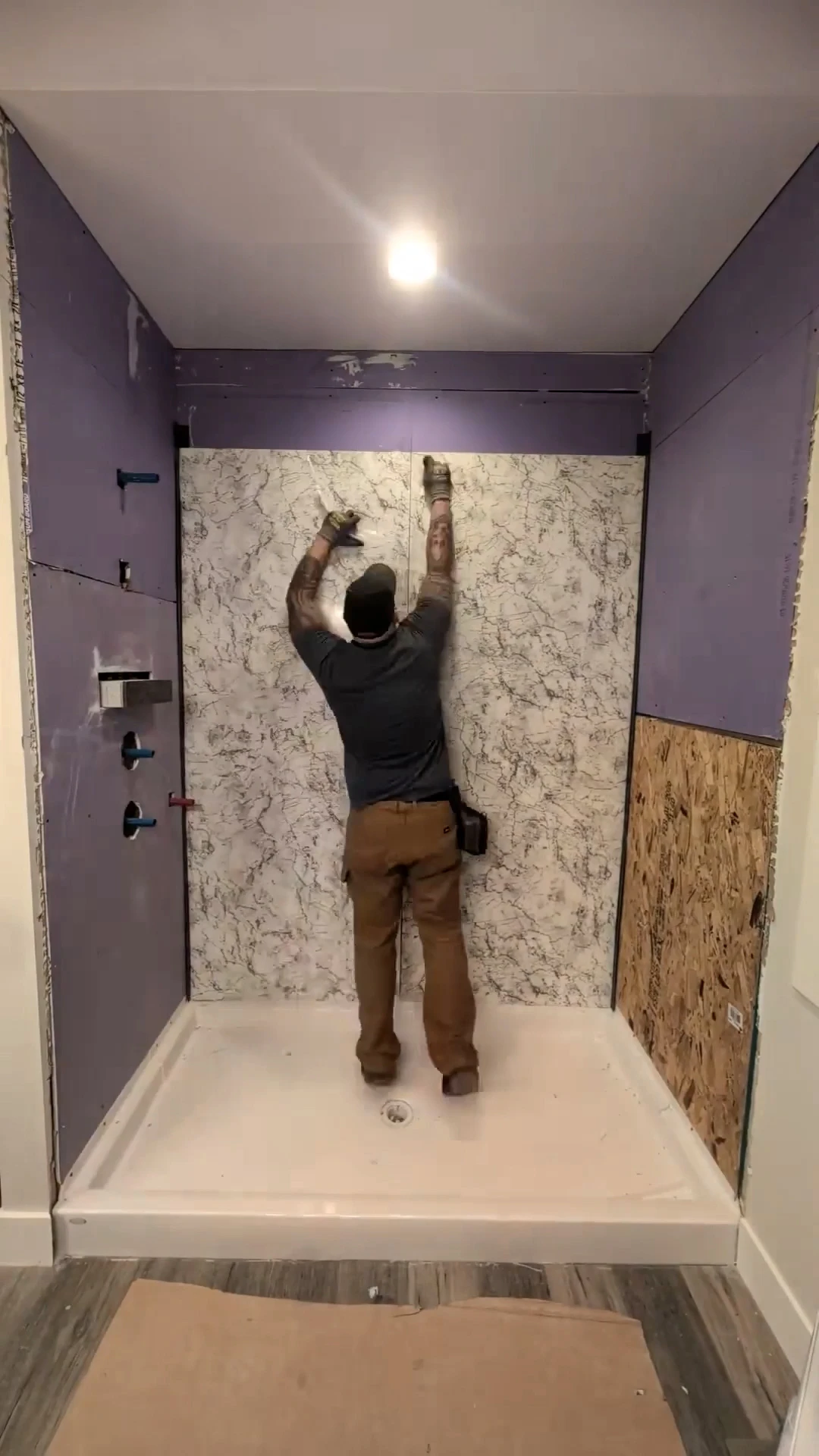
Your work can deliver Historic District restoration and Chattahoochee estate builds. Your brand reads “general contractor.”
Here’s the thing. We’ve audited too many Roswell custom home builders whose finished work — period-appropriate Historic District infill, Chattahoochee corridor estate new-builds, Horseshoe Bend renovations with original-detail preservation — is genuinely $1.8M-tier specialty work. Trim profiles. Mechanical concealment. Window detail. Site integration. The build is bespoke. Then we look at the website. Phone-camera daylight photos. A 6-image thumbnail gallery. A bio that lists “custom homes, renovations, additions” without ever naming Historic District work or river-corridor build expertise.
The result is predictable. The builder attracts the projects his brand reads as appropriate for — $900K–$1.2M new builds, the renovation-plus-addition work, the conventional custom jobs. The $1.8M+ Historic District restoration and Chattahoochee-corridor estate work he’s actually specialized in goes to the builder whose brand explicitly claims that expertise. Not because that builder is better. Because the Roswell luxury buyer self-selects on signaled specialty — not implied general competence — and your brand doesn’t claim the lane your work actually owns.
Real talk: Roswell is a specialty-driven luxury market. The Historic District buyer wants a builder who has done Historic District work. The Chattahoochee estate buyer wants a builder who has done river-corridor work. The Horseshoe Bend buyer wants someone who understands the lot constraints, the HOA standards, the period-appropriate detail. None of these buyers will trust a generic “custom homes” pitch. They will only shortlist builders whose brand explicitly demonstrates expertise in the exact build type they’re planning — before the consultation.
86% of Roswell $1.5M+ buyers say they will only shortlist builders whose digital brand signals demonstrated expertise in their exact build type. “Custom homes” doesn’t claim a lane. Historic District restoration does. Chattahoochee corridor estate construction does. Your brand has to pick the lane your work actually owns.
The good news? A complete digital repositioning — site rebuild around specialty claims, twilight architectural photography, project-narrative portfolio, branded proposal deck, weekly Instagram with architect cross-tags — typically takes 9–12 months to fully shift the inbound mix. The first signed $1.8M+ specialty contract usually closes around month 8.
Generic custom builder brand vs. premium-positioned Roswell specialist on a restoration-plus-addition project
What the $700K average gap is actually buying in the buyer’s head — long before the first phone call.
| What the client sees | Generic custom builder | Roswell specialty-positioned brand |
|---|---|---|
| Specialty claim | “Custom homes, renovations, additions” | “Historic District restoration · Chattahoochee corridor estates” |
| Portfolio depth | 6 thumbnail photos | 8 deep project narratives with build journals and floor plans |
| Photography | Daylight phone shots | Twilight + golden-hour architectural commissions |
| Review profile | 11 reviews, generic praise | 52+ reviews, period-appropriate detail referenced by client |
| Average signed contract | $1.1M | $1.8M+ |
The Historic District buyer isn’t looking for a custom home builder. She’s looking for a Historic District custom home builder. If your brand doesn’t claim the lane, your work never gets considered.— From 8 luxury-repositioning audits of Roswell custom home builders
Specialty-positioned brands self-fill with specialty-budget buyers — months before the first call.
Every Roswell builder who has moved from $1.1M averages to $1.8M+ averages stopped marketing “custom homes” and started claiming a specific specialty lane — Historic District, Chattahoochee corridor, Horseshoe Bend estate — that the highest-budget Roswell buyer was already searching for.
What the Roswell $1.5M+ buyer actually researches before she requests her first consultation.
None of these are optional in the specialty-luxury tier. Each one is a touchpoint where the buyer either confirms you’re the specialist she’s looking for or eliminates you as another general custom builder. Build all four and you stop losing $1.8M+ work to specialists who claim the lane you actually own.
A homepage that names your specialty lane — Historic District restoration, Chattahoochee corridor estates, Horseshoe Bend custom — within the first headline.
The Roswell $1.5M+ buyer is searching for the specialist, not the generalist. A premium custom builder web design in this market explicitly claims the specialty her search is built around — period-appropriate detail, river-adjacent construction, large-lot estate work — and proves the claim with deep project narratives. Generic “custom homes” positioning makes you invisible to the specialty-budget search the highest-tier buyer is running.
Instagram weekly cadence with architect cross-tags.
Process clips, framing milestones, restoration detail close-ups. The Roswell buyer follows you for 6 months before reaching out.
Twilight architectural photography.
Daylight phone shots cap your perceived ceiling at the mid-market. Commissioned photography is the entry fee to the specialty tier.
A 24-page branded proposal deck that proves the specialty — not a square-foot-price PDF.
Cover with project rendering. Specialty positioning statement. Site plan with corridor context. Floor plans with markup. Finish library by room with period-appropriate manufacturer and source notes. Named-trade roster — your restoration plasterer, your custom millwork shop, your historic-window specialist. Build journal sample from a prior Historic District project. Same $1.9M scope, $700K higher signed value on average — because the deck proves you are exactly the specialist the buyer was searching for.
A Horseshoe Bend estate at twilight — the kind of photograph that becomes the homepage hero, the Instagram pinned post, and the proposal cover for the next 24 months of $1.8M+ inquiries.
How we move a Roswell custom builder from generic to specialty-luxury positioning.
Audit the four surfaces and name the lane
We map every luxury and specialty custom builder visible to the Horseshoe Bend, Glenayre, Historic District, and Chattahoochee corridor buyer. Document portfolio depth, photography tier, Instagram cadence, and proposal format. Then we identify the specific specialty lane your finished work has already earned the right to claim — Historic District restoration, river-corridor estate, period-appropriate new build.
Rebuild the specialty stack
Twilight + interior architectural photography commissioned on 6–8 specialty projects. Website rebuild around the named specialty lane with deep project narratives. Instagram cadence locked at weekly process + reveal posts with architect/restoration-trade cross-tags. Branded 24-page proposal template proving the specialty. Every brand surface explicitly claims the lane.
Let the specialty mix fill
By month 8, the first signed specialty-tier contract closes — typically $1.6M+ scope. By month 12, the inbound mix has shifted toward $1.8M+ specialty work. By month 18, average signed contract has moved by roughly $700K with no change in cost basis, crew, or trade roster. The brand claimed the lane your work had already earned. The buyer search found you.
The Roswell builder who stopped losing $2.1M Chattahoochee estates to a specialty competitor doing identical-tier work.
A Roswell custom builder with 14 years of work — including 6 completed Historic District restorations and 3 Chattahoochee-corridor estates — had been signing primarily $950K–$1.2M conventional new builds. He was watching $1.8M+ specialty work flow to two competitors whose websites explicitly claimed the Historic District and river-corridor lanes — even though his completed specialty portfolio was deeper than either. We commissioned twilight + interior photography on 7 specialty projects, rebuilt his site around explicit Historic District and Chattahoochee corridor claims, shipped a 24-page branded proposal template with restoration-trade roster, and surfaced the specialty work that had been buried in a generic “custom homes” portfolio. By month 14: average signed contract climbed from $1.1M to $1.82M. Same crew. Same restoration trades. Same build standards. The brand finally claimed what the work already proved.
Average signed contract value, month over month, post-repositioning.
Average signed contract from $1.1M to $1.82M across 18 months — the brand claimed the lane. The work had already earned it.
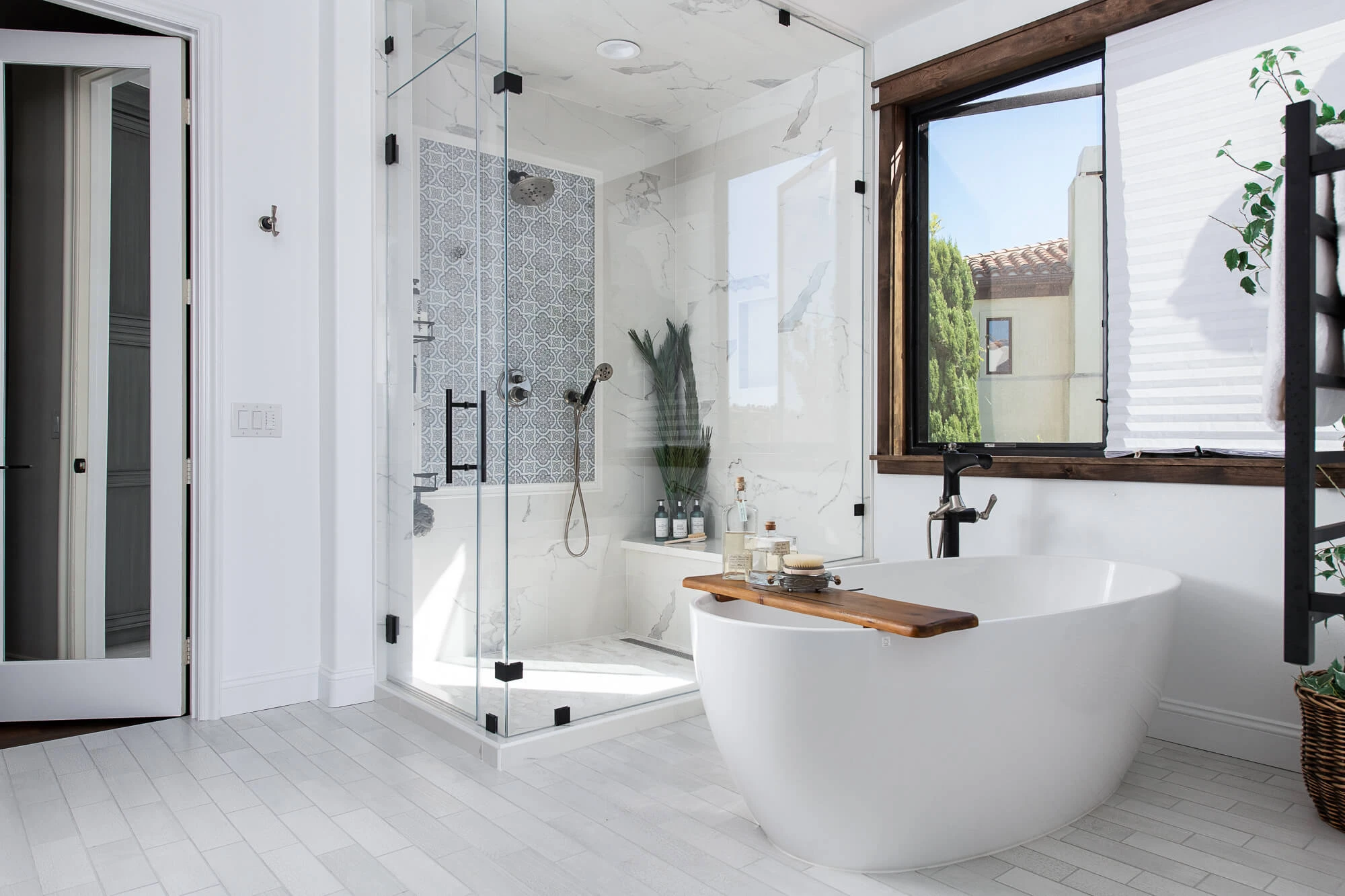
A Historic District restoration interior at completion — exactly the kind of asset the specialty-budget buyer evaluates across her 4–9 month silent research window. Interior architectural photography proves the specialty claim.
Six questions every Roswell custom builder should ask before bidding another specialty-tier project.
If your answer to any of these is “no” or “kind of,” that’s the leak. Plug it before the next Horseshoe Bend inquiry passes you over for a competitor with weaker work but stronger lane-claim. Then look at our full custom home builder framework.
“Does my homepage explicitly name my specialty lane?”
“Custom homes” doesn’t claim a lane. Historic District. Chattahoochee corridor. Horseshoe Bend estate. Pick one.
“Is my portfolio built around 8 deep specialty narratives — not a thumbnail catalog?”
Thumbnails signal volume. Specialty narratives prove the lane. The $1.8M+ buyer is hiring proof.
“Is my photography commissioned twilight + interior — or daylight phone?”
Phone caps your perceived ceiling. Commissioned photography is the specialty-tier entry fee.
“Am I posting on Instagram weekly with architect and restoration-trade cross-tags?”
Inconsistent posting signals a contractor. Weekly cadence with co-tags signals a specialty operator.
“Does my proposal prove the specialty — or just price the scope?”
PDFs invite price comparison. Specialty-proving decks invite partner selection. Partner selection wins specialty.
“Does my portfolio surface my specialty work — or hide it among conventional builds?”
If your three highest-tier specialty projects aren’t the first three you scroll past, the search never finds you.
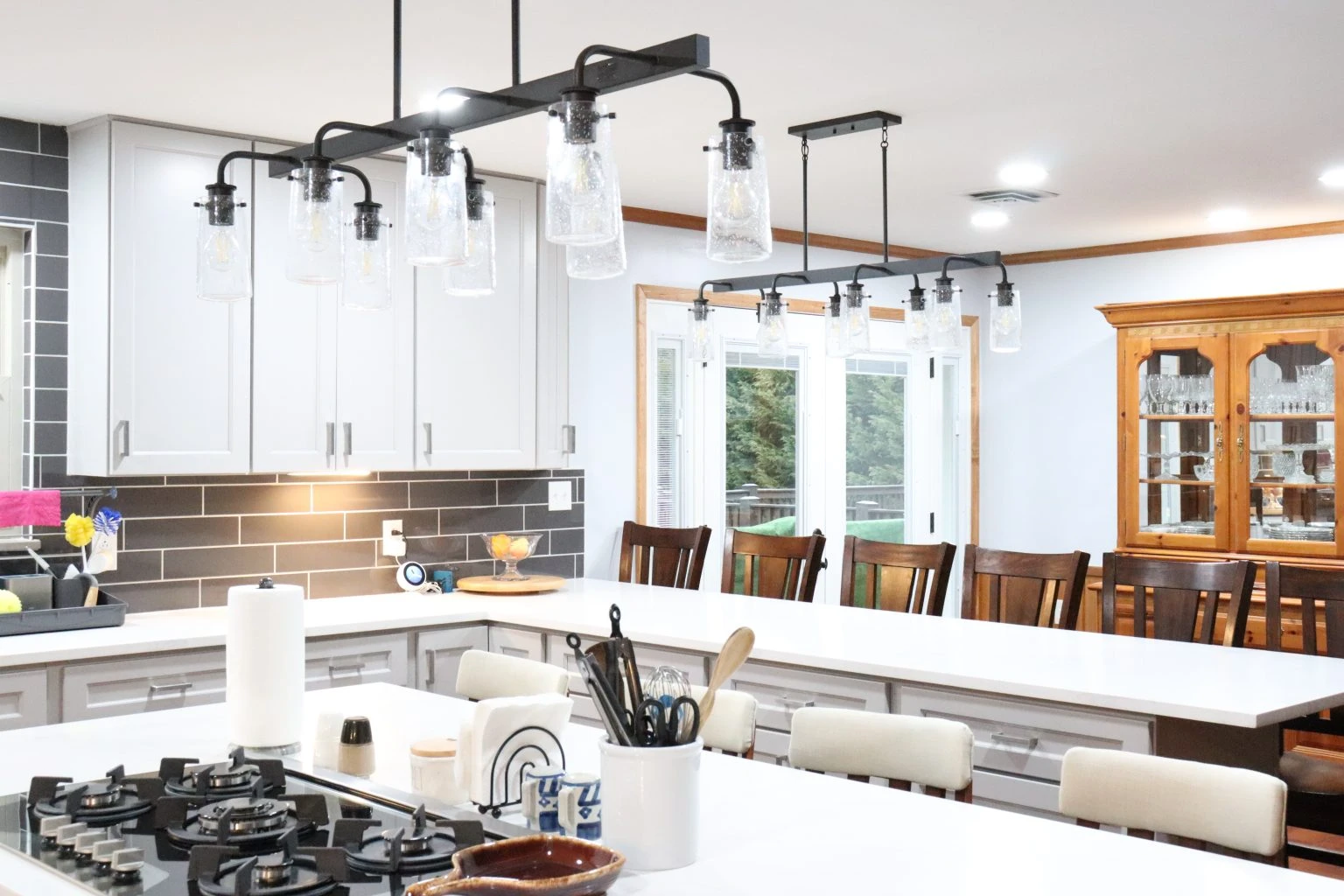
A finished kitchen in a Glenayre estate — the type of image that earns the Instagram save, the architect cross-tag, and the proposal hero for the next year of $1.8M+ specialty inquiries.
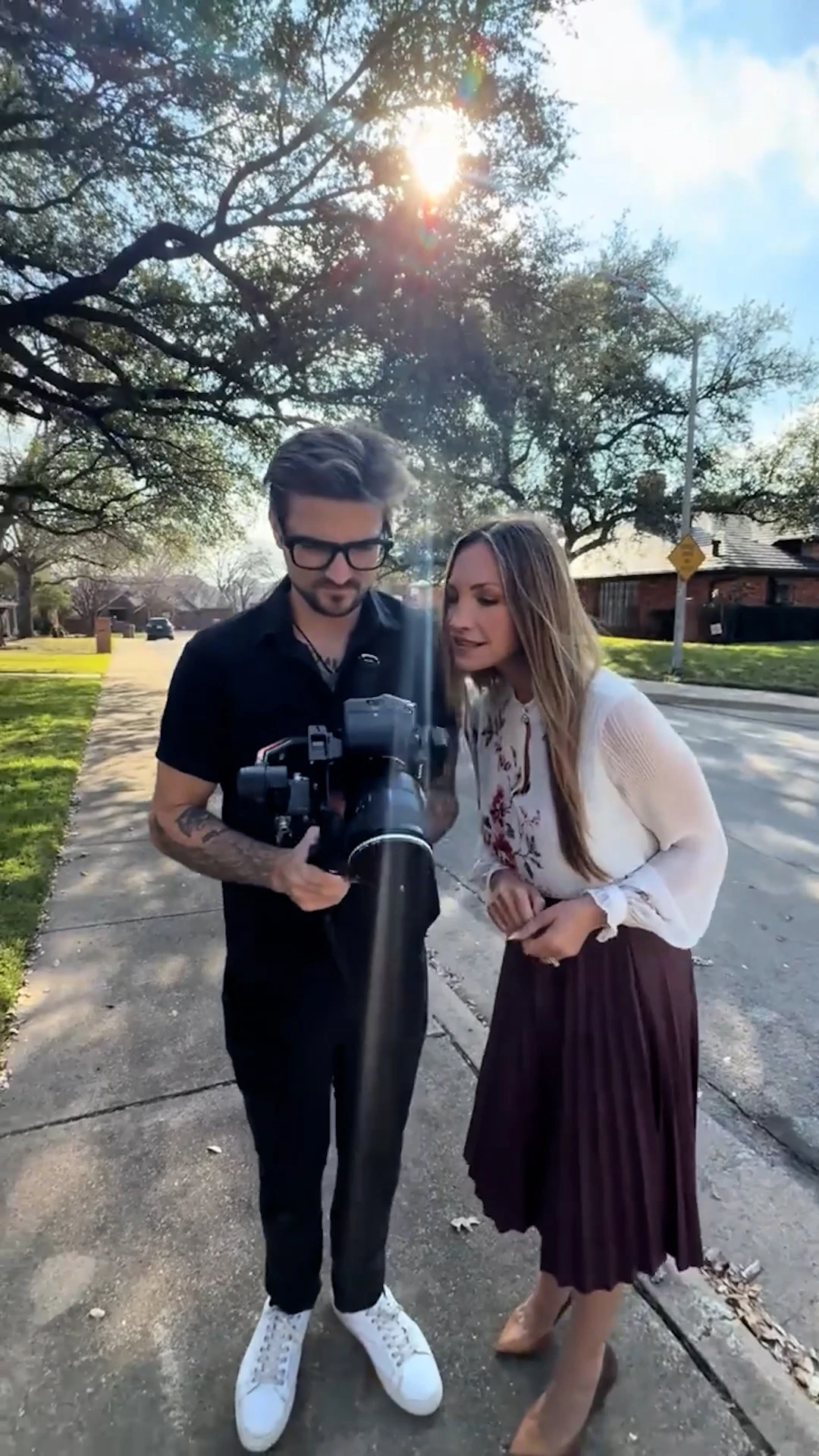
Behind the scenes — every twilight photography session produces 35+ branded assets across web, Instagram, proposal deck, and architect-network cross-promotion for the next 18 months of specialty inbound.
What Roswell custom builders keep asking us about specialty positioning.
Average is 9–12 months from the start of digital repositioning to a measurable shift in signed contract value. The first signed specialty-tier project typically closes around month 8. The full inbound mix shifts by month 18.
It narrows the pipeline volume and triples the average ticket. The math works almost every time: fewer leads, much higher conversion at the specialty tier, materially higher signed contract value. Total revenue climbs even though lead count drops.
Two years is generally the half-life on builder brand surfaces in Roswell’s specialty-luxury market. Photography standards, specialty-claim depth, and Instagram cadence expectations have shifted. If the site reads 2023, it reads generic to a 2026 Horseshoe Bend buyer.
Working range is $55K–$95K total: twilight + interior photography across 6–8 specialty projects, site rebuild, proposal template, 18 months of social management, plus GBP and architect-network outreach. Typically returns within the first signed $1.8M+ specialty contract.
No. One custom builder per geo. We will not build specialty positioning for two Roswell builders at the same time. That conflict line is non-negotiable.
Imagine signing the $1.9M Historic District restoration your specialty work has always been able to deliver.
If you want a 30-minute call where we audit your portfolio, Instagram, and the last three proposals you sent — and tell you exactly which specialty lane your work has already earned the right to claim — that’s free. We do a few of these a week with builders across the broader North Atlanta luxury construction market.
Ready to turn searches into booked jobs?
Viral Spark is a custom builder lead generation partner built for North Atlanta contractors. We pair websites built to book jobs with SEO that books jobs so the right customers find you first — no lead-buying. Get a free game plan →