$21.40 a click during a storm. Or $0. Your choice.
During a Duluth storm, cost-per-click for roofing keywords hits $21.40. The roofer who already ranks organically pays $0 for the same click. That’s the SEO argument in one sentence — but it’s not the whole answer.
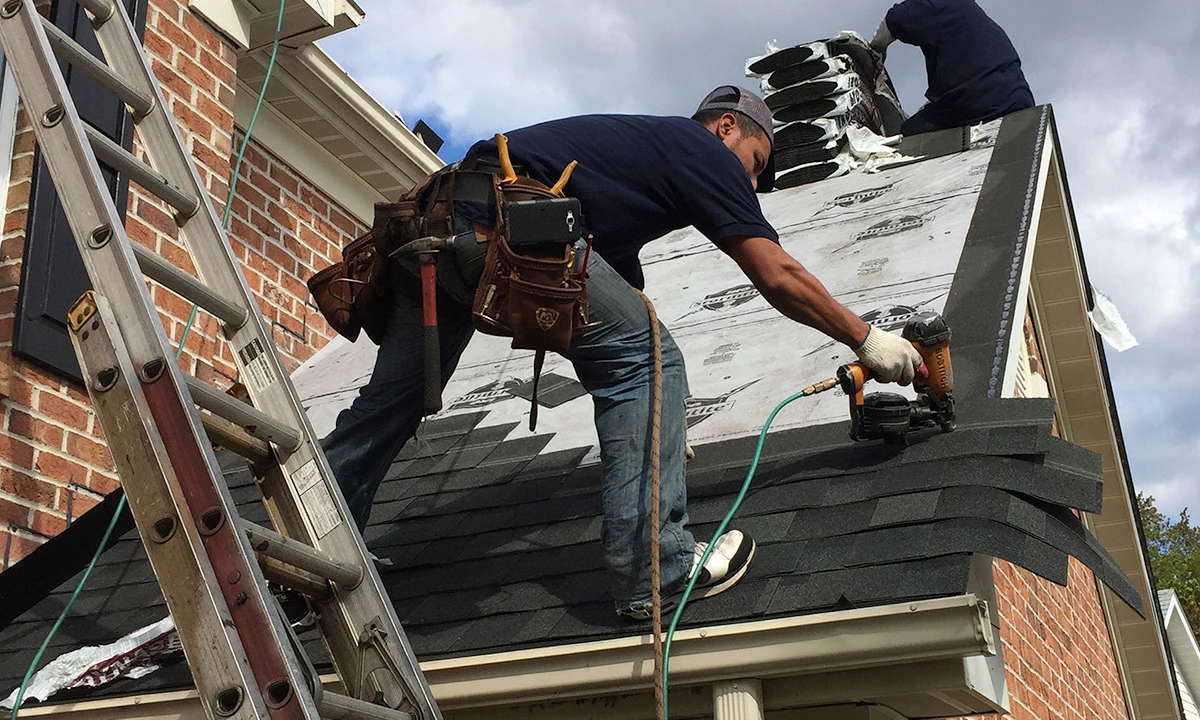
You’re paying storm-tax on every click — and so is everyone else.
Here’s the thing. The Duluth roofing market doesn’t behave like other home-service categories. It runs in storm cycles. A hailstorm rolls through Berkeley Lake or the Sugarloaf corridor on a Tuesday afternoon, and by Wednesday morning every roofer in Gwinnett County has their Google Ads campaign live and bidding on the same six keywords.
Those six keywords — “roof repair Duluth,” “storm damage roofing Duluth GA,” “emergency roofer near me,” and a few cousins — normally trade at $7–$9 a click. During the 72-hour post-storm surge, they spike to $21.40. Sometimes higher. We’ve watched the auction hit $26 a click for “hail damage roofing Duluth” the day after a serious hail event near the Pleasant Hill Road corridor.
Real talk: the roofer answering a homeowner’s call from one of those clicks is paying $200+ in ad spend before they ever quote a job. If their close rate is 1 in 4 — which is generous for cold paid traffic — their cost-per-signed-roof from that channel is $800 minimum. Before you count the labor of the sales rep, the gas to drive out, or the ladder time on the inspection.
The Duluth roofers winning storm season aren’t outbidding everyone else on Google Ads. They’re already ranking organically when the storm hits — and their competitors are paying $21 a click to show up under them on the same page.
The good news? You don’t have to pick one. The right move for a serious Duluth roofer is to run both, but with a sequence and a budget split that most agencies will never tell you about because it shrinks their ad-management fee.
Renting clicks from Google vs. owning the page
Same monthly spend. Completely different math by year two.
| What you’re buying | Google Ads only | Ads + parallel SEO |
|---|---|---|
| Cost per click (storm peak) | $18 – $26 | $0 once you rank organically |
| Cost per signed roof | $780 – $1,100 | $210 by month 18 |
| Close rate by lead source | 11–14% on cold paid traffic | 29–34% on organic clicks |
| What happens off-season | You pause ads. Phone goes silent. | Organic still produces leads |
| Asset value at year three | $0 — you stop paying, traffic stops | Compounding rankings worth 6–8 figures |
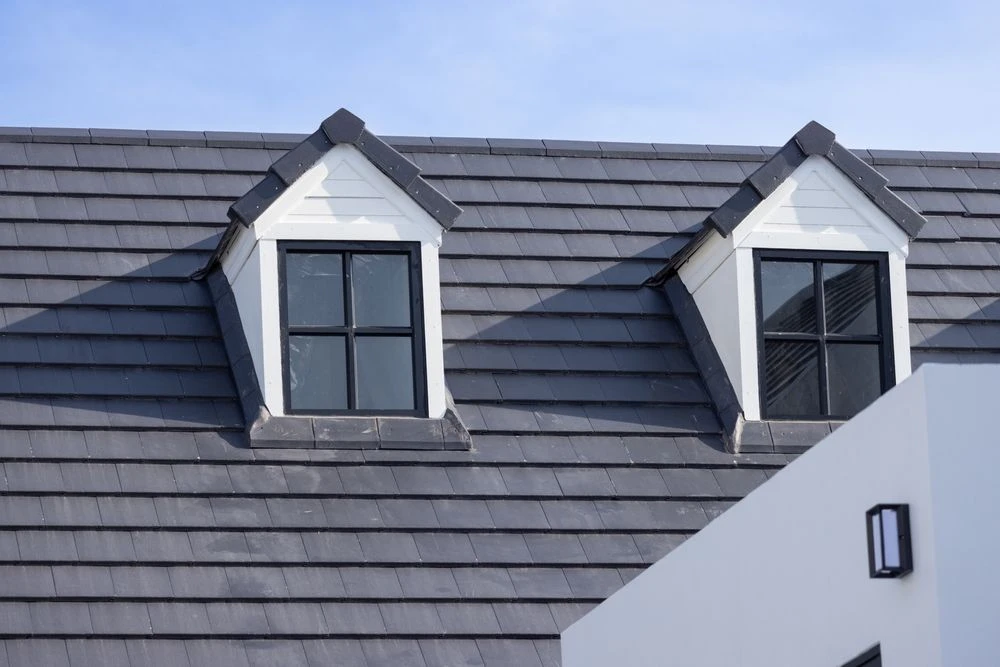
A Duluth roofing crew on a post-storm install — the kind of project that becomes 6–10 indexed search assets when content’s done right.
Stop paying premium clicks. Start owning the result above them.
You’ve probably noticed that during a Duluth storm, the same four roofing companies show up at the top of Google. Two of them are paying $21+ per click for that ad slot. The other two are sitting in the organic top three — paying nothing — and getting more clicks than the ads above them.
That’s not opinion. Click-through-rate data from Gwinnett County search results consistently shows that when paid and organic results both appear on the same page, the top organic listing pulls 2.6x more clicks than the top ad. Homeowners trust an organic result more, especially in a high-stakes purchase like a roof replacement.
The Duluth roofer who invested in SEO 18 months before storm season is the one whose phone rings the loudest when the hail hits — and he’s not paying a dollar for the calls.— What 30+ Duluth roofing sales calls have taught us
Here’s what the math actually looks like when you commit to both channels: for the first 6 months, paid ads are doing 80% of the lead-gen work while SEO ramps up. By month 12, the split is closer to 50/50. By month 18, organic is producing more inbound calls than paid — and the paid budget gets reallocated to display retargeting, where you can hit the same homeowners for $0.40 per impression instead of $21 per click.
The contrarian take isn’t “SEO over ads.” It’s both, in sequence, with a clear handoff. The Duluth roofers losing right now picked one or the other.
Three lead channels. One sequence. Compounding math.
Every Duluth roofer we’ve worked with wins or loses on the same three channels — and on whether they fired them in the right order. Get the sequence wrong and you’re stuck paying $21 a click forever.
What a Duluth roofer’s lead engine actually looks like.
None of these work as well alone as they do together. Run all three for 18 months and your cost-per-signed-roof drops below what your competitors are paying for a single Google Ads click.
Local SEO — the only channel that gets cheaper over time.
Ranking organically for “roof repair Duluth” or “storm damage roofer Berkeley Lake” is a 12–18 month investment that produces leads at near-zero marginal cost for years afterward. Most Duluth roofers never start because the payoff is too far away — which is exactly why the few who commit own the entire map pack. We pair this with contractor lead generation infrastructure so every organic click hits a converting page, not your homepage.
Storm-trigger Google Ads.
Ads that activate within hours of a Gwinnett County storm event — not always-on burn. Pay $21 a click only on the 30 days a year it actually moves the needle, then go dark.
Display retargeting.
The cheapest dollar in roofing marketing. Hit every homeowner who visited your site — from organic, ads, or referral — for $0.40 per impression instead of $21 per click.
The compounding effect.
Paid ads pay the bills in months 1–9 while SEO ramps. By month 12, organic catches up. By month 18, you can dial paid ads to storm-only and reallocate the rest to display retargeting that works for a fraction of the cost. The compounding math is what separates the Duluth roofers booking 80 jobs a year from the ones booking 28.
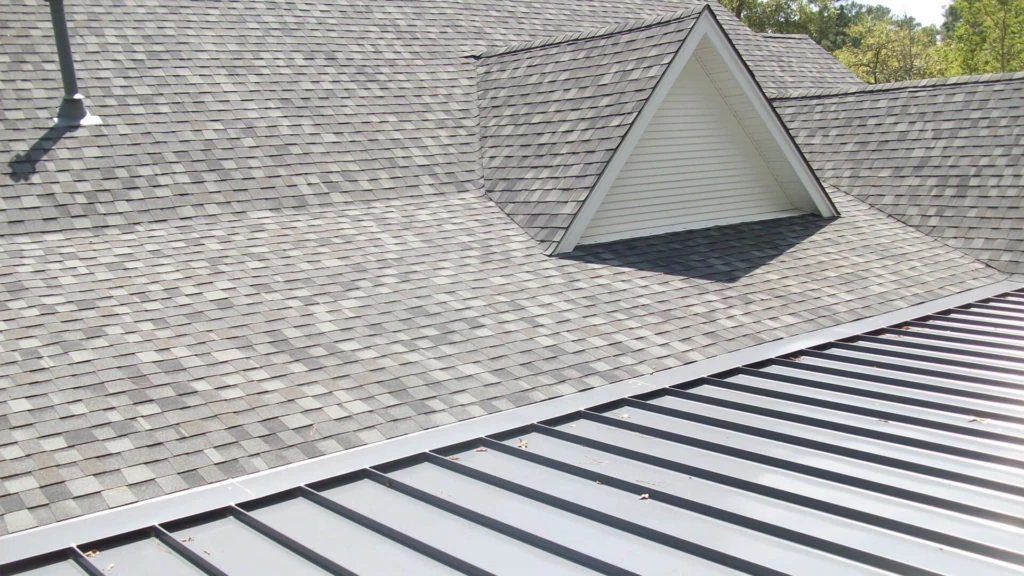
Mid-project content like this — shot during the install, not just at handover — is what locks neighborhood-level rankings around Berkeley Lake and Pleasant Hill Road.
How we sequence Ads and SEO for a Duluth roofer.
Paid heavy, SEO foundation
70% of budget into Google LSAs and storm-trigger Search ads. The remaining 30% builds SEO infrastructure — site rebuild, Google Business Profile overhaul, neighborhood landing pages for the Sugarloaf, Berkeley Lake, and Pleasant Hill corridors. Inbound leads from day one while we plant the long-game.
Split 50/50, content engine
Storm content library, drone reels of completed Duluth jobs, before/after photo system, review-collection workflow. Organic rankings start landing on page one for secondary keywords. Cost-per-lead drops from $94 to about $52 as organic clicks dilute the paid average.
Compound and reinvest
Organic produces 60%+ of monthly inbound. Paid budget shrinks to storm-trigger only and display retargeting. Cost-per-signed-roof drops below $250. By month 18, you can pause Google Ads for 60 days and the phone keeps ringing.
The Pleasant Hill Road roofer who stopped bidding the storm.
A nine-year Duluth roofing company was spending $4,800 a month on Google Ads, with 73% of that budget activating during the 30 storm-window days a year — paying as much as $26 a click. Closing about 14 of every 100 paid leads. By month 14 working with us, organic search was producing 47 inbound exclusive calls per month at a cost-per-lead of $38, his close rate on those calls was 31%, and his Google Ads spend had been cut by 64% — with total signed roofs up 41% year-over-year. He stopped panicking when the next hailstorm rolled through.
Paid spend vs. organic leads, 18-month timeline.
Organic leads compound. Paid clicks reset to zero every month. That’s the entire SEO argument.
Inspection content like this fills the top-of-funnel that organic search captures — before homeowners ever see an ad.
Six questions before you sign with any Duluth marketing agency.
Whether you talk to us, our competitors, or a national agency pitching you over Zoom — these six questions surface 90% of what matters for a Duluth roofer running both Ads and SEO.
“What’s my budget split between Ads and SEO — and why?”
If they recommend 100% of either, walk. The answer should change month-over-month based on where you are in the ramp.
“How does my campaign change when a storm hits?”
If they don’t have a 24-hour storm-trigger protocol for Gwinnett County weather events, they’re not a roofing-specific agency.
“Show me a Duluth roofer you took from $X to $Y.”
Not “traffic up.” Real signed roofs, real revenue, real timeline. Anonymous case studies are a flag.
“What’s the realistic SEO ramp on Duluth roofing keywords?”
Anyone promising “page one in 30 days” is lying or burning your money on ads. Real ramp is 6–9 months for Duluth-specific neighborhood rankings.
“Will you take on another roofer in Gwinnett County?”
One roofer per market, full stop. Otherwise they’re optimizing two of you against each other and double-charging for the privilege.
“What does my reporting actually show?”
Cost-per-signed-roof by channel. Not “impressions” or “clicks.” If they can’t tie ad spend back to revenue, they’re guessing.
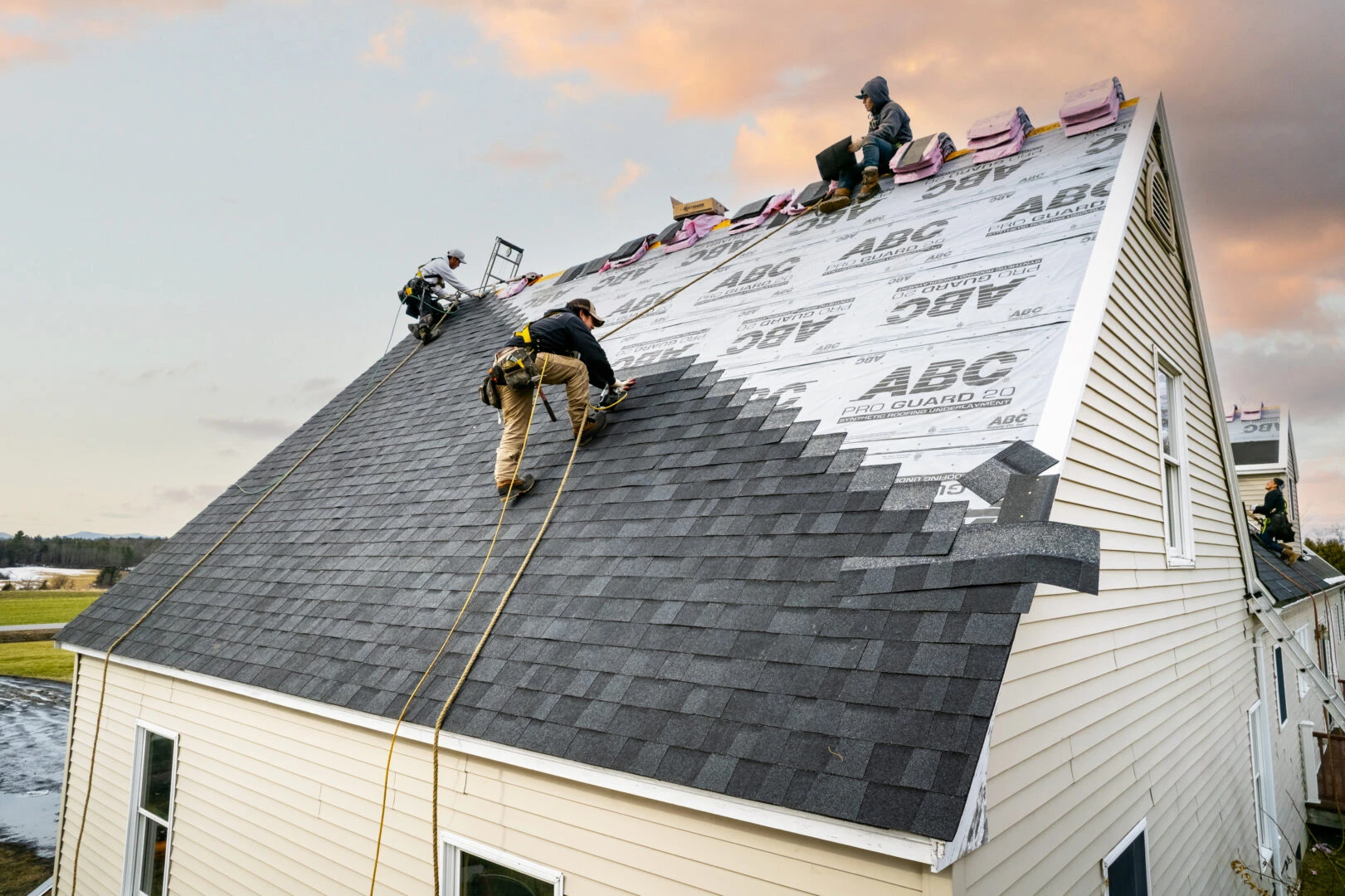
A finished Duluth roof replacement — the kind of project that becomes a year of marketing assets when it’s documented properly.
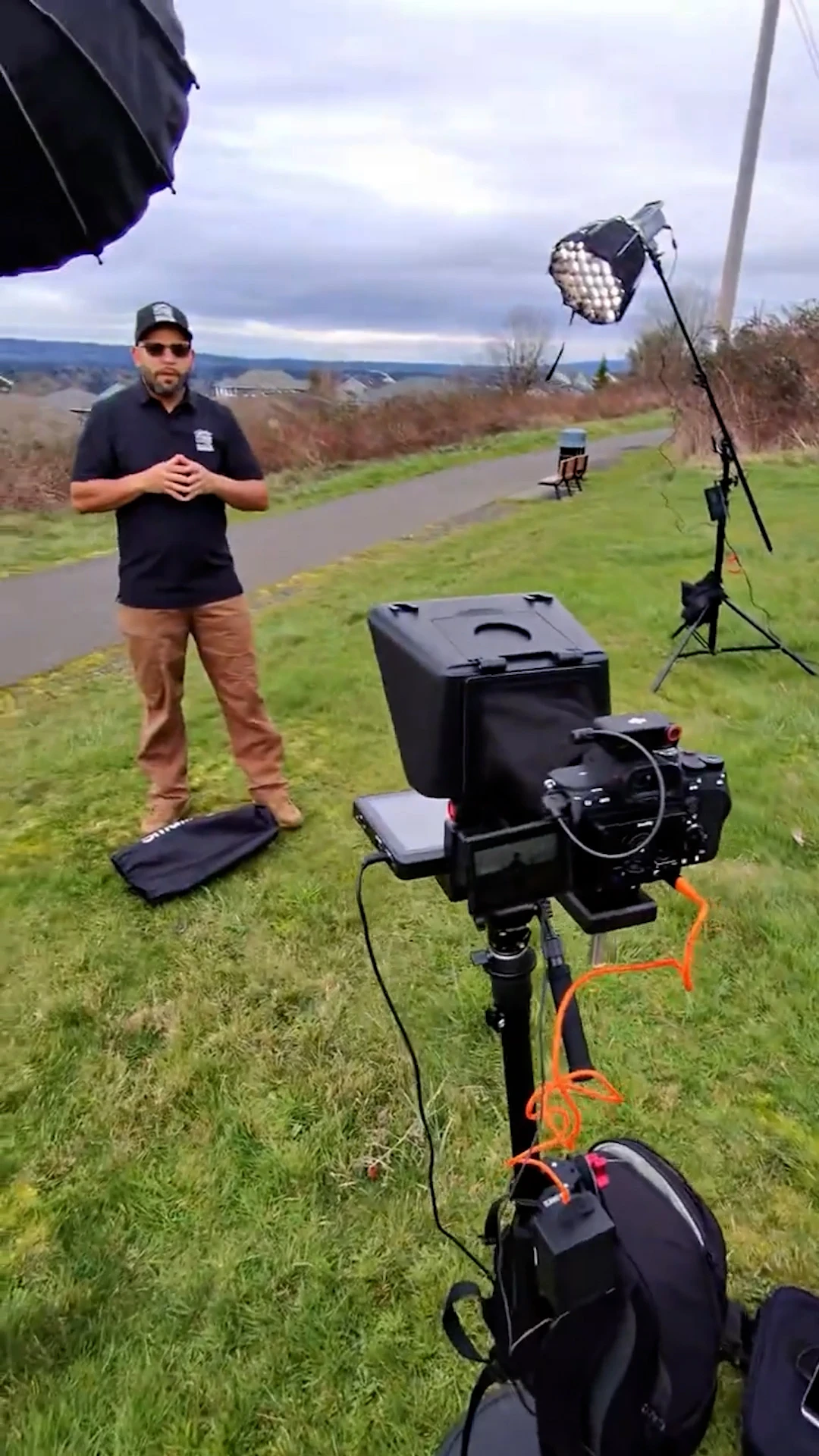
Behind the scenes — every Duluth roofing project we shoot turns into 6–10 organic search assets.
What Duluth roofers keep asking us about Ads vs. SEO.
Speed. SEO takes 6–9 months to land first-page rankings for competitive Duluth roofing keywords. Google Ads can be live and producing inbound calls within 72 hours. Roofers who skip ads in months 1–9 starve while they wait for organic to ramp. The right answer isn’t one or the other — it’s both, with the budget split shifting as SEO catches up.
During storm peaks, yes — and it goes higher. We’ve seen the auction hit $26 for “hail damage roofing Duluth GA” within 24 hours of a serious hail event. Outside storm windows, the same keywords trade at $7–$9. The volatility is the entire reason Duluth roofers should never run always-on paid search at full budget.
Three numbers: cost-per-click, cost-per-lead, and cost-per-signed-roof. If your agency can only show you the first two, they’re hiding from the third. A healthy Duluth roofer running ads + SEO together should see cost-per-signed-roof under $400 by month 12. If yours is over $1,000, something is broken in the funnel — usually the landing page or the call-back speed.
You can — and it works fine for general blog content. But ranking for high-intent Duluth roofing keywords against established competitors requires technical SEO, neighborhood landing pages, schema, citations, and ongoing content. A freelancer at $1,500/month produces about 20% of what a full team produces — and the gap shows up at month 9 when nothing’s ranking.
Two things. First, your cost-per-signed-roof never compounds downward — it stays at $800+ for the life of the campaign. Second, the day you stop spending, your phone goes silent. You’ve built no asset. The Duluth roofers we work with who started with us 24+ months ago can pause Google Ads for a full month and barely notice the change in lead flow. That’s the difference.
Stop paying storm tax. Build the engine that pays you back.
If you want a 30-minute call where we audit your current Google Ads spend, your organic rankings for Duluth roofing keywords, and the top three roofers ranking against you — that’s free. We do a few of these a week with roofers across the broader North Atlanta corridor.
Ready to turn searches into booked jobs?
Viral Spark is a marketing agency for roofers built for North Atlanta contractors. We pair websites built to book jobs with SEO that books jobs so the right customers find you first — no lead-buying. Get a free game plan →