Every Duluth landscaper spikes in April. The winners start in February.
The landscapers booking through October aren’t the ones with the biggest April budget. They’re the ones who started pushing in February — when their competitors were still asleep and CPCs were a third of what they’d be by spring.
Marketing that wakes up the same time the homeowner does.
Here’s the thing. Most Duluth landscapers we talk to run on what we call “weather-triggered marketing.” First warm Saturday hits. Forsythia blooms. Suddenly the budget gets cranked up because — quote — “season’s starting.”
By that point, you’ve already lost. The Duluth homeowner serving the Berkeley Lake, Gwinnett Place, and Sugarloaf corridors didn’t just start thinking about her landscape when the temperature hit 70. She’s been thinking about it since the leaves were on the ground. She’s been Googling “landscaper near me” since the week after Super Bowl. By the time you turn your March ads on, she’s already had three quotes — and you’re bidding $7.80 a click against eight competitors for what’s left.
Real talk: April competition in Duluth landscaping is a meat grinder. Every contractor in Gwinnett County is throwing money at the same keywords. CPC triples. Lead quality drops because every homeowner is price-shopping. The landscaper who pre-loaded the win in February is already booked through July while April fighters are still trying to break even.
The landscapers we work with who book through October don’t have bigger budgets than their competitors. They have a two-month head start. February is the single highest-leverage month in the entire Duluth landscaping calendar.
The good news? February is a 28-day window. You only need a plan and a budget — the competition is voluntarily skipping it. Here’s how to run it.
Wake-up-with-the-weather vs. own February
Same annual budget. Wildly different schedule by July.
| What you measure | April-spike marketing | February-led marketing |
|---|---|---|
| Cost-per-click in primary window | $7.80 average | $2.30 average |
| Competitors in the auction | 8–11 active bidders | 2–3 active bidders |
| Quotes the homeowner already has | 3 before they call you | You’re typically the first quote |
| Close rate on proposals | 16–22% | 44–58% |
| Schedule status by April 15 | Still chasing leads | Fully booked into June |
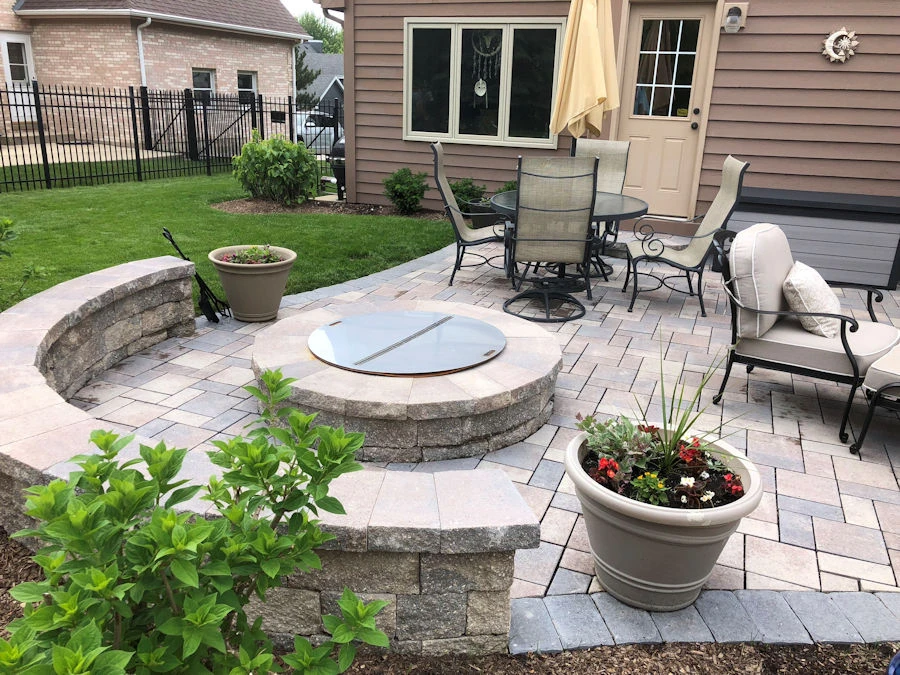
A finished Gwinnett Place corridor build — the kind of asset that does the heavy lifting in February ads.
Stop optimizing for the busy season. Optimize for the planning season.
You’ve probably been told the smart play is “spend more when the leads are hot.” That advice is half right. Yes, leads spike in spring. The mistake is assuming the lead spike is when the decision happens.
It isn’t. The decision happens earlier. The Duluth homeowner planning a $35K hardscape isn’t a tire-kicker — she’s a researcher. She talks to her partner in January. She drives by completed projects on weekends in February. She gathers three quotes in March. She signs in April. The April lead you “won” was a decision that closed two months earlier.
The landscapers winning Duluth right now show up in February — not because they have a magic ad — because they’re the only contractor she’s seen multiple times before her partner says “we should get this done.” By the time competitors wake up in April, her decision is 90% done. Lead generation in landscaping isn’t a spring sport. It’s a winter one disguised as a spring sport.
The Duluth homeowner who pulls up to your truck in April was watching your Instagram in February. You either showed up then, or you’re already eliminated.— What 40+ Duluth hardscaping consultations have taught us
That doesn’t mean April gets no spend. It means April spend is for closing — not generating. Your April dollars should be working existing February audiences, not chasing brand new keyword clicks at $7.80 each. The landscapers winning Duluth figured this out three seasons ago.
Five phases. Each one has a different job.
The Duluth landscaper marketing year isn’t a flat budget — it’s a five-act play. Here’s how the acts break down and what each one is supposed to do.
The Duluth landscaper calendar, phase by phase.
Run them in order. Skip phase one and the whole year compounds against you. Nail phase one and the rest gets dramatically easier.
February — push hardest, spend boldest.
This is the month nobody else is fighting for. CPCs at $2.30. Two or three competitors total in the auction. Duluth homeowners actively researching but not yet quoting. Spend 35–40% of your annual budget here. Run aggressive Google Ads on “landscaper Duluth” and neighborhood variations — Berkeley Lake, Sugarloaf, Medlock Bridge. Drop your strongest finished-project content. Get your three best 2024 builds shot under late-winter light and pushed into ads by Valentine’s Day. The homeowner who clicks your ad on February 12th will quote you first in March and sign in April — and never get to a third competitor.
March–April — close, don’t compete.
25% of budget. Pull back on new keyword bidding. Pour into remarketing and follow-up automation. The leads you’ll close in May were generated in February — your job now is conversion, not acquisition.
May–August — document, don’t advertise.
15% of budget. Crews are busy. Send a photo team to every job. Every patio install becomes 25 pieces of next February’s marketing.
September–January — plant for February.
20–25% of budget split across these months. Fall outdoor-living content. Holiday lighting remarketing. January planning-season guides. The October fire-pit reel becomes the February consultation. The seed window is what makes the head-start window possible. Skip it and you’re back to fighting at $7.80 a click.
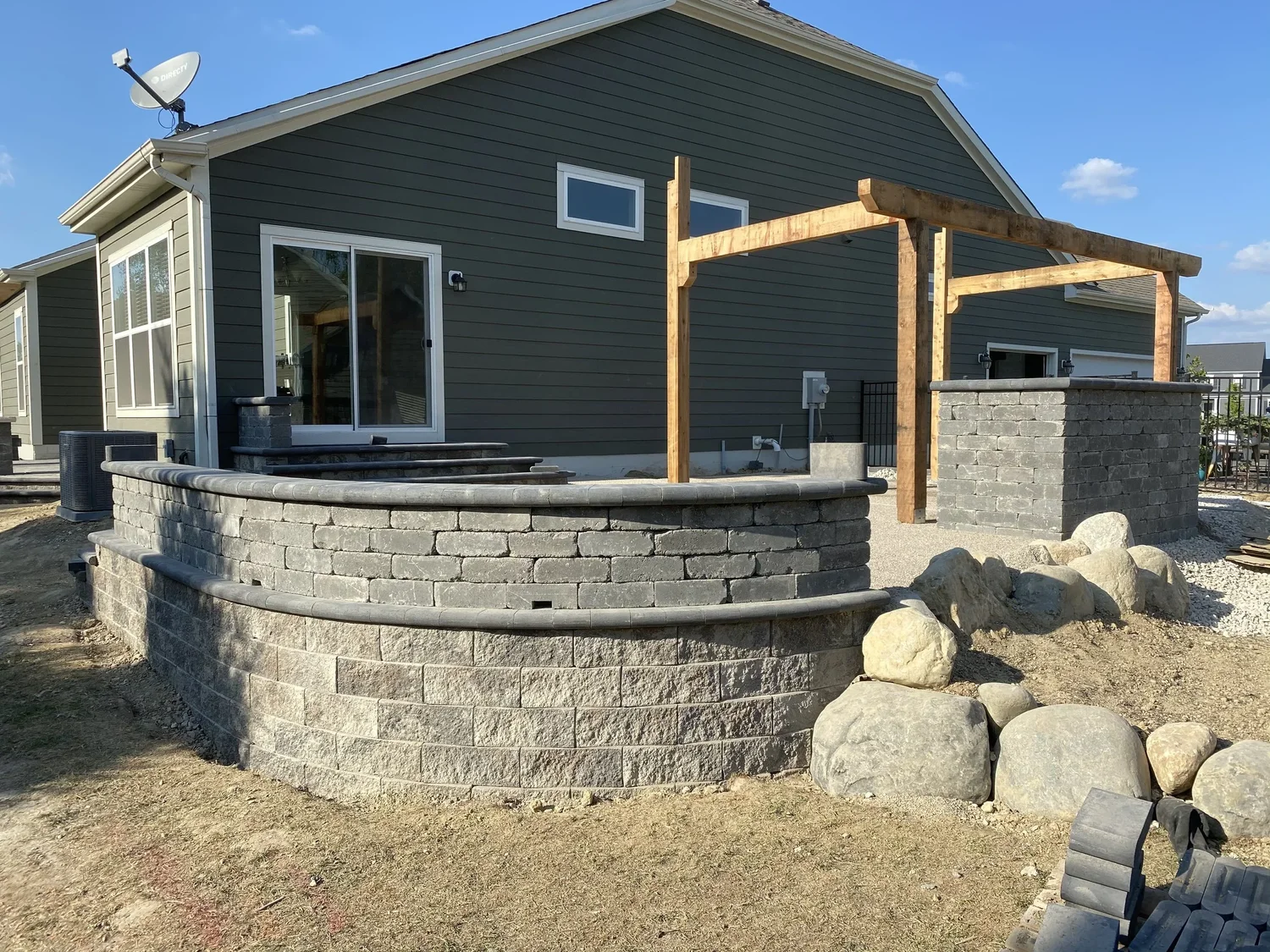
A Medlock Bridge corridor project — the kind of late-day-light content that converts February researchers into March quotes.
How we run a Duluth landscaper calendar.
Audit last year’s curve
We chart every dollar you spent monthly against actual contracted revenue from that month’s leads. The two curves never match for landscapers running flat or April-spike calendars. The gap is usually $9K–$16K of clear waste.
Build the February engine
By December 1st, your 2027 February content is shot, your ad creative is built, your landing pages are tuned for the Duluth landscape buyer, and your remarketing audiences from the previous year are loaded and ready.
Stack the year
Each phase feeds the next. February generates pipeline. April closes it. Summer builds make October content. October content seeds February. Year over year, the engine spins faster on the same budget.
The Berkeley Lake landscaper who skipped April.
A Duluth landscaper with a $1.6M run-rate ran flat $2,400/month Google Ads for three years. Closed 17 projects in his average year at an average $11,400 per project. We rebuilt his calendar — pulled summer and fall to bare minimum, dropped a $7,800 February push backed by content shot the previous September. By April 18th of the following year, he had signed 24 projects averaging $14,200 each. Same annual budget. 23 more projects. Higher project value because he was the first quote instead of the third. He hasn’t run an April Google Ads campaign since.
Spend allocation by month (% of annual).
February is the disproportionate bet. Everything else either feeds it or harvests it.
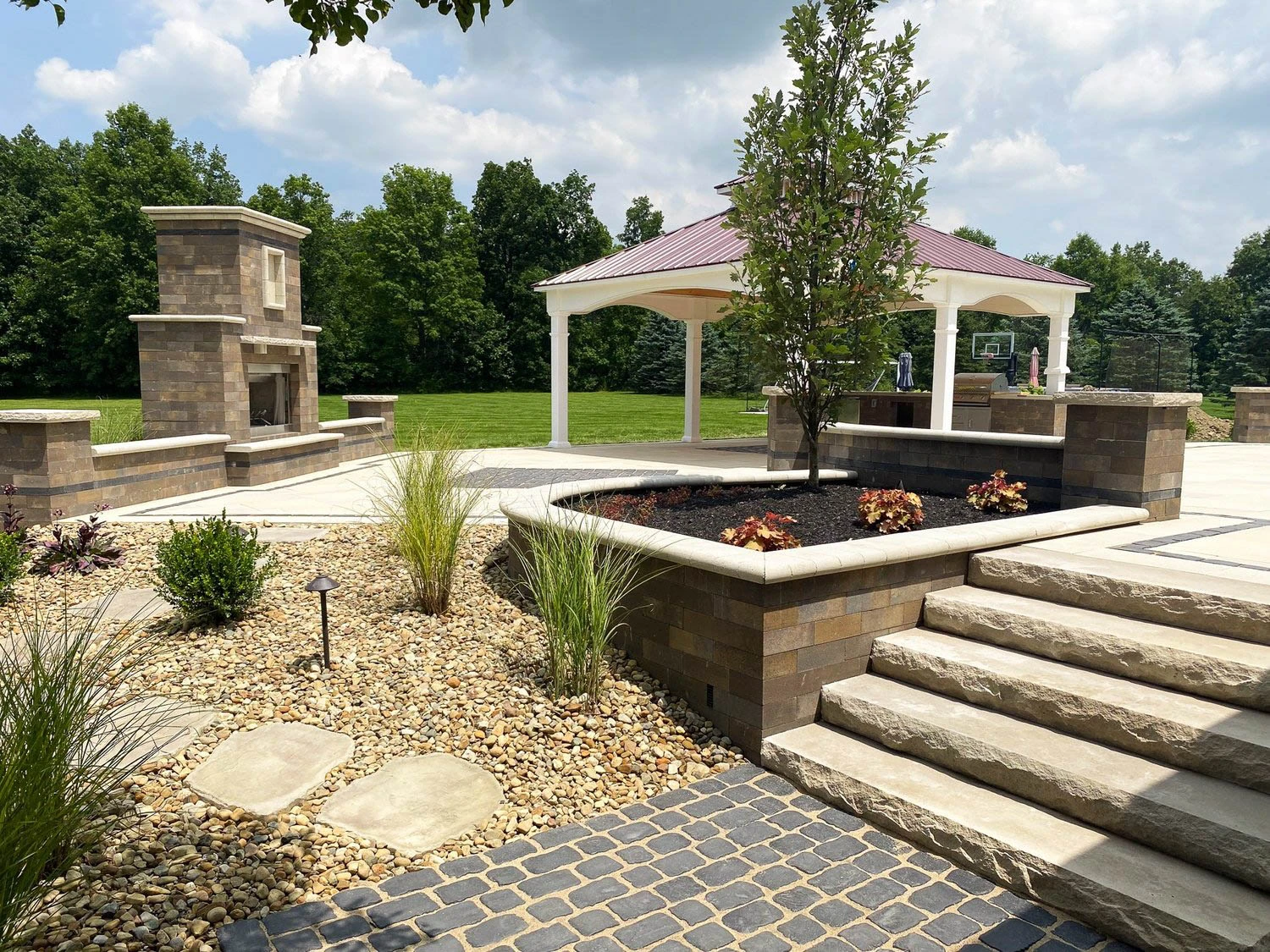
Twilight outdoor-living content — shot in summer, deployed in February.
Six moves the booked-through-October Duluth landscapers do every year.
If you can check all six by January 15th, you’re set up to take February from your competitors before they realize the season started.
Did you shoot finished projects in fall?
September and October light is the most flattering of the year for hardscape and lighting projects. If you didn’t shoot then, you can’t run February ads with current content.
Is 35%+ of next year’s budget locked to February?
Not “if we have it.” Locked. Set the budget in December for February so the temptation to redirect it never comes up.
Are your neighborhood pages live?
Berkeley Lake, Medlock Bridge, Sugarloaf, Pleasant Hill, Gwinnett Place — each gets its own page. February searches are specific. Generic pages lose.
Do you have remarketing audiences from last year?
The homeowner who visited your site in May 2026 but didn’t quote is gold in February 2027. If those audiences aren’t built, you can’t run the play.
Is the form follow-up automated?
February leads are research-stage and forgiving — but only for the first 24 hours. Hit the auto-text within 5 minutes or you slide to “another quote” status fast.
Can you actually pull back in April?
The hardest part isn’t spending in February. It’s having the discipline to stop spending in April when your competitors are spending wildly. If you can’t, the whole calendar collapses.
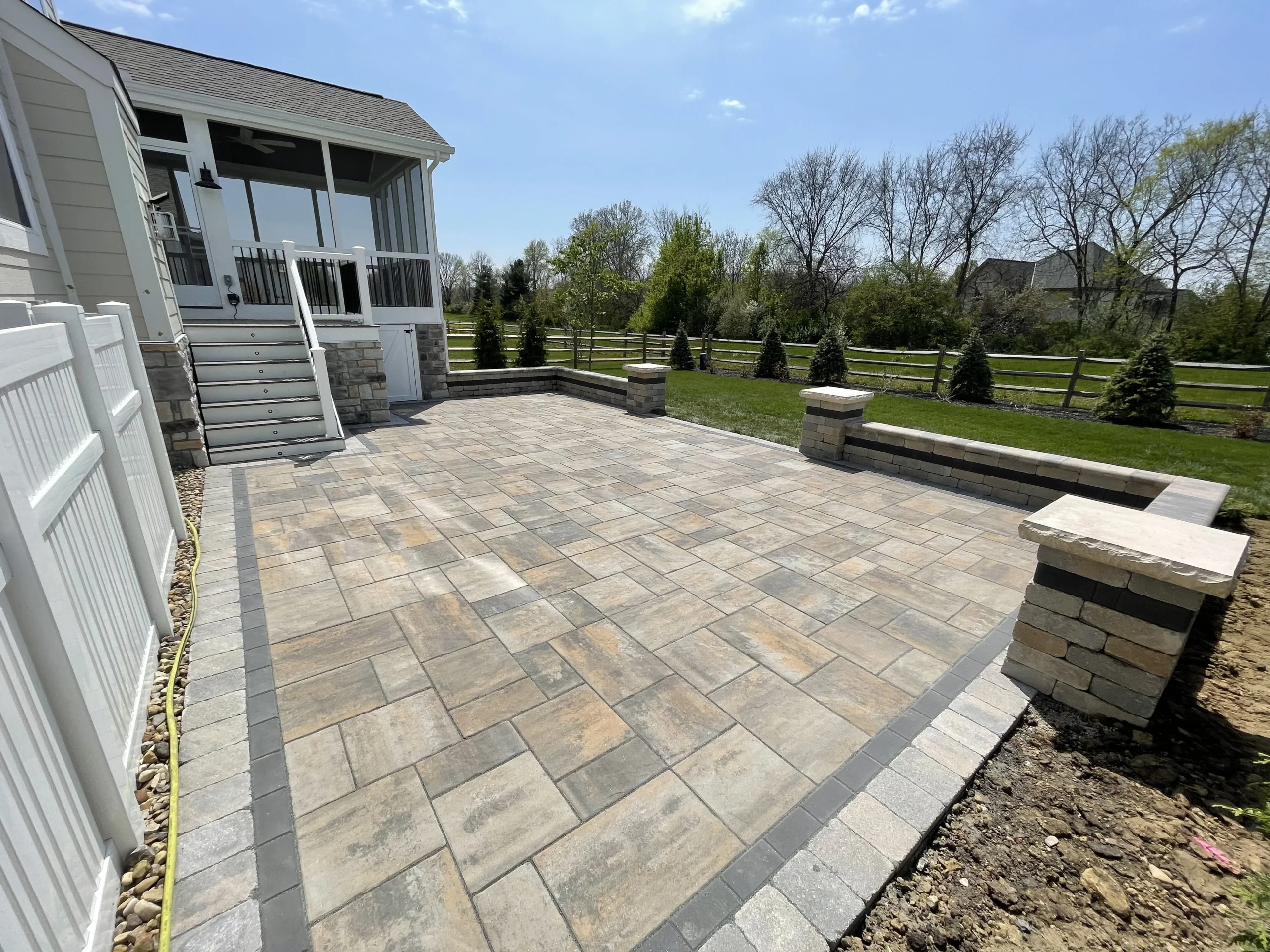
A Sugarloaf front-yard install — front-of-house projects convert best when shown in February planning content.
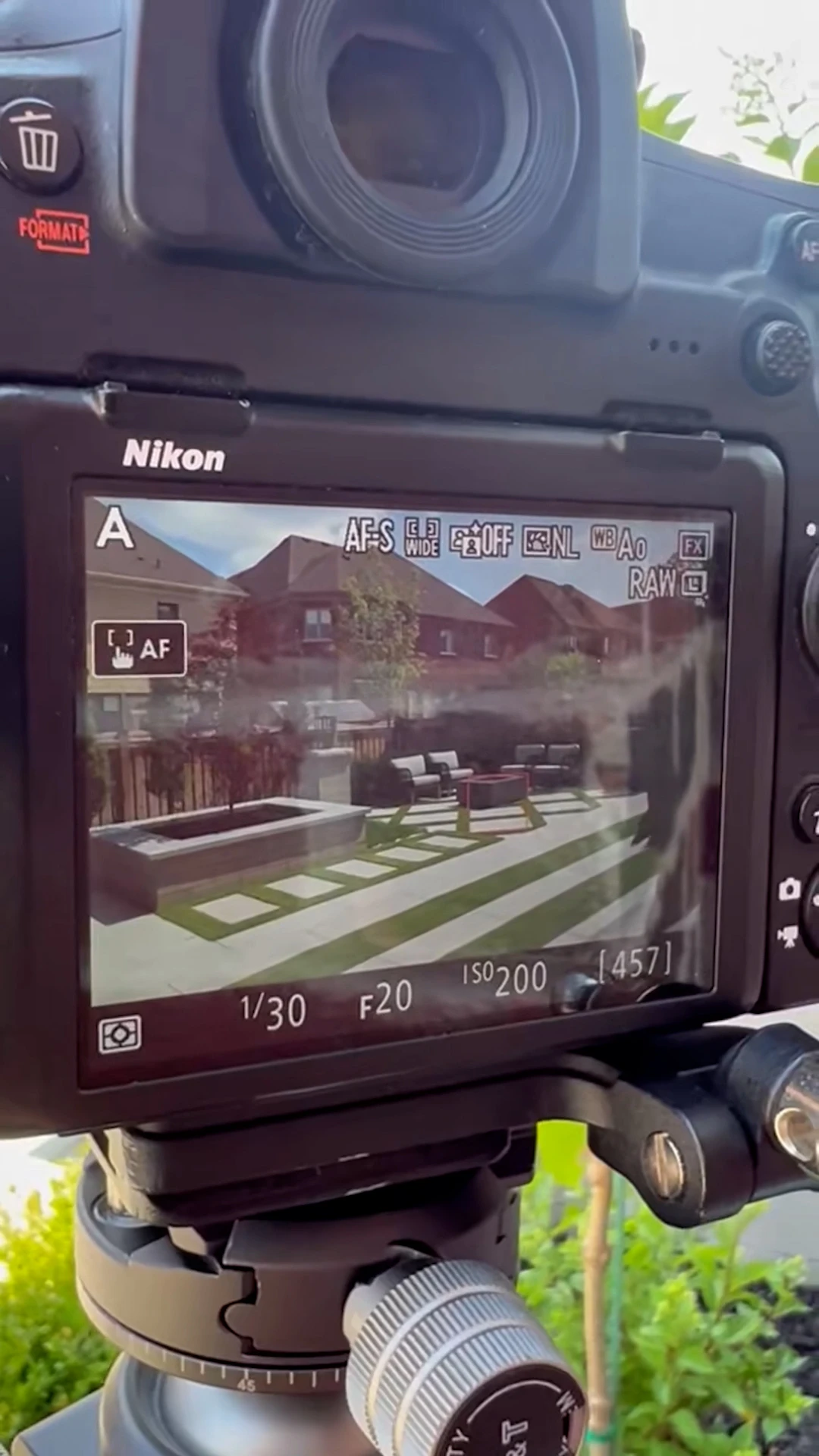
Behind the scenes — every fall shoot becomes the next February’s ad library.
What Duluth landscapers keep asking about the calendar.
They are — they just aren’t telling you yet. Google search data for “landscaper Duluth” and “paver patio Duluth” climbs hard the second week of February every year. The homeowner isn’t ready to quote in February, but she’s ready to research. The contractor she sees most often during research is the one she calls when she’s ready to quote — and that’s typically mid-March.
The calendar shifts slightly. Maintenance contracts close in late February and early March as homeowners line up the season’s vendor. So February is still your biggest month — but it’s even more time-sensitive. The maintenance contractor who isn’t on a Duluth homeowner’s radar by March 1st loses the contract for the entire year.
Quiet on paid acquisition, yes. Loud on organic content, no. Summer is when you’re shooting projects, posting completed work, and stacking reviews. Your paid spend drops dramatically, but your owned-channel activity actually peaks. You’re feeding the next February.
Partially. HOA contracts in Duluth typically negotiate in October through December for the following year — so HOA marketing peaks Q4. Commercial property management runs more like residential — February is still the planning push, with March–April negotiations. If you serve both, you run two parallel calendars.
Year one is a sprint — you’ll need to shoot January content (which is harder under winter light) and run a slightly later February push. By year two, your previous fall’s content carries the calendar and you join the standard rhythm. The hardest year is always year one.
Imagine April with your build calendar already booked into August.
If you want a 30-minute call where we audit your last 12 months of spend, overlay it on Duluth landscape keyword seasonality, and show you exactly when your competitors are spending dumb money — that’s free. We do a few of these a week with landscapers across the broader North Atlanta market.
Ready to turn searches into booked jobs?
Viral Spark is a landscaping SEO agency built for North Atlanta contractors. We pair high-converting contractor websites with local SEO that ranks so the right customers find you first — no lead-buying. Get a free game plan →