The roofer marketing calendar Johns Creek runs on.
Stop ramping up after the storm. Start ramping up three weeks before it. The Johns Creek roofers booking the most post-storm work aren’t reactive — they’re already in the homeowner’s head when the hail hits.
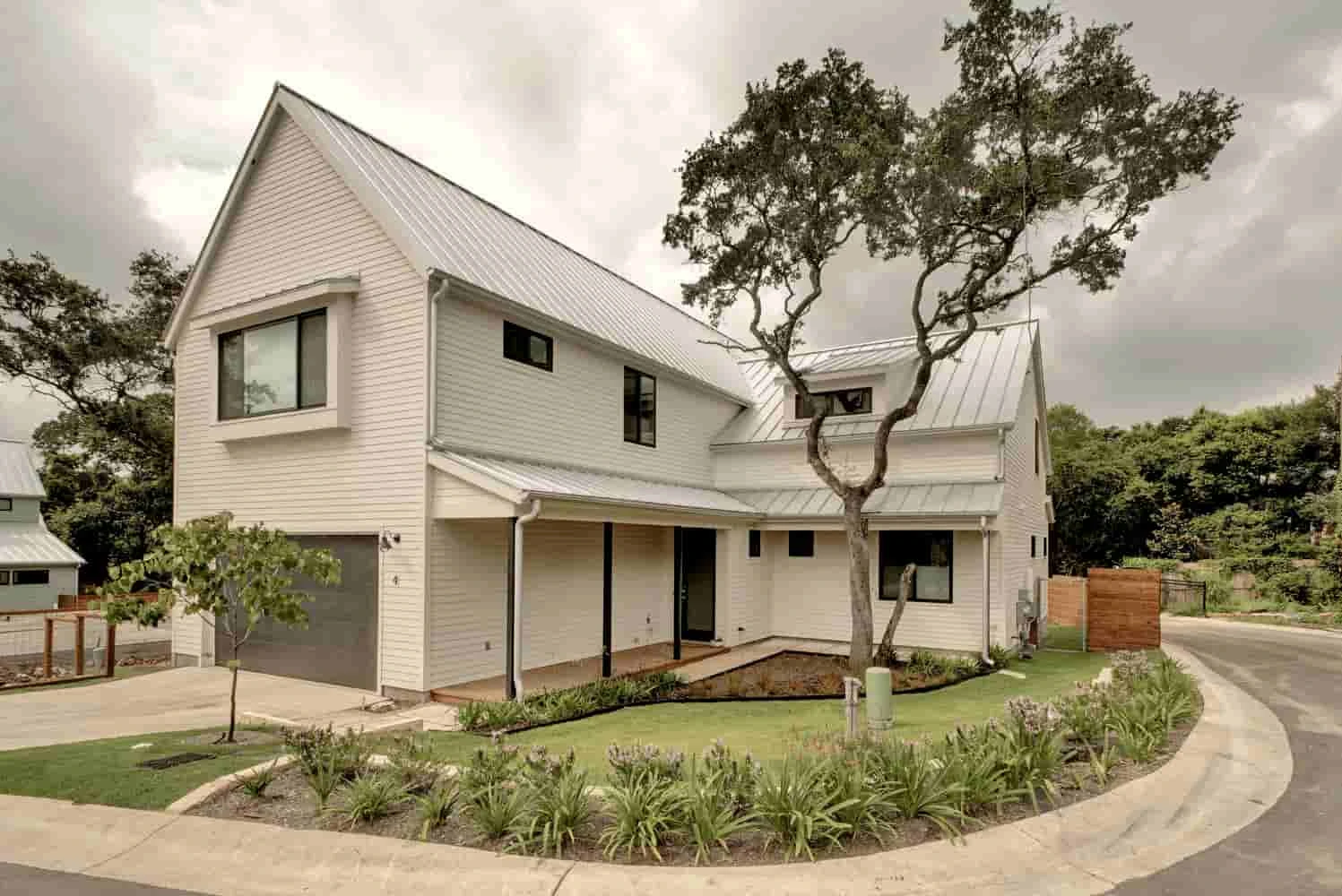
By the time you launch your post-storm campaign, the homeowner already called someone else.
Here’s the thing. Almost every roofing contractor we talk to in Johns Creek runs the same reactive playbook. Storm hits. Phones go quiet for 18 hours while homeowners assess damage. Then the panic starts — homeowners calling roofers, roofers scrambling to launch ads, every contractor in North Fulton suddenly bidding on the same Google keywords at the same moment.
The problem is that by the time your reactive campaign goes live, the Johns Creek homeowner has already called the roofer they recognized. Maybe they saw your competitor’s truck three times last month. Maybe their neighbor used him last year. Maybe his name was in the Nextdoor thread two weeks ago. 63% of post-storm jobs in Johns Creek go to a roofer the homeowner had heard of before the storm. Your reactive ad is fighting for the 37% leftovers — and you’re paying spring-storm CPCs of $28+ for the privilege.
Real talk: post-storm marketing isn’t post-storm. It’s pre-storm. The roofers winning the Johns Creek storm market are the ones whose name was already familiar in the three weeks before the storm — through their signage, their content, their Nextdoor presence, and their pre-season ad campaigns running quietly while everyone else was waiting for hail.
The two storm windows in the North Fulton corridor are April 15 – May 31 and August 1 – September 15. Your pre-season push starts three weeks before each window. That’s the calendar. The rest is execution.
The good news? Your competitors aren’t doing this. They’re still running reactive playbooks. Which means the three-week pre-storm window is wide open and surprisingly cheap.
Reactive vs. pre-season marketing in Johns Creek.
Same total budget. Completely different post-storm booking math.
| What you’re doing | Reactive (industry default) | Pre-season (what wins) |
|---|---|---|
| When ads first run | 4–24 hours after storm | 3 weeks before storm window |
| Post-storm CPC | $28–$42 in bidding war | $6–$11 in pre-season |
| Brand recall at storm | Near zero | High — homeowner already saw you |
| Share of post-storm bookings | Fighting for the 37% scraps | Winning from the pre-known 63% |
| Average ticket post-storm | $11,200 — price war | $18,700 — insurance + premium |
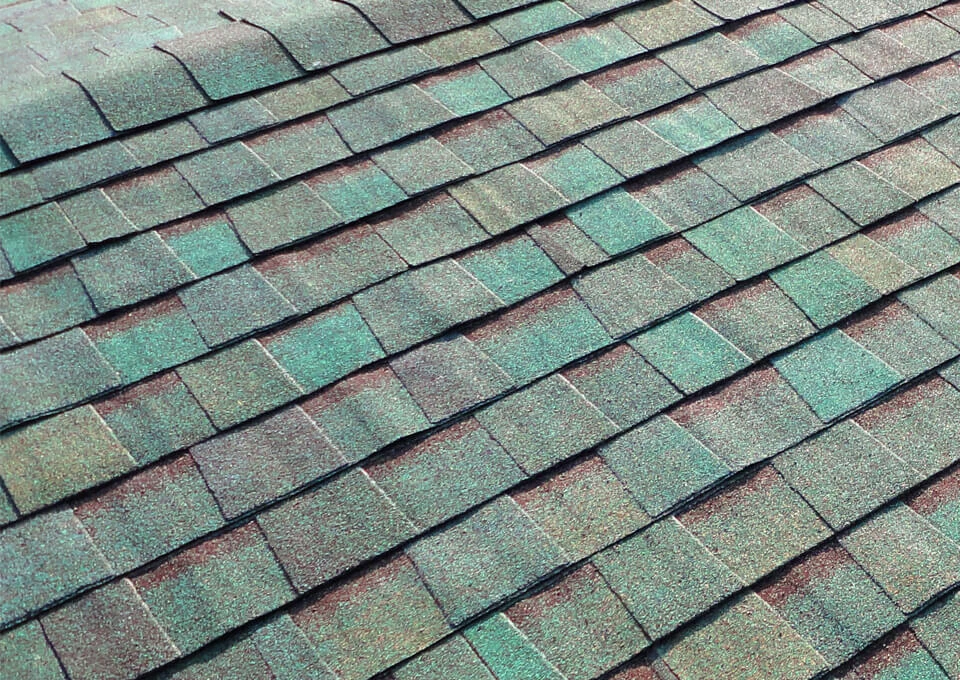
A finished Jones Bridge Road re-roof — the kind of project that becomes pre-storm content for the next season.
The Johns Creek storm market is won three weeks before the storm.
You’ve probably noticed your post-storm phone explodes for about 72 hours. Then it goes quiet, and the work goes to whoever the homeowner already trusted. The reactive roofers — the ones who launched ads the morning after — book a fraction of what they think they should, and they pay 3x the CPC to do it.
Most Johns Creek roofers think the storm is the marketing moment. It’s not. The storm is the conversion moment. The marketing moment was three weeks earlier when the homeowner saw your name on a Nextdoor post about hail prep, or noticed your truck parked at the neighbor’s house, or watched a 45-second Reel of a Country Club of the South re-roof on Instagram. That earlier impression is what your competitor’s storm-day ad cannot overcome.
The homeowner doesn’t pick a roofer at the moment of damage. They pick the roofer they already knew. Storm response is the closing call. Pre-season is when you earn the right to be in the closing call at all.
The Johns Creek roofer who shows up three weeks before the storm has already won most of the post-storm work. The one launching ads the day after is competing for table scraps.— What 60+ post-storm roofing conversations have taught us
This is why a serious lead generation system for Johns Creek roofers isn’t a year-round flat campaign — it’s two concentrated pre-season pushes plus a baseline of trust-building content the rest of the year.
The Johns Creek roofer storm calendar.
Two pre-storm pushes per year, anchored three weeks before each peak window. Baseline content year-round. Reactive spend during the storm itself. Built around the brain of a homeowner who picks a roofer before they need one.
What to do — and not do — across the Johns Creek storm year.
The pre-storm window is the entire game. Everything else is supporting infrastructure.
Pre-season push. The 3-week window.
This is the highest-leverage marketing in your year. Roughly 40% of total annual spend hits these two three-week windows combined. Google Ads on storm-prep terms — “hail damage Johns Creek,” “free roof inspection Johns Creek,” “roof age Johns Creek.” Meta Reels showing storm-damage walkthroughs from previous seasons. Nextdoor and Facebook community posts on hail prep. Visible everywhere a Johns Creek homeowner could think “I should check my roof” before the storm. This is the only window where every impression compounds into post-storm bookings two to four weeks later.
Convert. Don’t acquire.
During the actual storm windows, the work is conversion, not acquisition. Storm-response videos within 18 hours of the event. Damage assessment offers to your pre-season audience. The cold ads pulled back — those CPCs are crazy.
Document. Build the asset library.
Active job sites become content shoots. Pre-storm and post-storm walkthroughs. Crew-on-roof footage. This is the content that funds next season’s pre-storm push.
Trust-build baseline. Don’t go dark.
The off-season trap. Most Johns Creek roofers turn marketing off completely from November to February. Don’t do that. Run a small baseline of educational content — “what to check before storm season,” “insurance claim basics for Johns Creek homeowners,” winter roof maintenance. CPCs are at their annual low. Brand impressions compound. By the time March arrives and your pre-season push fires, you’ve already been in the homeowner’s feed for four months. Real talk: this is the layer most roofers skip and it’s the layer that makes the pre-season push 2x more effective when it hits. Same year. Same total budget. Compounding instead of resetting.

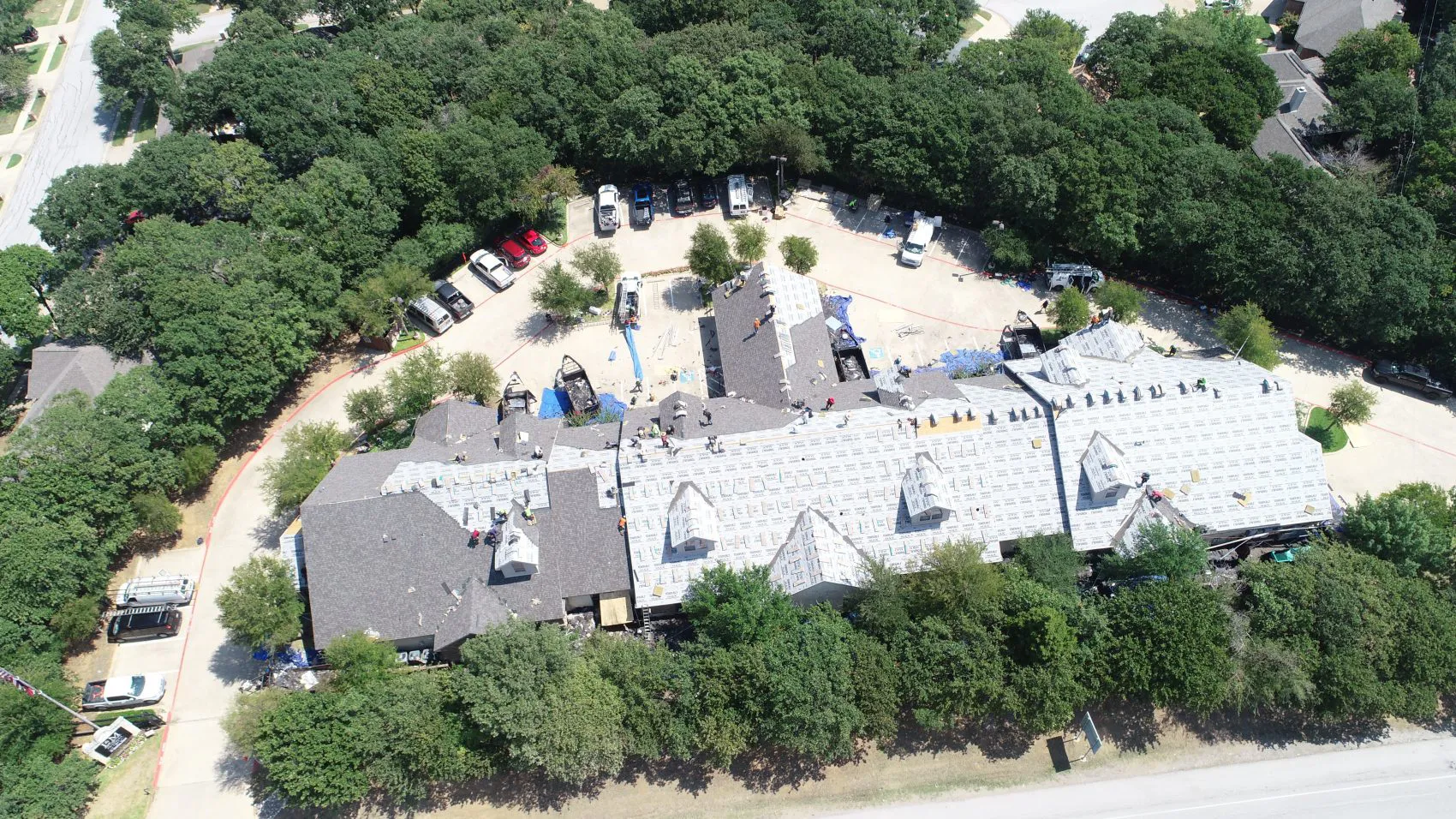
Crew-on-roof footage from a June reroof — the content that runs in the late-March pre-season push.
How we run a Johns Creek roofer’s storm calendar.
Pull the storm history
We map ten years of historical weather data for the Johns Creek and broader North Fulton corridor — every hail event, every wind event, the actual dates. The two peak windows fall into clear patterns. We anchor the marketing calendar three weeks before each.
Build the pre-storm engine
Two pre-storm campaigns built and scheduled in advance, Nextdoor community presence, neighborhood pages for the Findley Road and Jones Bridge corridors, a storm-response video template ready to shoot the moment damage hits, and a trust-build content schedule for the off-season baseline.
Execute and compound
Year one, your post-storm booking rate typically jumps from 12% of contacted homeowners to 28–34%, because more of them now recognize your name. Year two, that compounds — the previous season’s pre-storm content is still indexed, your Nextdoor presence has 18 months of equity, and the next storm hits a homeowner base that already knows you.
The Jones Bridge roofer who stopped being reactive.
A 9-year roofing contractor working the Jones Bridge Road and Findley Road corridors was running flat ad spend year-round and slamming the gas pedal whenever a storm hit. He booked 31 roof replacements in his typical storm year at an average ticket of $13,400. We restructured into two pre-season pushes anchored three weeks before each storm window, added a Nextdoor presence in 8 Johns Creek communities, and produced a storm-response video that went live within 14 hours of an April hail event. That season he booked 58 replacements at an average ticket of $19,800 — same total ad spend, with the difference coming almost entirely from homeowners who said “I’d already seen your name before the storm” on intake calls.
Share of bookings, by when the homeowner first heard of the contractor.
The 3-week pre-storm window is where booking decisions are actually pre-loaded. Post-storm ads are fighting for the small “After” sliver.
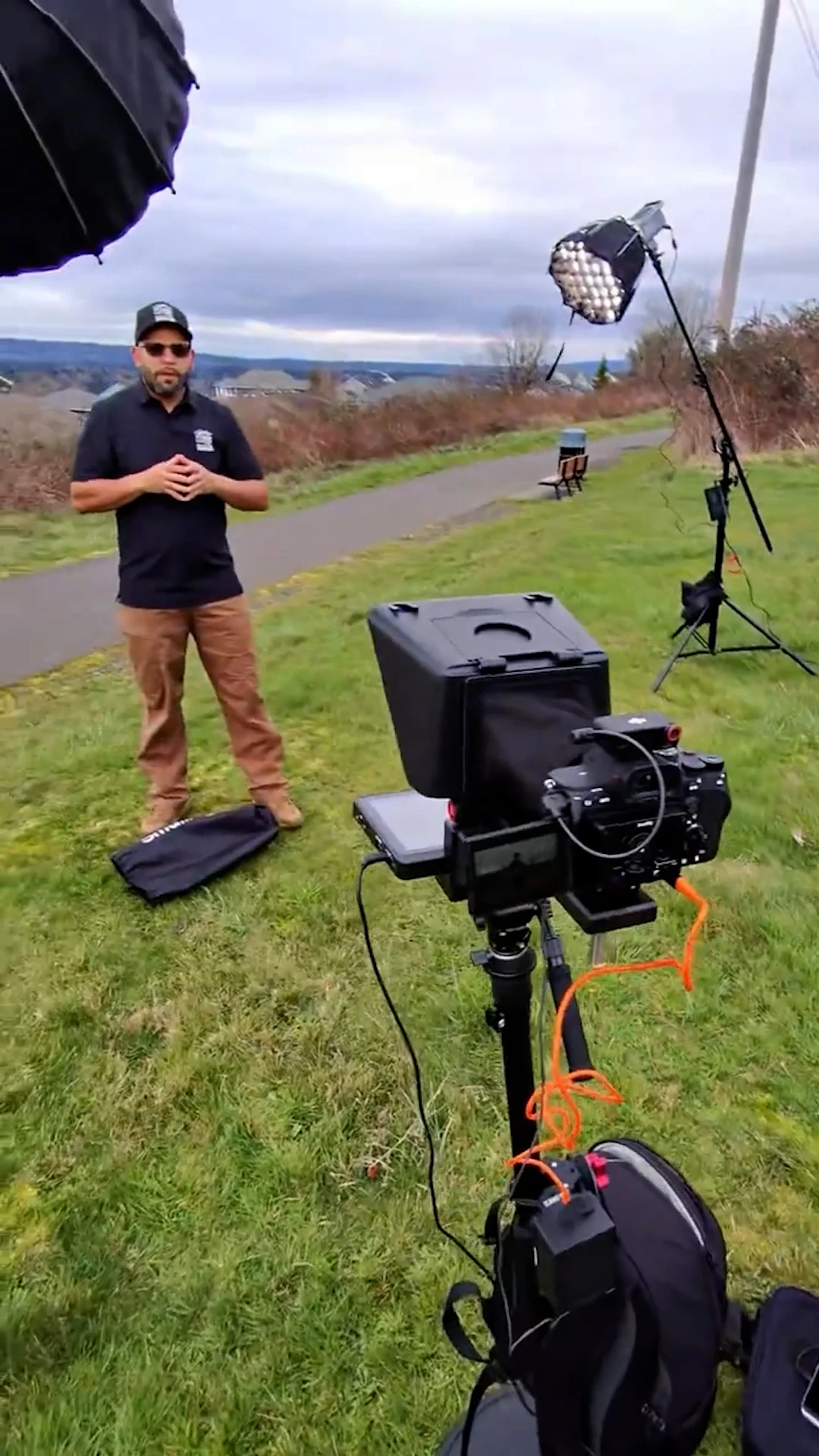
Behind the scenes — every active reroof is content. The June shoot funds the August 1 pre-season push.
Six questions every Johns Creek roofer should answer before March.
Pull last year’s storm-window booking data and walk through these. The answers tell you exactly where the calendar is broken.
“On intake, how many post-storm callers said they’d seen us before?”
If it’s under 40%, your pre-season presence is missing. The fix is the three-week window, not a bigger storm-day ad budget.
“What was our storm-day CPC last April?”
If you don’t know the answer, you can’t see how badly the reactive model is overpaying for traffic that was already gone.
“Do we have a storm-response video template ready to shoot in under 18 hours?”
If you have to think about it after the storm hits, you’ve already missed the conversion window.
“Are we visible on Nextdoor in the Johns Creek neighborhoods we serve?”
Nextdoor is the single highest-trust channel in suburban Johns Creek for roofing. If you’re not in those communities, you’re not in the consideration set.
“What’s our November–February spend look like?”
If it’s zero, you’re rebuilding awareness from scratch every March. Keep a baseline running. CPCs are at their annual low.
“Do we have neighborhood pages for Findley Road, Jones Bridge, and McGinnis Ferry?”
The post-storm Google searches are neighborhood-specific. No page, no rank, no visibility.
A free inspection appointment booked through pre-season content — typical Johns Creek storm-prep funnel entry point.
What Johns Creek roofers ask about the storm calendar.
No. Pre-season spend builds general roof-awareness, which still produces baseline replacement and repair work even in a quiet season. And the brand impressions don’t expire — they compound into the next storm window. A “wasted” pre-season is still cheaper than a reactive bidding war on the storm-week CPCs.
You don’t, exactly. But ten years of North Fulton weather data shows the windows cluster tightly: April 15–May 31 and August 1–September 15. There are outliers, but those two windows catch about 84% of insurance-event hail in the Johns Creek corridor. Anchor your pre-season three weeks before each, run a baseline year-round, and you’re covered for everything except a freak December event.
Yes — but targeted ads. You shift the spend to retargeting your pre-season audience (homeowners who saw your content in the three weeks prior) and to your existing email list. You don’t bid on cold storm-day search terms — the CPCs are insane and most of those clicks are price-shoppers who’ll go with whoever quotes lowest.
No. One roofing contractor per city, full stop. The whole reason the calendar works is owning the pre-season window in your geo — and that requires exclusivity. We won’t run pre-season campaigns for two competing roofers in the same Johns Creek corridor.
The trust-build baseline content from November–February drives most of your non-storm work. It produces the steady drip of repair calls, age-out replacements, and gutter jobs through the off-season. The pre-season push is specifically for owning insurance-event work — but the baseline is what makes the rest of your year stable.
Imagine the next storm hitting Johns Creek with your name already in the homeowner’s head.
We’ll do a free 30-minute calendar audit — review your last 18 months of post-storm intake data, map your visibility against the actual storm windows, and tell you exactly where the pre-season push should hit. We do this for roofers across the North Atlanta corridor a couple times a month.
Ready to turn searches into booked jobs?
Viral Spark is a roofing marketing agency built for North Atlanta contractors. We pair contractor website design with contractor SEO so the right customers find you first — no lead-buying. Get a free game plan →