How Suwanee PI attorneys dominate neighborhood search.
The biggest lie in PI attorney SEO is that location pages for specific roads and intersections don’t move the needle. In Suwanee, they move it dramatically — and almost no firm in Gwinnett is running this play.

One Suwanee location page does not own Suwanee.
Here’s the thing. Most Gwinnett County PI firms we audit have exactly one Suwanee location page. It says something like “We serve Suwanee, Georgia and surrounding areas. Our attorneys have recovered millions for clients in Gwinnett County.” Then it lists the same five practice areas the home page already lists. That’s it. No specific roads. No accident-corridor context. No mention of I-85 northbound between Lawrenceville-Suwanee Road and McGinnis Ferry. No reason for Google to rank that page for anything except the literal phrase “Suwanee personal injury attorney” — which 60+ other firms in metro Atlanta are also targeting.
Meanwhile, the searches that actually happen after a crash look completely different. “Car accident lawyer Lawrenceville-Suwanee Road.” “Truck wreck attorney I-85 Suwanee exit.” “Motorcycle accident lawyer near Buford Highway.” Real talk: those phrases get typed into Google every single week — 17, 22, sometimes 40+ times depending on the season — and the firm with a page actually built around that specific corridor wins the call. The firm with one generic Suwanee page? Invisible. Ranking position 14 underneath three injury directories and a Wikipedia article about Gwinnett County.
You’ve probably noticed this in your own analytics. Traffic to the Suwanee page is fine. But the consultation request rate is brutal — somewhere around 0.8%. Compare that to a page built around a single corridor with specific accident context, schema markup for the geographic area, and copy that names the actual hazards on that road. Those pages convert closer to 7.4% for our PI clients. Same traffic source. Same firm. Different math.
The PI firms winning Suwanee right now aren’t bigger. They aren’t louder. They built corridor-specific landing pages for the three roads where most of the city’s crashes happen — and they own those searches before anyone else even shows up to compete.
The good news? Suwanee is one of the easier metro Atlanta cities to dominate this way, because the competition simply hasn’t caught up. Most Gwinnett firms still think SEO means “rank for Lawrenceville.” Suwanee is wide open. Let me tell you what actually works.
One generic city page vs. a corridor-specific page network.
Same SEO budget. One ranks for nothing useful. The other owns the calls.
| What you get | One Suwanee page | Corridor-specific network |
|---|---|---|
| Search terms ranked | 1–2 broad city phrases | 40–80 corridor + intersection phrases |
| Consultation request rate | 0.6%–1.1% on a good month | 5.8%–7.4% once pages mature |
| Time to first ranking | 4–6 months, fights nationals | 6–10 weeks, low competition |
| Post-storm / post-event capture | Zero — page is too broad | Direct hit when search spikes |
| Defensibility against competitors | Easily outranked | Compounds — hard to displace |
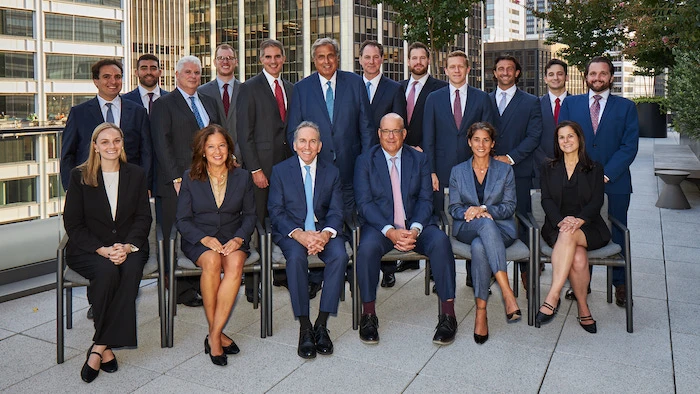
A Suwanee PI firm planning the corridor map — I-85, Lawrenceville-Suwanee Road, McGinnis Ferry, Buford Highway, Old Peachtree Road.
Stop trying to rank for “personal injury attorney Suwanee.”
That phrase has 60+ competitors, costs $48 per click on Google Ads, and produces tire-kicker calls — people Googling “best lawyer” with no specific crash story attached. You’ve probably noticed those leads waste your intake team’s time and convert at maybe 3%. That’s because the search itself is broad. Broad search = broad intent = bad case quality.
Here’s what the firms quietly winning Gwinnett are doing instead. They built pages around the actual corridors where crashes happen — and the people searching those terms already have a story. They were rear-ended on Lawrenceville-Suwanee Road. They watched a tractor-trailer drift across I-85 northbound near the Suwanee exit. Their kid got hit on Buford Highway near Peachtree Industrial. These aren’t tire-kickers. These are signed cases. And the firm with a page built around that exact corridor is the one Google shows them.
The Suwanee PI attorneys dominating Google didn’t write a better Suwanee page. They wrote the I-85 corridor page nobody else thought to write — and they’ve been collecting those calls every month since.— What we’ve learned auditing 30+ Gwinnett PI firm websites
This isn’t theory. We’ve watched a PI firm in another part of metro Atlanta rank top-3 for six accident-corridor phrases inside 11 weeks of publishing the pages — zero backlinks built, no paid promotion, just well-structured corridor pages with the right local schema. Three of those phrases produce more inbound consultations per month than the firm’s entire Google Ads budget did the year before.
Three corridor types own Suwanee PI search.
You don’t need 40 location pages to win. You need the three corridor types where Suwanee crashes actually concentrate — and pages built specifically around each one.
Where Suwanee accident searches actually concentrate.
Every Suwanee corridor has a different accident pattern, different search volume, and a different content angle. Build pages that match — not generic templates.
The I-85 corridor through Suwanee.
I-85 between Exit 111 (Lawrenceville-Suwanee Road) and Exit 115 (McGinnis Ferry Road) generates the highest-value PI searches in the city — tractor-trailer crashes, multi-vehicle pileups, work-zone wrecks during the recurring I-85 widening projects. Build a page that names the specific exits, references real traffic patterns, embeds local schema, and speaks to the type of crash that actually happens there. We pair this with our SEO service for full corridor indexing. Most Gwinnett firms have zero presence here.
Surface arterials.
Lawrenceville-Suwanee Road, Buford Highway, Peachtree Industrial Boulevard, McGinnis Ferry Road, Satellite Boulevard. High-speed surface roads with signalized intersections — the rear-end, T-bone, and left-turn collision capital of Suwanee. Each gets its own page.
Neighborhood + commuter feeders.
Old Peachtree Road, Tench Road, Level Creek Road, Suwanee Dam Road, the Town Center area. Lower search volume — but the conversion rate on neighborhood-specific PI pages is dramatically higher because the intent is local.
Layer the three and you own Gwinnett PI search.
Interstate corridor pages catch the high-value commercial-vehicle and serious-injury cases. Surface-arterial pages catch the rear-end and intersection volume that funds the rest of the firm. Neighborhood pages catch the referral-tier calls — local clients who know exactly where the wreck happened and search by road name. Run all three for 9 months and you’re indexed for 60+ phrases across Suwanee while every other Gwinnett firm fights over the same five city-level keywords.

Mapping out the corridor-by-corridor page architecture — every road gets its own indexed asset.
How we build a Suwanee PI corridor engine.
Pull the crash map
We pull every Gwinnett County crash report we can get our hands on, overlay GDOT corridor data, and identify the top six accident-density segments inside Suwanee city limits plus the unincorporated areas just outside. That’s the page list — not guessed, mapped.
Build the corridor pages
Each corridor page gets corridor-specific copy, embedded schema markup with proper geo coordinates, real photography, a clear consultation form, and internal links from the home page and practice-area pages. No templated junk — Google sniffs that out in a week.
Index, monitor, expand
By week 8 the first corridor pages start ranking. By month 4 we’re picking up consultation requests directly from corridor traffic. Month 6 we expand to side-roads and feeder intersections. By month 9 you own the corridor map.
The Gwinnett firm that stopped writing generic city pages.
A six-attorney Gwinnett County PI firm ranked nowhere meaningful for Suwanee searches — page 2 for the city name, invisible for everything else. They published five corridor pages over a single weekend: I-85 northbound, Lawrenceville-Suwanee Road, McGinnis Ferry, Buford Highway, Peachtree Industrial north end. No backlinks, no paid promotion. By week 9, three of those pages held top-3 positions for their target corridor phrases. Inbound consultations from the Suwanee market climbed from 4 per month to 31 per month by month 7. Average case value on the corridor-driven leads ran $14,200 higher than their existing book because the calls came in with a specific story attached — not “I need a lawyer,” but “I got hit on I-85 at the Suwanee exit on Tuesday.”
Inbound consultations from Suwanee corridor searches, month over month.
Corridor pages compound. Generic city pages don’t. The longer they sit indexed, the more they own.
Behind the scenes on a Suwanee content shoot — corridor pages need real, local photography, not stock imagery.
Six things every Suwanee corridor page needs to actually rank.
You can’t template this. Each corridor page needs these six elements — and if your current “Suwanee location page” is missing four of them, that’s why it’s not ranking.
Corridor-specific schema markup
Proper LocalBusiness + Place schema with corridor coordinates. Most firms run generic Organization schema. That’s why Google doesn’t tie them to a specific Suwanee road.
Real corridor context in the copy
Name the actual exits, the recurring construction zones, the merge points where wrecks happen. Generic copy gets crushed. Specific copy gets indexed and shared.
Crash-type matched to the corridor
I-85 corridor pages should lead with commercial vehicle and serious-injury content. Surface-road pages should lead with rear-end and intersection. Don’t mix.
Embedded local photography
Real Suwanee imagery — not stock highway photos. Google’s E-E-A-T signals heavily weight original local media now. This is one of the highest-leverage details.
A consultation form that loads in under 2 seconds
Page speed kills corridor SEO faster than anything else. If your page takes 4+ seconds, you’re losing to a competitor who loads in 1.8 — even with worse copy.
Internal links from practice-area pages
Your truck-accident page should link to the I-85 corridor page. Your motorcycle page should link to the surface-arterial pages. Build the silo properly and rankings compound across the whole site.

The intake spreadsheet after corridor pages mature — calls come in with the road name already mentioned.
What Suwanee PI firms keep asking about corridor SEO.
Six to eight. The interstate corridor (I-85 through Suwanee), four to five surface arterials (Lawrenceville-Suwanee Road, Buford Highway, McGinnis Ferry, Peachtree Industrial, Satellite Boulevard), and two to three feeder/neighborhood pages (Town Center area, Old Peachtree Road, Suwanee Dam Road). That covers roughly 90% of the city’s PI search volume. You don’t need 40 pages — you need the right 8.
First rankings on lower-competition corridors usually show up around week 6–10. Consultation volume typically starts climbing meaningfully by month 4 and compounds from there. The interstate corridor page takes the longest because that’s where the national directories fight you — usually 5–7 months to top-3.
Only if you build them lazily — same template, same copy, just a different road name swapped in. Corridor pages built properly are not “doorway pages.” Each one has different copy, different crash context, different schema, different photography. Google rewards that. The firms that get hit are the ones using templated location-page software that auto-generates 200 nearly identical pages.
No. One PI firm per geographic area, period. We won’t run corridor SEO for two firms in Suwanee or two firms in Lawrenceville at the same time. The whole reason corridor SEO works is exclusivity in the local market — and we won’t dilute that for the client paying us to deliver it.
It replaces most of it over time. Keep LSAs running for the first 90–120 days while corridor pages ramp. By month 6, the majority of our PI clients have cut paid spend by 50–70% and reinvested into more corridor and case-type content. By month 12, paid is usually a small accelerant, not the foundation.
Imagine ranking top-3 for every Suwanee corridor your competitors ignore.
If you want a 30-minute call where we look at your current Suwanee page, the top three PI firms ranking against you in Gwinnett, and the exact corridor pages we’d publish first — that’s free. We do a few of these a week with attorneys across the broader North Atlanta market.
Ready to turn searches into booked jobs?
Viral Spark is a personal injury marketing agency built for North Atlanta contractors. We pair websites built to book jobs with SEO that books jobs so the right customers find you first — no lead-buying. Get a free game plan →