How Roswell roofers win neighborhood search after every storm.
After a hail event hit the Roswell–Alpharetta corridor last spring, homeowners in Horseshoe Bend were searching “roof repair Horseshoe Bend Roswell” within hours. The roofer with a neighborhood landing page got 28 calls that week. The one without got 2.
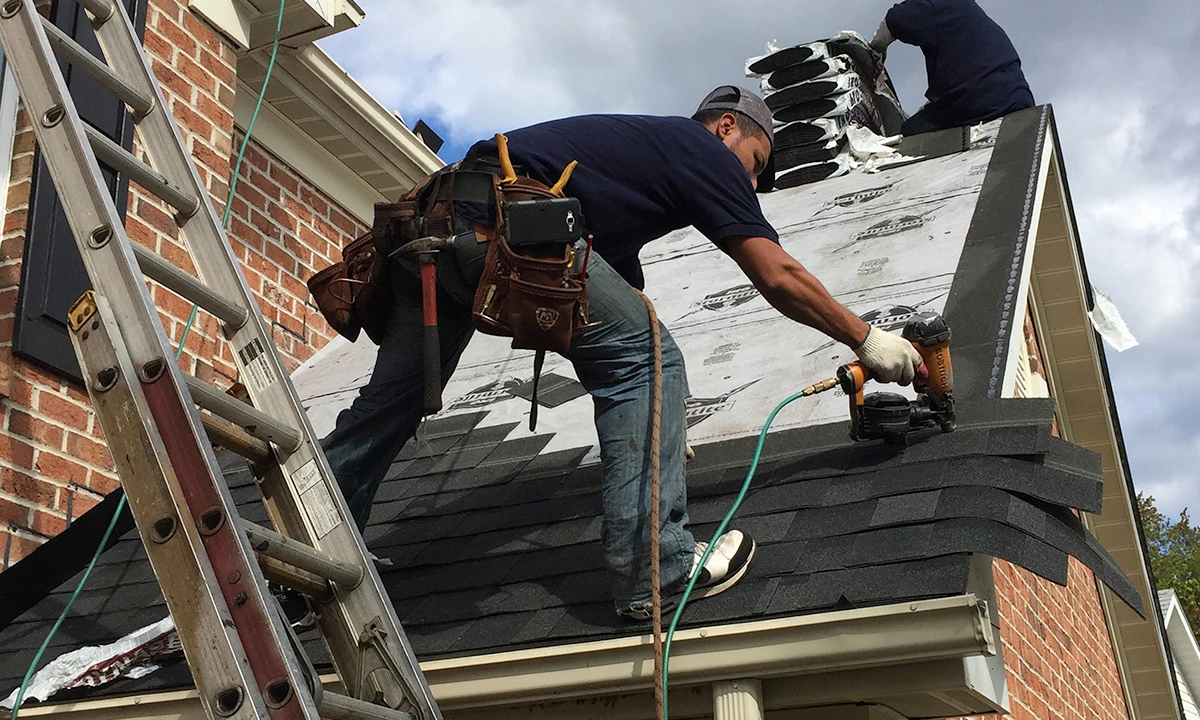
The storm hits at noon. The homeowner searches by 12:52. Where are you?
Here’s the thing. Storm-damage searches in North Fulton don’t behave like normal contractor searches. When a hailstorm tracks through the GA-400 corridor, queries for “roof repair Horseshoe Bend” or “storm damage roofer Willow Springs” spike inside an hour. Homeowners are standing in their driveways looking at the damage with their phones already in hand.
Real talk: that 52-minute window is the entire fight. The roofer with a neighborhood landing page already published wins. The roofer without one is invisible. By the time the second roofer thinks about boosting an ad, the first one has already booked 14 inspections. You can’t ramp into that window. You have to be built into it.
You’ve probably noticed something else. Storm damage runs in neighborhood clusters because storms hit neighborhoods, not cities. Hail damage in Horseshoe Bend doesn’t mean hail damage in Sentinel on the River three miles away. The homeowners who got hit search by their subdivision name — because that’s how they think about their own neighborhood, and because they want a roofer who already knows the area, not a generic Roswell call center.
Storm-season search behavior in Roswell is the single most predictable, highest-value, highest-intent traffic any roofer in this market will ever see. And almost none of your competitors have built for it. The first roofer in a subdivision to publish a real landing page typically owns it for 3+ storm seasons before anyone else catches up.
Let me tell you what actually works — and why this is the highest-leverage 90 days a Roswell roofer can spend before next storm season.
One Roswell page vs. a subdivision content footprint.
Storm season tests both. Only one passes.
| What you get | Generic Roswell roofing page | Subdivision landing pages |
|---|---|---|
| Storm-day search match | Weak — competes against 20+ roofers | Strong — usually 0–1 competing pages |
| Click-through rate (storm queries) | 2.1% | 16.6% for subdivision-named results |
| Inbound calls in first 48 hrs of hail | 2–4 calls | 22–34 calls |
| Avg. job value | $6,800 | $7,400 (subdivision referrals push it up) |
| Defensibility over 3 seasons | Erodes as ads compete | Compounds — first mover holds rank |
The roofer who owns “Horseshoe Bend roof repair” doesn’t run storm-chasing ads. He answers the phone for 90 days straight while other roofers wonder why their Meta campaigns aren’t producing.— Pattern from 3 North Fulton storm seasons running
Storm queries are subdivision queries. Plan accordingly.
A Roswell homeowner standing in hailstones doesn’t search “roofer near me.” She searches her neighborhood name. The roofer whose page matches gets the call before competitors even know the storm hit.
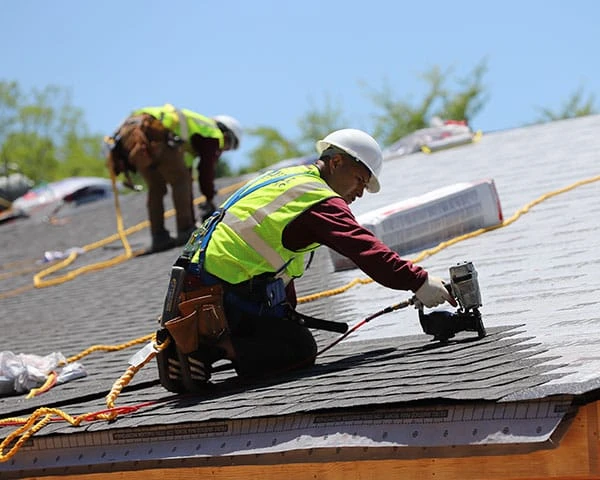
A Horseshoe Bend full replacement — every job like this becomes the proof on the corresponding subdivision landing page.
Four moves to lock in Roswell subdivision rank before next storm.
None of these are theoretical. They’re what we run for roofers who want to be the default answer when hail hits a specific North Fulton neighborhood.
Publish a full landing page for every Roswell subdivision you cover.
Not a city page with neighborhoods listed in the footer. One real page per subdivision — Horseshoe Bend, Willow Springs, Martin’s Landing, Nesbit Lakes, Sentinel on the River, Litchfield, the GA-400 corridor, Holcomb Bridge Road area. 700–1,000 words per page. 6–10 storm-job photos. Named in URL, title, H1, and meta. This is the foundation of effective contractor SEO for storm-driven businesses.
Tune your GBP service area to specific Roswell subdivisions.
Stop listing “30-mile radius.” List the actual neighborhoods. Tight signal beats wide signal every time on storm-day queries.
Earn subdivision-named reviews after every job.
“If you’d mention Horseshoe Bend in your review, it helps your neighbors find us.” Subdivision-named reviews carry massive ranking weight on neighborhood storm searches.
Pre-build storm-response landing pages for each subdivision.
Templated, neighborhood-specific pages with: typical storm-damage patterns in that area, the insurance process for that subdivision’s most common providers, photos of past storm work, and a 24-hour inspection promise. You publish them in February. They sit indexed for 3 months. When hail hits in May, those are the pages Google serves in 52 minutes. No other Roswell roofer has done this work — which is the entire reason it works in the roofing category.
How we prep a Roswell roofer for storm season.
Map the Roswell subdivision storm history
We pull 5 years of hail and wind events through the GA-400 corridor. Identify the subdivisions that got hit hardest. Cross-reference with where you’ve already worked. Build a priority list of 10–14 neighborhood landing pages, weighted by likely hit frequency.
Pre-build the content before season
Subdivision landing pages. Storm-response variants. GBP service-area tightening. Job photo library tagged by neighborhood. Insurance-process content. All published 60–90 days before storm season. Sits indexed and ready.
Capture the storm-day spike
Hail hits Roswell. Within 52 minutes, the search spike for “roof repair [subdivision]” starts. Your pages are already top-3. Inbound calls go from 4 a week to 28 in the first 48 hours. Competitors who didn’t pre-build are still trying to spin up ads while you’re booking inspections.
The Horseshoe Bend page that produced 28 calls in a week.
A North Fulton roofer published a “Storm Damage Roofing in Horseshoe Bend, Roswell” page in early February — 920 words, 9 photos from past Horseshoe Bend jobs, an insurance-process FAQ specific to the subdivision, and a 24-hour inspection promise. It indexed in 6 days and held position 2 by mid-March. When hail tracked through the GA-400 corridor on a Tuesday afternoon in late April, the page took 28 inbound calls in 7 days. The next-closest competitor — who’d been ranking #1 with a generic “Roswell roofer” page — got 2 calls. Same storm. Same neighborhood. The only difference was 920 words of subdivision content sitting indexed for 70 days.
Inbound storm calls — neighborhood SEO vs. generic page.
Capture happens in hours, not weeks. If the page isn’t already indexed when the storm hits, you’ve already lost.
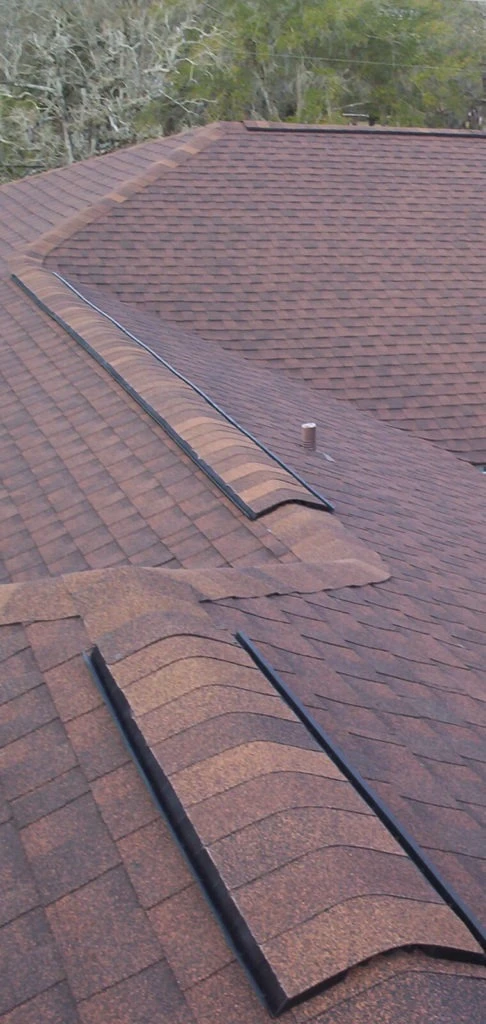
A Willow Springs job in progress — the kind of mid-build photo that fuels a subdivision landing page Google rewards.
Six moves to finish before next storm season.
If you do nothing else, do these six. They cover most of the gap between getting buried during storms and being the first call.
List the 8 Roswell subdivisions you serve.
Horseshoe Bend, Willow Springs, Martin’s Landing, Sentinel on the River, Nesbit Lakes, Litchfield, the GA-400 corridor, the Holcomb Bridge Road area.
Build a landing page for each.
700+ words. 6+ photos from real jobs. Insurance-process FAQ. 24-hour inspection promise. Named in URL, title, H1.
Tighten your GBP service area.
List specific Roswell subdivisions, not a 30-mile radius. Precision wins on storm-day queries.
Post weekly GBP updates with subdivision names.
“Finished a roof in Horseshoe Bend.” Photo + 70 words. Once a week. Compounds storm-season rank fast.
Coach homeowners to name the subdivision in reviews.
“Mentioning Willow Springs really helps your neighbors find us after the next storm.” Specific, direct, works.
Publish 90 days before storm season.
February for spring hail. August for winter wind. Pages need 6–10 weeks indexed before the spike to rank in 52 minutes.
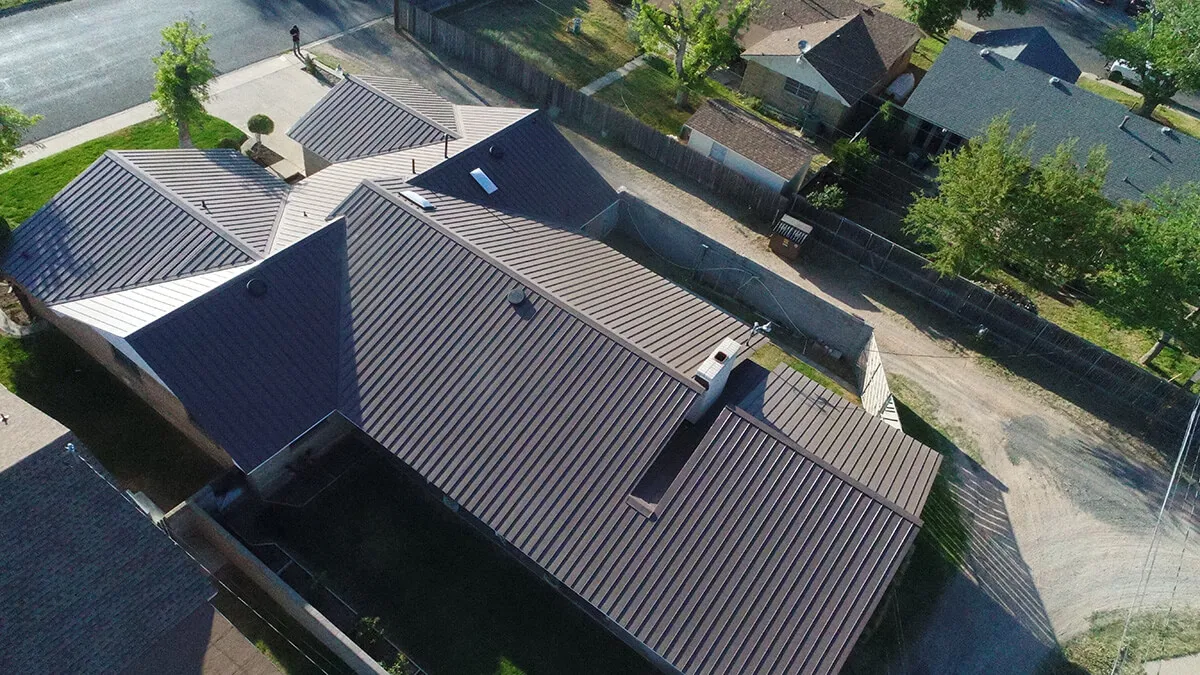
A completed Sentinel on the River project — sits on the matching subdivision landing page within 24 hours of handover.
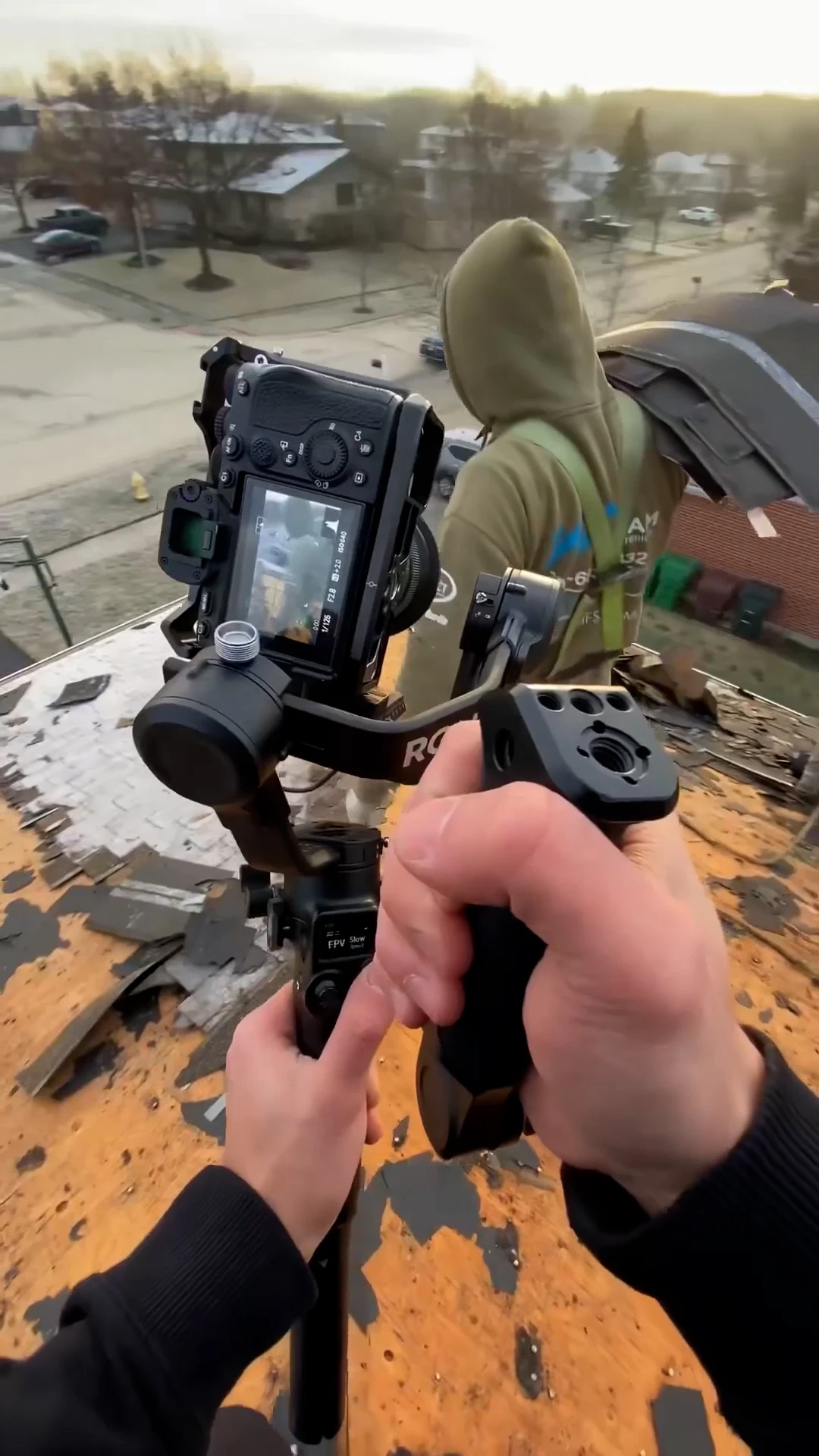
Every Roswell roofing shoot becomes 8–10 indexed assets — most tagged by subdivision for storm-season leverage.
What Roswell roofers keep asking us about neighborhood SEO.
60–90 days, minimum. Google takes about 4–6 weeks to fully index and assign trust to a brand-new landing page. If you publish in January, you’ll rank for the April hail spike. If you publish in March hoping to catch April, you’ll still be in the indexing window when the storm hits — useless.
Yes, but only as the second layer. Organic neighborhood pages win the bulk of the calls because hailstone-in-hand searchers heavily favor organic over ads on local queries. LSAs help fill the gap. Pure paid-only strategies during storm season produce maybe 25% of what a pre-built organic footprint produces — at 3–5x the cost.
They’re a problem if your local SEO is weak. If your subdivision pages are properly built and your GBP is tuned, you outrank every out-of-state storm chaser on every Roswell neighborhood query — they’re running generic templated content while you have real local proof. The hardest part is getting the local roofer to do the work before the chasers arrive.
No. One roofer per city per geo, full stop. Two roofers in the same subdivision SEO race would cancel each other out — pointless work, dishonest pitch. The exclusivity is the whole reason we can guarantee subdivision-level rank for the one roofer we work with.
A real Roswell neighborhood SEO program with 8–14 subdivision pages, ongoing GBP work, monthly content, and review coaching runs $2,800–$4,400 per month. Most Roswell roofers we work with recover that in a single storm-season job from a subdivision page within the first 90 days of season. The math is not subtle.
Own Roswell storm-day search before next hail event hits.
If you want a 30-minute call where we audit your current Roswell footprint, pull the top three roofer competitors, and tell you which subdivisions are still wide open before next storm season — that’s free. We do a few of these a week with contractors across North Atlanta.
Ready to turn searches into booked jobs?
Viral Spark is a roofing marketing agency built for North Atlanta contractors. We pair high-converting contractor websites with local SEO that ranks so the right customers find you first — no lead-buying. Get a free game plan →