Two Duluth roofers. Same storm. 38 calls vs. 4.
Same hailstorm hit both their neighborhoods. One got 38 calls from his website in 72 hours. The other got 4. Same trucks. Same crews. Same Google Ads spend. The only difference was the website.
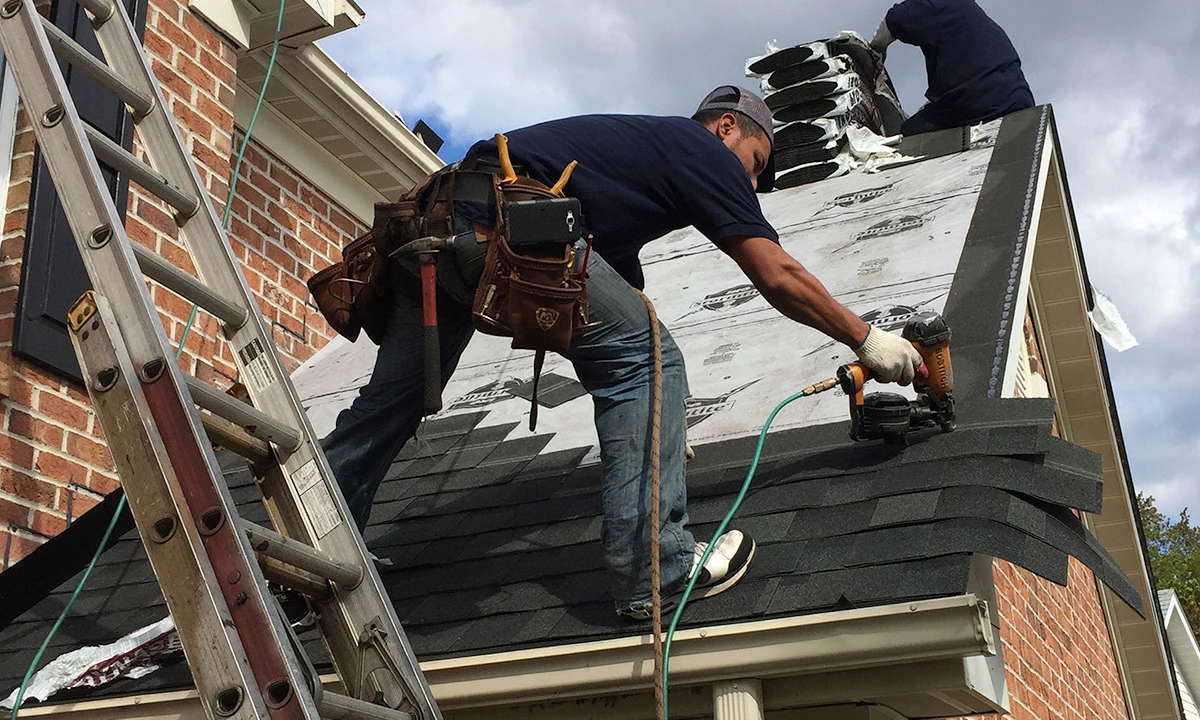
Storm windows are short. Slow websites guarantee you miss them.
Here’s the thing. A Duluth hailstorm came through last June. Hit the same three ZIP codes both of these roofers serve. Within 72 hours, almost every homeowner with visible roof damage had Googled “roofer near me” and called the first three contractors who answered. By hour 96, the work was largely spoken for.
Roofer A had a site built in 2018 and never touched again. Loads in 9.1 seconds on a mobile LTE connection. No click-to-call button anywhere above the fold. Phone number lives in the footer, three swipes down. Contact form lives on a separate “Contact Us” page that requires two taps from the homepage. In the 72-hour storm window, his site converted 4 inbound calls — out of an estimated 290 visits.
Roofer B’s site loads in 1.8 seconds. Sticky click-to-call bar pinned to the bottom of every mobile page. Phone number visible above the fold. “Free Storm Inspection” button at the top of the homepage. Storm-specific landing page that ranks for “hail damage roof Duluth.” In the same 72-hour window, 38 calls. From roughly the same traffic. Real talk: Roofer A’s monthly revenue from June was $19,200. Roofer B’s was $147,800. Same neighborhoods.
Duluth’s storm window is brutally short. Homeowners call the first three roofers they can reach in the first 48 hours. A website that loads slowly or hides the phone number guarantees a contractor loses every one of those jobs before competitors even pick up the phone. The site is your first responder.
The good news? Both of these websites cost the same to fix. The 9.1-second load is image weight and bloat — a 2-week patch project. The click-to-call bar is a Sunday afternoon. Storm landing pages take 4–6 hours each. By the next hailstorm, Roofer A could be Roofer B.
Storm-ready vs. storm-blind
Same hail event. Same neighborhoods. Completely different revenue.
| What’s on the site | Storm-blind roofer | Storm-ready roofer |
|---|---|---|
| Mobile load time | 9.1 seconds | 1.8 seconds |
| Click-to-call above fold | None — buried in footer | Sticky bar, every mobile page |
| Storm / hail damage landing page | None | Ranks for “hail damage Duluth” |
| Insurance claim guidance | Not mentioned | Step-by-step page, FAQ included |
| 72-hour call volume | 4 inbound calls | 38 inbound calls |
Storm windows don’t reward the best roofer in Duluth. They reward the one whose website doesn’t choke when 290 mobile visitors hit it in 72 hours.— Post-storm performance analysis, 6 Duluth roofing websites
Your website is your dispatcher when the storm hits.
If it can’t answer the door in 2 seconds and hand the homeowner your phone number, the job is gone before your office phone even rings.
Where Duluth roofer websites lose the post-storm 72 hours.
Every one of these is fixable inside a 21-day sprint. Most Duluth roofers we patch see the next storm convert at 4x–8x the pre-fix rate.
9-second mobile load time.
Storm windows are mobile. Every Duluth homeowner with hail damage is searching from her driveway, her phone, on cellular. 70% of mobile users leave any page that takes more than 3 seconds to render. 9 seconds is a guarantee of zero conversions. Image compression to WebP, lazy-loading, CDN delivery, and stripping a 1.4MB hero video down to a poster image typically drops a Duluth roofer site from 9s to under 2s in 9–14 hours of focused dev work. The revenue impact on a single storm event is in the $24,000–$48,000 range. We walk through this entire patch on our web design service page.
No click-to-call above the fold.
Phone number in the footer = phone never rings. Sticky tap-to-call bar pinned to every mobile page. The single highest-leverage afternoon you’ll ever spend on your site.
No storm / hail-damage landing page.
“Hail damage roof Duluth” is the keyword that explodes after every storm. Roofers without a dedicated page for it cede the entire surge to whoever has one.
No insurance claim guidance page.
Every Duluth homeowner with storm damage has the exact same question: “How does insurance work here?” The roofer who answers that question on his site — step-by-step page, FAQ, photos of completed insurance jobs — gets the call. The one who doesn’t gets compared on price against the other six. This isn’t marketing fluff. It’s the trust signal that decides who gets the contract.
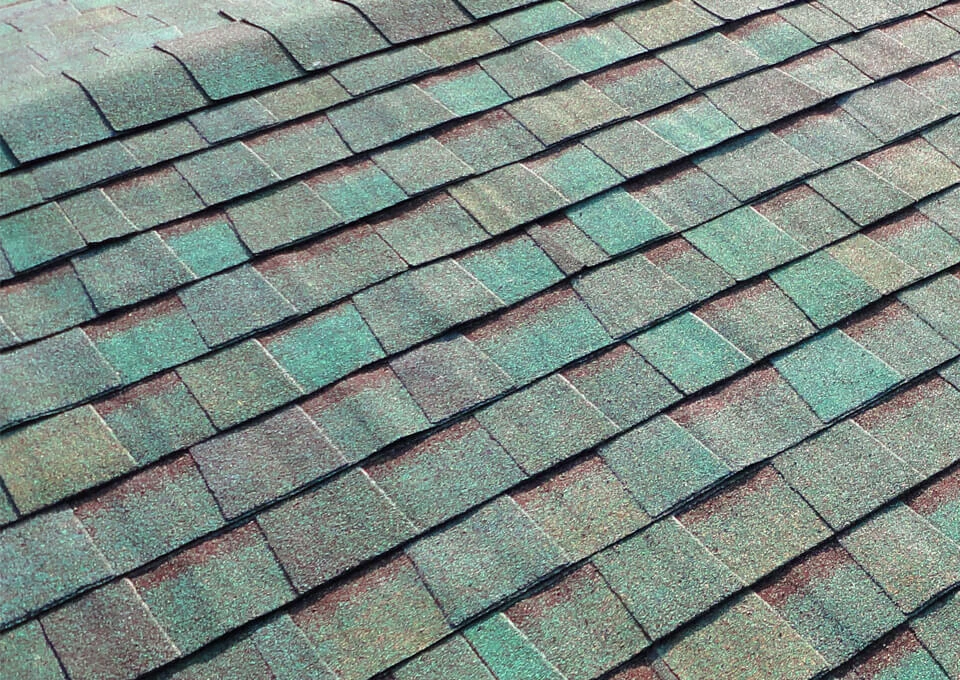
A Duluth roofing crew on a recent storm-damage replacement. The work books itself when the site is ready for the surge.
How we make a Duluth roofer’s site storm-ready in 21 days.
Speed audit + mobile fix
PageSpeed baseline, image compression, lazy loading, CDN install, sticky click-to-call bar deployed across every mobile page.
Storm + insurance pages
Build “hail damage roof Duluth” landing page, “wind damage Duluth,” insurance claim walkthrough page with FAQ, and three Duluth ZIP-level neighborhood pages.
Storm-event automation
Wire up a storm-event paid ad trigger so the day a Duluth storm event registers on NOAA, your storm landing page goes live with paid ad spend behind it.
The roofer who flipped his storm conversion in 19 days.
A Berkeley Lake-area Duluth roofer running on a 2018 WordPress site with a 9.4-second mobile load. Pre-fix, his average storm-window converted 5 calls out of about 240 visits. We patched in 19 business days: image compression, sticky tap-bar, hail damage landing page, insurance walkthrough, three Duluth neighborhood pages. The next significant hail event came through on a Wednesday in late September. His 72-hour call count: 41. Booked $186,400 in storm-damage replacement work in that single window. The patch cost him $6,800. Pay-back: under 90 hours.
72-hour inbound calls, pre-fix vs. post-fix, across 5 storm events.
Same neighborhoods. Same crew. Same Google Ads spend. The site was the only variable.
In-progress install — the photo type that makes a hail damage landing page feel real to a homeowner scanning her phone.
Six checks every Duluth roofer should run on his site tonight.
Open Chrome on your phone, on cellular data, not WiFi. Pull up your site. Run through this. Each failure is documented post-storm revenue you’ll lose.
Does your homepage load in under 3 seconds on LTE?
Test on cellular, not home WiFi. PageSpeed Insights mobile score under 70 = you’re losing storm leads.
Is your phone number tappable above the fold?
Sticky bottom bar with tap-to-call is the gold standard. Static phone number in the footer is a guarantee you’ll miss the surge.
Do you have a dedicated “hail damage” landing page?
Not a paragraph inside a services page. A standalone page targeting “hail damage roof Duluth” with photos, FAQ, and a form.
Is there an insurance claim walkthrough page?
Step-by-step. Photos of completed insurance jobs. Adjuster process explained. The single biggest trust signal for storm leads.
Do you have at least one Duluth neighborhood page?
Sugarloaf. Berkeley Lake. River Green. ZIP-specific content ranks 3x faster than generic “Duluth roofer” content.
Are your trucks, crew, and finished jobs visible above the fold?
A homeowner two streets from her damaged roof wants to see real local crews, not stock imagery. Trust is a sub-2-second decision.
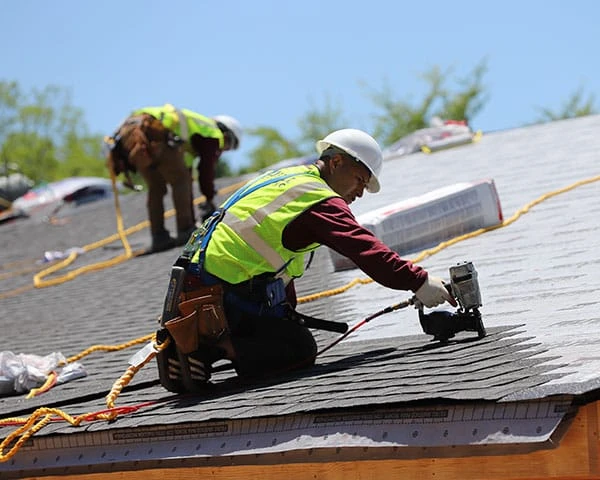
Crew + truck shot. Anchors a hail-damage landing page in something local Duluth homeowners actually recognize.
Behind the scenes — every Duluth roofing shoot turns into 8 storm-page assets we plug straight into the patched site.
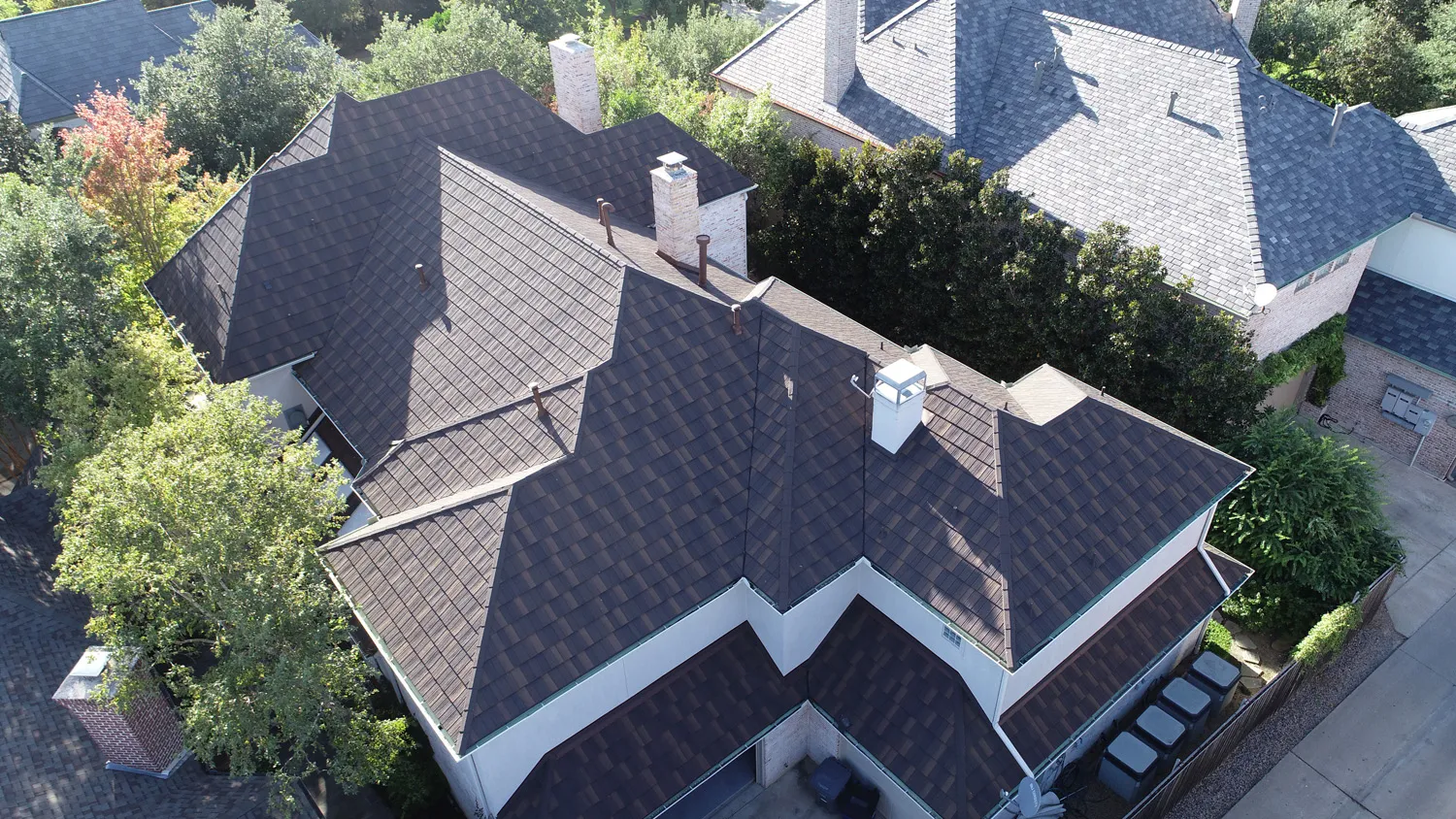
A finished Duluth replacement. Used on the insurance walkthrough page, this converts post-storm homeowners at 3x the rate of stock photography.
What Duluth roofers ask before letting us patch their site.
Yes. The keyword “hail damage roof Duluth” and its variants explode post-storm and have effectively zero competition from out-of-market national roofing directories. A dedicated page targeting those terms ranks fast — usually inside 60 days — and becomes the single highest-converting page on your site during every storm event for the next 5 years. Skipping it gives the entire post-storm surge to whichever local roofer built one.
Most Duluth roofer sites we audit can drop from 7–9 seconds of mobile load down to under 2 seconds in 9–14 hours of focused developer time. The fixes are image compression to WebP, lazy-loading below-fold images, CDN delivery, and ripping out unused scripts and plugins. Sticky click-to-call bar is another 2–3 hours. Total project: typically inside 21 days.
Referrals are a great floor. They’re not a ceiling. Even referred Duluth homeowners check your website before calling — and post-storm, when their neighbor’s referral isn’t the only roofer in play, the website becomes the comparison point. We’ve seen referral roofers double their close rate on referred leads simply by patching the technical leaks. Same referrals. Same prospect quality. Better conversion.
Both. Storm windows reward whoever shows up first, and paid ads buy you the top of the results in hour 1. SEO gets you the long-tail ranking that’s still earning calls 8 months later. The compounding play is paid ads day 1–14 of the surge, plus the storm landing page locking down the organic ranking for the next 12 months until the next event. We wire this up on our roofing client engagements.
No. One roofer per city, full stop. Storm windows are zero-sum in any given Duluth ZIP code — every call our client gets is one a competitor doesn’t. Taking on two Duluth roofers would directly cannibalize our own work. The conflict-of-interest line is non-negotiable.
Imagine the next Duluth hailstorm converting 38 calls instead of 4.
If you want a free 30-minute audit where we run the same 14-point storm-readiness test on your site we run for every Duluth roofing client — and tell you exactly which leaks are costing you the post-storm surge — book the call. We do a few of these every week with contractors across the broader North Atlanta corridor.
Ready to turn searches into booked jobs?
Viral Spark is a marketing agency for roofers built for North Atlanta contractors. We pair websites built to book jobs with SEO that books jobs so the right customers find you first — no lead-buying. Get a free game plan →