Website mistakes costing Johns Creek home remodelers thousands.
Your Johns Creek remodeling website has a portfolio page. But does it show the project value, location, timeline, and scope — or just photos? Without those details, you’re showing homeowners a gallery, not a credential.
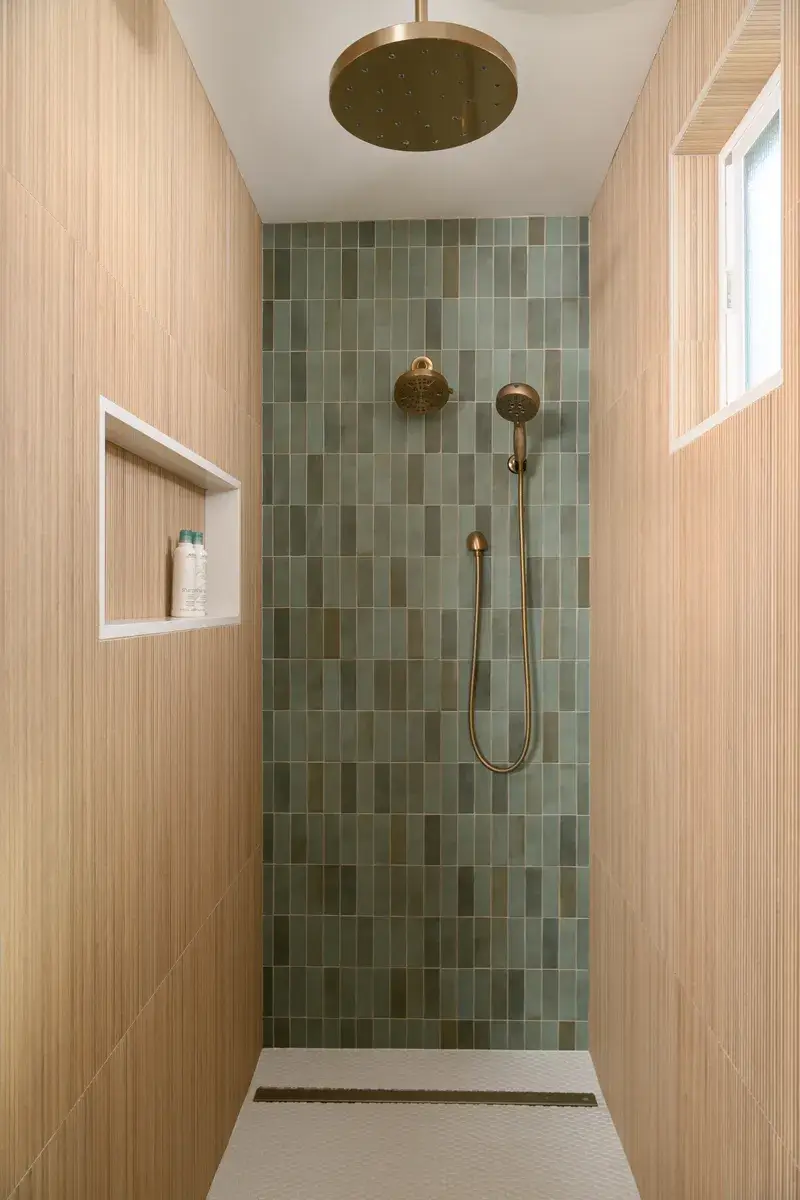
What is your portfolio actually telling a $200K-budget Johns Creek buyer?
Here’s the thing. A homeowner in the Shakerag and Medlock Bridge corridor opens your website on a Tuesday night, scrolls to “Our Work,” and sees 18 photos in a tiled grid. No captions. No project descriptions. No budgets. No timeline. No neighborhoods. She’s looking at a gallery and trying to figure out if you’ve ever done a $180K kitchen in her zip code — and your site won’t tell her.
You’ve probably noticed that Johns Creek buyers are different. They research. They compare. They build spreadsheets. They want to know project value, location, scope, materials, timeline, and the names of subs before they ever pick up the phone. A photo of a finished kitchen doesn’t answer any of those questions. It just looks pretty next to 17 others.
Real talk: 67.8% of Johns Creek remodel prospects leave your portfolio page without ever filling out a form. Not because your work isn’t good — because the page didn’t let them self-qualify. They couldn’t confirm you’ve done their scope. They couldn’t confirm you’ve worked in their neighborhood. They couldn’t confirm the budget level fits. So they left and called someone whose portfolio gave them the answers.
Johns Creek’s median household income runs north of $135K and remodel projects in Medlock Bridge regularly land in the $120K–$280K range. Buyers at that level expect a contractor to present case studies, not snapshots. The remodelers who treat their portfolio like a sales document — not an Instagram feed — win the high-margin work.
The good news? You don’t need new projects. You need a better format applied to the ones you’ve already finished. We call it the 11-field case study and it 2.3x’s form completion in 60 days.
What you’re showing vs. what they need to see
Same projects. Same photos. The format below adds context — and adds revenue.
| Portfolio element | Typical Johns Creek remodel site | 11-field case-study format |
|---|---|---|
| Photos per project | Tiled grid, no captions | 6–10 captioned photos with context |
| Project location | Not shown | Neighborhood named (Shakerag, Medlock Bridge) |
| Budget range | Hidden until call | Banded range shown ($85K–$120K) |
| Timeline | Not shown | Start to handover in weeks |
| Form completion rate | 1.6% | 3.7% (2.3x lift) |
A Johns Creek remodel prospect doesn’t need 18 photos. She needs three projects, each with budget, timeline, and neighborhood, that prove you’ve done her job before.— Pattern across 16 Johns Creek remodel portfolio audits
The 11-field case study format.
Here’s what most marketing agencies won’t admit — your portfolio doesn’t need more projects. It needs more context on the ones you’ve already finished. Eleven fields per project. That’s the entire fix.
What every Johns Creek remodel case study should include.
These are the questions your buyer is silently asking on every project tile. Answer them inline and she stops bouncing, starts reading, then starts contacting.
Neighborhood, budget band, scope, timeline, materials.
These five answer the only questions a serious Johns Creek buyer is asking on a portfolio. Naming the neighborhood — Shakerag, Medlock Bridge, St. Ives — alone moves form completion by roughly 38% because it proves you work in her zip. Pair them with a real conversion-focused web build and the entire portfolio works harder than your sales team.
Process narrative + sub-trade credits.
A three-paragraph project story that names the architect, the cabinet shop, the tile installer. Johns Creek buyers respect transparency in the supply chain — and your competitors aren’t doing this.
Client quote + permission to share.
One named quote from the homeowner — first name, neighborhood, no last name needed. The presence of an actual person speaking moves trust more than any award badge ever has.
“Inquire about a project like this” inline CTA.
Don’t make the buyer scroll back to the contact page. A button at the end of every case study — pre-tagged with the project type — sends her into a contact form already half-filled with the scope. 2.3x completion lift comes almost entirely from this single inline CTA across the 11-field portfolio system.
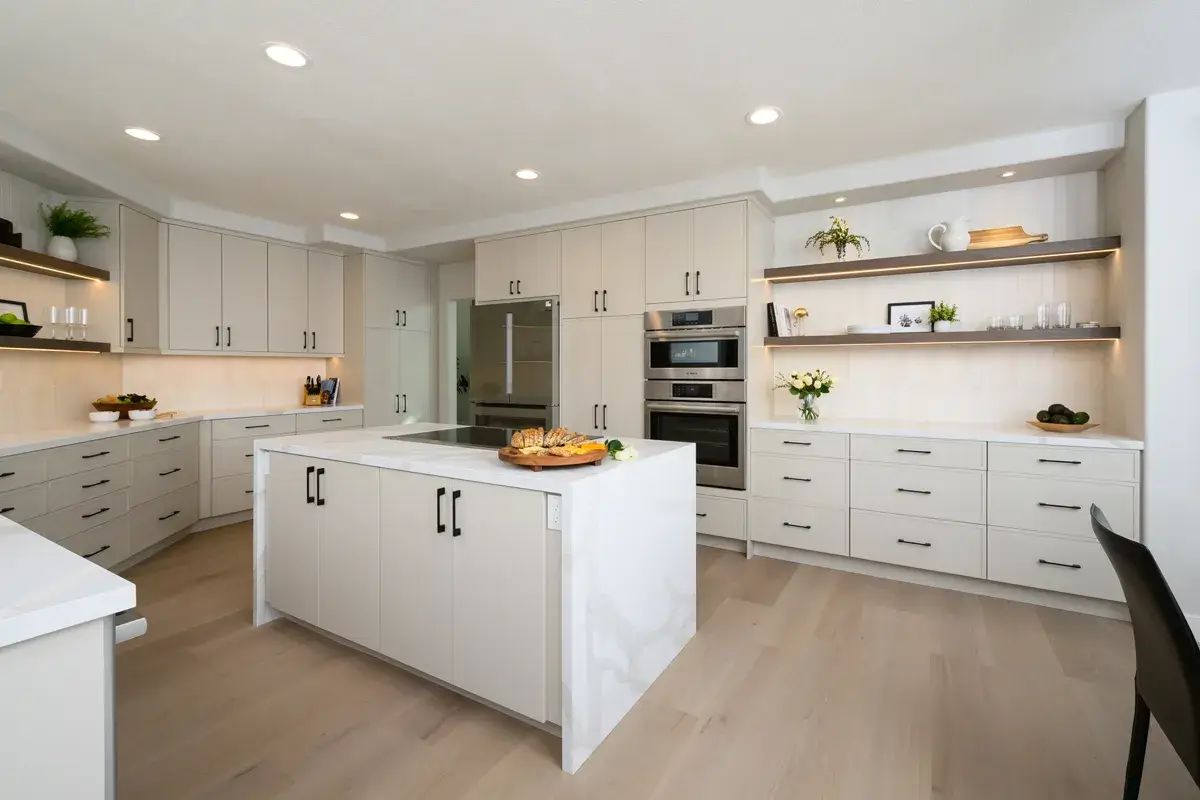
A mid-build Medlock Bridge kitchen — the kind of project that earns its full revenue value only when its case study tells the whole story.
How we rebuild a Johns Creek remodeler’s portfolio in three phases.
Audit your existing photos
We pull every project image off your current site and group them by job. Most remodelers have 4–9 completed projects buried inside what looks like a wall of 18 photos. We separate them into individual case-study candidates.
Interview the owner
60–90 minutes per project. We extract the 11 fields — neighborhood, budget band, scope, timeline, materials, process, subs, quote. Most owners can give us 80% from memory; we fill the rest from invoices.
Ship the case studies
One published case study per week for 6–10 weeks. Each one indexed for SEO under “kitchen remodel [neighborhood].” Most Johns Creek remodelers see form completion 2.3x within 60 days of the 5th case study going live.
The Shakerag remodeler who turned 18 photos into 7 case studies.
An eight-year home remodeler doing $120K–$240K kitchen and primary-bath jobs across the Shakerag and Medlock Bridge corridors. Had a portfolio page with 18 photos, no captions, and a 1.6% form completion rate. We separated the photos into seven distinct projects, conducted seven 75-minute owner interviews, and published one 11-field case study per week for seven weeks. By the end of the eighth week, form completion was 3.7%, his contact form was tagging incoming leads by project type, and three of his next four booked jobs came from prospects who specifically referenced a case study in their inquiry.
Same projects. Better format. Different revenue.
No new traffic. No new ads. Just the same projects, in a format Johns Creek buyers actually use to decide.
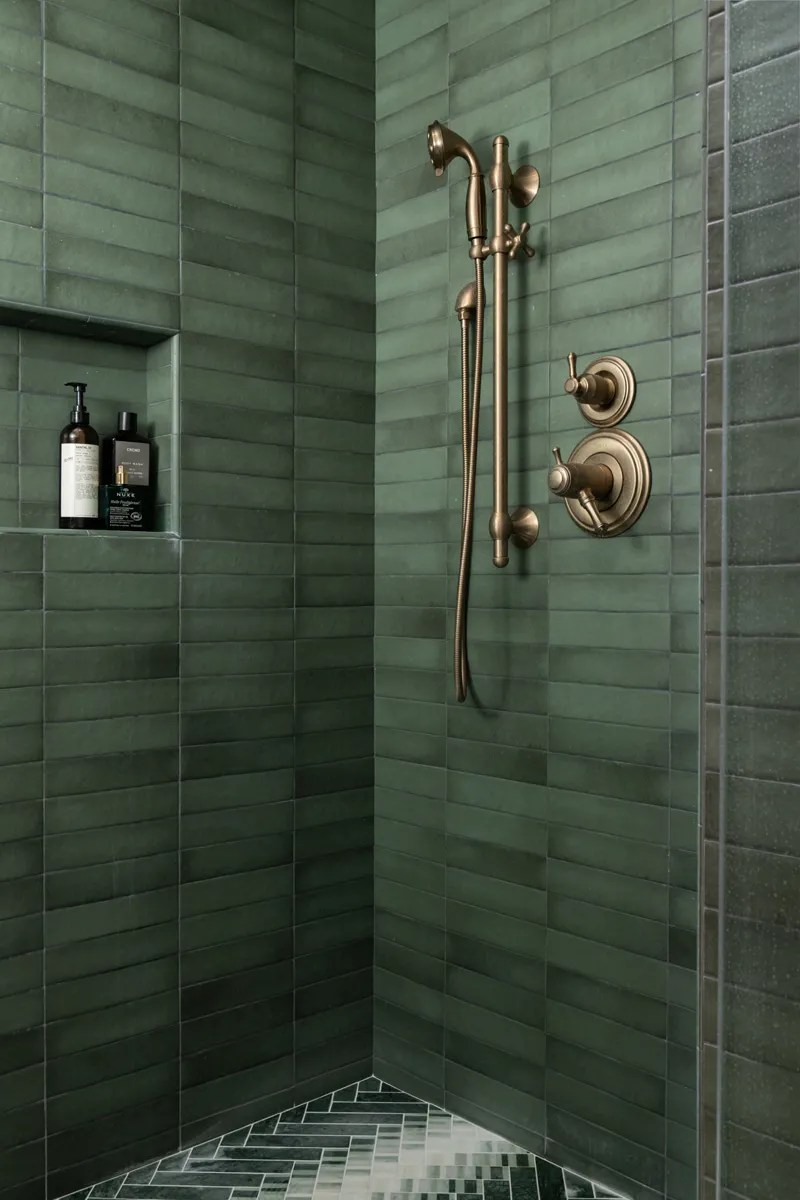
A primary bath in the Shakerag corridor — the kind of finished project a captionless thumbnail can’t sell, but an 11-field case study can.
Six questions to ask about your current portfolio today.
If you can’t answer “yes” to four or more of these about your current portfolio page, you’re underselling the work you’ve already finished.
Can a visitor name your neighborhoods?
If they can’t tell from your portfolio that you work in Shakerag, Medlock Bridge, and St. Ives, you’re invisible to the buyers who live there.
Is there a budget band on every project?
Not exact dollars. A band — $80K–$120K. Buyers self-qualify on budget more than any other factor.
Is there a timeline on every project?
From contract to handover. Johns Creek buyers are scheduling around events, holidays, school years. Timeline is information they need.
Are subs and partners named?
Architects, cabinet shops, tile installers. Transparency in the supply chain is rare and respected in this market.
Is there a named client quote on every project?
First name and neighborhood is enough. The presence of a real person speaking carries more weight than any award badge.
Is there an inline CTA at the end of every case study?
“Inquire about a project like this” — pre-tagged so the form already knows the scope. Single biggest 11-field multiplier.
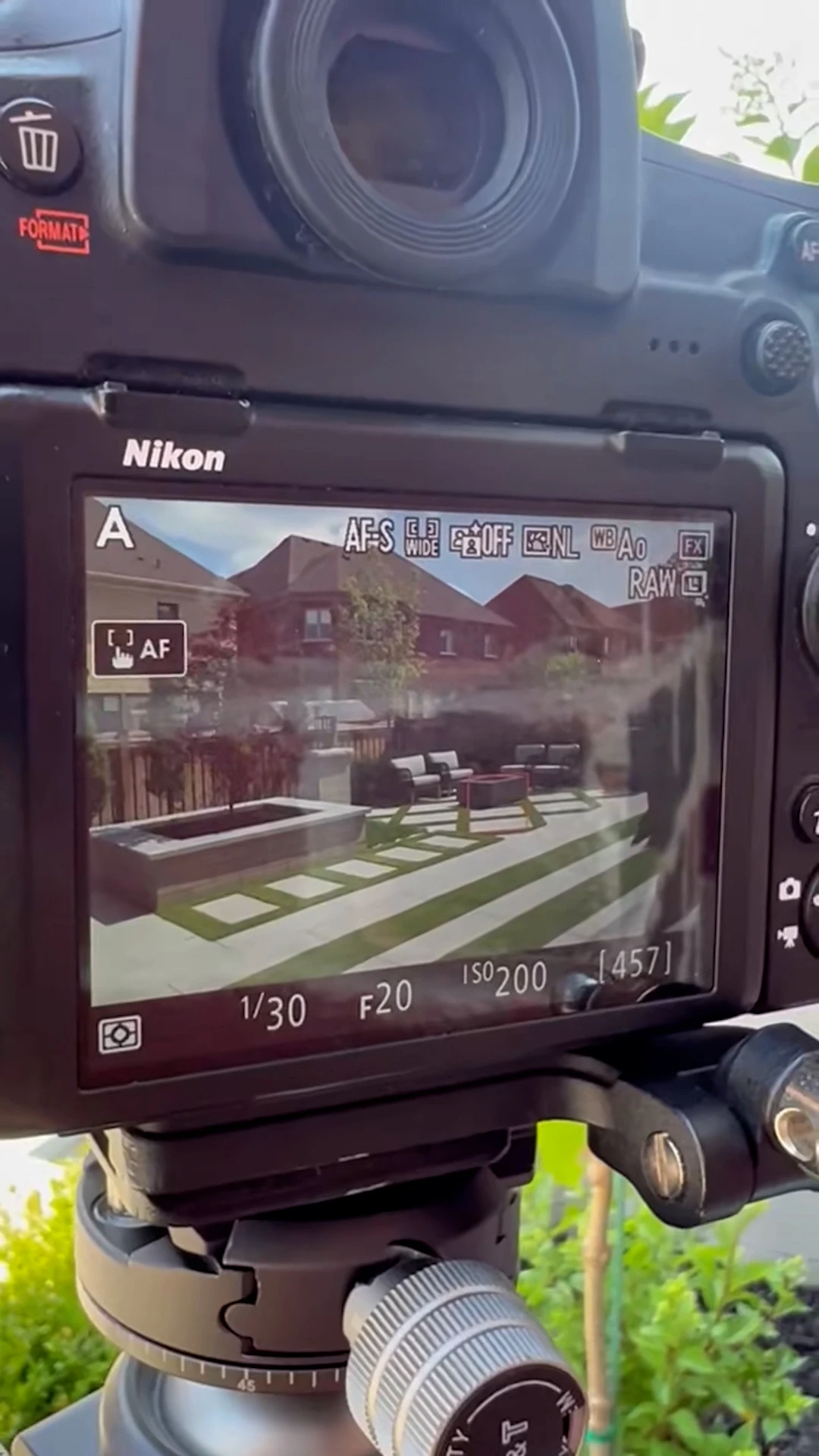
Behind the scenes — the photography session that turns one finished remodel into a complete 11-field case study.
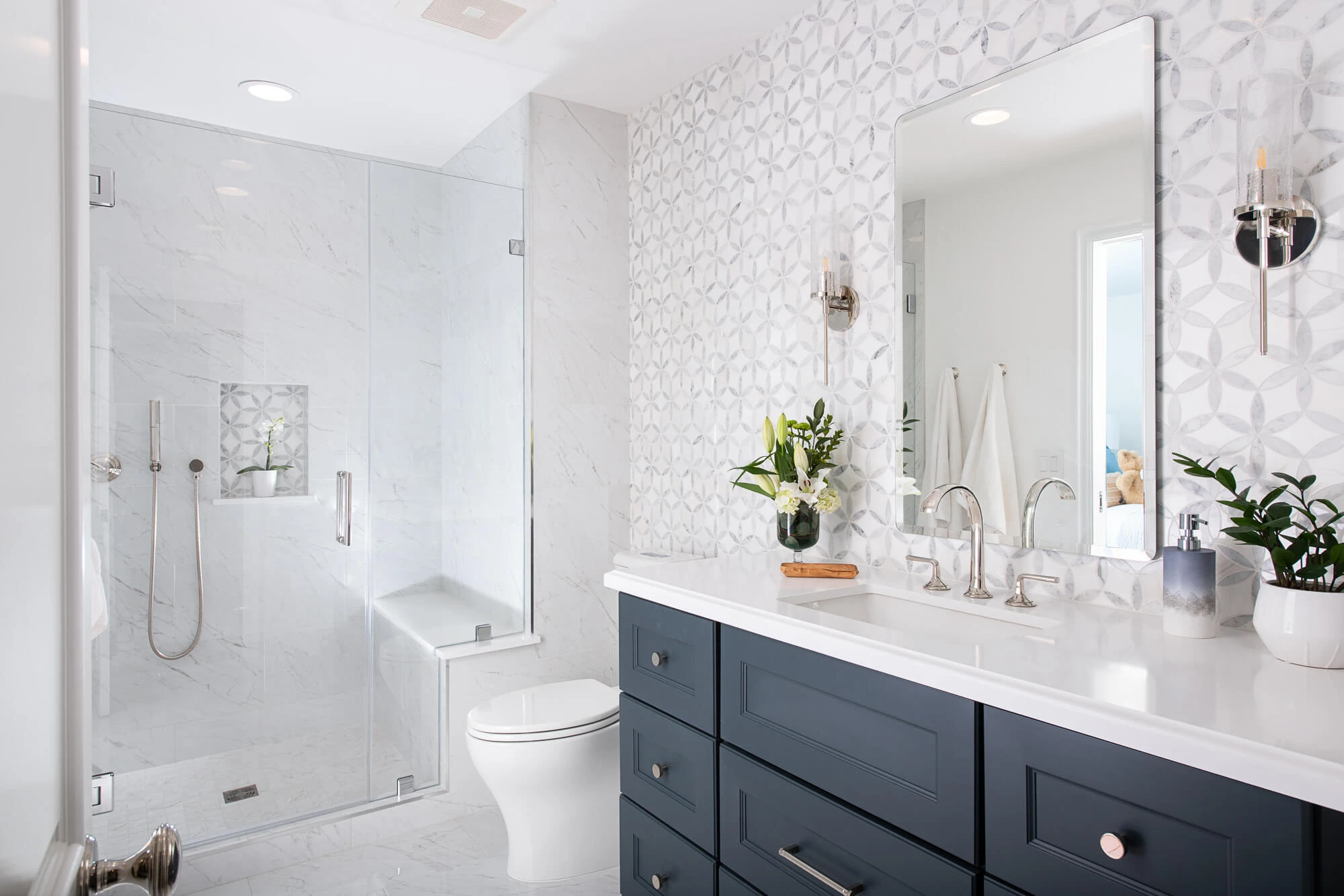
A whole-home renovation in the Abbotts Bridge area — exactly the kind of credential a research-heavy Johns Creek buyer wants in case-study form.
What Johns Creek remodelers keep asking us.
No. A budget band — $85K–$120K, $140K–$190K — is what works. Exact dollars create awkward comparison conversations. Bands let the buyer self-qualify without exposing your job costing.
Most Johns Creek clients are happy to be named at the neighborhood level — Shakerag, Medlock Bridge, Country Club of the South. It’s the specific address they want kept private. The neighborhood is the credibility signal; the address isn’t needed.
About 6–10 weeks for a remodeler with 5–10 finished projects. We publish one case study per week, conduct 75-minute owner interviews up front, and stagger photography sessions for any project that needs better images.
Yes — actually better than for an established firm. Two well-documented 11-field case studies beats a 14-thumbnail wall every time. We’ve onboarded Johns Creek remodelers with as few as two finished jobs who hit 2.4% form completion inside 90 days.
One remodeler per city, full stop. We won’t run marketing for two remodelers in Johns Creek at the same time. The conflict-of-interest line is non-negotiable.
Turn your portfolio from a gallery into a credential.
If you want a 30-minute call where we look at your current portfolio, identify which projects can become 11-field case studies, and project a likely form completion lift — that’s free. We do a few of these a week with remodelers across North Atlanta’s home services market. For a deeper dive into how we work with home remodelers specifically, see our industry page.
Ready to turn searches into booked jobs?
Viral Spark is a remodeling marketing agency built for North Atlanta contractors. We pair websites built to book jobs with SEO that books jobs so the right customers find you first — no lead-buying. Get a free game plan →