Website Mistakes That Cost Roswell Custom Home Builders Thousands in Lost Jobs
The biggest lie in custom home marketing is that buyers find you through referrals. They find you through your website — and the most expensive mistake a Roswell custom builder can make is a site that makes a $2 million buyer feel like they’re looking at the website of a production builder.
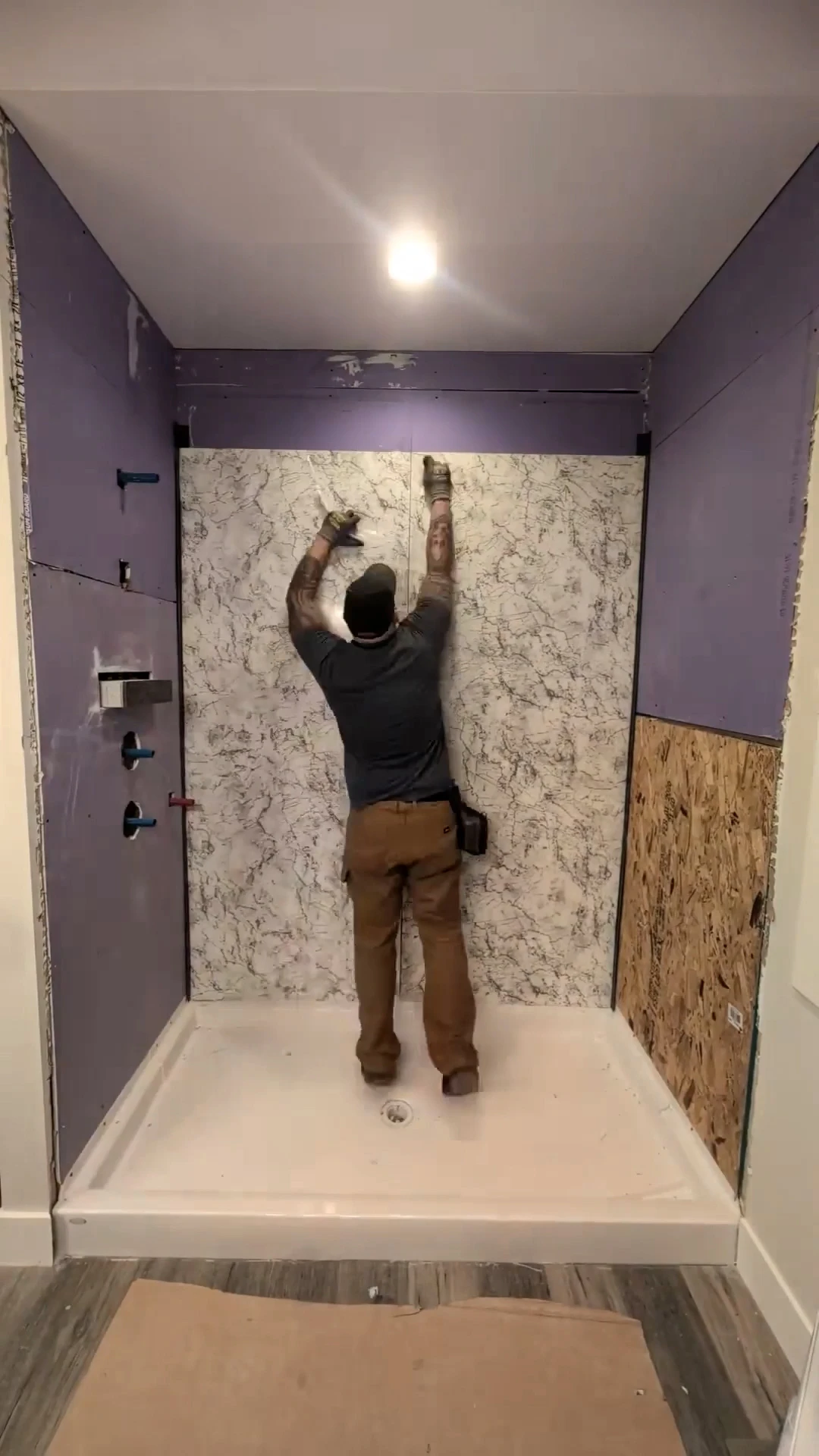
Your website isn’t a brochure. It’s the first 14 months of the sales cycle.
Here’s the thing about custom home buyers in Roswell: they spend 22 pages and 5+ visits on your website before they ever request a consultation. That’s not a brochure-browsing pattern. That’s months of due diligence from someone who’s about to hand you a $1.5 million check and let you tear down their existing home on a Chattahoochee River lot.
Real talk: most Roswell custom builder websites are built like brochures. Eight projects in a generic grid gallery. No project narratives. No site challenge stories. No Historic District context. No process walkthrough. No architect or designer partner references. And then the builder wonders why the inquiries from the website are mostly from people who clearly haven’t read past the home page.
You’ve probably noticed this in your own market. A newer custom builder with a third of your experience and half your portfolio is winning bids on Sentinel on the River estate lots and Bulloch Hall area infill teardowns. He’s not better. His website demonstrates that he understands the Roswell market — the architectural character, the river-adjacent construction challenges, the period-sensitive renovation work that the Historic District requires. Yours doesn’t.
The good news? The fix is 9 specific content additions, and most Roswell custom builders already have the project knowledge and photography to make them. It just needs to be written, structured, and presented the way a $1.5M buyer needs to see it.
The site that wins Chattahoochee River bids vs. the one that loses to Houzz
Same builder. Same portfolio. Same neighborhoods. One closes 4 estate-lot bids a year. The other closes 1.
| Element | Most Roswell custom builder sites | Sites that win $1.5M bids |
|---|---|---|
| Project pages | Generic gallery thumbnails | Dedicated 800-word narrative per project |
| Historic District work | Not mentioned | Dedicated portfolio section with context |
| Process walkthrough | Doesn’t exist | 14-month cycle, phase by phase |
| Architect partners | None named | Named partnerships with referenced work |
| Service area | “Atlanta metro” | Map naming river corridor + Historic District |
| Testimonials | Generic praise | Named clients, in context, by project |
“My referral pipeline was solid, but the website inquiries were terrible. We added 8 project narrative pages and a Historic District section. The next year, three of my four signed builds came from website-originated leads — and they were higher budgets than the referrals.”— A Roswell custom builder serving the Chattahoochee River corridor, after one year of content depth investment
Your custom builder site doesn’t need to be more beautiful. It needs to be deeper.
Most $2M custom buyers don’t care about parallax animations. They care about whether you understand the river setback and the historic district review board. Here’s how we build custom builder sites that win bids.
What’s missing on your custom builder site right now
No project narrative pages
A grid of 8 thumbnails tells a $1.5M buyer almost nothing. Each project deserves its own dedicated page — the lot, the architect partnership, the design challenges, the build timeline, the unique site conditions, the finishing materials, the homeowner’s brief, and what the project taught you. A Sentinel on the River build with site challenges and architect collaboration is a 1,200-word page minimum. Without those pages, your portfolio is invisible to the buyer who would have hired you.
Average impact: $68,000 lift in initial project budget from website-acquired clients post-narrative.
No Historic District section
Roswell’s Historic District requires period-sensitive renovation expertise. If your site doesn’t have a dedicated section showing your Historic District work, you’re invisible to anyone shopping for that specific capability.
No process walkthrough
A 14-month custom build has 9 major phases. Walk through them on the site: feasibility, site analysis, architect coordination, permitting, foundations, framing, MEP, finishes, handover. Most Roswell builders skip this. The ones who don’t win the long-cycle bid.
Architect partners unnamed
If you work regularly with specific architects or designers, name them. List the projects you’ve collaborated on. Roswell custom buyers vet builders partly through architect references — make those connections discoverable on the site.
Three phases to make your site as serious as the buyer who needs to read it
Project narrative pages
Write a dedicated narrative for each of your 8 strongest builds. 800–1,200 words. Site, lot, architect partner, brief, design challenges, build timeline, finishing materials, what made the project unique. Pull from job-site photos, finish photography, and your own files. This phase alone usually doubles inquiry quality.
Historic District + process
Build a dedicated Historic District section covering review board navigation, period-appropriate materials sourcing, and projects completed within the district. Write a 14-month process walkthrough page with photos from real builds at each phase. These two additions turn site visits into qualified leads.
Partners + proof + service area
Name architect and designer partners, with collaborated projects. Add 6–8 named-client testimonials with full project context. Build a service area map naming Chattahoochee River corridor lots, Bulloch Hall area, Historic District, Sentinel on the River, and Edgewater Cove. Add schema markup. By day 45, the site reads like the firm.
What the 22-page visit pattern tells you
Roswell custom buyers don’t bounce. They read. A typical $1.5M buyer views 22 pages across 5 site visits over 14 weeks before requesting a consultation. If your site only has 11 pages of meaningful content, you’re invisible past the third visit. The builders who win the long-cycle bid build sites that have 30+ pages of substantive content — project narratives, process documentation, partner references, philosophy pieces. The investment pays back on the first bid won.
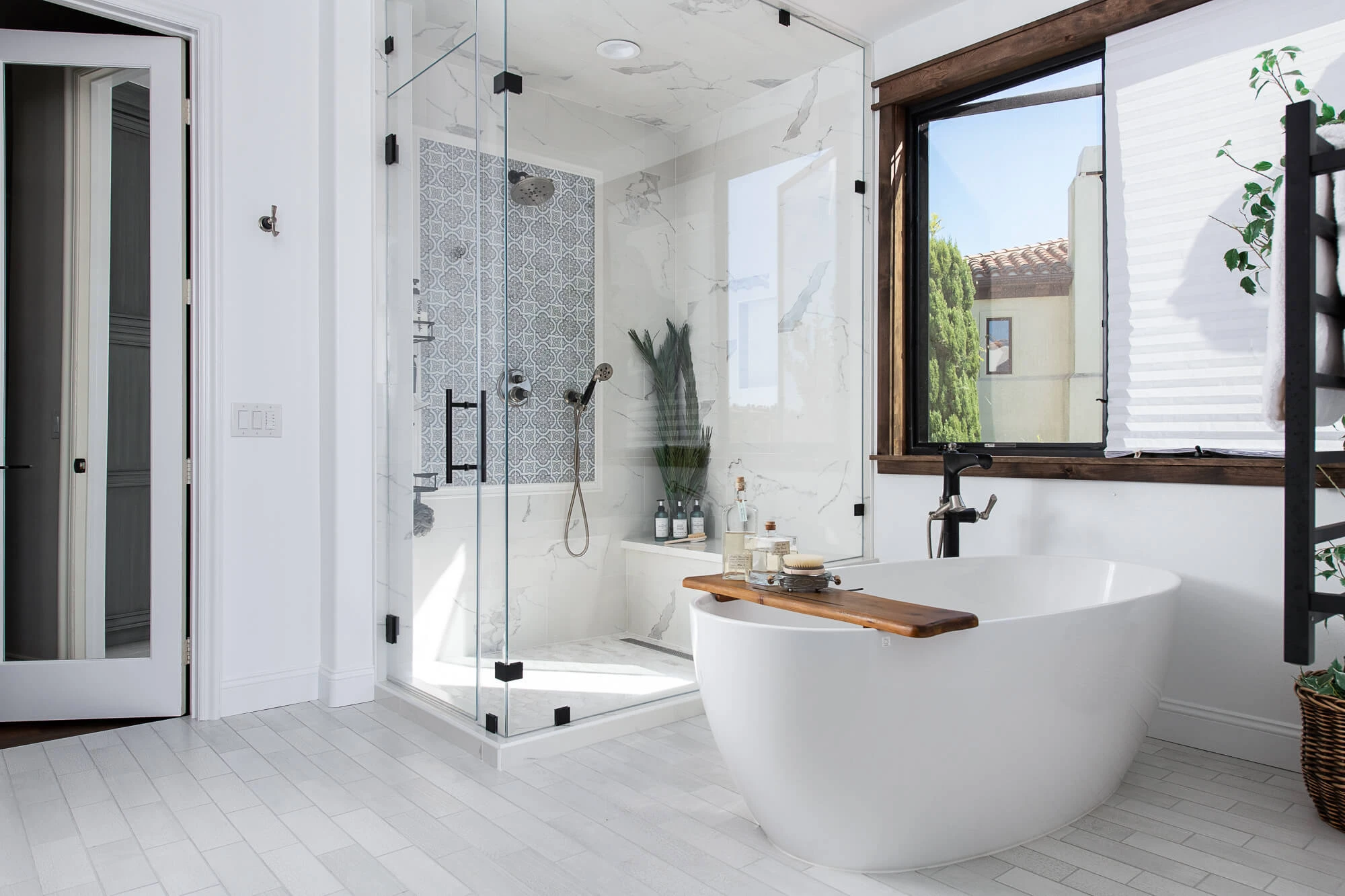
How content depth shapes Roswell custom-build inquiry budgets
Six things to verify before declaring your site done
8 project narratives
Minimum 8 dedicated project pages. 800–1,200 words each. Site, architect, brief, challenges, materials, timeline.
Historic District section
Dedicated portfolio area showing your Historic District projects with review board context and period-appropriate materials.
Process walkthrough
14-month cycle, phase by phase, with photos from real builds. Helps buyers visualize the experience before signing.
Architect partners named
Specific firms or principals you’ve collaborated with, with examples of joint projects. Trust signal through association.
Service area is specific
Map naming Chattahoochee River corridor, Bulloch Hall area, Historic District, Sentinel on the River, Edgewater Cove.
Named testimonials
First name (with permission), project type, neighborhood, 3-sentence quote. Six minimum. Specific beats generic.
What Roswell custom builders ask before adding depth
Because referred buyers are still researching you online before they call. The website is part of the referral close, not separate from it. A weak site loses warm referrals. A strong one converts them faster, at higher budgets. Roswell custom builders we’ve worked with report 28% shorter sales cycles after the site reads as seriously as the firm operates.
If you write them yourself, roughly 12–18 hours per project once you’ve pulled photos and notes. Most builders we work with sit with an interviewer for 2 hours per project, and we draft the page from the transcript. Either way, this is the highest-ROI content work a Roswell custom builder can do. Pays for itself on one signed bid.
Use what you have. Job-site phone shots are fine for process and challenge sections — they actually feel more honest than over-styled real-estate photography in many cases. For finish photography, a single full-day shoot with a real-estate-trained photographer runs $1,800–$3,200 and gives you 18+ months of website and social content.
Yes — naming the architects and designers you’ve collaborated with (with their permission) is a powerful trust signal. It tells a $1.5M buyer that real industry professionals trust you. We’ve never had a Roswell architect refuse a tasteful mention. They benefit from the cross-reference too.
Track inquiry quality, not inquiry volume. Most Roswell custom builders see total inquiries drop 12 to 22 percent after deepening the site — and inquiry budgets jump 40 to 80 percent. Fewer tire-kickers. More qualified buyers. The math favors depth on the first signed bid of the cycle.
Find out which of the 9 mistakes is keeping your $2M buyers from calling
Free audit. Prioritized content plan. Project narrative templates included. Built specifically for Roswell custom home builders who’d rather win Chattahoochee River bids than wonder why their site reads like a production builder’s.
Ready to turn searches into booked jobs?
Viral Spark is a home builder SEO agency built for North Atlanta contractors. We pair high-converting contractor websites with local SEO that ranks so the right customers find you first — no lead-buying. Get a free game plan →