Social media marketing for roofers in Smyrna — what actually books jobs.
Roofers are told social media doesn’t work for their industry. The ones saying that haven’t tried posting storm-damage walkthroughs. The ones who have are booking 6–9 jobs per post-storm content cycle. Stop dismissing the channel and start building it.
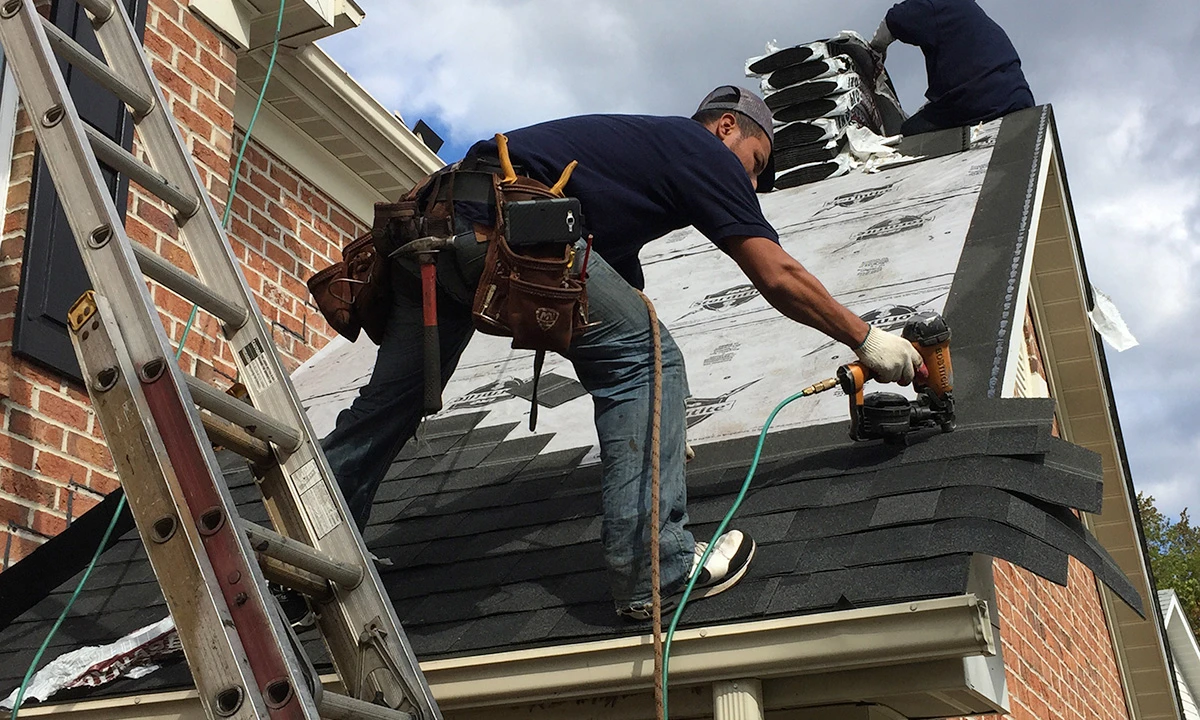
Stop treating social like restaurants do. Treat it like a storm-response system.
Here’s the thing. Most roofers we talk to in Smyrna have a Facebook page that hasn’t been touched in 19 months and a vague sense that “social media isn’t really for our industry.” They’re half right. The boutique-feed approach — post a finished roof, hope someone calls — really doesn’t work for roofing.
Real talk: that’s not what social media for roofers is supposed to do. Social for a roofer is a storm-response deployment system. It exists for the 72 hours after a hail or wind event, when 400 Cobb County homeowners are simultaneously Googling “roof repair Smyrna” and scrolling Facebook for someone they trust. The roofer with content already built and ready to deploy wins those 72 hours. The roofer with a dead page loses to a storm-chaser from out of state.
A Concord Road roofing contractor we recently audited had been in business 16 years, dominated his neighborhood through referrals, and missed the storm-surge lead window every single time. His last Facebook post was from 2024. Meanwhile, a younger competitor with half his crew was deploying drone walkthroughs of damaged Smyrna roofs within hours of every hail event and capturing 6–9 emergency jobs per cycle.
Roofing social isn’t about brand awareness. It’s about being the first credible name a Smyrna homeowner sees when they’re standing in their driveway looking at hail damage. The roofer with content ready to deploy wins. The one scrambling to post when the phones already ring loses.
The good news? Storm-response social isn’t expensive or complicated. It’s three formats, run consistently — and a small library of templates ready to deploy the second the radar lights up. The rest of this guide breaks that down.
Dead Facebook page vs. real storm-response system
Same crew capacity. Different lead capture by Wednesday afternoon.
| What you get | “Social isn’t for roofers” | The Viral Spark system |
|---|---|---|
| Pre-storm posts in feed | None — nothing recent | 14 posts in last 30 days |
| Time to deploy after storm | Never deployed | Inside 24 hours, library ready |
| Inbound messages in 72hrs | 0–2 from referrals only | 40–80 from social alone |
| Storm jobs booked | 3–4 (referral capacity) | 9–14 in same window |
| Out-of-state chaser losses | Steady, every storm | Near zero |
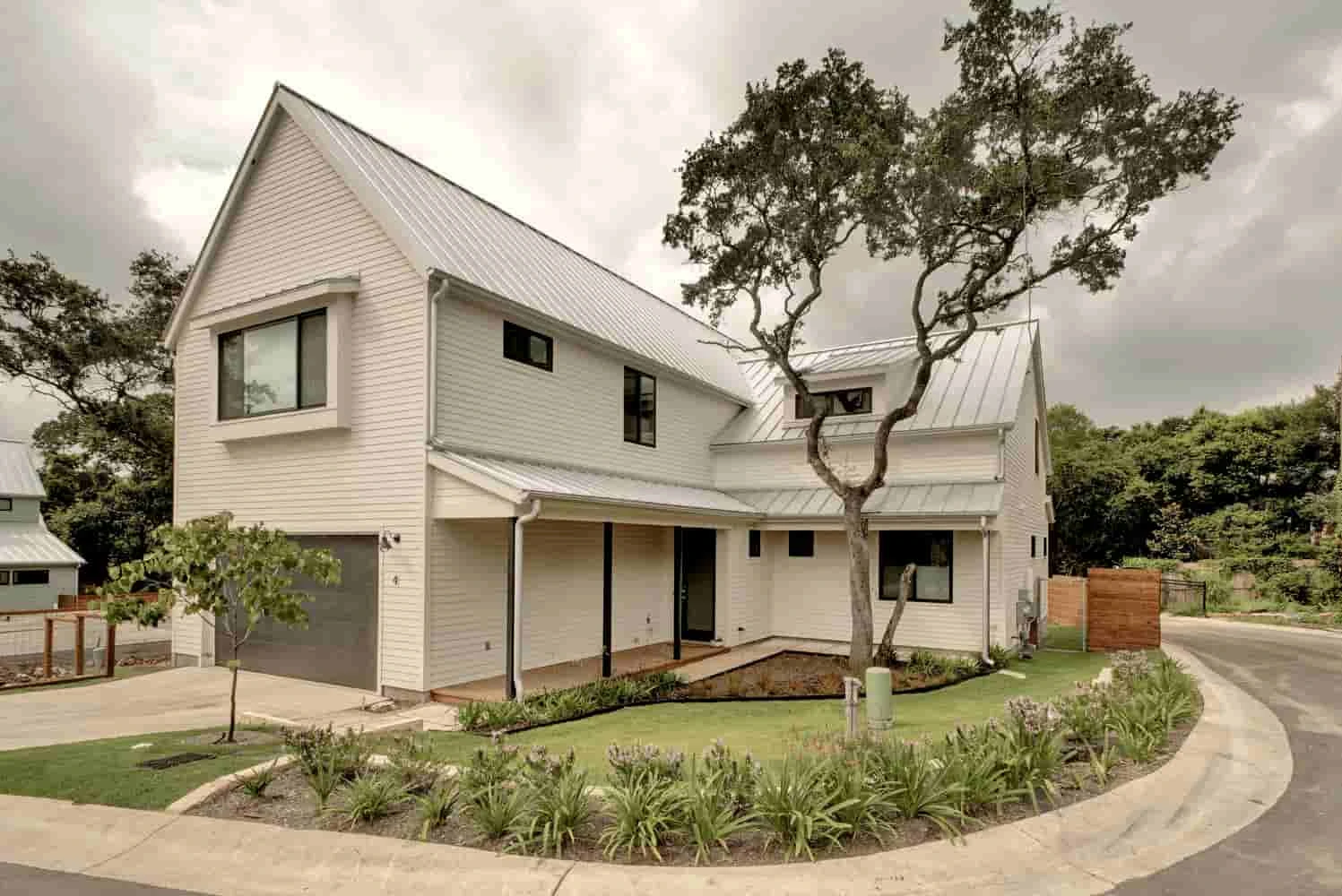
A Smyrna crew on-roof — process video like this outperforms finished-job photos by 4.8x for inbound messages.
The storm doesn’t care that your Facebook page is dead. The 400 homeowners scrolling for a credible roofer in the next 72 hours absolutely do.— What two seasons of Cobb County storm cycles taught us
You’ve probably noticed the local roofers winning the storm cycle in Concord Road, Cumberland, and the South Cobb corridor aren’t necessarily the most experienced. They’re the ones who treated social as infrastructure before the storm hit — not a chore they got around to after.
Three formats. Built before the storm. Deployed after.
Every Smyrna roofer winning the post-storm window is running the same three content engines. Stack them right and your social becomes a deployment system, not a vanity feed.
What a real Smyrna roofer feed looks like.
None of these work alone. Damage walkthroughs without trust content fall flat. Trust content without storm response misses the surge. The whole engine fires together.
The storm-damage walkthrough.
A 90-second drone-and-ground reel of a real Smyrna roof showing hail bruising, granule loss, and tarp work — captured during calm weather and held in the library. The hour the radar lights up, that template gets reframed for the new storm and deployed across Facebook and Instagram. The roofers who pre-build this library win every storm cycle. Our social media management system shoots and indexes 6–10 of these templates per quarter.
Crew-on-roof process video.
Tear-off, decking inspection, underlayment, shingle install. Smyrna homeowners want to see the work, not the truck. Process video pulls 4.8x the messages of finished photos.
Insurance education content.
“What to do in 24 hours after hail damage.” Saved-post gold. Smyrna homeowners share this. The agency that explained the claim wins the call.
Storm-response compounding.
Walkthrough templates win the post-storm 72-hour window. Process video builds trust between storms. Insurance education locks the share-and-save flywheel. Run all three for 12 months in Smyrna, Mableton, and the broader South Cobb corridor and you stop losing storm jobs to out-of-state chasers permanently.
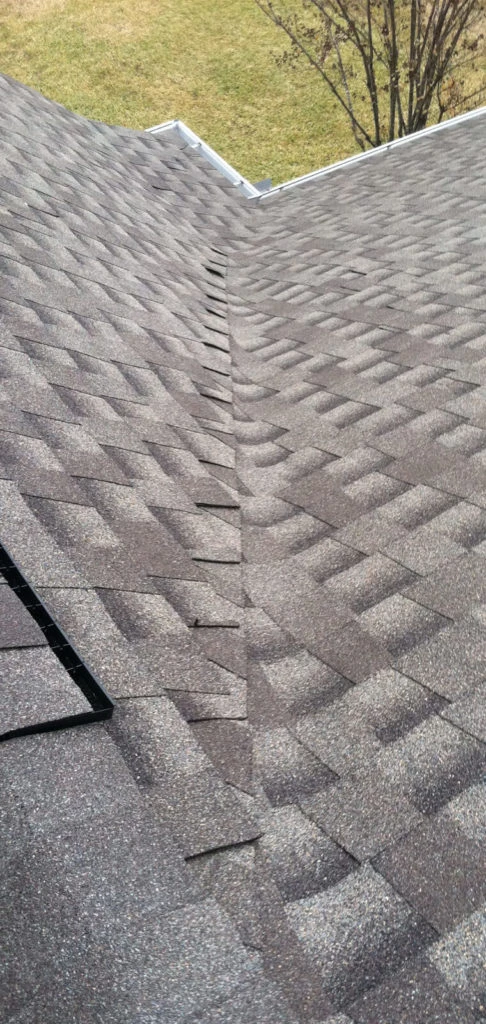
Mid-install content like this — shot during the work, not just at handover — is the connective tissue between storm cycles.
How we run a Smyrna roofer social engagement.
Build the storm library
We come on-site over the first 30 days and capture 6–10 evergreen damage-walkthrough templates plus crew-on-roof process clips. That library becomes your deployment kit for every future storm cycle.
Run between-storm cadence
14–16 posts per month — process video, insurance education, neighborhood callouts. Keeps the page warm with the algorithm so deployment-day reach is real, not zero.
Deploy on weather events
Hail or wind hits Cobb. Within 24 hours, library templates are reframed for the new event, captioned with the affected neighborhoods, and pushed paid + organic. The roofers who pre-built capture the surge.
The Concord Road roofer who built a deployment library.
An eleven-year roofer covering Concord Road, Cumberland, and the broader South Cobb corridor was running on referrals and missed every recent storm cycle. By the end of month 5 with a real storm-response system in place, his social-attributed lead share had jumped from 2% to 31%, and during a single April hail event he captured 14 inbound calls/wk from social alone. Cost per booked storm job dropped from $640 (referral wait time) to $187 (paid + organic combined).
Storm-cycle inbound, library vs. no library.
The library compounds storm by storm. Each cycle adds new templates, new neighborhoods, new credibility for the next one.
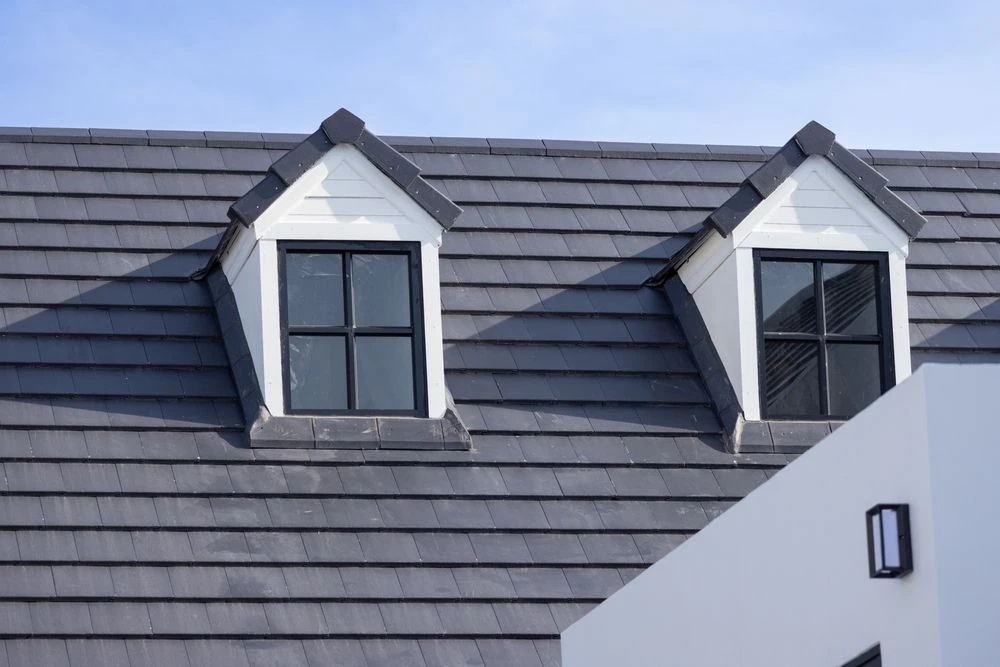
A Smyrna handover shot — captured for the carousel that follows every install in our content system.
What to ask any agency pitching roofer social.
Whether it’s us or a competitor — these questions surface 90% of what matters. If they can’t answer them, walk.
“Show me a roofer you took through a real storm cycle.”
Calm-weather wins are easy. Storm cycles are the test. Make them prove the surge.
“What’s in your storm deployment library?”
If the answer is “we’ll figure it out when it happens,” that’s a no.
“How fast can you push paid social on storm day?”
Under 24 hours is the baseline. Over 48 means you missed it.
“Who owns the raw drone footage?”
If they keep it, you’re renting your own assets back from them.
“How many roofers specifically — Cobb or Atlanta metro?”
Storm patterns and zoning vary. Local reps matter.
“How do you tie posts to storm-cycle bookings?”
If reach is the only metric, you’ll never know what’s actually winning the surge.
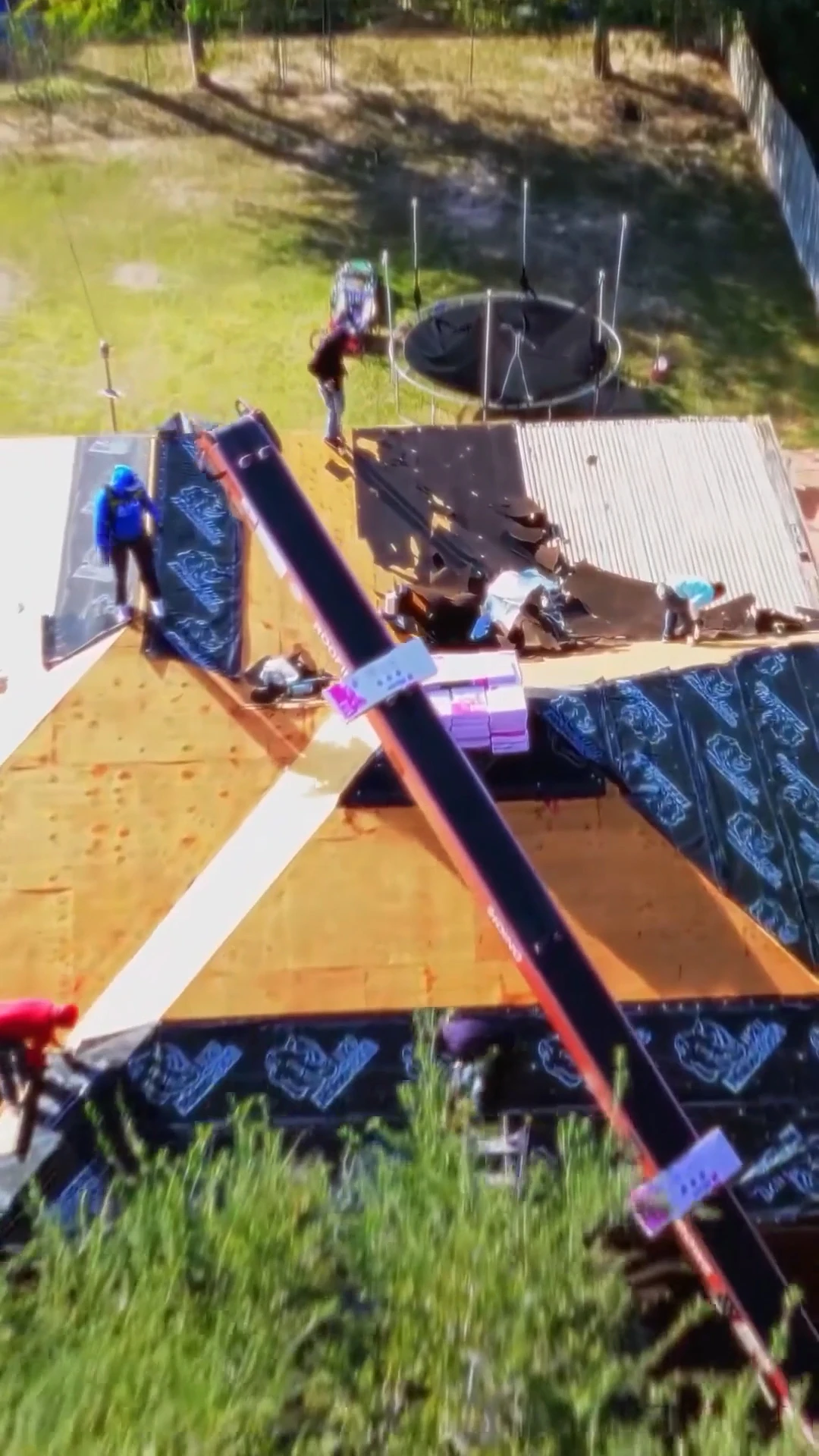
Behind the scenes — every Smyrna roof we shoot becomes a permanent template in the deployment library.
What Smyrna roofers ask us about social media.
If we’re building the library on month one and a storm hits month two, you’ll see real booked jobs from social on that first cycle. The compounding starts after the second event — that’s when both the library depth and the algorithm warmth from steady posting hit critical mass.
Once a week minimum, especially for insurance-education content. Smyrna homeowners trust the person who explains the claim. Crew-on-roof captures the work, but owner-explaining-process is what locks the booking.
Facebook leads for Smyrna roofing — homeowner demographic skews 40+ and Facebook neighborhood groups drive heavy share traffic during storm cycles. Instagram second for trust-building. TikTok third. We post natively to all three but Facebook + neighborhood groups drive 65% of storm-cycle inbound.
No. One roofer per city per geo. We won’t run social for two roofers in Smyrna or two in Mableton at the same time. Storm cycles are zero-sum — that exclusivity is the entire point.
$2,800–$5,400 a month for a managed system that includes library build, monthly shoots, deployment-day paid push during storms, and reporting. Most clients sit at the $3,400 mid-tier. Storm cycles typically pay for the entire year of service in 72 hours.
Imagine winning the next Smyrna storm cycle instead of watching out-of-state chasers take it.
Free 30-minute call where we audit your current page, your library readiness, and your top three Smyrna roofing competitors. We do these weekly with roofers across the broader North Atlanta corridor and roofing verticals.
Ready to turn searches into booked jobs?
Viral Spark is a roofing SEO agency built for North Atlanta contractors. We pair high-converting contractor websites with local SEO that ranks so the right customers find you first — no lead-buying. Get a free game plan →