

Weeds in paver joints are one of the most common complaints from Woodstock homeowners who invested in paver patio installation in Woodstock, GA — and they almost always trace back to the same decision made at installation time: the type of sand used to fill the joints. The fix is not annual herbicide applications. It is addressing what the joint is filled with.
Weeds don’t grow in paver joints because pavers are failing. They grow because the joint material creates exactly the environment a seed needs: a protected micro-cavity with organic matter, retained moisture, and enough air to initiate germination. In Woodstock’s climate, where pollen season deposits organic material on every outdoor surface and summer rain cycles keep joints moist, the weed pressure on an unprotected joint is relentless. Understanding why the problem happens makes it possible to stop it rather than just manage it.
Why Weeds Grow in Joints
Weed germination in paver joints requires three things: organic material, moisture, and light or air access. Regular kiln-dried sand — the most common joint fill used in standard paver patio installations in Woodstock, GA — provides all three. The sand itself is inert, but it does nothing to prevent organic matter accumulation in the joint cavity. Pollen, leaf debris, and soil particles blown in by rain or foot traffic settle into the sand surface over one or two seasons, creating a thin but viable seed bed. Water from rain or irrigation keeps that organic layer moist. The joint is open to light. The result is germination.
The other contributing factor is joint erosion. Regular sand in paver joints is not bonded — it relies solely on compaction and the tight fit between paver units to stay in place. In Woodstock’s summer rain events, which regularly produce heavy downpours in short windows, the hydraulic force of water sheeting across a patio surface displaces the top layer of sand. Over two to three seasons, joints that started fully packed become partially hollow — and a hollow joint is a far more hospitable germination environment than a compact one.
“Regular sand does nothing to resist seed germination. It creates the exact conditions a weed needs — a protected cavity, retained moisture, and accumulated organic matter.”
The Polymeric Sand Difference
Polymeric sand is kiln-dried sand blended with polymer binders — silica and other compounds that, when activated with water and allowed to cure, harden the joint fill into a semi-rigid, cohesive mass. The hardened surface of a properly installed polymeric sand joint is physically resistant to seed germination in a way that loose sand is not. The dense, closed surface of a cured polymeric joint does not provide the loose organic bed that seeds require to take root. Water still passes through the joint for drainage, but the surface does not create the open, friable cavity that regular sand does.
The polymer binders also resist erosion significantly better than regular sand. A polymeric sand joint installed correctly and activated with water will not wash out under typical rain events — which means the joint stays full, stays compact, and maintains its resistance to weed germination over time. Independent testing and contractor field experience consistently show that polymeric sand significantly reduces weed germination in paver joints for three to five years before the joint fill may need to be assessed or refreshed.
Re-Sanding Existing Pavers
If your Woodstock patio currently has regular sand joints and annual weed problems, the remediation is straightforward: remove the existing joint fill, clean the paver surface, and re-sand with polymeric sand. The existing sand does not need to be fully excavated to the sub-base — a joint blow-out using compressed air or a power broom to clear the top layer of the joint cavity is typically sufficient to prepare the joint for new fill. The goal is ensuring the new polymeric sand has enough depth in the joint to cure properly and form a continuous bonded layer.
Surface cleaning before re-sanding matters. Organic debris left in the joint before polymeric sand is applied reduces the contact between the polymer binders and the paver edges, resulting in a weaker cure. For Woodstock patios with heavy organic accumulation or established weed root systems in the joints, a professional cleaning with a power washer and joint clearing tool is the right starting point before any re-sanding is attempted.
Paver joints should be filled to within approximately ¼ inch of the paver surface — not to the absolute top, which would prevent any joint flex, but close enough that the surface remains closed and resistant to debris accumulation. Joints more than half an inch below the paver face have created a cavity large enough to collect and hold organic material regardless of the fill type. If your joints are significantly below the paver surface, re-sanding is overdue. Professional paver cleaning and re-sanding in Woodstock typically runs $2.00 to $4.00 per square foot depending on patio size, existing joint condition, and whether surface cleaning is included.
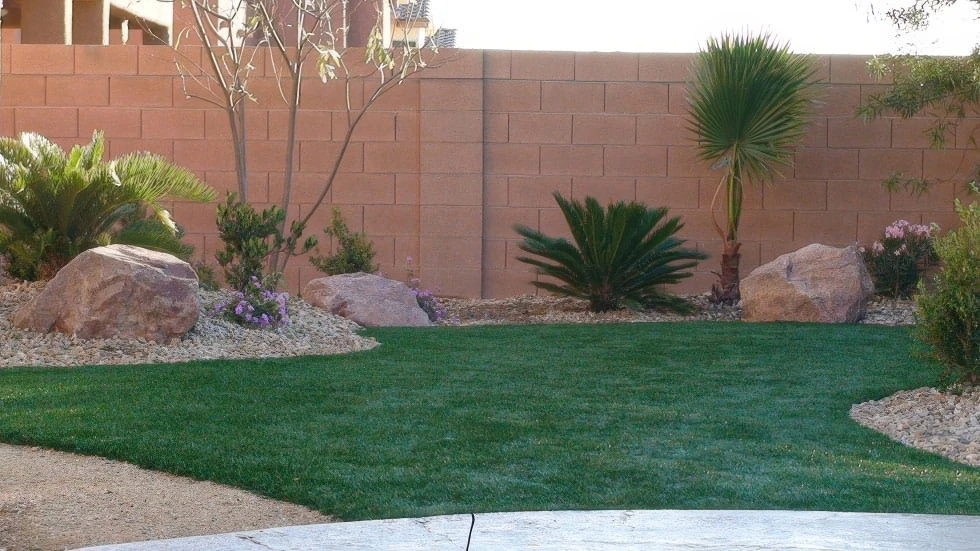
Polymeric sand joint installation on a Woodstock paver patio — cured joints resist weed germination and erosion significantly better than standard kiln-dried sand.
Polymeric sand is not a permanent, zero-maintenance solution — it is a dramatically better baseline than regular sand. Annual inspection of joint fill depth and surface condition will catch any developing issues before weeds establish. In Woodstock, spring is the right time to blow off winter debris, inspect joint depth, and treat any isolated germination with a targeted application before it spreads into an established root system. Individual weeds that do germinate in a polymeric sand joint — typically along edges where the joint is thinner or at patio perimeters exposed to adjacent soil — are easier to address early than after a full growing season has allowed roots to work into the joint cavity.
One thing polymeric sand does not eliminate is edge-zone weed pressure. The joint between the last row of pavers and the edge restraint or bordering landscape bed is often the thinnest and most vulnerable joint on the patio. Pairing polymeric sand with a clean, well-maintained edge treatment — whether a metal edge restraint, a planted border, or a clean mulch bed — closes the last gap in a comprehensive weed management strategy for Woodstock paver surfaces.
Kaizen Scapes proudly serves homeowners across Canton, GA, Woodstock, GA, and the surrounding North Georgia communities including Holly Springs, Ball Ground, Acworth, Kennesaw, Marietta, Alpharetta, Milton, Roswell, Cumming, Johns Creek, and East Cobb. If you’re looking for hardscaping and landscaping craftsmanship within 35 miles of Canton or Woodstock, our team is ready to transform your outdoor space.
Whether you’re in Canton, Woodstock, Alpharetta, Milton, or anywhere across Cherokee County and the greater North Atlanta suburbs, Kaizen Scapes brings the same relentless standard to every project. We don’t do cookie-cutter. We do custom — built to last.
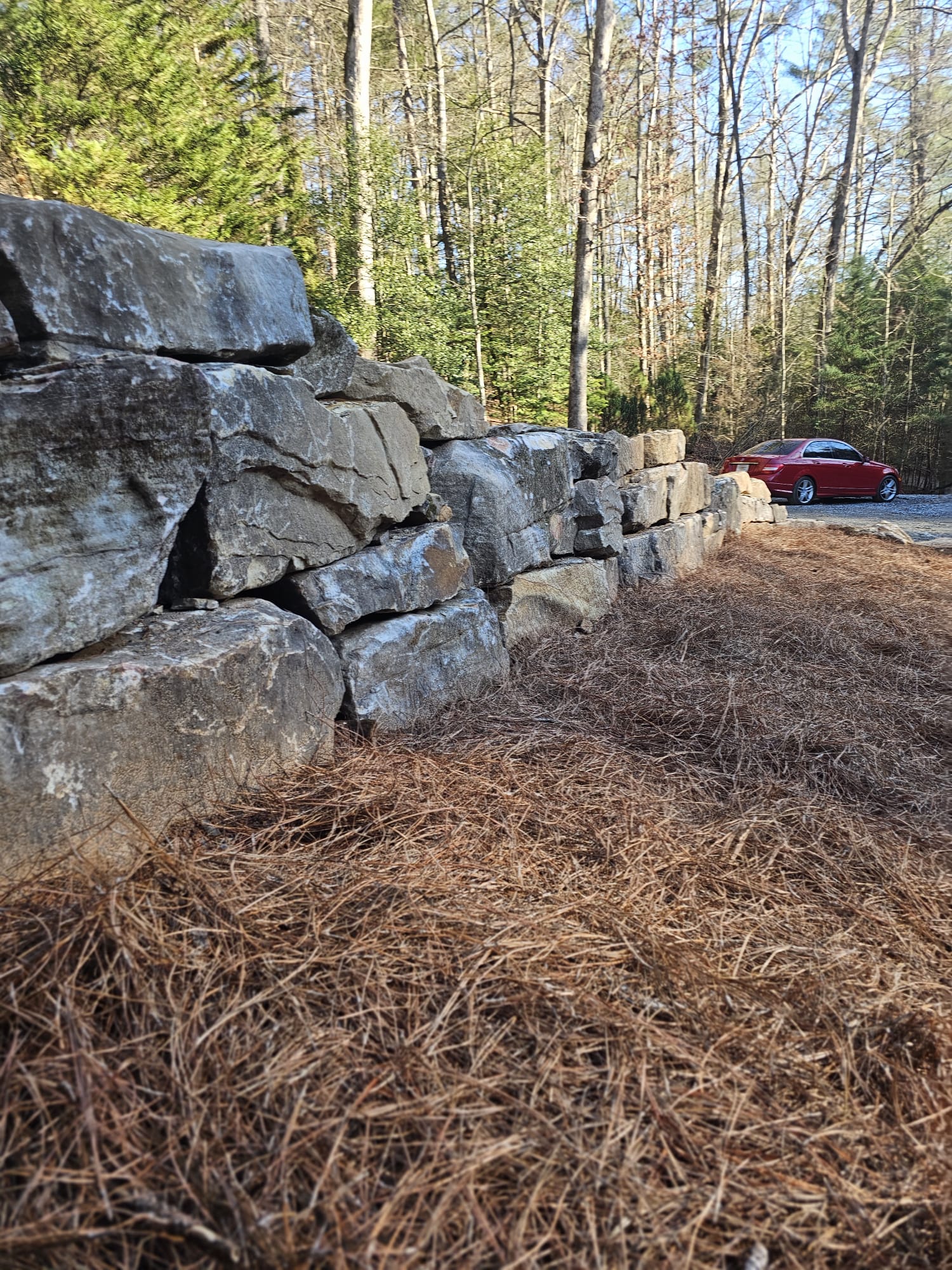
A completed hardscape installation in Woodstock, GA — properly jointed paver surface with polymeric sand throughout, edge restraints installed and finished.
We clean, re-sand, and restore paver surfaces across Woodstock, Canton, and all of Cherokee County. Free assessments available.
Kaizen Scapes is based in Canton, Georgia and serves the greater North Atlanta region within 35 miles: