

Alpharetta’s outdoor living season is long — and the longer a patio is in use, the more opportunities it has to collect stains. Most paver stains in Georgia are preventable, but the ones that aren’t require a material-specific approach. Using the wrong treatment not only fails to remove the stain — it can etch the surface, bleach the color, or permanently alter the texture of the paver.
The four stain types that hardscaping contractors in Alpharetta, GA encounter most consistently are efflorescence, rust from outdoor furniture, cooking grease and grill drip, and leaf tannin staining. Each has a different chemical origin, and each responds to a different treatment. Here is how to identify and address each one correctly — and when the problem is beyond what a homeowner should attempt on their own.
Efflorescence
Efflorescence is the white, chalky, or powdery deposit that appears on concrete or brick paver surfaces, particularly on newer installations or after sustained wet weather. It is not mold, it is not paint transfer, and it is not a manufacturing defect. Efflorescence is soluble calcium salts that exist within the paver migrating to the surface as water moves through the paver body and evaporates. As the water evaporates, the dissolved salts crystallize on the surface. In Alpharetta’s climate, where seasonal rain cycles and morning dew provide regular moisture movement through paver surfaces, efflorescence is common in the first one to two years of a paver installation.
Primary efflorescence — the initial deposits in the first year — often resolves on its own over time as the available salt content depletes. For persistent or heavy efflorescence, the treatment is diluted muriatic acid (hydrochloric acid at approximately 1:10 dilution with water) or a proprietary efflorescence cleaner formulated for masonry surfaces. The process requires pre-wetting the surface, applying the acid solution, scrubbing with a stiff brush, and thorough rinsing. Acid should never be applied to a dry paver surface — direct contact without pre-wetting concentrates the acid and can etch the paver face. Efflorescence cleaners are a safer alternative for homeowners unfamiliar with acid application.
“Efflorescence on a new Alpharetta patio is not a sign of a failed installation. It is a sign of water movement through normal concrete chemistry — and it is fully removable.”
Rust Staining
Rust stains on Alpharetta paver patios almost always originate from one of three sources: metal patio furniture with damaged or absent protective coatings on the feet, steel planters or containers without drainage trays, or metal accessories left sitting on the paver surface during wet conditions. The rust that leaches from these sources is iron oxide, and it bonds readily to the porous face of concrete pavers. Standard pressure washing moves surface debris but does not break the iron oxide bond — which is why a pressure-washed rust stain often looks exactly the same after washing as it did before.
The correct treatment for rust staining on concrete pavers is oxalic acid, either in a prepared commercial rust remover formulated for masonry or in a diluted solution applied directly to the stained area. Oxalic acid reacts with iron oxide and converts it to a soluble compound that can be rinsed away. For natural stone pavers, check product compatibility — some oxalic acid formulations are not appropriate for all stone types and can cause etching or color change on calcium-based surfaces like travertine or limestone.
Grease & Grill Staining
Grease staining from outdoor cooking is one of the most persistent paver stain types because oil-based staining penetrates quickly into the pore structure of unsealed concrete pavers and forms a hydrophobic layer that water alone cannot dislodge. The treatment is a commercial alkaline degreaser or a diluted dish soap solution applied to the stain, allowed to dwell for 10 to 15 minutes, and then agitated with a stiff brush before rinsing. For old or deeply absorbed grease stains, a poultice approach — applying an absorbent powder mixed with degreaser, covering with plastic, and allowing it to draw the oil out of the paver over 12 to 24 hours — is more effective than surface application alone.
Pressure washing at appropriate pressure (1200 to 2000 PSI for concrete pavers, lower for natural stone) after degreaser application helps lift the emulsified grease from the surface. Pressure washing without degreaser pretreatment is significantly less effective on grease. Sealing pavers in the outdoor kitchen or grill zone is one of the most practical preventative steps an Alpharetta homeowner can take — a sealed surface resists immediate absorption, giving cleanup time to work before the grease penetrates.
Tannin Staining
Tannin staining — the dark, often brown or orange streaking left by wet leaves sitting on paver surfaces — is common on Alpharetta patios near oak, maple, or Bradford pear trees. On concrete pavers, tannin staining responds well to a diluted bleach solution (one part household bleach to four to six parts water) applied with a brush, allowed to dwell for 5 minutes, and thoroughly rinsed. This works because sodium hypochlorite oxidizes the tannin compound and breaks it down.
Do not use bleach on natural stone pavers. Bleach can discolor travertine, lighten slate, and permanently alter the surface chemistry of natural calcium-based stone. For tannin staining on natural stone, the correct approach is a hydrogen peroxide-based poultice or a stone-safe organic stain remover. When in doubt on natural stone, test in an inconspicuous area before treating the visible surface — and consult a professional if the material is premium travertine or imported stone where replacement cost is high.
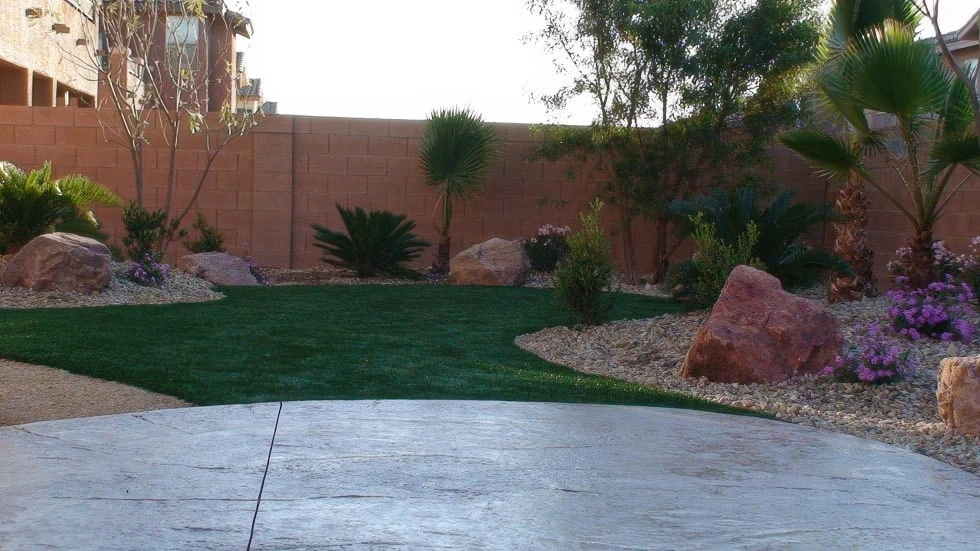
A restored paver surface in the North Atlanta area — proper stain treatment followed by sealing protects against future absorption and maintains the original surface appearance.
For most surface stains on concrete pavers — recent grease, light efflorescence, fresh rust — the appropriate treatment is within DIY capability if the homeowner understands the material and uses the right chemistry. The threshold for calling a professional is when the stain is deep, widespread, or on a material where incorrect treatment carries a significant remediation or replacement cost.
Pressure washing alone will not remove: embedded rust staining, deep grease absorption, set tannin staining, or efflorescence. A pressure washer is a rinsing and surface-cleaning tool, not a stain removal tool. Its value is in removing loose organic debris, surface dirt, and algae growth — not in breaking chemical bonds that require the right solvent or oxidizer. Homeowners who pressure wash repeatedly hoping to remove a stain that requires chemical treatment will eventually damage the paver surface texture before they remove the stain.
Kaizen Scapes proudly serves homeowners across Canton, GA, Woodstock, GA, and the surrounding North Georgia communities including Holly Springs, Ball Ground, Acworth, Kennesaw, Marietta, Alpharetta, Milton, Roswell, Cumming, Johns Creek, and East Cobb. If you’re looking for hardscaping and landscaping craftsmanship within 35 miles of Canton or Woodstock, our team is ready to transform your outdoor space.
Whether you’re in Canton, Woodstock, Alpharetta, Milton, or anywhere across Cherokee County and the greater North Atlanta suburbs, Kaizen Scapes brings the same relentless standard to every project. We don’t do cookie-cutter. We do custom — built to last.
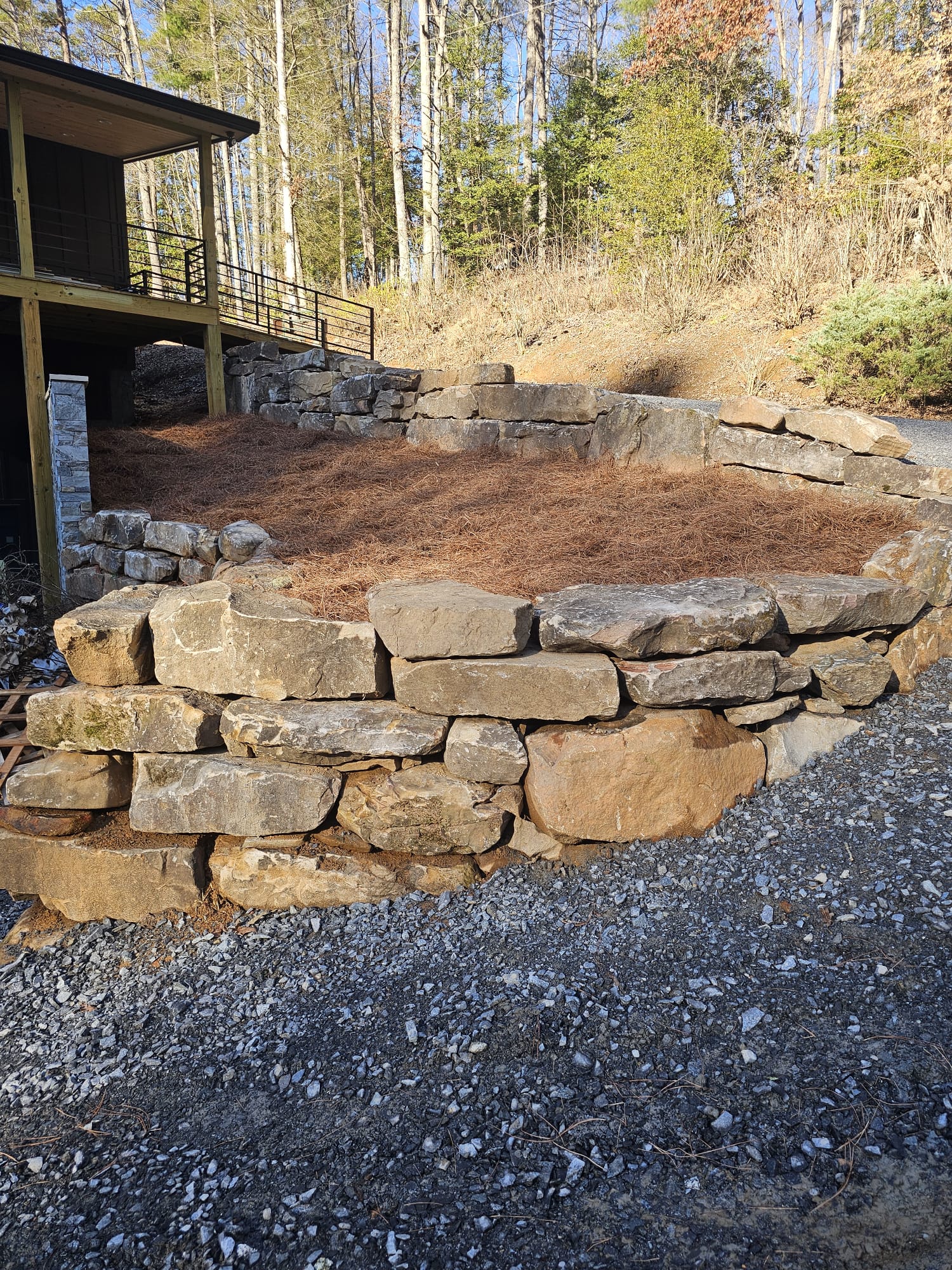
Kaizen Scapes provides paver cleaning, stain removal, and restoration services across Alpharetta, Milton, and the broader North Atlanta market.
We identify the stain type and use the right treatment for your material. Free assessments across Alpharetta, Milton, and North Atlanta.
Kaizen Scapes is based in Canton, Georgia and serves the greater North Atlanta region within 35 miles: