

Most landscaping problems in Canton, GA trace back to the same root cause: plants selected for how they look in a nursery catalog, not how they perform in Cherokee County’s specific combination of red clay soil, summer drought stress, and periodic flooding. Georgia native plants aren’t a trend — they’re an engineering solution to conditions that non-native species spend their entire lives fighting.
The distinction matters more here than it does almost anywhere else in the Southeast. Canton and the surrounding Cherokee County landscape sits at the ecological intersection of the Piedmont plateau and the Blue Ridge foothills — a zone with its own rainfall patterns, soil pathogens, and temperature swings that have shaped a specific plant community over thousands of years. Those plants have already solved the problems your landscape is trying to manage. The question is whether your current planting palette is working with that system or fighting against it.
What “Native” Actually Means
A plant that grows well in Georgia is not automatically a Georgia native. Crape myrtles, Bradford pears, and Leyland cypress are all common in Cherokee County landscapes — and none of them are native to this region. Crape myrtles originated in China and Korea. Bradford pears are a cultivar developed from a Chinese species. Leyland cypress is a hybrid developed in Wales. They survive here. They do not support the soil biology, insect communities, or bird populations that evolved alongside this region’s actual native species.
A true Georgia native — as defined by the Georgia Native Plant Society — is a species that was present in the region prior to European settlement. These are the plants that co-evolved with Cherokee County’s specific mycorrhizal fungi, its native pollinators, and its soil chemistry. That co-evolution is the reason a mature Eastern Redbud in a Canton landscape requires almost no supplemental irrigation after its second year, while an ornamental cherry tree planted twenty feet away may struggle through every dry August regardless of how often it’s watered. The redbud’s root system is optimized for this soil. The cherry’s is not.
“After establishment, a well-chosen native planting in Canton requires a fraction of the irrigation and inputs of a conventional landscape — because the plants are already adapted to exactly this rainfall pattern, this soil, and this summer heat.”
The Right Plants for Cherokee County
The Eastern Redbud (Cercis canadensis) is arguably the single best small tree for Canton landscapes. It tolerates Cherokee County’s clay soils, blooms spectacularly in March before its leaves emerge, and provides dense summer shade. It is completely drought-tolerant after its second year in the ground and requires no supplemental fertilizer. The Flowering Dogwood (Cornus florida) performs similarly — though it demands partial shade in Canton’s hotter exposures, making it an ideal understory planting beneath larger canopy trees. For smaller lots, the Serviceberry (Amelanchier arborea) offers three-season interest — white spring blooms, edible summer berries, and orange fall color — with no meaningful maintenance requirements after establishment.
Oakleaf Hydrangea (Hydrangea quercifolia) is native to Georgia and one of the most versatile shrubs for Cherokee County conditions. It handles the partial shade under tree canopies where most shrubs fail, tolerates dry periods once established, and produces extraordinary exfoliating bark in winter — giving the landscape structure even when nothing is blooming. Virginia Sweetspire (Itea virginica) tolerates both the poorly-drained clay zones common to Canton and the drier upland conditions you’ll find on sloped lots — a genuinely flexible native for difficult microclimates. Native Azaleas (Rhododendron canescens, Rhododendron flammeum) bloom earlier than Asian cultivars, support more native bee species, and do not require the acidic soil amendments that imported cultivars demand.
The most-asked-for groundcover in Cherokee County is something that will hold a slope, survive shade under mature trees, and not require constant edging. Liriope muscari (Lilyturf) does all three — and while it originates in Asia rather than Georgia, it has become a workhorse of Piedmont landscapes for a reason. For a true native alternative, Wild Ginger (Asarum canadense) forms dense mats under tree canopies and suppresses weeds aggressively. Creeping Phlox (Phlox subulata) handles sunny, dry slopes where erosion is a concern and produces a carpet of spring color that requires nothing from you once it’s established.

A Cherokee County landscape designed around native species — lower inputs, stronger root systems, and year-round visual interest without the maintenance overhead of conventional planting.
Cherokee County’s heavy clay soils harbor a specific set of root pathogens — including Phytophthora species and various Fusarium strains — that are responsible for a significant portion of the landscape plant failures Canton homeowners experience. Non-native species planted into Piedmont clay often lack the root exudate chemistry that suppresses these organisms. Over time, that vulnerability accumulates: the plant weakens, secondary stressors like summer drought compound the damage, and within three to seven years a healthy-looking installation has become a series of replacements.
Native plants co-evolved with these exact soil communities. Their root systems produce chemistry that interacts productively with local mycorrhizal networks — the fungal webs that extend a plant’s effective root zone and deliver water and nutrients during dry periods. This is why an established native planting in Canton can go six to eight weeks without meaningful rainfall and show no visible stress, while an adjacent conventional planting in similar conditions begins to decline after two weeks without irrigation. The difference isn’t luck. It’s co-evolution.
One question we hear frequently from Canton homeowners considering a native conversion is whether native plants work alongside hardscape — patios, retaining walls, walkways. The answer is not just yes, but native plants are often the superior choice specifically in hardscape-adjacent planting zones. The area immediately behind a retaining wall, for instance, experiences more dramatic moisture swings than open beds — dry at the surface, potentially saturated at depth. Native shrubs like Virginia Sweetspire and Oakleaf Hydrangea handle this range of conditions without the selective watering that imported shrubs often require in the same position. Learn more about our hardscaping services and how we design native plantings into every structural project.
Kaizen Scapes proudly serves homeowners across Canton, GA, Woodstock, GA, and the surrounding North Georgia communities including Holly Springs, Ball Ground, Acworth, Kennesaw, Marietta, Alpharetta, Milton, Roswell, Cumming, Johns Creek, and East Cobb. If you’re looking for hardscaping and landscaping craftsmanship within 35 miles of Canton or Woodstock, our team is ready to transform your outdoor space.
Whether you’re in Canton, Woodstock, Alpharetta, Milton, or anywhere across Cherokee County and the greater North Atlanta suburbs, Kaizen Scapes brings the same relentless standard to every project. We don’t do cookie-cutter. We do custom — built to last.
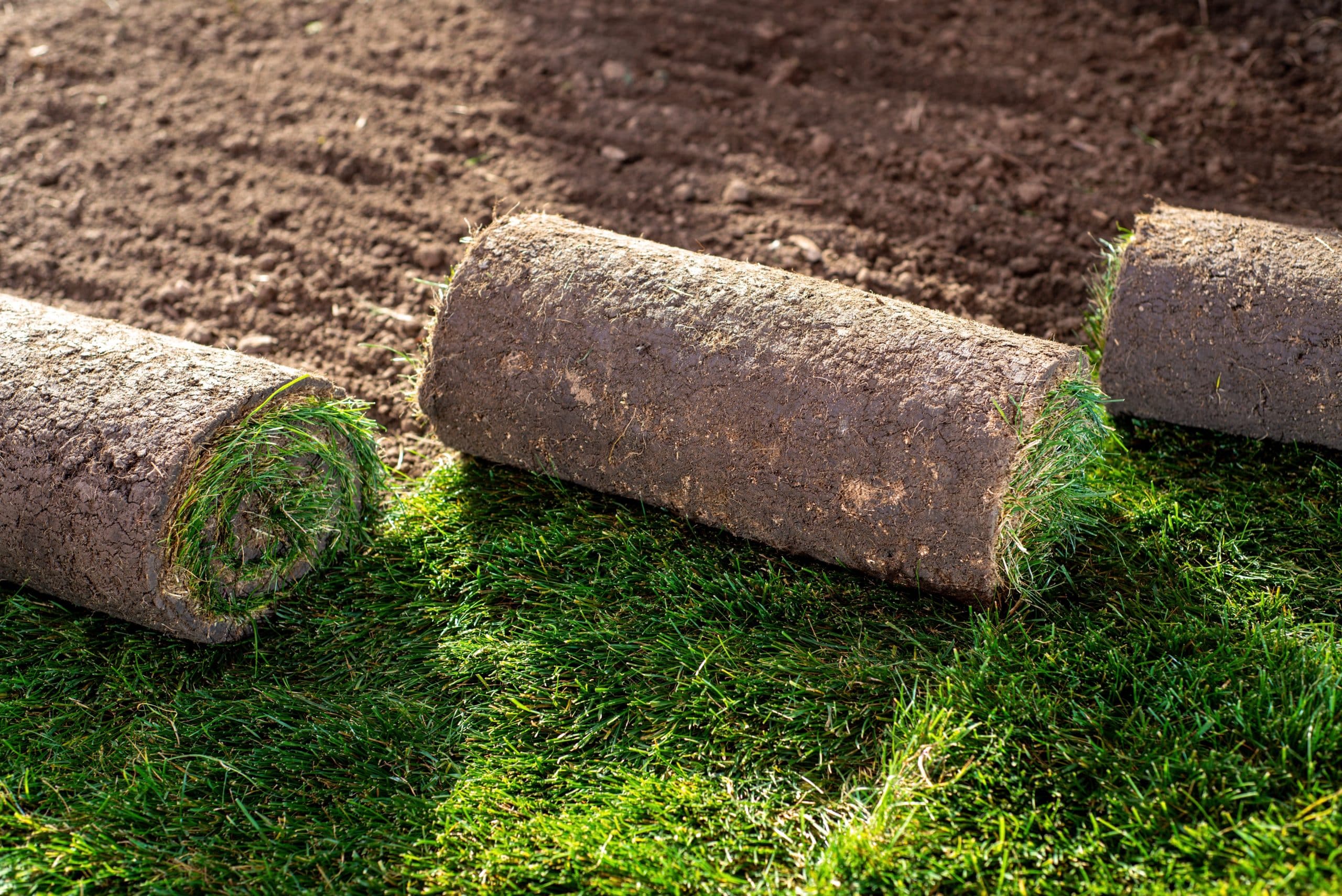
Native planting integrated with a Cherokee County landscape — chosen to match the site’s soil, shade, and moisture conditions, not the nursery display.
We assess your Canton property’s conditions before recommending a single plant. Free landscape design consultations across Cherokee County and greater North Atlanta.
Kaizen Scapes is based in Canton, Georgia and serves the greater North Atlanta region within 35 miles: