

A patio without plants around it is an outdoor floor. The planting beds adjacent to your patio are what convert a hardscape installation into a place people actually want to sit in — what creates enclosure, filters street noise, provides seasonal color, and makes the transition from house to outdoors feel intentional rather than abrupt. This is what patio planting design in Woodstock actually does, and why it matters as much as the pavers themselves.
Most Woodstock homeowners think of patio planting as decoration — something added after the hardscape is done, if the budget allows. The reality is that the plants adjacent to a patio do structural and functional work that the hardscape alone can’t do: they define the room, manage heat, provide overhead canopy, and create privacy from neighboring properties. Planning them as an afterthought produces an afterthought result.
The Edging Detail
The line where your paver patio ends and your planting bed begins is one of the most visible and most maintenance-intensive details on the entire property. Get it wrong and you’ll be fighting creeping grass into the bed, or mulch migration onto the pavers, for as long as you own the house. Get it right and the transition disappears — it looks like it was always supposed to be exactly that way.
The cleanest solution is a flush-set soldier course of pavers at the patio perimeter — a single row of pavers laid vertically into a concrete haunch that creates a permanent, rigid edge between the paved field and the planting bed. This is a hardscape detail, not a landscape detail. It has to be set during patio installation — you cannot add it cleanly after the fact. When we design patio and planting together, this detail is standard. When the patio goes in first and the plants are added later, homeowners typically end up with a steel or aluminum landscape edging strip that looks temporary because it is.
Drip Irrigation
The planting beds around your patio need water — and in Woodstock’s summer heat, they need consistent, targeted water that overhead sprinklers can’t reliably provide without soaking your patio furniture and pavers in the process. Drip irrigation is the answer, but only if the infrastructure is designed during the hardscape phase. A drip system serving beds on the far side of a patio requires conduit sleeved under the paver field before the base is compacted.
Retrofitting irrigation conduit under an existing paver patio means pulling up a strip of pavers, trenching, installing conduit, and re-laying — possible, but expensive and never quite invisible afterward. When irrigation rough-in is part of the original hardscape scope, the conduit runs under the field invisibly, emerges in the bed at exactly the right location, and the entire system is operational the day plants go in the ground. For Cherokee County homeowners with planting beds on multiple sides of a patio, this is the detail that makes the difference between a system that actually gets used and one that gets abandoned in year two.
“The planting beds around a patio aren’t decoration — they’re the walls of the room. Without them, you have a floor. With them, you have somewhere to actually be.”
Plant Selection
Woodstock’s climate — Zone 7b, red clay soil, hot humid summers, and occasional hard freezes — narrows the plant palette in ways that are worth understanding before you buy anything from a nursery. The plants that perform best adjacent to hardscape in Cherokee County are those that tolerate both the reflected heat from paver surfaces in July and the drainage stress of compacted clay in the bed zone immediately behind the patio edge.
The combinations that work consistently around Woodstock patios include Southern Wax Myrtle for fast privacy screening (evergreen, drought-tolerant once established, and fast enough to provide meaningful enclosure in two growing seasons), Muhly Grass for movement and texture at bed edges (the pink fall bloom against warm-toned pavers is one of the best seasonal moments in North Georgia landscaping), and Oakleaf Hydrangea for shade-side beds adjacent to covered patios or structures. All three are Georgia natives or near-natives, meaning they’re adapted to the conditions — not fighting them.
The most visible change when planting design is integrated from the start is proportion. Plants selected and sized relative to the patio’s dimensions — not arbitrarily from a nursery catalog — create a space that feels resolved. A 14-foot patio with 3-foot-wide beds around three sides needs plants scaled to that geometry: nothing taller than 6–7 feet at the back of the bed, mid-height shrubs at 3–4 feet in the middle tier, and low groundcover or ornamental grasses at the paver edge.
The seasonal arc is the second thing that changes. A planting palette designed specifically for a Woodstock patio can provide color or texture interest in every season — spring bulbs emerging through the mulch, summer flowering shrubs, Muhly Grass going pink in September, and evergreen structure holding the bed through winter. That kind of sequence doesn’t happen by accident — it requires knowing which plants are going where before any of them are purchased.
Kaizen Scapes proudly serves homeowners across Canton, GA, Woodstock, GA, and the surrounding North Georgia communities including Holly Springs, Ball Ground, Acworth, Kennesaw, Marietta, Alpharetta, Milton, Roswell, Cumming, Johns Creek, and East Cobb. If you’re looking for hardscaping and landscaping craftsmanship within 35 miles of Canton or Woodstock, our team is ready to transform your outdoor space.
Whether you’re in Canton, Woodstock, Alpharetta, Milton, or anywhere across Cherokee County and the greater North Atlanta suburbs, Kaizen Scapes brings the same relentless standard to every project. We don’t do cookie-cutter. We do custom — built to last.

Patio and planting bed integration in Woodstock — soldier course edging, drip irrigation rough-in, and plant palette designed alongside the paver system.
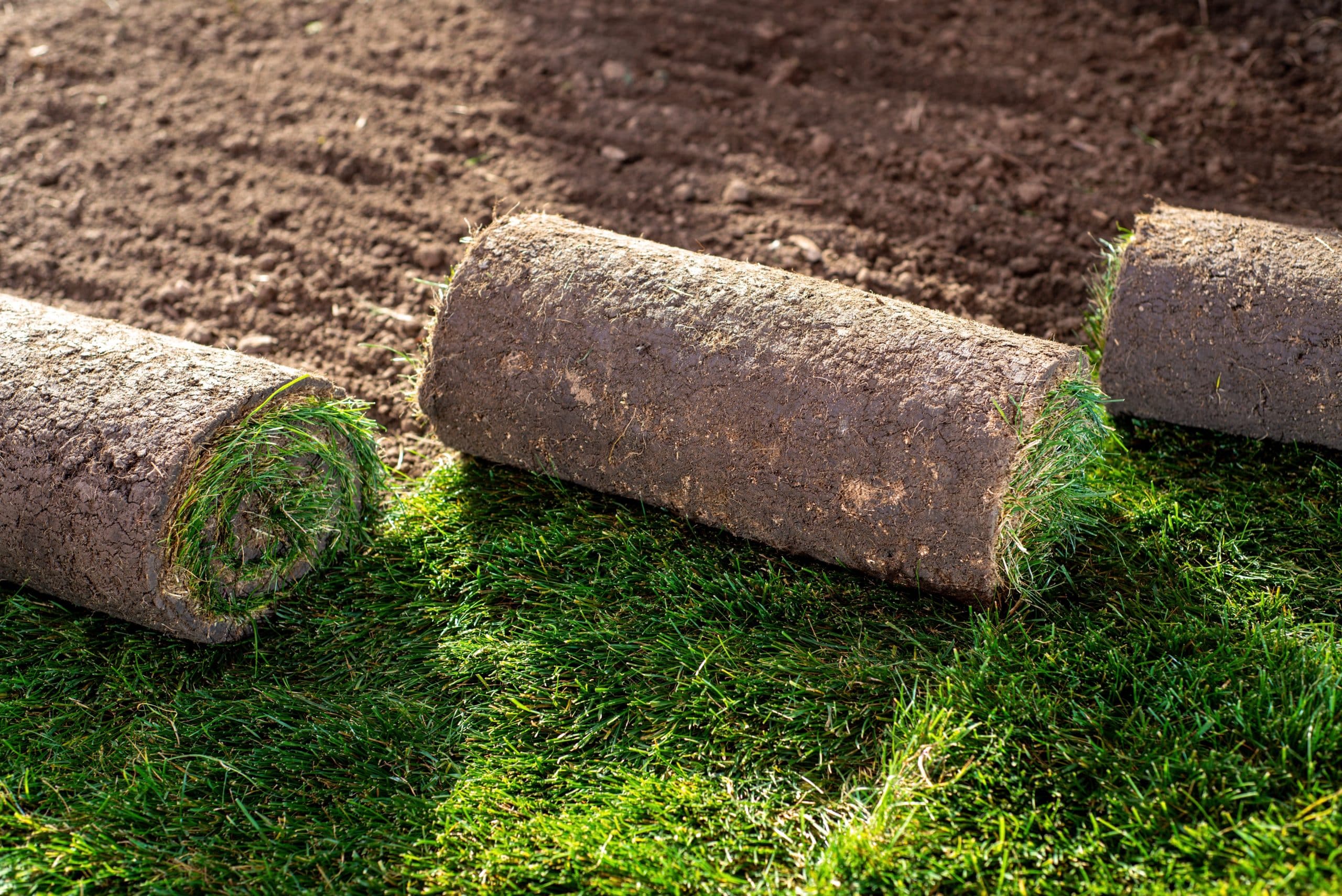
Established planting adjacent to a Woodstock paver patio — three-season interest through layered shrubs, ornamental grasses, and evergreen structure.
We design paver systems and planting beds as one integrated project — edging, irrigation, and plant selection coordinated before the first stone is laid. Free consultation across Woodstock, Cherokee County, and North Atlanta.
Kaizen Scapes is based in Canton, Georgia and serves the greater North Atlanta region within 35 miles: