

In Woodstock’s established neighborhoods — Eagle Watch, Wyngate, The Falls — the backyard renovation conversation has shifted decisively in one direction. Homeowners who once approached a pool and an outdoor kitchen as separate multi-year projects are increasingly asking a single question: what does it look like to do both at once, and what does the integration actually require? The answer involves more than budget math. It involves design decisions that are nearly impossible to undo once the concrete is poured and the pavers are set.
Pool and outdoor kitchen placement decisions interact with each other in ways that only become visible at the design stage — or, expensively, during construction. The kitchen’s position relative to the pool determines splash exposure, electrical safety distances, gas line routing, smoke direction relative to the pool deck seating area, and the sight line from the house to both features simultaneously. Getting those relationships right requires treating the pool and kitchen as one design problem, not two sequential purchases.
Placement and Relationship
The most common mistake in combined pool-kitchen projects is locating the kitchen too close to the pool edge. Water, heat, and grease — three things that do not coexist well — need careful physical separation. Georgia code requires minimum distances between gas appliances and pool water, and a well-designed project adds additional buffer beyond the code minimum: enough space for a comfortable transition zone between the splash deck and the cooking area, typically a 10–14 foot dry paver zone that functions as the gathering buffer between the two primary elements.
Smoke direction is the placement variable most homeowners miss entirely. A kitchen that is positioned such that prevailing afternoon breezes push grill smoke across the pool deck will frustrate swimmers and diners every time the grill is lit. Designers who work in Woodstock know the dominant wind patterns and orient kitchens accordingly — parallel to the pool’s long axis when possible, with the grill exhaust pointed away from both the pool deck and the interior window line of the home.
“Design the pool and kitchen as a single system. The sight lines, the infrastructure, and the circulation all connect — and the design decisions made early are the ones you live with for twenty years.”
Infrastructure Sequencing
Not every Woodstock homeowner approaches a combined pool-kitchen project with a single construction budget. Many want to build the pool now and add the kitchen in eighteen months. That is a completely workable plan — if the underground infrastructure for the kitchen is installed during the pool build. If it is not, the cost of adding the kitchen later nearly doubles: the patio surface needs to be broken up, conduit and gas lines need to be routed under existing pavers, and the pool equipment area may need to be reconfigured to accommodate new utility runs.
The right sequencing approach for a phased project puts all underground work in the ground during Phase 1 regardless of when Phase 2 is built. During pool construction, run conduit stubs to the future kitchen location, extend the gas line to within ten feet of the future kitchen footprint, and install a junction box at the future outdoor kitchen counter position. These additions cost $600–$1,200 during pool construction. Running the same utilities after the patio is installed costs $4,000–$8,000 minimum — and that is before accounting for paver removal and replacement.
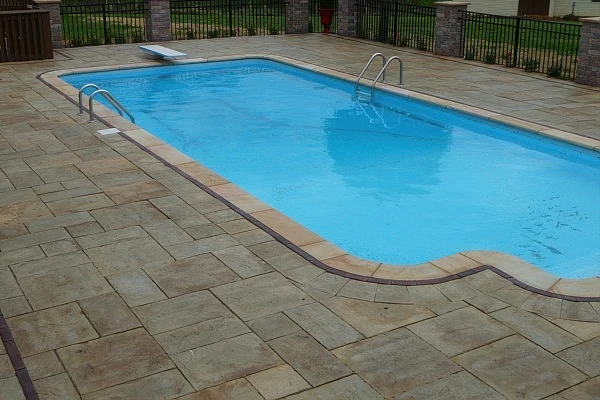
A combined pool deck and outdoor kitchen system in the Woodstock area — unified paving, coordinated infrastructure, designed and built as a single outdoor room.
In the Woodstock real estate market, a pool and outdoor kitchen built as a unified system appraises and sells differently than a pool with a separate stand-alone kitchen added later. Buyers can feel design coherence — and they can feel the lack of it. A patio where the kitchen surround material matches the pool coping material, where the paving continues in a unbroken plane from deck to kitchen to dining area, where the lighting and landscaping tie the zones together — that outdoor room reads as designed. The alternative reads as accumulated.
In the North Atlanta market, combined outdoor living projects — pool, kitchen, patio, shade structure — consistently return 70–85% of project cost in appraised home value. In a market where interior renovations typically return 55–65%, that gap is significant. A $120,000 combined pool-kitchen project adds $84,000–$102,000 in appraised value on a median Woodstock property. The lifestyle return — the actual use of the space — is separate from and additional to that financial return.
Kaizen Scapes designs and builds combined pool-kitchen systems across Woodstock, Canton, Holly Springs, and the broader Cherokee County market. Every project begins with a design conversation that treats the pool and kitchen as one system. Visit our hardscaping services page for the full range of what we offer.
Kaizen Scapes proudly serves homeowners across Canton, GA, Woodstock, GA, and the surrounding North Georgia communities including Holly Springs, Ball Ground, Acworth, Kennesaw, Marietta, Alpharetta, Milton, Roswell, Cumming, Johns Creek, and East Cobb. If you’re looking for hardscaping and landscaping craftsmanship within 35 miles of Canton or Woodstock, our team is ready to transform your outdoor space.
Whether you’re in Canton, Woodstock, Alpharetta, Milton, or anywhere across Cherokee County and the greater North Atlanta suburbs, Kaizen Scapes brings the same relentless standard to every project. We don’t do cookie-cutter. We do custom — built to last.
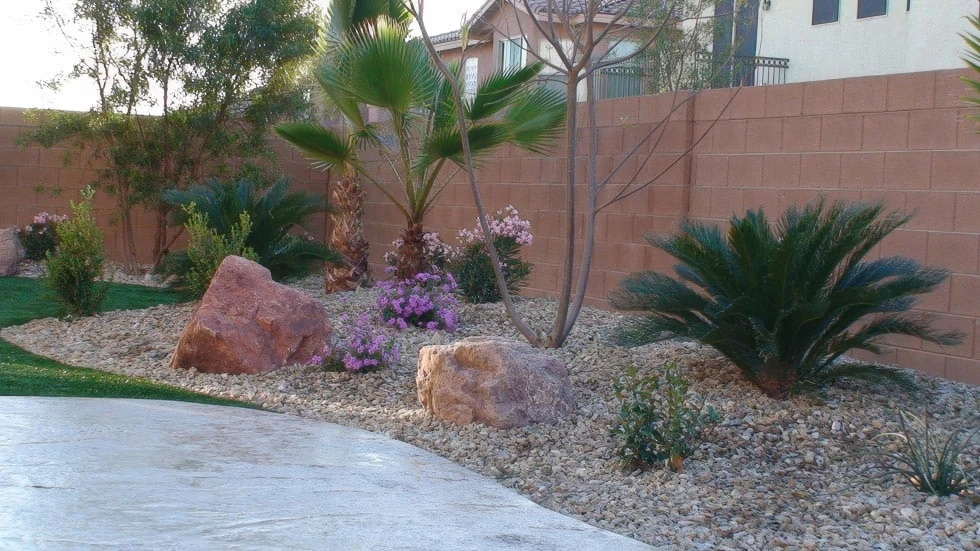
A completed pool and outdoor kitchen integration in the Woodstock area — designed as one system, built to last, built to be used every season.
We design integrated pool-kitchen systems across Woodstock and Cherokee County. Free consultations — we come to your property and plan the whole system together.
Kaizen Scapes is based in Canton, Georgia and serves the greater North Atlanta region within 35 miles: