

Artificial turf gets sold hard in Woodstock. It’s marketed as a solution to every lawn problem — the shade that kills grass, the dogs that destroy it, the summer drought that browns it out. Some of that is true. But the sales pitch skips the parts that determine whether artificial turf is actually the right decision for your specific Woodstock backyard.
This is the honest version. Who artificial turf is genuinely right for, who it isn’t, what it actually costs installed in Woodstock, and the one condition most homeowners don’t find out about until July — when their artificial lawn surface reaches temperatures that make it unusable in Georgia’s peak summer heat. None of that changes whether turf is the right answer for you. But it should be part of the conversation before you sign anything.
Who It’s Right For
Dogs are the number one driver of artificial turf installations in Woodstock. A 60-pound lab running the same worn path along a fence line will destroy real grass within a season regardless of what variety you install. In heavy-use pet zones — the back third of a fenced yard, a dedicated dog run — artificial turf with a quality infill system outperforms any natural grass option, full stop. It doesn’t die, it doesn’t go muddy in wet weather, and with a permeable backing and a silica or antimicrobial infill, it manages pet waste drainage better than compacted clay grass zones.
Full-shade areas under mature tree canopies are the second scenario where artificial turf earns its cost. Shade-tolerant grass varieties like Zoysia and Fescue still require a minimum of three to four hours of direct sun to maintain density. Under a closed canopy with dense root competition from the tree above, no natural grass sustains long-term. Artificial turf eliminates a perpetual problem zone without requiring you to remove the tree. For narrow side yards — the four-to-six foot passage between a Woodstock house and property line where nothing grows and mowing is nearly impossible — artificial turf is often simply the practical choice.
“Artificial turf isn’t a premium upgrade for every Woodstock yard — it’s the correct solution for specific problem zones. The mistake is applying it everywhere instead of where it actually solves something.”
Who It’s Wrong For
Large front lawns are the scenario we actively advise against. Resale perception in Woodstock and Cherokee County neighborhoods still runs strongly against artificial grass in front yard applications. Appraisers and buyers who grew up in the Southeast associate large artificial front lawns with cost-cutting, not investment — and it can affect perceived value in ways that the installation cost doesn’t offset. If your front lawn is the problem you’re trying to solve, the better answer is usually a drought-tolerant Bermuda or Zoysia sod installation with proper irrigation, not a full artificial conversion.
Areas with heavy storm runoff are the other situation we flag consistently. Artificial turf systems are permeable — but they are not designed to handle sheet flow from significant grade changes. A Woodstock backyard that collects water from neighboring properties during a storm event doesn’t have a grass problem. It has a drainage and grading problem. Installing artificial turf over an unresolved drainage issue gives you an expensive artificial turf system that still floods. The grading and drainage work has to come first, and once that’s resolved, natural grass often performs fine.
This is the detail that consistently surprises Woodstock homeowners post-installation. Artificial turf surfaces in Georgia sun can reach surface temperatures of 140°F to 160°F on peak summer days — compared to natural grass surfaces that stay near ambient air temperature through evapotranspiration cooling. Direct contact with the turf during a July afternoon is uncomfortable for adults, potentially painful for children, and genuinely dangerous for dogs whose paw pads are in contact with the surface. This is not a reason to rule out artificial turf — but it is a reason to think carefully about where it’s installed and how you use your yard. Shaded applications are dramatically less affected by this issue than full-sun installations.
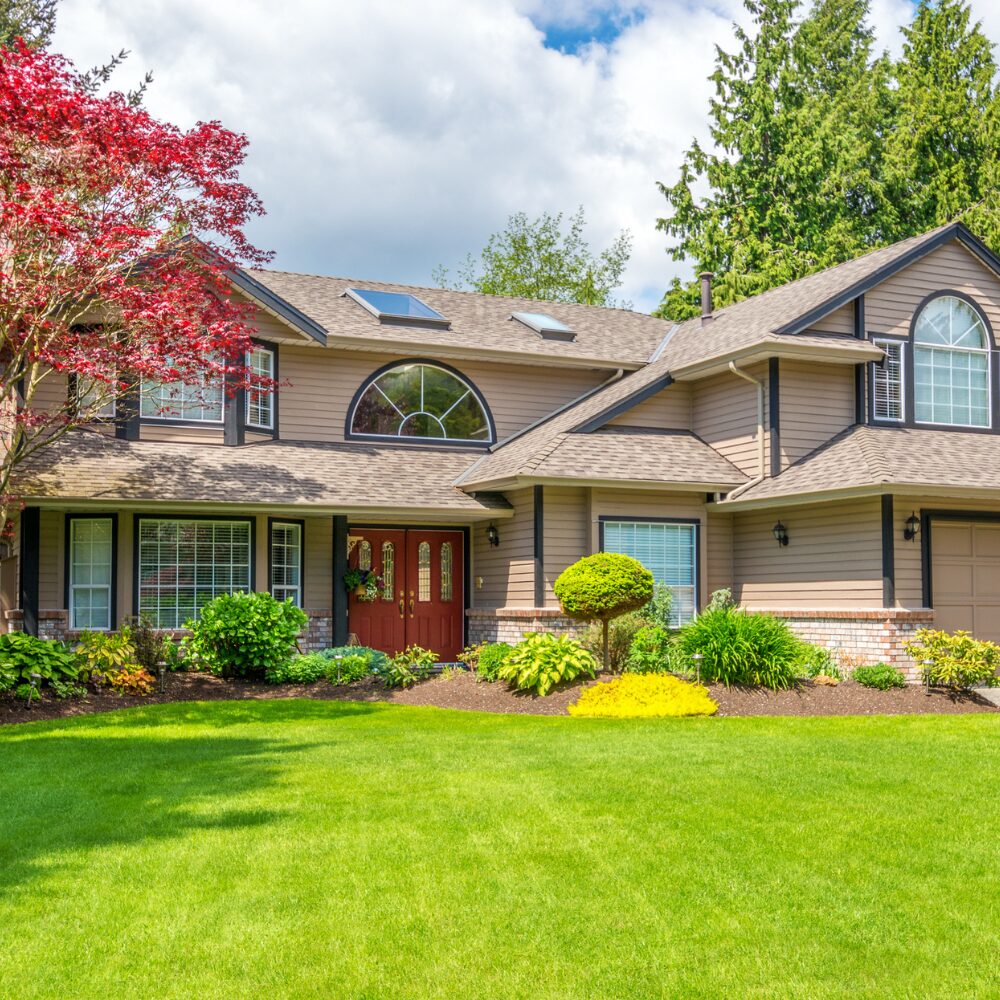
Sod and turf installation in Woodstock — the right material depends on the use zone, shade conditions, and drainage profile of your specific property.
Artificial turf installations in Woodstock run $12 to $20 per square foot installed, depending on the turf product, infill specification, and subbase work required. A 500-square-foot pet zone installation — a realistic size for a dedicated dog run or side yard — lands between $6,000 and $10,000 fully installed. Compare that to natural Bermuda or Zoysia sod in the same footprint: $0.90 to $1.60 per square foot for the sod itself, plus $1.50 to $3.00 per square foot for site prep, grading, and installation — a total of roughly $1,200 to $2,300 for the same 500 square feet.
The cost differential is real, and it means the economics of artificial turf only make sense when the problem it’s solving is genuinely unsolvable with real grass. Over a ten-year horizon, artificial turf also requires periodic infill replenishment, periodic sanitizing for pet areas, and eventual replacement (most products carry a 10–15 year warranty). Natural grass, properly maintained, has no replacement cycle.
For dog zones specifically, infill selection is the part of the specification that affects daily livability the most. Standard silica sand infill works mechanically but has no antimicrobial properties. Zeolite infill is a natural mineral that actively absorbs ammonia — the primary odor source in pet turf applications — and it makes a significant practical difference in how the installation smells over time. Crumb rubber infill (recycled tire material) is still widely used but has been falling out of favor in pet-area applications over health concerns about off-gassing in hot conditions — exactly the conditions a Woodstock summer produces. We specify zeolite or coated silica for pet zones on every project.
Kaizen Scapes proudly serves homeowners across Canton, GA, Woodstock, GA, and the surrounding North Georgia communities including Holly Springs, Ball Ground, Acworth, Kennesaw, Marietta, Alpharetta, Milton, Roswell, Cumming, Johns Creek, and East Cobb. If you’re looking for hardscaping and landscaping craftsmanship within 35 miles of Canton or Woodstock, our team is ready to transform your outdoor space.
Whether you’re in Canton, Woodstock, Alpharetta, Milton, or anywhere across Cherokee County and the greater North Atlanta suburbs, Kaizen Scapes brings the same relentless standard to every project. We don’t do cookie-cutter. We do custom — built to last.
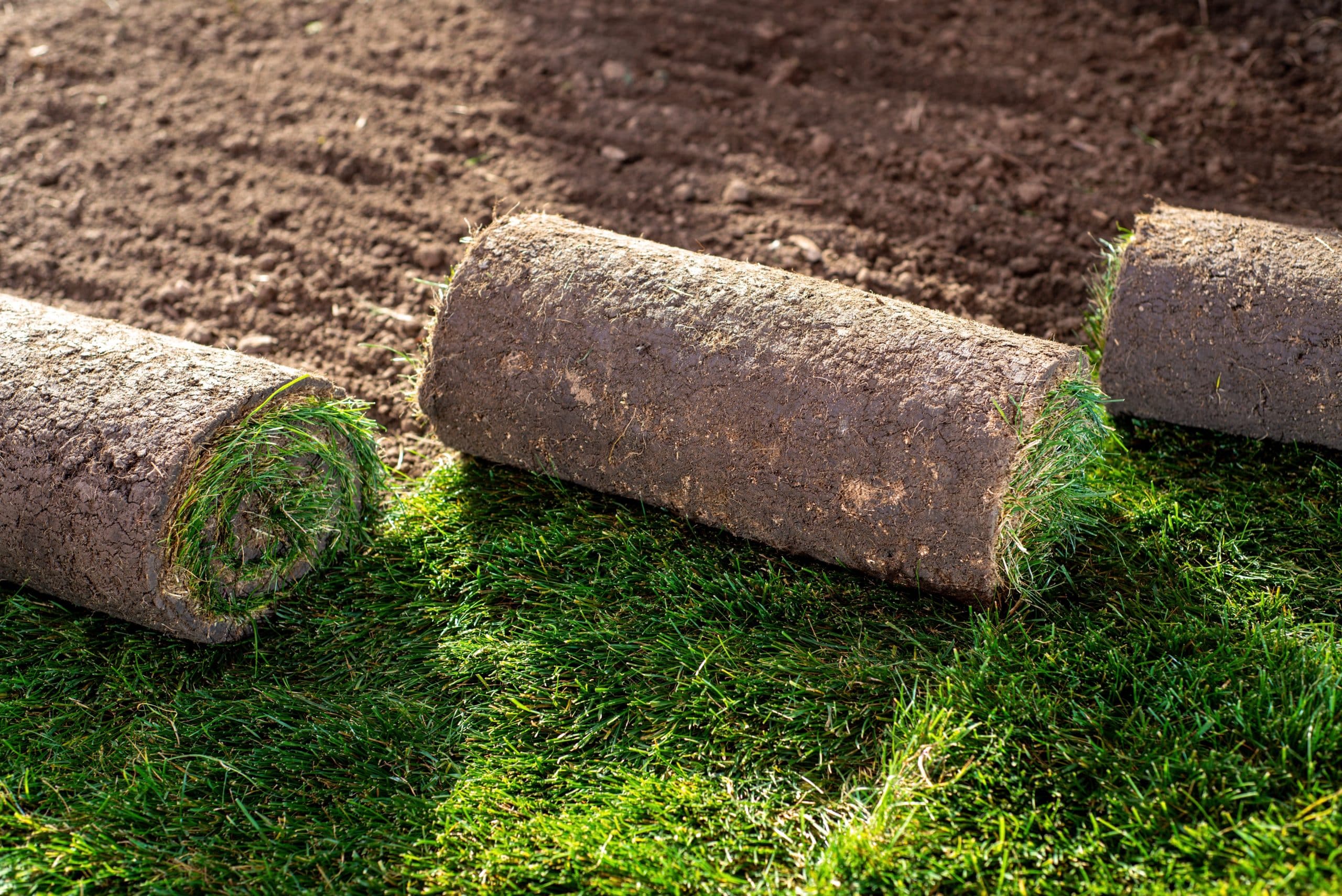
Lawn installation in Woodstock — material selected based on use zone, shade exposure, and drainage conditions, not just what photographs well.
We assess the use zone, drainage, and sun exposure before recommending anything. Free lawn consultations across Woodstock, Canton, and Cherokee County.
Kaizen Scapes is based in Canton, Georgia and serves the greater North Atlanta region within 35 miles: